What makes aluminum ideal for die casting?
Aluminum is ideal for die casting when a buyer needs a lightweight metal part with good castability, useful strength, thermal conductivity, corrosion resistance, machinability, and scalable production potential. For housings, heat sinks, brackets, covers, motor components, lighting parts, and electronic enclosures, the practical RFQ problem is deciding whether aluminum die casting fits the part geometry, alloy requirement, surface finish, machining allowance, and production volume better than CNC machining, sand casting, gravity casting, or zinc die casting. Buyers should review alloy choice, wall thickness, porosity risk, tooling cost, and inspection method before requesting an aluminum die casting quote.
What makes aluminum ideal for die casting?
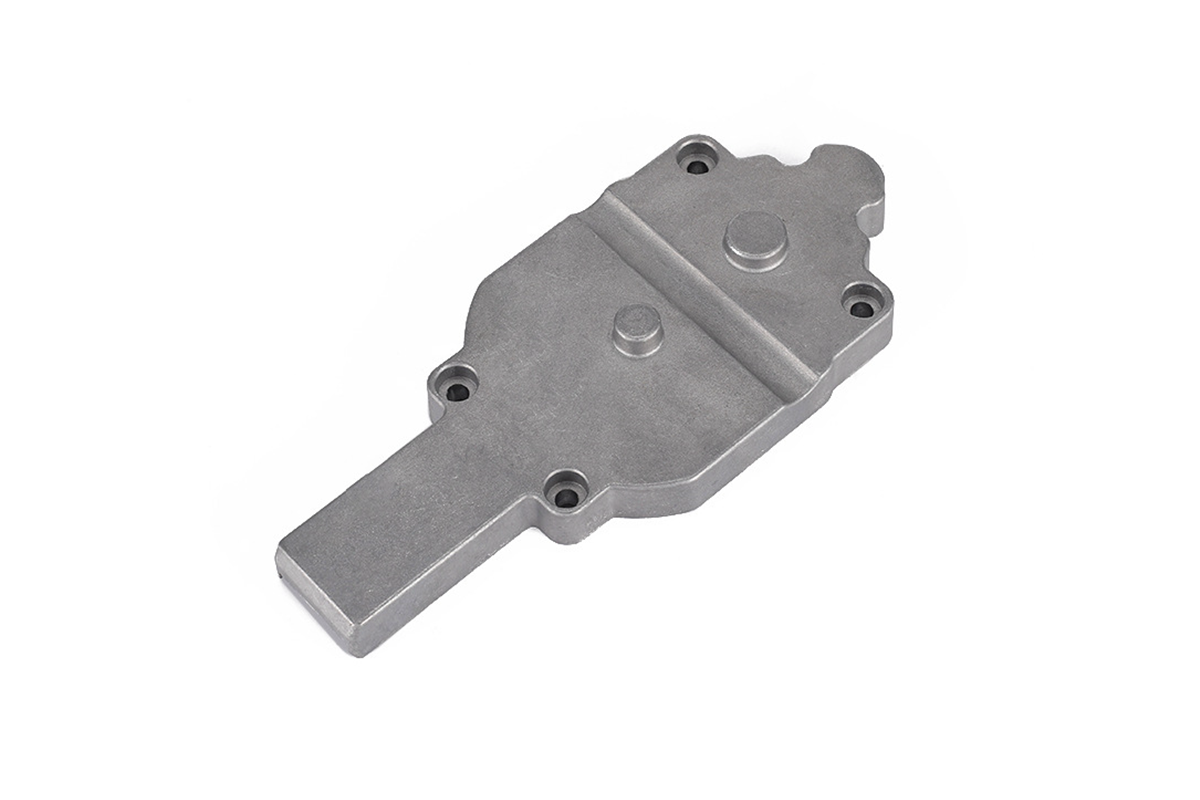
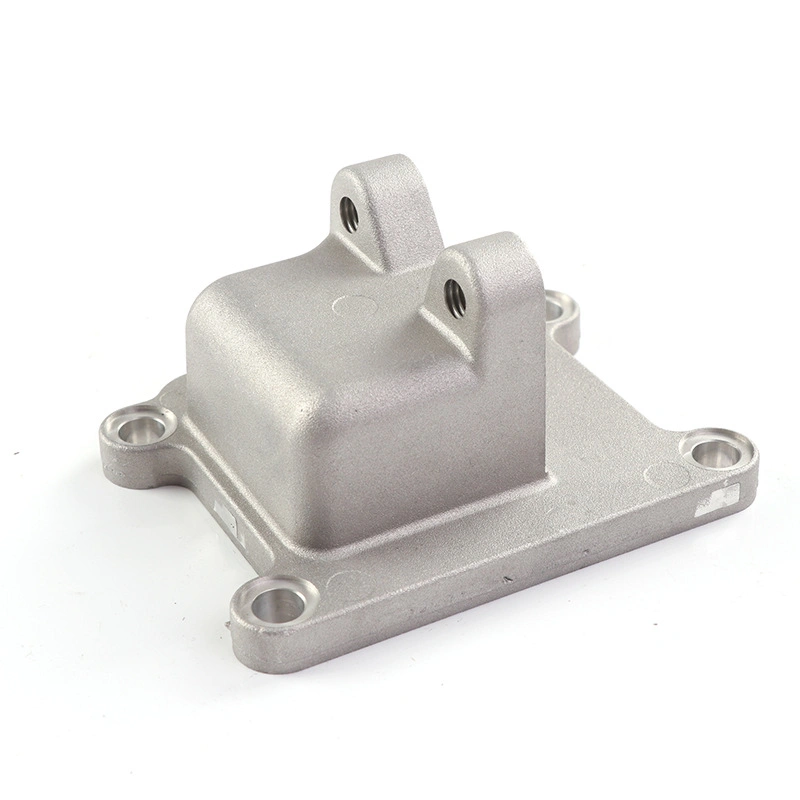
Aluminum is suitable for die casting because molten aluminum alloys can fill complex steel die cavities, solidify into near-net-shape metal parts, and support secondary machining and finishing. Aluminum die casting is often selected when the buyer needs a metal part that is lighter than many ferrous alternatives while still supporting structural, thermal, and cosmetic requirements.
The ideal fit depends on the part. Aluminum die casting is strong for thin-wall housings, heat-management features, ribs, bosses, mounting points, and repeated production. It is less ideal when the buyer needs very large castings, extremely low-volume parts without tooling investment, or internal soundness requirements that conflict with pressure die casting porosity.
Aluminum die casting advantage | Manufacturing reason | Buyer decision supported |
|---|---|---|
Lightweight metal structure | Aluminum alloys provide useful strength with lower density than steel | Choose aluminum for housings, brackets, covers, and weight-sensitive parts |
Good die fill | Die casting alloys can flow into detailed cavities under pressure | Use for ribs, bosses, thin walls, and integrated mounting features |
Thermal performance | Aluminum conducts heat better than many plastics and steels | Use for heat sinks, lighting housings, motor parts, and electronics enclosures |
Machining and finishing options | Cast surfaces can be machined, coated, painted, or treated after casting | Plan datum machining, sealing faces, threads, and visible surfaces |
Production scalability | One die can produce repeated near-net-shape parts after tooling validation | Compare tooling cost against expected production demand |
How does aluminum castability help complex die cast parts?
Aluminum castability helps because the molten alloy can fill detailed die cavities and create integrated features in one casting. Features such as ribs, bosses, mounting pads, heat fins, screw posts, and exterior textures can often be designed into the die cast part before secondary machining.
Good castability does not remove the need for DFM. Parting line, draft, ejector marks, gate location, overflow, venting, wall transitions, and machining datums still matter. A complex part can be castable but still difficult to machine, seal, finish, or inspect if those features are not planned early.
The RFQ should include 3D CAD, 2D drawings, alloy target, critical surfaces, machining stock, and cosmetic requirements. This helps the supplier judge whether the geometry is practical for die casting or whether another route is better for the first prototype stage.
Why are aluminum alloys useful for lightweight and thermal parts?
Aluminum alloys are useful for lightweight and thermal parts because they combine low weight, heat conduction, and enough mechanical performance for many housings, covers, brackets, and enclosures. This is why aluminum die castings are common in automotive, consumer electronics, energy, and lighting-related applications.
Common die casting alloy families include A380 aluminum, 383 / ADC12 aluminum, 360 aluminum, A356, and B390. Alloy selection depends on castability, strength, corrosion resistance, pressure tightness, machining, and thermal needs.
Buyers should not select an alloy only by name. The RFQ should state the functional requirement: heat dissipation, corrosion exposure, machining surface, pressure tightness, wear, coating, or structural load.
How does aluminum die casting support post-processing?
Aluminum die cast parts can support post-processing such as trimming, deburring, shot blasting, CNC machining, drilling, tapping, polishing, painting, powder coating, and selected anodizing routes. These operations turn the near-net-shape casting into a finished component with controlled datums, threads, sealing areas, and appearance.
Post-processing should be planned before tooling. Machined datums need machining stock. Threaded holes need boss design and access. Sealing surfaces need flatness and porosity review. Visible surfaces need gate and ejector planning. Surface finish requirements can affect alloy choice, tool texture, and secondary operations.
Buyers should identify which surfaces are cosmetic, which surfaces are functional, and which dimensions must be inspected after machining. This prevents over-finishing areas that do not affect product function.
What limitations should buyers know before choosing aluminum die casting?
Aluminum die casting has limitations related to tooling investment, porosity, part size, wall transitions, undercuts, machining allowance, and finishing expectations. The process is powerful for repeated production, but it may not be the best choice for every prototype or every pressure-tight component.
Porosity is an important RFQ topic. Gas entrapment and shrinkage can affect machining, sealing, anodizing, pressure tightness, and structural performance. Buyers should identify pressure-tight surfaces, leak-test needs, weld or heat-treatment expectations, and machined sealing faces before tooling.
Tooling cost is another decision point. For very low quantity or early design validation, CNC machining, 3D printing, sand casting, or gravity casting may be better. For repeated metal parts with stable geometry, aluminum die casting may become more practical.
What should buyers include in an aluminum die casting RFQ?
An aluminum die casting RFQ should include 3D CAD, 2D drawings, alloy preference, target application, annual volume, critical dimensions, machining datums, surface finish, pressure-tight requirement, cosmetic surfaces, heat-dissipation requirement, inspection method, and post-processing needs. This information helps the supplier evaluate alloy, die design, gate strategy, machining, and finishing route.
RFQ item | Why it matters | Manufacturing decision supported |
|---|---|---|
Alloy target and application | Defines castability, strength, corrosion, machining, and thermal needs | Alloy recommendation and tooling review |
Critical dimensions and datums | Shows which features need machining or inspection | CNC allowance, fixture planning, and quality control |
Surface finish requirement | Controls cosmetic, coating, and corrosion expectations | Tool texture, trimming, blasting, coating, or anodizing plan |
Pressure-tight or thermal requirement | Identifies porosity and heat-transfer risk | Gate, venting, leak test, and machining strategy |
Production volume and stage | Clarifies whether tooling investment is justified | Prototype route, die casting tooling, and production plan |
Related FAQs