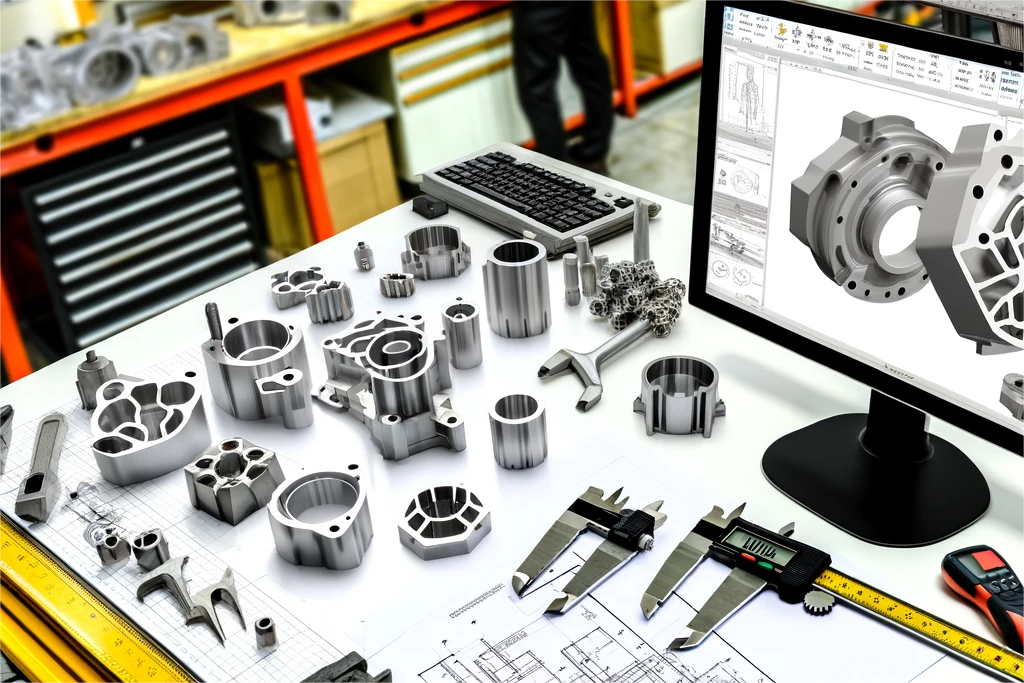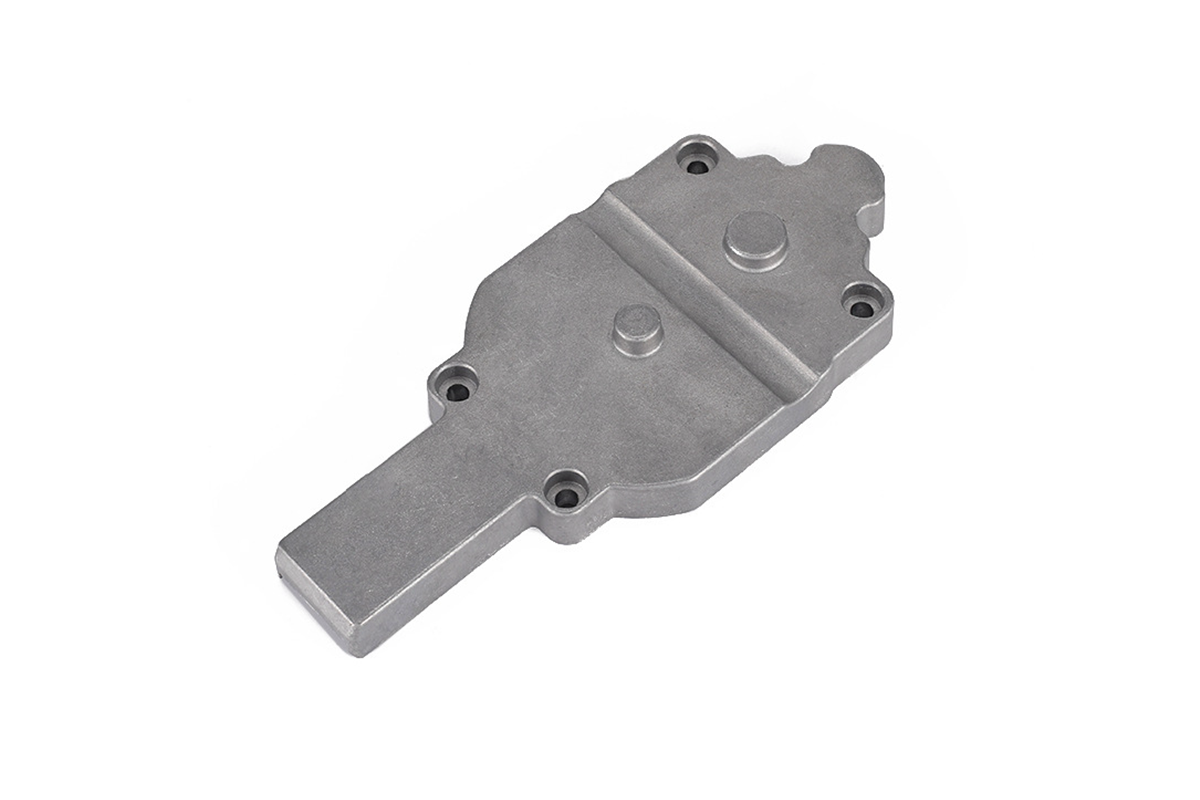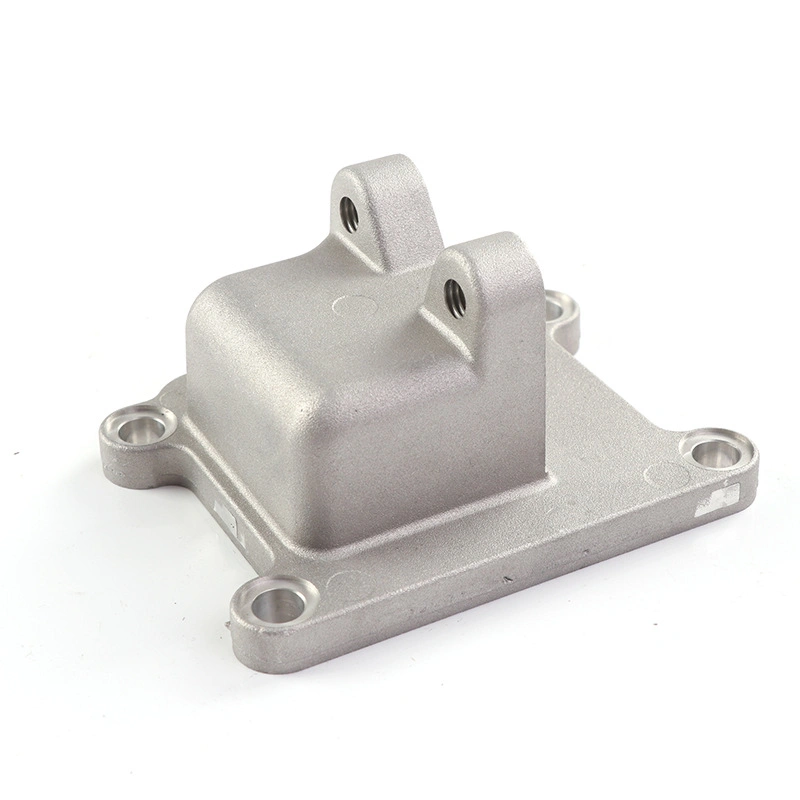
What Are the Common Surface Treatments for Aluminum Die Castings?
Which surface treatments are common for aluminum die castings?
Aluminum die castings can use anodizing, powder coating, chemical conversion coating, passivation-type pretreatment, nickel plating, chrome plating, PTFE-type coating, polishing, blasting, painting, and other surface finishing routes. Surface treatment selection for aluminum die castings should be based on corrosion exposure, wear risk, cosmetic class, electrical requirements, coating thickness, masking, and final inspection method.
The practical RFQ problem is choosing a surface treatment that fits the aluminum alloy, casting porosity, part geometry, machined surfaces, threaded holes, sealing faces, assembly interfaces, and buyer acceptance criteria. A coating can improve corrosion resistance or appearance, but the casting design, pretreatment, and inspection plan still control whether the finish is suitable.
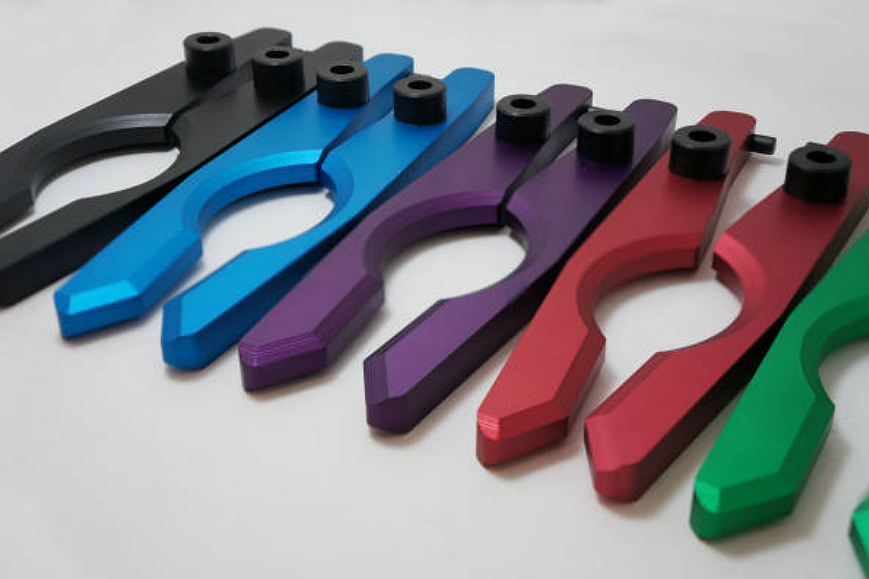
When is anodizing used on aluminum die castings?
Anodizing creates an aluminum oxide layer that can support corrosion resistance, color control, surface appearance, and wear behavior. Anodizing is often considered for aluminum components where the alloy, casting quality, and surface condition can support the desired appearance and performance.
Die cast aluminum may respond differently from wrought aluminum because silicon content, porosity, alloy chemistry, and casting surface condition can affect color uniformity and coating appearance. Buyers should confirm alloy grade, cosmetic class, color target, sealing requirement, surface roughness, and whether machined areas or as-cast areas will be anodized.
When is powder coating used on aluminum die cast parts?
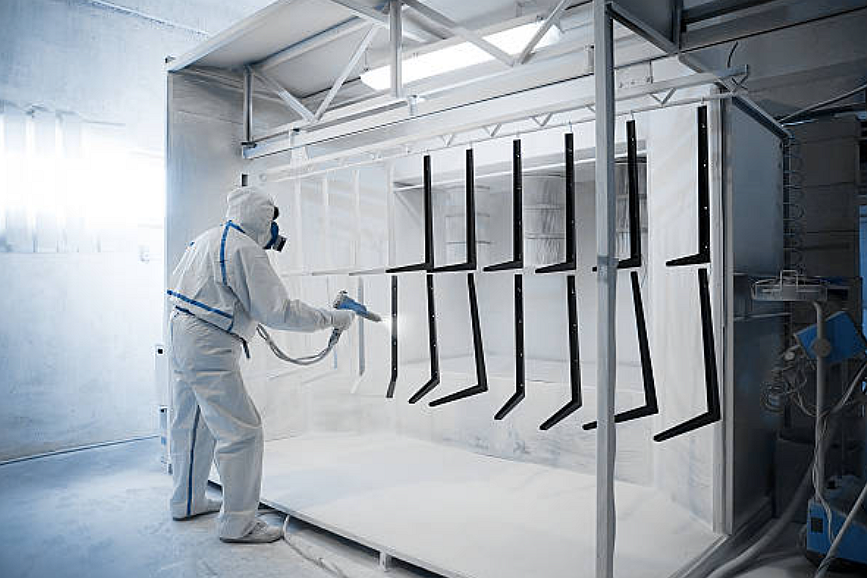
Powder coating is often used when aluminum die cast parts need durable color, thicker coating coverage, outdoor corrosion resistance, or consistent cosmetic appearance. Powder coating can cover minor surface variation better than some thin finishing routes, but pretreatment, cleaning, masking, and curing conditions still matter.
The RFQ should identify color, gloss, texture, coating thickness, masking areas, threaded holes, grounding points, sealing faces, and cosmetic acceptance standard. If coating thickness affects fit, the drawing should define whether dimensions are measured before coating or after coating.
When are conversion coatings used for aluminum die castings?
Chemical conversion coatings, including chromate or non-chromate conversion treatments, are often reviewed when the part needs corrosion resistance, paint adhesion, electrical conductivity, or a controlled pretreatment before painting or powder coating. The buyer should specify any environmental or buyer-specific restrictions on the chemistry.
Conversion coating requirements should identify coating type, color if relevant, conductivity needs, salt-spray or corrosion test requirement if specified by the buyer, and whether the surface will be painted afterward. Masking may be needed for threads, electrical contact points, or precision machined surfaces.
When are nickel plating, chrome plating, or PTFE-type coatings used?
Nickel plating and chrome plating may be considered for wear resistance, corrosion resistance, decorative appearance, or controlled surface hardness when the aluminum casting and pretreatment can support plating adhesion. PTFE-type coatings may be reviewed for lower friction, non-stick behavior, or chemical exposure requirements subject to the buyer specification.
These finishes need more careful review than a simple cosmetic coating. Casting porosity, surface cleanliness, pretreatment, coating thickness, edge build-up, hydrogen-related process concerns, and post-plating inspection can affect whether the coating is acceptable. Buyers should define functional surfaces and acceptance criteria before quotation.
How do casting defects affect surface treatment quality?
Surface treatment quality is limited by the casting surface underneath the coating. Porosity, shrinkage, cold shuts, flash, parting-line mismatch, scratches, machining marks, die soldering, and residual release agent can appear through the finish or cause coating adhesion problems.
Surface treatment planning should start during die casting design. Gate location, parting line, ejection marks, machining stock, deburring, blasting, polishing, cleaning, and pretreatment can all change the final cosmetic result. For highly visible surfaces, the buyer should mark Class A surfaces or cosmetic zones on the drawing.
What inspection evidence supports aluminum die casting surface finishes?
Inspection evidence may include coating thickness measurement, visual inspection standard, color sample approval, gloss measurement, adhesion test, surface roughness report, corrosion test report if required by the buyer, dimensional inspection after coating, and masking verification. The exact evidence should match the part function and finish type.
Functional surfaces need special attention. Sealing faces, bearing seats, threaded holes, electrical contact areas, sliding surfaces, and assembly datums may need masking, post-coating machining, or after-finish inspection. If a regulated or safety-critical application is involved, buyer acceptance criteria and final validation responsibility should be defined before quotation.
Surface Treatment | Typical Buyer Requirement | Manufacturing Risk to Check | RFQ Information Needed |
Anodizing | Color, corrosion resistance, wear behavior, or aluminum oxide surface appearance | Color variation, alloy response, casting porosity, surface marks, and sealing quality | Alloy, color target, cosmetic class, surface roughness, and machined/as-cast surface notes |
Powder coating | Durable color, thicker coating coverage, outdoor appearance, or corrosion protection | Coating thickness, masking, edge build-up, curing distortion, and adhesion problems | Color, gloss, texture, thickness, masking areas, and final dimensional condition |
Conversion coating | Corrosion resistance, conductivity, pretreatment, or paint adhesion | Chemistry restrictions, uneven film, masked contact areas, and corrosion-test mismatch | Coating type, conductivity requirement, test requirement, and environmental restrictions |
Nickel or chrome plating | Wear resistance, decorative finish, corrosion behavior, or controlled surface hardness | Porosity, plating adhesion, edge build-up, dimensional change, and surface preparation | Plating type, thickness, functional surfaces, masking, adhesion test, and inspection method |
PTFE-type coating | Lower friction, non-stick behavior, or chemical exposure support | Adhesion, coating thickness, edge coverage, temperature exposure, and wear limits | Coating specification, operating environment, wear area, masking, and acceptance criteria |
What should buyers include in a surface treatment RFQ?
A useful RFQ should include the casting alloy, 2D drawing, 3D model, surface treatment type, color or appearance target, coating thickness, cosmetic class, functional surfaces, masking areas, threads, sealing faces, machined datums, corrosion exposure, wear requirement, assembly interface, and inspection method.
Buyers should also state whether dimensions apply before finishing or after finishing. That single note can prevent fit problems when anodizing, powder coating, plating, or PTFE-type coating adds thickness to a functional surface.
Related FAQs