Zinc Die Casting Products for Consumer Electronics, Locks, and Automotive Parts
Zinc Die Casting Products RFQ Decision: This article explains how buyers can evaluate zinc die casting products for consumer electronics, locking systems, automotive parts, lighting components, and power tool hardware. The manufacturing route includes zinc alloy selection, die design, high-pressure die casting, trimming, secondary machining, surface finishing, inspection, and production validation. The part types include electronics frames, connector housings, lock bodies, latches, automotive brackets, lighting hardware, power tool housings, decorative covers, handles, and small precision metal products. The practical RFQ problem is deciding whether zinc die casting fits the product function, surface finish, assembly interface, inspection requirement, and production volume before tooling.
Zinc die casting products should be evaluated by application requirements, not by industry name alone. A consumer electronics frame may need cosmetic surface and plating review. A lock component may need wear and fit control. An automotive bracket may need load-related buyer validation. A power tool housing may need impact, finish, and assembly checks.
Why Is Zinc Die Casting Used For Industrial Products?
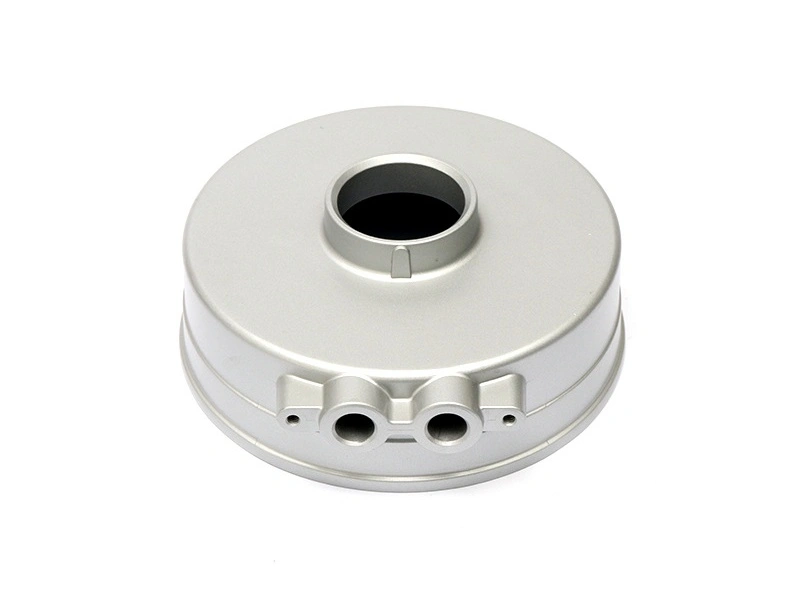
Zinc die casting is used for industrial products when the part needs detailed metal geometry, repeatable production, surface finishing options, and stable assembly features. Zinc alloys can form thin sections, bosses, ribs, lettering, decorative details, and integrated mounting features when die design and process control are planned correctly.
The engineering reason is that zinc die casting combines alloy flow, steel tooling, pressure filling, trimming, and secondary operations into one production route. The RFQ should define the product function, alloy preference, cosmetic surfaces, critical dimensions, machined areas, and inspection evidence before the supplier quotes tooling.
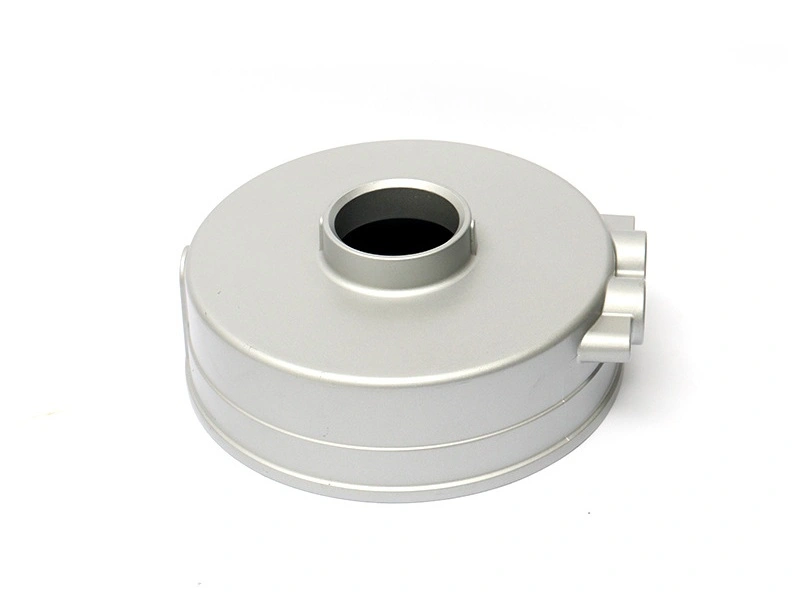
Which Zinc Die Casting Products Fit Consumer Electronics?
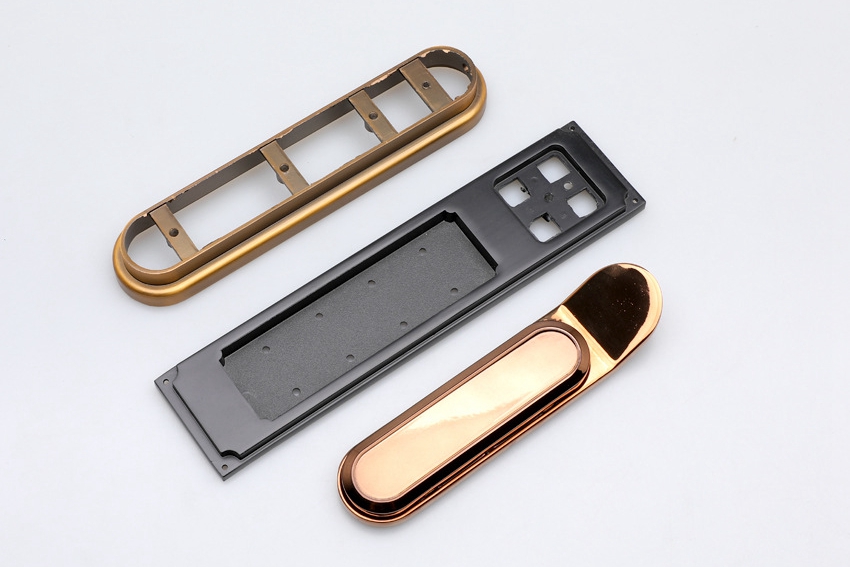
Consumer electronics zinc die casting products often include frames, connector housings, decorative covers, shielding-related metal parts, hinge hardware, handles, and compact structural components. These products usually combine appearance, assembly fit, and repeatability requirements.
The RFQ should identify visible surfaces, color or plating requirements, connector interfaces, screw bosses, snap features, thin walls, and dimensional inspection needs. The buyer should also state whether the part must interact with plastic housings, fasteners, cables, seals, or other assemblies.
Which Zinc Die Casting Products Fit Locking Systems?
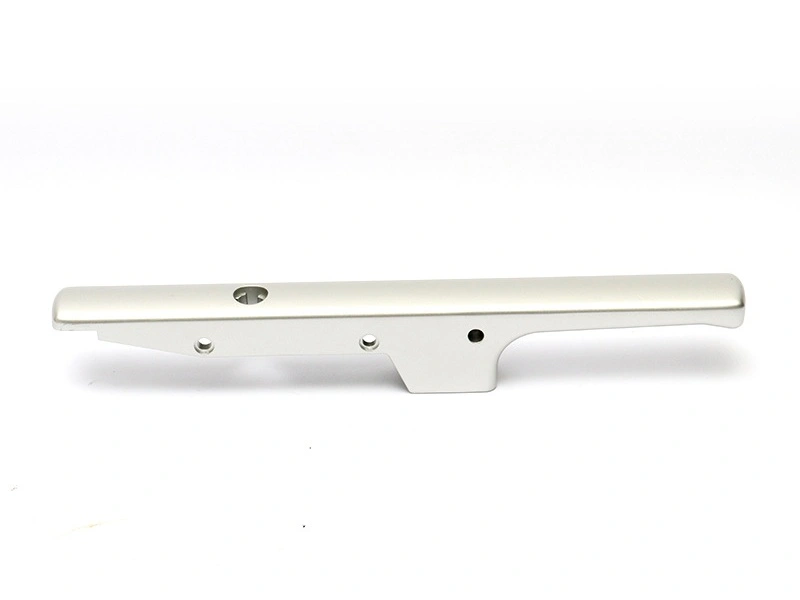
Locking system zinc die casting products can include lock bodies, latch parts, cylinders, handles, internal brackets, escutcheons, and cover components. Zinc alloys may be considered when the part needs detailed geometry, good surface finishing, and repeatable assembly fit.
The RFQ should define wear surfaces, moving interfaces, key assembly areas, plating needs, fastener locations, and inspection methods. Buyer-owned durability, security, and product qualification tests should be stated separately from supplier dimensional or visual inspection.
Which Zinc Die Casting Products Fit Automotive, Lighting, And Power Tools?
Automotive, lighting, and power tool zinc die casting products may include brackets, small housings, frames, bezels, handles, knobs, connector hardware, and structural or decorative metal parts. These applications often need a balance of finish, assembly fit, and functional validation.
The buyer should state load conditions, heat exposure, corrosion exposure, vibration-related requirements, surface finish, and assembly interfaces. If the product is safety-related or regulated, the buyer should define the qualification and documentation requirements before manufacturing approval.
Zinc Die Casting Product Area | Common Part Type | Buyer Requirement To Define | Inspection Evidence To Request |
|---|---|---|---|
Consumer electronics | Frame, connector housing, decorative cover, hinge hardware | Cosmetic surface, plating, assembly fit, and interface geometry | Visual standard, dimensional report, and finish sample |
Locking system | Lock body, latch, handle, escutcheon, internal bracket | Wear surface, movement, fastening, and finish requirement | Gauge check, dimensional report, and surface finish review |
Automotive part | Bracket, connector hardware, small housing, trim component | Assembly interface, load condition, corrosion exposure, and validation plan | CMM report, material documentation, and buyer-defined test record |
Lighting or power tool | Frame, bezel, knob, handle, tool housing, mounting feature | Heat exposure, impact, wear, surface finish, and packaging requirement | Visual inspection, assembly check, and machined feature inspection |
How Should Surface Finishes Be Selected For Zinc Die Casting Products?
Surface finish should be selected according to appearance, corrosion exposure, wear, and assembly needs. Zinc die casting products may require polishing, plating, painting, powder coating, blasting, clear coating, or other finishing routes depending on the product function.
The RFQ should define visible surfaces, texture, color, coating thickness requirement if applicable, corrosion environment, handling surfaces, and sample approval method. The buyer should also identify areas where finish buildup may affect assembly fit or moving features.
How Should Zinc Die Casting Products Be Designed For Production?
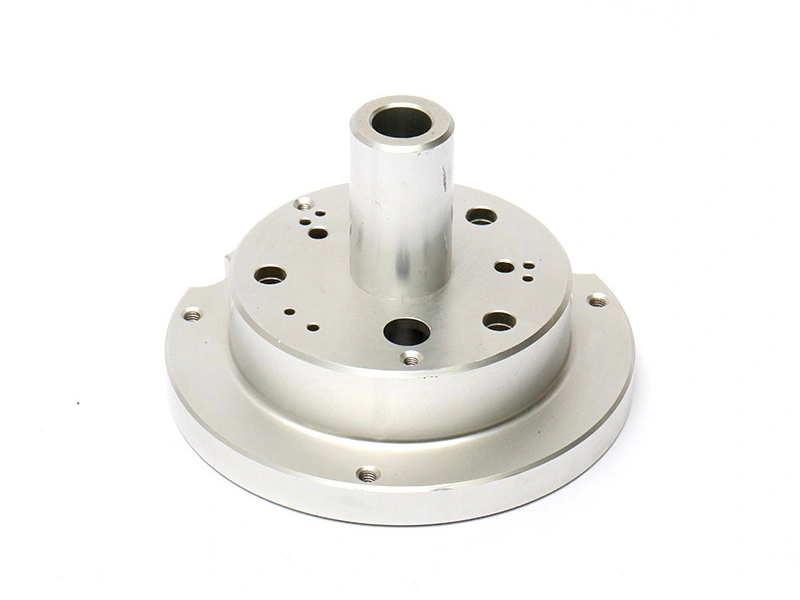
Zinc die casting product design should review wall thickness, ribs, bosses, holes, draft, undercuts, parting line, gate location, ejector marks, trim edges, and machining allowance. These features affect die fill, flash, porosity, surface appearance, and assembly repeatability.
Buyers should mark cosmetic zones, functional datums, machined features, threaded holes, sealing areas, and mating interfaces on the drawing. This helps the supplier quote tooling, casting, trimming, machining, finishing, and inspection as one connected production route.
RFQ Topic | Zinc Die Casting Entity | Manufacturing Risk | Buyer Decision Supported |
|---|---|---|---|
Application function | Electronics frame, lock body, automotive bracket, lighting part, tool housing | Wrong alloy, finish, or inspection scope for the product use | Whether zinc die casting fits the product requirement |
Visible surface | Gate mark, parting line, ejector mark, plating zone, painted zone | Appearance defect or finish mismatch | Whether finishing and tooling layout need adjustment |
Assembly interface | Boss, bore, thread, latch, hinge, connector interface, datum | Fit variation or machined feature issue | Whether secondary machining or gauge inspection is needed |
Production volume | Tooling, cavity count, trimming, finishing, packaging, inspection plan | Quote does not match production stage | Whether the project should use prototype, bridge, or production tooling |
What Should Buyers Include In A Zinc Die Casting Product RFQ?
A complete zinc die casting product RFQ should include CAD files, 2D drawings, application area, product function, zinc alloy preference, expected volume, cosmetic surfaces, critical dimensions, wall thickness concerns, surface finish, machining requirements, inspection records, mating parts, packaging needs, and buyer validation tests.
Important decisions should be stated directly. If the product is a consumer electronics frame, define the visible surfaces and plating needs. If the product is a lock component, define moving features and wear surfaces. If the product is an automotive bracket, define load and assembly interfaces. If the buyer wants to compare zinc with aluminum die casting, provide the same finish and tolerance requirements for both routes.
Related FAQs