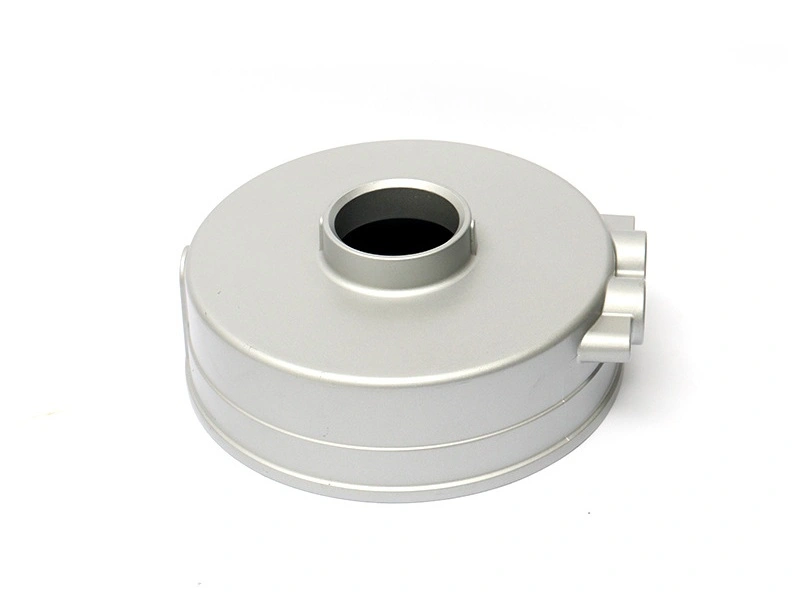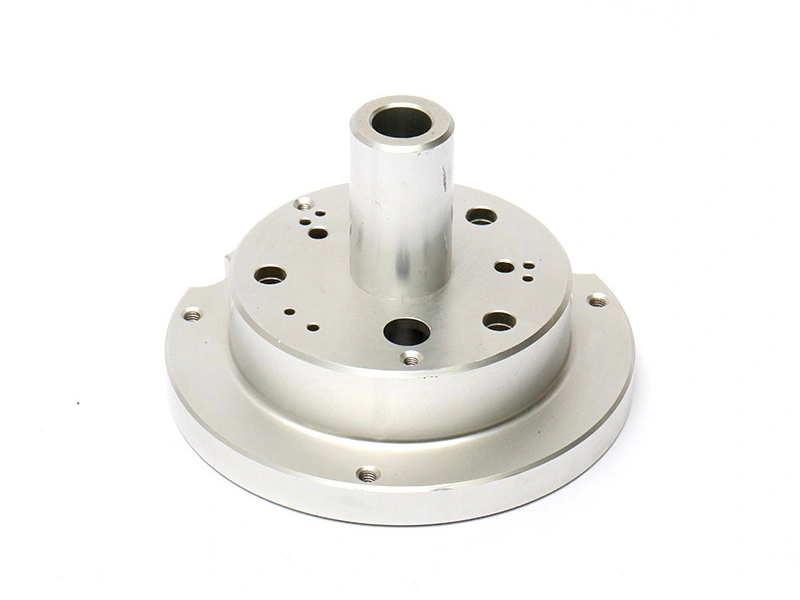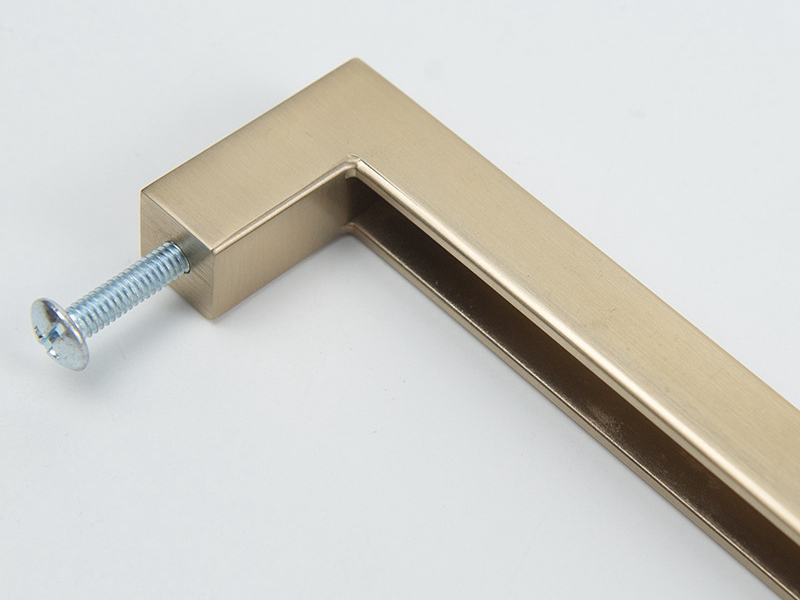
Custom Zinc Die Casting Parts for Industrial Applications
Custom Zinc Die Casting RFQ Decision: This article explains how buyers can evaluate custom zinc die casting parts for industrial applications made through die design, zinc alloy selection, high-pressure die casting, trimming, secondary machining, surface finishing, inspection, and production validation. The part types include zinc alloy housings, brackets, lock parts, connector components, frames, decorative hardware, small gears, latches, and precision metal components. The practical RFQ problem is deciding whether zinc die casting fits the part geometry, alloy choice, thin-wall requirement, surface finish, machining plan, inspection method, and production stage before tooling approval.
Custom zinc die casting is useful when the buyer needs small or medium-size metal parts with detailed geometry, good surface potential, and repeatable production. Buyers should still define alloy grade, wall thickness, critical features, secondary operations, and inspection records because the die casting route can affect porosity, flash, trim lines, gate marks, and post-machining risk.
Why Choose Zinc Die Casting For Custom Parts?
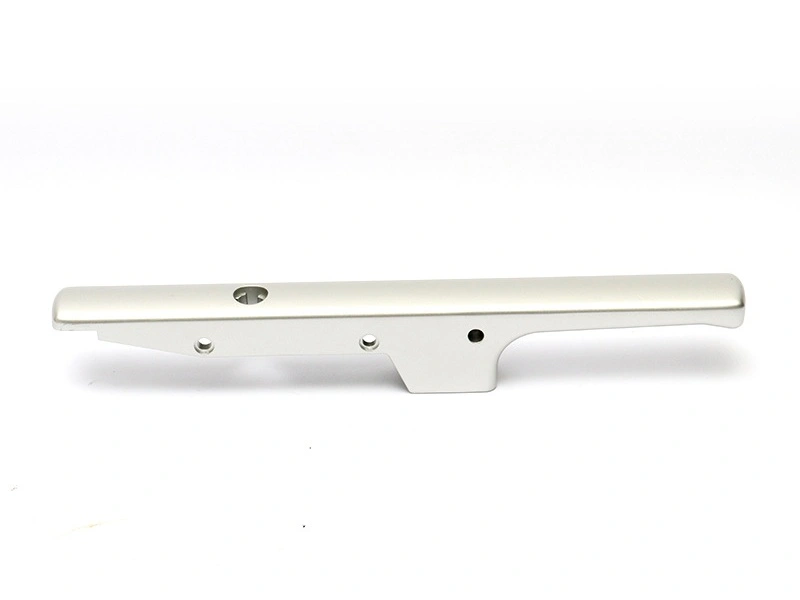
Buyers choose zinc die casting when the part needs complex metal geometry, repeatable production, fine external features, and surface finishing options. Zinc die casting can be relevant for lock components, connector housings, small brackets, decorative hardware, consumer product metal parts, electronics frames, and industrial mechanisms.
The engineering reason is that zinc alloys can fill detailed die cavities and support thin-wall or intricate shapes when tool design, gate location, draft, ejection, and process control are planned correctly. Zinc die casting can also support secondary machining and surface finishing when selected features need tighter control or improved appearance.
The RFQ implication is direct: buyers should identify which features must be cast, which features must be machined, which surfaces are visible, and which dimensions affect assembly. A die casting quote should not be based only on a 3D model without alloy, finish, inspection, and production-stage information.
Which Zinc Die Casting Parts Fit Industrial Applications?
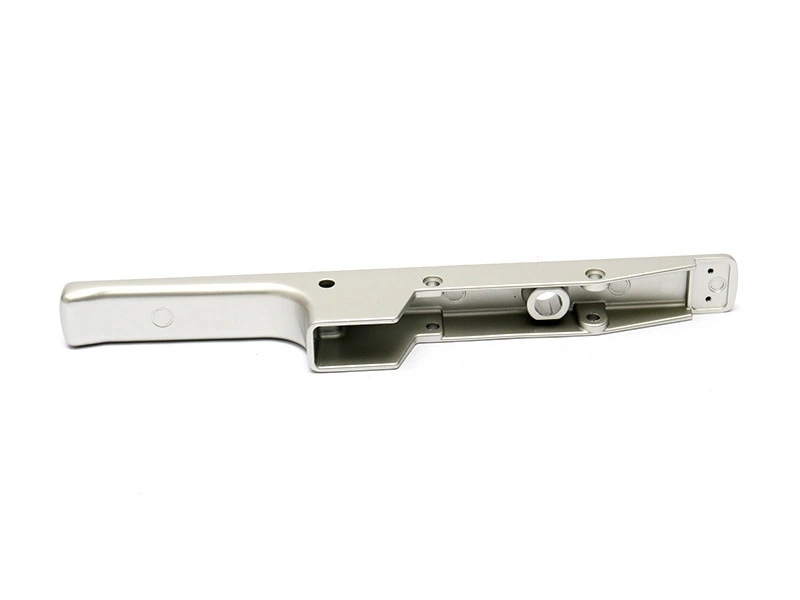
Zinc die casting parts fit industrial applications when the part is compact, detailed, and needs metal strength or surface quality that plastic molding cannot provide. Typical candidates include enclosures, brackets, latch parts, lock housings, connector bodies, knobs, handles, gear-like features, frames, and mounting hardware.
The buyer should define the part's operating role. A lock part may need wear surfaces and fit control. A connector body may need accurate mating geometry and plating. A decorative metal cover may need surface finish and color stability. A structural bracket may need load-related validation owned by the buyer. The application name should lead to engineering requirements, not replace them.
Which Zinc Alloy Should Buyers Specify?
Zinc alloy selection should follow the part function. Zamak 3 is often reviewed for general zinc die casting. Zamak 5 may be reviewed when higher strength or wear behavior is required. Zamak 7 may be reviewed when casting behavior and surface quality are important. ZA alloys may be reviewed when different strength or bearing-related behavior is needed.
The buyer should define load, wear, corrosion exposure, surface finishing, plating needs, dimensional stability, and assembly requirements before selecting an alloy. If the buyer is unsure whether Zamak, ZA alloy, AcuZinc, or another zinc alloy fits the part, the RFQ should request material comparison rather than naming a grade without context.
Zinc Die Casting Decision | Manufacturing Entity To Define | RFQ Detail To Provide | Buyer Risk Reduced |
|---|---|---|---|
Alloy selection | Zamak 3, Zamak 5, Zamak 7, ZA alloy, AcuZinc | Load, wear, corrosion exposure, finish, and assembly role | Material choice matches the functional requirement |
Thin-wall geometry | Wall section, rib, boss, gate, draft, ejection | Minimum wall zones, cosmetic surfaces, and critical features | Tooling review identifies fill, shrinkage, and ejection risks |
Machined feature | Thread, bore, datum, sealing face, bearing seat | Drawing tolerance, machining allowance, and inspection method | Post-casting machining is quoted where casting alone is not enough |
Surface finish | As-cast, polished, plated, painted, coated, blasted | Visible surfaces, corrosion need, color, texture, and finish sample | Appearance and corrosion requirements are reviewed before production |
Which Design Features Affect Zinc Die Casting Quality?
Design features that affect zinc die casting quality include wall thickness, ribs, bosses, holes, undercuts, draft angles, parting line, gate position, ejector marks, trim edges, and cosmetic surfaces. Buyers should review these features before tooling because die modifications after sampling can be costly and time-consuming.
Common manufacturing risks include porosity, flash, shrinkage, cold shuts, visible gate marks, ejection marks, and machining exposure of internal porosity. The RFQ should identify critical dimensions, cosmetic zones, machining areas, and assembly features so tool design and inspection planning focus on the actual risk.
How Should Buyers Plan From Prototype To Mass Production?
Prototype planning should clarify whether the buyer needs a visual model, CNC prototype, soft-tool sample, die casting sample, or production-intent validation part. Zinc die casting tooling is usually a production-route decision, so early design validation should confirm geometry, alloy, finish, and functional requirements before hard tooling commitment.
For mass production, the RFQ should state expected volume range, sampling plan, approval criteria, inspection records, packaging, and any buyer-owned tests. Production stability depends on die condition, process parameters, alloy control, trim consistency, secondary machining, and surface finishing control.
Production Stage | Buyer Question | Evidence To Request | Manufacturing Decision |
|---|---|---|---|
Design review | Can the zinc die casting geometry be tooled and ejected? | DFM feedback, parting line review, draft review, and gate discussion | Whether design changes are needed before tooling |
Prototype or sample | Does the part fit, assemble, and finish correctly? | Sample inspection, assembly check, and finish review | Whether tooling or process adjustments are needed |
Production validation | Can casting, machining, finishing, and inspection repeat? | Dimensional report, visual standard, and defect response notes | Whether the part is ready for stable production planning |
What Secondary Machining And Surface Finishing Should Be Quoted?
Secondary machining should be quoted for threads, bores, datums, sealing areas, bearing seats, or assembly features that need more control than as-cast geometry. Common operations can include drilling, tapping, milling, reaming, deburring, trimming, and fixture-based inspection.
Surface finishing should be matched to function and appearance. Zinc die cast parts may require polishing, plating, painting, powder coating, blasting, passivation-like surface preparation where applicable, or corrosion-related finishing. Buyers should define visible surfaces, finish samples, corrosion exposure, and color or texture requirements.
What Should Buyers Include In A Custom Zinc Die Casting RFQ?
A complete RFQ should include CAD files, 2D drawings, zinc alloy preference, part function, production stage, expected volume, critical dimensions, wall thickness concerns, cosmetic surfaces, machining requirements, surface finish, inspection records, mating parts, packaging, and buyer validation tests.
Important decisions should be stated directly. If a thin wall must be cast, identify the wall zone. If a threaded hole must be machined, mark the feature and tolerance. If plating is required, define the visible surfaces and corrosion expectation. If the buyer is comparing zinc die casting with aluminum die casting or CNC machining, provide the same part function, tolerance map, and finish requirements for each route.
Related FAQs