Can zinc die casting be used for prototype parts?
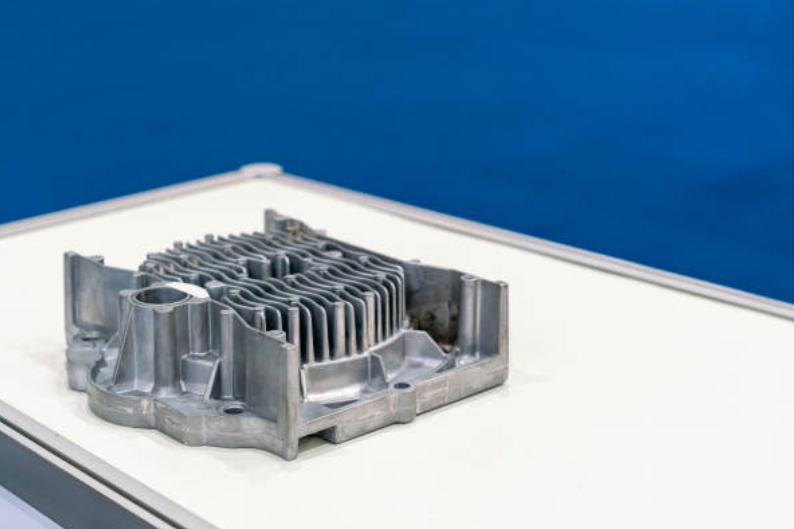
Zinc die casting can be used for prototype parts when the buyer needs to validate cast geometry, zinc alloy behavior, surface finish, assembly fit, or pre-production manufacturing risk before mass production. The practical RFQ problem is to choose the right prototype route, such as CNC machining, 3D printing, rapid tooling, or production tooling, based on what the zinc die cast prototype must prove.
Can zinc die casting be used for prototype parts?
Yes, zinc die casting can be used for prototype parts, but the route depends on the development stage. Early prototypes may use CNC machining prototyping or 3D printing prototyping to check form, fit, and assembly. Later prototypes may use rapid tooling or production tooling when the buyer needs real die casting behavior.
A prototype zinc die cast part should not be requested only as a physical sample. The buyer should define whether the sample must validate dimensions, function, appearance, plating, assembly, mold filling, defect risk, or pre-production process control. Each validation goal points to a different prototype route.
Prototype Route | Main Validation Purpose | Buyer Decision to Confirm |
|---|---|---|
3D printing prototype | Check shape, ergonomics, packaging space, and early assembly concept | Whether material behavior and surface finish can wait until a later stage |
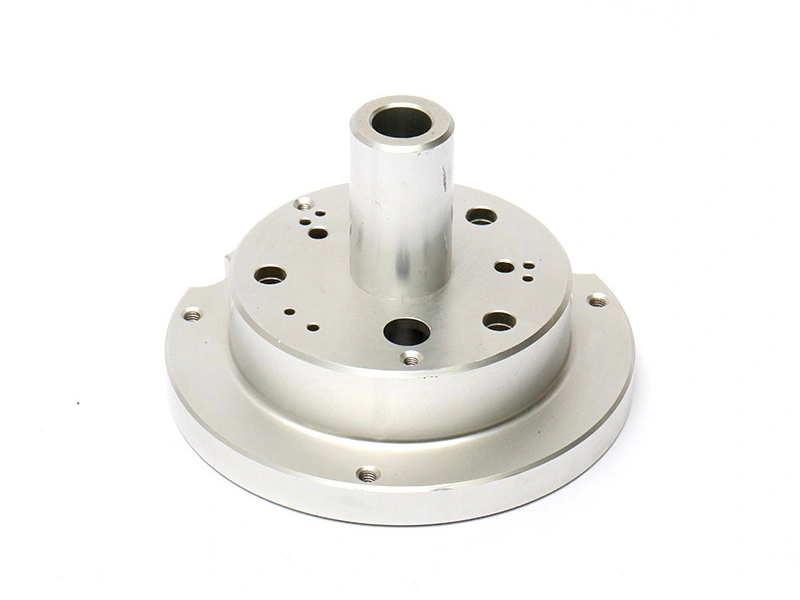
CNC machined prototype | Check dimensions, fit, function, and machined surfaces before tooling | Whether CNC material and geometry are close enough for the test goal |
Rapid tooling sample | Review die casting geometry, filling, defects, and near-production features | Whether the prototype must show casting behavior before full tooling approval |
Production tooling sample | Validate first article parts, final process, finishing, and inspection scope | Whether the design is stable enough to commit to production tooling |
When should buyers use CNC or 3D printing before zinc die casting?
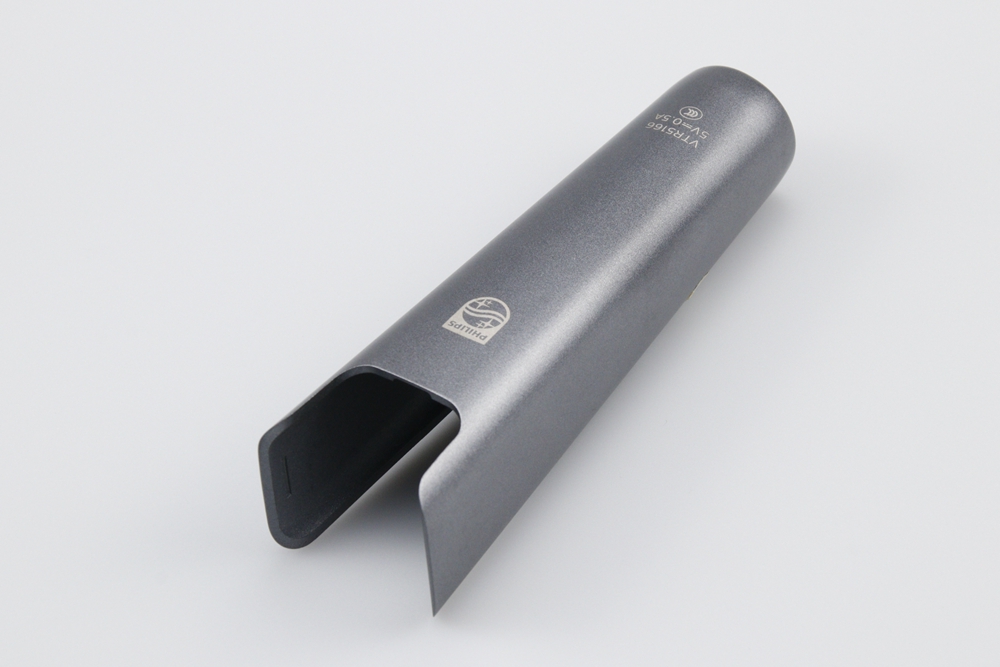
Buyers should use CNC or 3D printing before zinc die casting when the design is still changing. 3D printing is useful for checking shape, clearance, ergonomics, and assembly space. CNC machining is useful when the prototype needs metal behavior, machined datums, threaded holes, or closer dimensional evaluation.
These prototype routes do not fully represent die casting behavior. CNC machining does not validate gates, vents, parting lines, ejector marks, shrinkage, or die casting surface texture. 3D printing may not represent zinc alloy strength, weight, finish, or dimensional behavior. Buyers should treat these samples as development tools, not as proof that production die casting is complete.
For broader prototype planning, see metal parts prototype manufacturing by CNC machining, 3D printing, casting, or rapid tooling.
When does rapid tooling or production tooling make sense?
Rapid tooling or production tooling makes sense when the buyer needs to validate die casting-specific behavior. This includes filling thin walls, reproducing small details, reviewing flash and parting line location, checking surface finish, confirming trimming, and testing downstream plating, painting, machining, or assembly.
Production tooling should usually wait until the design is stable because tooling changes can affect cost and schedule. If the part has unresolved wall thickness, draft, boss geometry, undercuts, finish requirements, or assembly interfaces, Neway should review those issues before the buyer commits to formal tooling.
Related zinc die casting design topics include thin-wall and complex custom zinc die casting parts and important design features for zinc die casting components.
What should a zinc die cast prototype validate?
A zinc die cast prototype should validate the buyer's real project risk. Common validation targets include part fit, functional load, cosmetic appearance, plating quality, coating behavior, assembly sequence, threaded features, critical dimensions, and defect-sensitive zones.
If the prototype is only for visual review, a non-die-cast route may be enough. If the prototype must validate die casting defects, surface finish, plating response, or mass production inspection, the prototype should be planned closer to the production route.
Prototype Validation Target | Why It Matters for Zinc Die Casting | RFQ Information to Provide |
|---|---|---|
Assembly fit | Checks mating parts, screw bosses, clips, hinges, and connector openings | Assembly drawing, mating part data, and functional fit criteria |
Critical dimensions | Identifies features that may need machining or CMM inspection | 2D drawing, datum structure, tolerance notes, and inspection method |
Surface finish | Checks polishing, plating, painting, coating, and visible surface quality | Finish type, cosmetic zones, color, plating requirement, and visual standard |
Die casting defects | Reviews flash, porosity, cold shut, sink, ejection marks, and filling behavior | Defect limits, high-risk zones, and acceptance criteria |
Production release | Confirms first article inspection, packaging, and repeat production control | FAI needs, sampling plan, packaging method, and annual demand |
How do material, finish, and inspection affect prototype planning?
Material, finish, and inspection requirements determine whether the prototype must be close to production. If the buyer needs to evaluate zinc alloy behavior, Zamak selection, plating response, surface defects, or production inspection, the prototype should not rely only on a plastic printed sample or a simplified machined substitute.
Surface finish can be a prototype risk. A zinc die cast prototype for a visible part may need polishing, electroplating, painting, powder coating, or other finish trials. Inspection can also be a prototype risk when critical dimensions, thread checks, CMM reports, functional gauges, or cosmetic sorting are required.
For related decisions, see which zinc alloy fits custom zinc die casting parts, surface finishes available for zinc die cast parts, and inspection before zinc die cast component shipment.
What RFQ details help Neway choose the prototype route?
Neway can recommend a prototype route more accurately when the RFQ includes 3D CAD, 2D drawing, part application, prototype purpose, required material, finish requirement, critical dimensions, assembly test, defect criteria, sample quantity, future annual volume, and target production plan.
The buyer should state what decision the prototype must support. If the decision is only visual approval, the prototype route can be different from production. If the decision is tooling approval, surface finish validation, or first article release, the prototype route should be close to the final zinc die casting process.
For quotation preparation and cost context, see what buyers should provide for a custom zinc die casting quote and zinc die casting cost considerations for custom metal parts.
Related FAQs