Maximizing Output: High-Efficiency Custom Zamak Die Casting for Industrial Scale
Industrial-Scale Zamak Die Casting RFQ Decision: This article explains how buyers can evaluate custom Zamak die casting for industrial-scale zinc alloy parts such as small housings, covers, brackets, connectors, lock hardware, appliance components, and precision mechanical parts. The practical RFQ problem is deciding whether zinc die casting can support repeat production output while controlling tooling scope, Zamak grade, dimensional requirements, cosmetic finish, secondary operations, and inspection criteria.
High efficiency in zinc die casting should be measured through manufacturability and production control, not through a generic promise of speed. Buyers should define annual demand, part geometry, required Zamak alloy, tool life expectations, cavity strategy, critical tolerances, surface finish, assembly requirements, and inspection records before comparing suppliers.
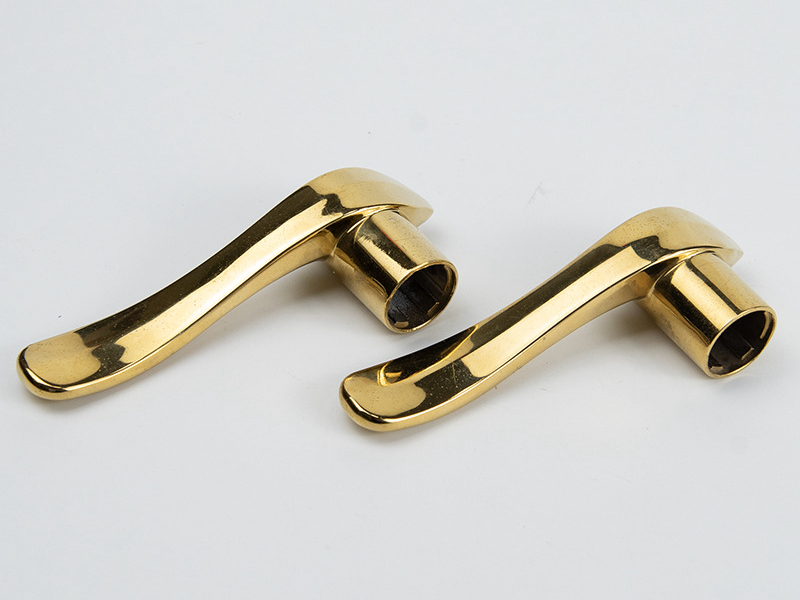
When Does Zamak Die Casting Fit Industrial-Scale Output?
Zamak die casting can fit industrial-scale output when the part geometry, alloy, tooling budget, and expected demand support repeat production in a dedicated die. The process is often considered for zinc alloy parts with fine detail, thin sections, integrated bosses, small functional features, and finished exterior surfaces.
The engineering reason is that zinc alloys can fill detailed die cavities when die design, melt control, machine settings, venting, and ejection are controlled. The buyer still needs to confirm whether the part has suitable draft, wall thickness, rib design, gate location, ejector mark allowance, and machining needs. A part that looks simple in a 3D model can become slow or costly if it creates die wear, ejection problems, or high cosmetic reject risk.
The RFQ implication is that buyers should provide demand forecast, expected production stages, drawing status, finish requirements, and quality documentation needs. A supplier can then judge whether a single-cavity die, multi-cavity die, family die, or staged tooling plan fits the production goal.
Which Zamak Alloy Grades Affect Throughput And Part Risk?
Material grade affects fill behavior, strength, dimensional stability, finish, and cost. Zinc alloy die casting includes several Zamak and ZA choices, and each grade should be selected from the part requirement rather than from a broad material label.
Zamak 3 is commonly reviewed for general zinc die cast parts where castability and dimensional behavior are important. Zamak 5 may be considered when higher strength or wear behavior is part of the requirement. Zamak 7 may be reviewed where casting fluidity and surface requirements are important, while ZA-8 may be compared for applications needing different strength or temperature behavior.
The buyer should specify grade, standard, mechanical requirements if applicable, corrosion exposure, plating or coating requirement, and any restricted substances or customer material rules. Without these details, the supplier may quote a material route that does not match the final assembly or finish expectation.
Zamak Die Casting Entity | Buyer Question | RFQ Detail To Define | Production Implication |
|---|---|---|---|
Annual demand | How much repeat output is required? | Forecast, release pattern, pilot quantity, ramp plan | Demand affects die layout, cavity count, and automation review |
Zamak alloy grade | Which alloy fits strength, finish, and cost needs? | Zamak 3, Zamak 5, Zamak 7, ZA-8, or buyer standard | Alloy choice affects casting behavior and secondary operations |
Die cavity strategy | Should tooling prioritize output or flexibility? | Part family, order mix, design maturity, expected revisions | Multi-cavity tooling may improve output but increases tooling commitment |
Cosmetic surface | Which faces must meet appearance requirements? | Visible zones, ejector mark allowance, plating or coating need | Cosmetic standards can limit gate, vent, and ejection choices |
Inspection method | How will production quality be confirmed? | Dimensional report, visual criteria, functional check, sampling plan | Inspection workload must fit the production output goal |
How Do Die Design And Part Geometry Control Output?
Die design and part geometry control output because they determine fill stability, cooling behavior, ejection reliability, trimming, and downstream handling. Good Zamak die casting candidates usually have realistic draft, balanced wall sections, accessible features, controlled ribs, clear parting line decisions, and enough allowance for gates and ejector marks.
Industrial output can suffer when the part has deep undercuts, very thin isolated walls, heavy bosses, long unsupported ribs, fragile pins, strict cosmetic zones around gate locations, or late design changes. These features may require slides, inserts, added machining, special handling, or design revisions. The quote should identify these risks before tooling is approved.
Buyers should ask the supplier to review gate location, parting line, ejector marks, venting, trim areas, and critical dimensions. That review connects product design to production throughput and avoids treating efficiency as only a machine-speed question.
Which Secondary Operations Can Limit High-Efficiency Zamak Production?
Secondary operations often decide whether Zamak die casting remains efficient at industrial scale. Trimming, deburring, drilling, tapping, CNC machining, polishing, plating, painting, powder coating, assembly, and inspection can create bottlenecks if those operations are not planned with the casting process.
A buyer should define which features are cast-ready and which features need post-casting work. Threaded holes may need tapping. Tight datum surfaces may need machining. Decorative parts may need polishing or plating. Functional parts may need torque checks, assembly testing, or dimensional reports. Each operation should appear in the RFQ scope.
The manufacturing implication is that a fast casting cycle does not automatically create a fast finished-part route. Production output should be reviewed from die casting through final inspection and packaging. If finishing or inspection is the bottleneck, tool output alone will not solve the delivery problem.
Output Bottleneck | Production Stage | Buyer Input Needed | RFQ Risk If Missing |
|---|---|---|---|
Late tooling changes | Die design and trial casting | Released drawing, revision status, critical features | Tool modification can delay ramp-up |
Cosmetic rejects | Casting, trimming, finishing | Visible zones, allowable marks, finish specification | Appearance sorting can reduce usable output |
Excess machining | Secondary operation | Machined surfaces, tolerances, datum scheme | CNC time can dominate finished-part capacity |
Unclear inspection | Quality control | Sampling plan, functional checks, reporting requirement | Inspection may become a bottleneck after production starts |
How Should Buyers Control Defect Risk At Industrial Scale?
Defect risk becomes more important as production volume increases. Common zinc die casting risks include porosity, cold shut, flow marks, flash, die soldering, distortion, ejection damage, plating defects, and dimensional drift. The buyer should identify which defects affect function, appearance, assembly, or customer acceptance.
Defect prevention depends on material control, die temperature, machine parameters, venting, gate design, die maintenance, trimming, and handling. The supplier may recommend wall thickness changes, rib changes, draft changes, gate relocation, or finish adjustments to reduce reject risk. Buyers should review these changes before tool release.
The RFQ should define acceptance criteria for critical zones. A small cosmetic mark on a hidden surface may be acceptable, while the same mark on a visible plated face may be unacceptable. Clear defect criteria let the supplier design a production route that supports both output and quality.
How Should Zamak Die Casting Be Compared With Other Processes?
Buyers should compare Zamak die casting with other processes using part-specific economics. Aluminum die casting may fit lightweight parts or higher-temperature requirements. CNC machining may suit very low quantity, simple geometry, or unstable designs. Plastic injection molding may fit non-metal parts with different functional requirements. Zamak die casting is strongest when the zinc alloy properties, detail capability, finish route, and production demand align.
The comparison should include tooling investment, material grade, part weight, annual demand, surface finish, assembly features, secondary operations, inspection requirements, and design revision risk. A lower tool cost, a faster casting stage, or a better surface finish claim should be checked against the complete finished-part route.
For industrial-scale programs, buyers should also consider supply continuity. Tool maintenance, spare inserts, process records, inspection capacity, and packaging plans can matter as much as the initial piece price.
What Should An Industrial-Scale Zamak Die Casting RFQ Include?
An industrial-scale Zamak die casting RFQ should include the drawing, 3D model if available, alloy grade, annual demand, pilot quantity, expected ramp plan, cosmetic zones, critical tolerances, functional features, secondary operations, finish requirements, inspection method, packaging requirement, and documentation needs. If the buyer is comparing Zamak with aluminum die casting or machining, the RFQ should state the comparison goal.
The buyer should also define design maturity. A design that may change after trial parts should not be quoted the same way as a released production drawing. Tooling strategy, cavity count, and automation assumptions depend on whether the design is stable.
Zamak die casting can support high-efficiency industrial production when the die, alloy, geometry, secondary operations, and inspection plan are aligned. The best buyer decision is made from complete manufacturing scope, not from a single output claim.
Related FAQs