What makes Zamak ideal for high-efficiency die casting?
Zamak is often suitable for high-efficiency die casting because zinc-based Zamak alloys can fill detailed steel dies well, support repeatable small or medium metal parts, and allow many components to be produced with limited secondary machining when the design is suitable. For buyers sourcing zinc die-cast housings, brackets, lock parts, fittings, handles, connectors, or consumer product hardware, the practical RFQ problem is confirming whether Zamak provides the right balance of productivity, feature detail, surface finish, strength, and inspection requirements.
Why Does Zamak Fit High-Efficiency Die Casting?
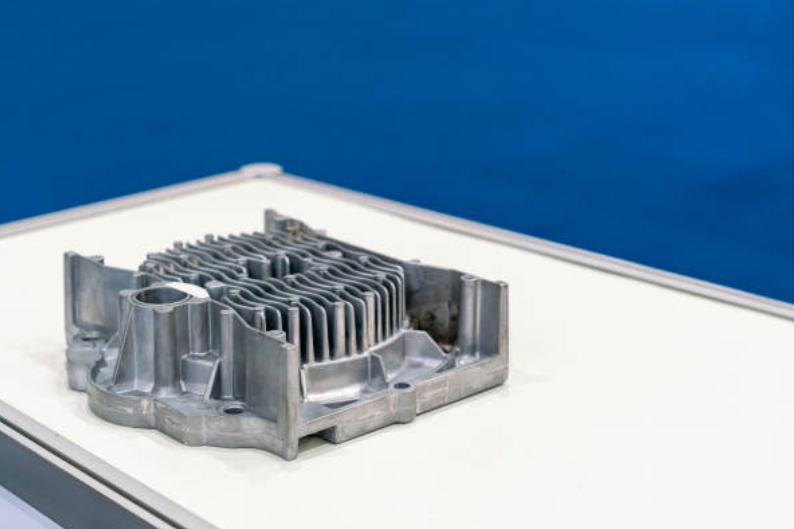
Zinc die casting often uses Zamak alloys because zinc alloy melt behavior can support fast die filling, detailed features, and repeatable production when the tool and process are suitable. This makes Zamak useful for production programs where part geometry, surface quality, and dimensional repeatability matter more than a machined-from-billet route.
Zamak's efficiency comes from the relationship between material behavior and die casting process control. The alloy must fill thin ribs, bosses, small holes, logos, texture, and decorative faces while still allowing ejection, trimming, deburring, finishing, and inspection. If the part design is suitable, Zamak can reduce machining on many non-critical surfaces.
The RFQ implication is direct: buyers should provide the 3D model, 2D drawing, annual volume, cosmetic surfaces, threaded features, surface finish, and inspection standard before assuming a Zamak die casting quote will be efficient. The material alone does not solve poor gating, sharp design transitions, or unclear finish criteria.
Which Zamak Alloys Should Buyers Review?
Buyers should review Zamak alloys according to part function, feature detail, mechanical requirement, finish route, and production volume. The best Zamak choice is not only the most common alloy; it is the alloy that fits the specific drawing and acceptance criteria.
Zamak Or Zinc Alloy Route | Typical Buyer Reason | Suitable Part Direction | RFQ Risk To Clarify |
|---|---|---|---|
Common zinc die casting route for detailed parts | Housings, covers, fittings, consumer hardware | Cosmetic standard, wall transitions, finish requirement | |
May be reviewed when strength or wear behavior is more important | Brackets, mechanical parts, handles, lock hardware | Load areas, threaded features, plating or coating buildup | |
May support selected casting or surface requirements | Detailed visible components and small fittings | Surface finish expectation and production repeatability | |
May fit selected parts needing higher strength characteristics | Hardware, mechanical fittings, durable components | Application load, dimensional stability, finish route | |
May be considered when a zinc-aluminum route fits the part requirement | Functional parts requiring specific mechanical behavior | Tooling, process compatibility, and inspection standard |
How Does Zamak Reduce Secondary Machining?
Zamak can reduce secondary machining when the die casting design allows holes, bosses, ribs, logos, textures, and exterior features to be formed accurately enough in the die. This is one reason Zamak can be efficient for lock parts, consumer electronics housings, decorative hardware, brackets, and small mechanical components.
However, not every feature should be left as-cast. Threads, precision bores, sealing faces, bearing surfaces, and assembly-critical datums may still need CNC machining, tapping, reaming, drilling, or post-cast inspection. The buyer should identify which dimensions are functional and which surfaces are cosmetic.
The RFQ should avoid vague requests such as all surfaces must be precision finished. A better RFQ separates as-cast surfaces, machined surfaces, plated or coated surfaces, and hidden non-critical surfaces. That separation helps control cost, tooling decisions, and final inspection.
Which Part Features Make Zamak Efficient?
Zamak is efficient when the part has detailed features that can be formed in the die and produced repeatedly. Thin walls, ribs, bosses, lettering, decorative textures, snap-fit features, mounting lugs, and small metal housings may be good candidates when draft, wall thickness, parting line, and ejection needs are reviewed.
Zinc alloy die casting is often selected for components where a strong visual surface and repeatable geometry are important. Common product categories include lock bodies, small brackets, electronic shells, connectors, knobs, handles, covers, and consumer hardware. The part should still be reviewed for sink risk, flash risk, ejector marks, parting line location, and plating or coating buildup.
Buyers should provide expected production volume and assembly information. High-efficiency casting depends on stable die design and repeatable process conditions, so design changes after tooling can reduce the efficiency advantage.
How Do Surface Finishes Affect Zamak Die Casting Efficiency?
Surface finishes affect Zamak die casting efficiency because plating, polishing, powder coating, chrome plating, and other finishes can add process steps, masking, inspection, and rework. A Zamak part may cast efficiently but lose efficiency if cosmetic requirements are unclear or if coating buildup affects assembly.
Electroplating and chrome plating may be relevant for decorative or wear-related zinc die-cast components when the geometry and acceptance criteria support the finish. Powder coating, polishing, and tumbling may also be considered depending on the part appearance and service environment.
The buyer should specify visible surfaces, allowable parting line location, areas that cannot receive finish buildup, corrosion exposure, color requirement, and cosmetic inspection standard. Finish details should be part of the RFQ, not added after tooling approval.
What Limits Can Reduce Zamak Die Casting Efficiency?
Zamak die casting efficiency can be reduced by unsuitable geometry, late design changes, excessive precision requirements, unclear cosmetic standards, difficult finishing, or inspection requirements that are not planned into the process. High-efficiency production depends on stable requirements.
Common risks include thick-to-thin transitions, poor draft, undercuts that require slides, high cosmetic requirements on parting-line surfaces, small threaded features that need secondary machining, and dimensions that must be controlled after plating. These issues may still be manufacturable, but they affect tooling cost, cycle stability, finishing yield, and inspection scope.
Buyers should also compare Zamak with other routes when needed. Aluminum die casting may be better for low weight or heat-related requirements, while zinc die casting may be better for compact detailed parts. The best route depends on part function, not only material preference.
What RFQ Information Helps Quote Zamak Efficiently?
A strong Zamak RFQ gives the supplier enough information to review part design, die casting feasibility, surface finishing, and inspection in one route. This helps protect the efficiency advantage of Zamak die casting.
RFQ Information | Why It Matters For Zamak Efficiency | Supplier Review Area |
|---|---|---|
3D model and 2D drawing | Defines geometry, draft, parting line, tolerances, and functional dimensions | Tooling and die casting feasibility |
Target Zamak or zinc alloy | Connects material behavior to part function | Alloy selection and process route |
Annual volume and production stage | Shows whether die tooling and process optimization are justified | Tooling plan and production strategy |
Cosmetic and finish requirements | Controls polishing, plating, coating, masking, and visual inspection | Surface treatment and quality plan |
Machined or threaded features | Identifies secondary operations that affect cost and lead planning | CNC, tapping, fixture, and inspection review |
Related FAQs