Precision LED & Optical Component Manufacturing Solutions
LED And Optical Component RFQ Decision: This article explains how buyers can specify plastic injection molding, metal injection molding, CNC machining prototyping, optical surface finishing, and thermal component inspection for LED lenses, reflectors, light guides, optical carriers, heat sink interfaces, lamp housings, and small metal lighting components. The practical RFQ problem is deciding which material, molding route, optical surface requirement, heat path, and prototype validation evidence should be quoted before the buyer confirms optical and thermal performance in the lighting assembly.
LED and optical components connect molded geometry, surface quality, light control, heat transfer, and assembly alignment. A transparent lens has different RFQ risks from a reflector, a light guide, a CNC-machined heat sink prototype, or a MIM metal holder. Buyers should describe the optical function, heat source, assembly datum, and inspection evidence instead of asking only for a "LED part."
Which LED Or Optical Part Type Controls The RFQ?
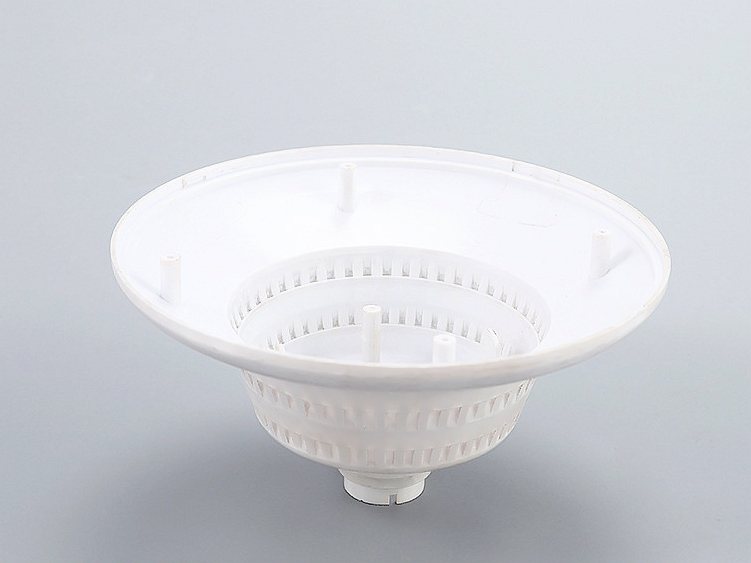
The part type should control the process selection. Plastic injection molding can fit optical lenses, transparent covers, reflectors, light guides, and lamp housings when resin selection and mold surface control are clear. MIM can fit small metal brackets, clips, locking features, and precision lighting components where compact geometry and production repeatability matter. CNC machining prototyping can support heat sink interfaces, optical mounts, and early validation fixtures before tooling.
The RFQ should state whether the part controls light transmission, reflection, thermal contact, electrical connection, sealing, or mechanical mounting. This classification helps the supplier quote the right process and helps the buyer identify which inspection method matters most.
LED Or Optical Part Type | Process Route To Review | RFQ Risk To Clarify | Inspection Evidence |
|---|---|---|---|
Optical lens or transparent cover | Plastic injection molding | Transmittance, haze, refractive index, surface defects | Optical surface review and dimensional inspection |
Reflector or light guide | Plastic molding plus surface finishing | Surface texture, reflective area, gate location | Surface finish check and profile inspection |
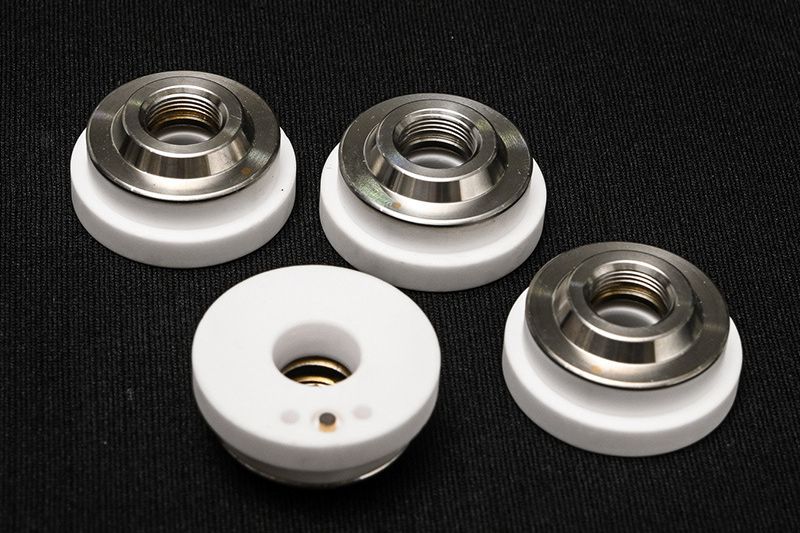
Heat sink interface or LED carrier | CNC machining prototype or molded thermal part | Flatness, thermal interface, mounting datum | CMM report and surface finish record |
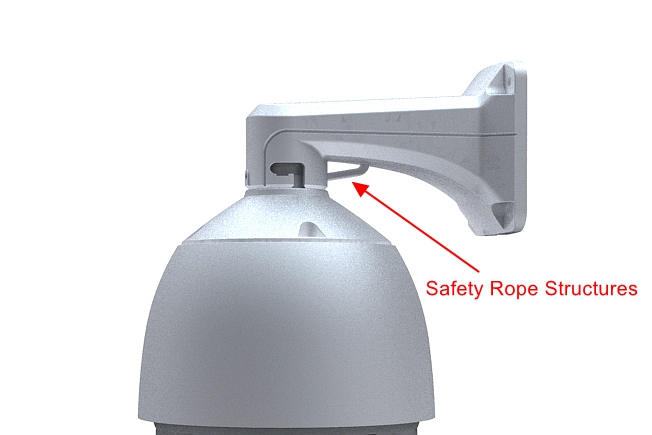
Small metal lighting bracket | MIM or CNC machining | Assembly fit, threaded features, coating area | Dimensional report and material record |
How Should Optical Lens Requirements Be Specified?
Optical lens requirements should be specified through material, geometry, transmittance target, haze control, refractive index requirement, surface defect limit, and inspection method. For injection molded lenses, gate position, flow marks, sink marks, weld lines, and tool surface condition can affect the optical path. Buyers should identify optical zones separately from non-optical mounting features.
Plastic materials should be selected around light transmission, heat exposure, impact requirement, color stability, and molding behavior. The optical silicone rubber page, injection molding material FAQ, and engineering thermoplastics guide can support early material comparison. Final optical acceptance should follow the buyer's lighting test and beam validation plan.
What Makes Reflectors And Light Guides Different From Ordinary Plastic Parts?
Reflectors and light guides require surface and geometry control that ordinary plastic covers may not need. Reflective zones, optical texture, wall thickness, draft angle, gate location, and coating or metallization areas can all influence how the part manages light. The RFQ should mark optical surfaces, non-optical surfaces, cosmetic surfaces, and assembly datums separately.
Buyers should provide CAD, drawings, optical surface notes, material preference, and any simulation assumptions that affect molding. If a prototype is required for beam validation, the RFQ should state whether the prototype must use the production-intent material and surface finish. Optical comparator inspection can support profile checks on edges and shaped features.
How Should Thermal Requirements For LED Components Be Quoted?
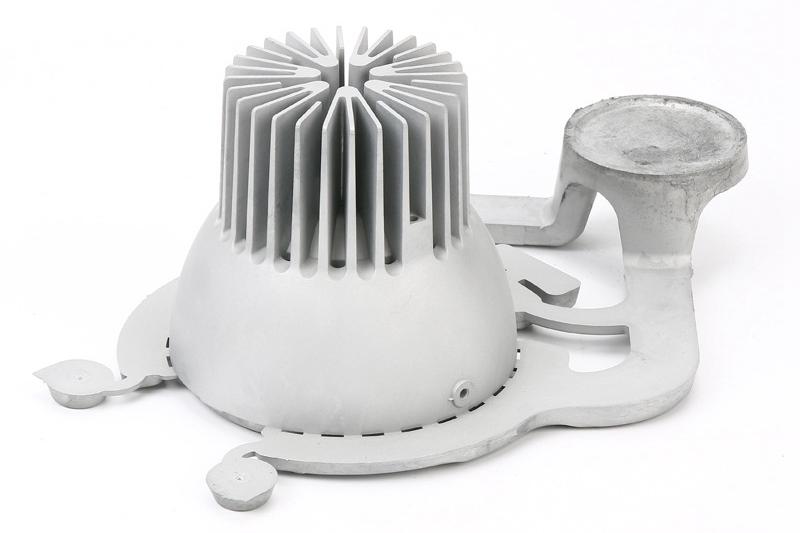
LED component RFQs should define the heat source, thermal path, heat sink interface, material, surface finish, and mounting pressure area. LED housings and carriers may need aluminum features, machined flatness, molded thermal paths, or metal brackets. The buyer should identify which surface contacts the LED board, which surface transfers heat to the housing, and which surfaces are cosmetic or protective.
Thermal component references such as lighting thermal management components, aluminum die casting for heat dissipation, and anodized aluminum parts can help frame material and surface decisions. Manufacturing evidence can support flatness, finish, and material confirmation; the buyer's thermal test confirms the assembly-level result.
When Should Buyers Use CNC Prototypes Before Optical Tooling?
CNC prototypes can help buyers verify optical mounts, heat sink interfaces, assembly clearances, and fixture geometry before injection mold tooling or MIM tooling is released. CNC prototypes are especially useful when the optical design is still changing, when the heat sink interface needs flatness review, or when the buyer wants to compare active and passive cooling arrangements.
The prototype RFQ should state the test purpose. A geometry prototype may not need production-intent resin. A beam validation prototype may need more representative surfaces and material behavior. A thermal prototype should define heat source, interface flatness, surface finish, and mounting method.
RFQ Requirement | Specific Entity To Define | Buyer Decision Supported |
|---|---|---|
Optical surface | Transmission zone, reflection zone, texture, defect limit | Lens or reflector acceptance planning |
Material | PMMA, PC, optical silicone, metal alloy, thermal material | Light transmission, heat exposure, and molding review |
Thermal interface | Flatness, surface finish, mounting pressure area | Heat path and prototype thermal testing |
Production stage | CNC prototype, tooling sample, first article, production lot | Inspection depth and validation sequence |
What Should Buyers Include In An LED Or Optical Component RFQ?
A useful LED or optical component RFQ includes CAD files, drawings, optical function, material candidate, lens or reflector zones, heat source, thermal interface, surface finish, gate restrictions, cosmetic surfaces, mounting datums, prototype purpose, production stage, and inspection reports. For plastic injection molded lenses, buyers should identify optical surfaces, non-optical features, gate-sensitive areas, and accepted inspection methods. For MIM metal lighting parts, buyers should identify small features, secondary machining needs, coating zones, and assembly datums.
Important decisions should be stated directly. If light transmission is the main risk, specify transmittance, haze, refractive index, and optical surface inspection. If heat dissipation is the main risk, specify the heat path and thermal interface. If tooling risk is the main issue, use CNC prototypes or prototype molds to validate geometry before production tooling.
Related FAQs
How should transmittance, haze, and refractive index be controlled in lenses?
How should optical surfaces be inspected for high-end lighting needs?
What support is needed from optical simulation to prototype beam validation?
What parameters are vital for thermal design in high-power LED luminaires?
How should lightweight design be balanced with thermal performance in lighting systems?
How should buyers choose active vs passive cooling for lighting applications?
What factors most affect natural convection efficiency in heatsink design?