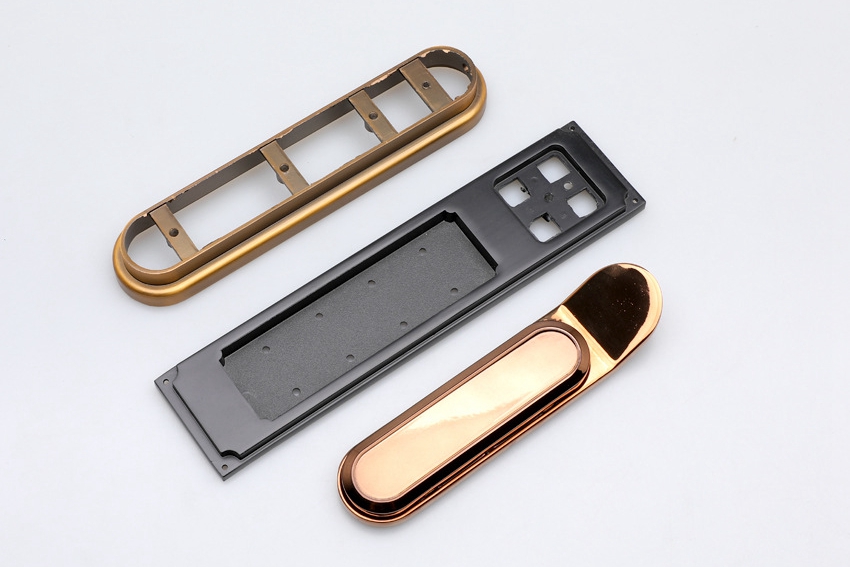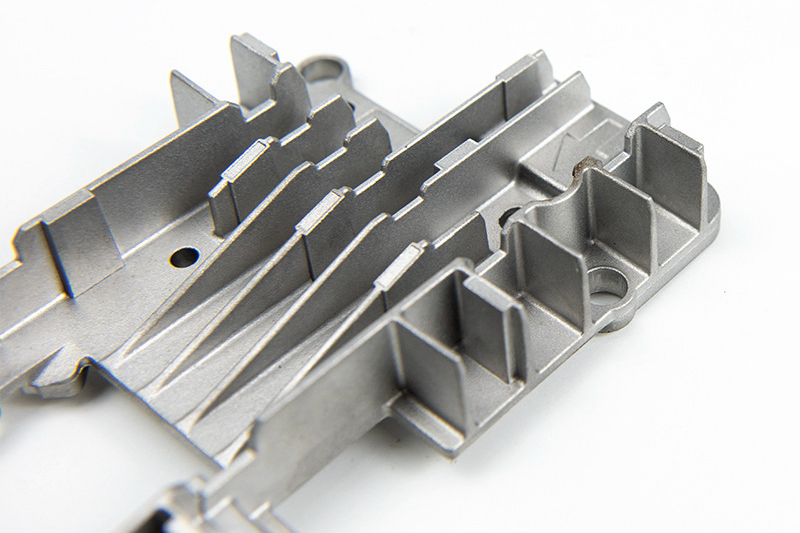
Battery Component Solutions for Advanced Electric Mobility
Electric Mobility Battery Component RFQ Decision: This article explains how buyers can specify battery components for advanced electric mobility using plastic injection molding, insert molding, precision casting, and CNC machining prototyping. The practical RFQ problem is choosing a manufacturing route for battery enclosures, bus bars, insulating carriers, terminal supports, thermal management parts, pack brackets, cell support parts, and prototype housings while defining material, electrical isolation, thermal function, dimensional control, surface treatment, and inspection evidence.

Which Battery Component Is Being Quoted?
Buyers should define the battery component type before selecting the process. A bus bar, terminal carrier, insulating holder, plastic enclosure, thermal management plate, pack bracket, cast support, and CNC prototype housing each controls a different battery pack function.
The engineering reason is that battery components combine mechanical, thermal, and electrical requirements. A plastic molded carrier may locate a conductor and provide insulation. An insert molded component may combine a metal conductor with plastic support. A precision cast part may support a structural frame or thermal path. A CNC machined prototype may be needed for fit checks, sealing surfaces, or early validation.
For quotation, the buyer should provide the 3D model, 2D drawing, component function, pack location, material preference, voltage-related clearance requirements if defined by the buyer, thermal contact surfaces, critical dimensions, finish needs, quantity stage, and inspection evidence. Final battery pack safety validation and product-level approval remain buyer-defined responsibilities.
Which Manufacturing Process Fits Battery Pack Components?
Process selection should follow the component function. Plastic injection molding supports insulating housings, covers, spacers, and cell support parts. Insert molding supports bus bar carriers, terminal supports, embedded hardware, and conductor insulation. Precision casting may be considered for metal structures or thermal parts. CNC machining prototyping supports prototype enclosures, machined brackets, datum-critical samples, and design validation parts.
Manufacturing Process | Best-Fit Battery Component | RFQ Decision Buyers Should State |
|---|---|---|
Plastic injection molding | Insulating covers, cell holders, battery module spacers, connector housings, cable guides, and lightweight plastic structures | Define resin, heat exposure, flame-retardant grade if required, wall thickness, ribs, bosses, and critical assembly dimensions. |
Insert molding | Bus bar carriers, terminal supports, conductor holders, embedded metal inserts, and insulated current path components | Define metal insert material, plating or surface treatment, insert position, insulation area, plastic resin, and inspection method. |
Precision casting | Metal support frames, thermal management bodies, brackets, structural housings, and compact metal pack components | Define alloy, casting route, machining allowance, sealing or thermal faces, surface finish, and dimensional reporting needs. |
CNC machining prototyping | Prototype battery housings, machined brackets, heat sink samples, bus bar samples, fixtures, and datum-critical validation parts | Define material, critical dimensions, threads, sealing faces, burr control, sample quantity, and inspection report. |
The buyer should not select a process only from the battery system name. The RFQ should connect the component function to the route because insulation, heat transfer, conductor alignment, sealing, and assembly interfaces create different manufacturing risks.
Which Materials Should Buyers Specify For Battery Components?
Material selection should reflect electrical isolation, conductivity, thermal behavior, structural load, heat exposure, corrosion exposure, and product-level requirements defined by the buyer. If the final material is known, the RFQ should name the grade and finish requirement.
Material Entity | Relevant Battery Component | Buyer Requirement To Clarify |
|---|---|---|
PA, PBT, PC, PPS, or other engineering resin | Insulating housings, spacers, covers, connector bodies, and molded carriers | Thermal exposure, insulation need, flame-retardant grade if required, dimensional stability, color, and finish. |
Copper, aluminum, plated conductor, or metal insert | Bus bars, terminal supports, insert molded current path components, and embedded hardware | Conductive material, surface treatment, contact surface, insert location, plating requirement, and inspection method. |
Cast aluminum, stainless steel, or other structural alloy | Pack brackets, support frames, cast housings, thermal components, and structural battery parts | Mechanical load, thermal contact faces, corrosion exposure, machining allowance, and surface finish. |
Machined aluminum, copper alloy, stainless steel, or engineering plastic | CNC prototypes, heat sink samples, housing samples, brackets, and test fixtures | Prototype purpose, substitute material allowance, datum surfaces, threads, sealing faces, and buyer-side test plan. |
If the material is still open, the buyer should state the functional requirement rather than leaving the RFQ vague. The supplier can then discuss whether plastic injection molding, insert molding, precision casting, or CNC machining prototyping is more suitable for the next quotation stage.
How Should Bus Bars, Inserts, And Insulation Features Be Controlled?
Bus bar and insert molded RFQs should define both the metal conductor and the plastic support. Buyers should mark insert orientation, plastic coverage, exposed contact surfaces, insulation boundaries, hole positions, plating areas, overmolded edges, and dimensions that control assembly to the battery module.
The engineering reason is that insert molded battery components can fail the RFQ intent if the drawing does not separate conductive surfaces from insulated areas. Metal insert position, resin flow, shrinkage, contact surface condition, and post-molding inspection all affect component-level consistency.
Important buyer decisions should be direct. If a contact surface must remain uncoated, mark the contact area. If a resin area supports high-voltage separation, define the buyer requirement and validation method. If a bus bar needs oxidation resistance, state the surface treatment or acceptable surface condition. The supplier can support component manufacturing evidence, while electrical system approval stays with the buyer.
How Should Thermal Management And Enclosure Features Be Specified?
Thermal management features should be defined by heat path and contact surfaces. Buyers should identify heat source locations, thermal interface surfaces, cooling plate contact faces, ribs, channels if applicable, mounting bosses, gasket grooves, flatness requirements, and machined surfaces used for sealing or heat transfer.
Battery enclosures and thermal parts may involve molded plastic structures, cast metal features, machined prototypes, or hybrid assemblies. The RFQ should specify whether the component is for early prototype review, thermal path comparison, mechanical fit, or production planning. A CNC prototype may help validate packaging, while a molded or cast route may be needed to evaluate process-specific behavior before tooling decisions.
What Inspection Evidence Should Support Battery Component RFQs?
Inspection evidence should match the component risk. Battery component RFQs may require dimensional reports, material confirmation, insert position checks, surface treatment review, contact surface review, flatness checks, thread checks, coating review, and assembly fit evidence.
Inspection Method | Battery Component Feature Controlled | RFQ Information Needed |
|---|---|---|
Dimensional inspection | Datums, conductor positions, holes, bosses, gasket grooves, thermal faces, mounting features, and mating edges | Critical dimensions, drawing revision, datum scheme, sample quantity, and report format. |
Insert and conductor review | Bus bars, terminals, embedded inserts, contact surfaces, insulated regions, and overmolded areas | Insert material, plating or surface treatment, exposed contact zones, insulation boundary, and inspection method. |
Material and surface finish review | Molded resin, cast alloy, machined prototype material, coating, plating, passivation, and thermal contact surface | Material grade, finish requirement, certificate need if applicable, and buyer acceptance criteria. |
Assembly fit and buyer-side validation support | Battery enclosure interfaces, module brackets, thermal plates, connector housings, and high-voltage component interfaces | Mating part data, assembly orientation, functional contact surfaces, test purpose, and buyer-side validation plan. |
A complete RFQ should include the component function, pack location, process preference, material, conductor details, insulation requirement, thermal surfaces, surface treatment, critical dimensions, prototype or production stage, and inspection evidence. These details help align manufacturing scope with the buyer's battery pack design requirements.
Related FAQs