Lightweight Structural Solutions for Automotive Industry
Automotive Lightweight Structural RFQ Decision: This article explains how buyers can specify lightweight automotive structural components made by aluminum die casting, plastic injection molding, sheet metal fabrication, and sheet metal stamping. The practical RFQ problem is choosing the right material and process for EV battery enclosures, brackets, housings, shield panels, covers, supports, and load-bearing interfaces while defining wall thickness, ribs, datum features, joining method, surface finish, inspection evidence, and buyer approval criteria.
Which Lightweight Automotive Part Type Is Being Quoted?
Buyers should define the part function before choosing a lightweighting route. A battery enclosure panel, motor housing, control unit cover, chassis bracket, heat sink housing, stamped reinforcement, and molded interior support all have different load paths and manufacturing risks.
The engineering reason is that weight reduction cannot be separated from stiffness, impact behavior, sealing, thermal transfer, corrosion exposure, and assembly tolerance. A ribbed plastic part may reduce mass in a cabin support, while an aluminum die-cast housing may be better suited when the part also carries heat dissipation or machined mounting interfaces.
For quotation, the buyer should identify critical surfaces, mounting points, sealing faces, grounding points, fastening zones, weld or rivet locations, cosmetic faces, and inspection responsibility. These details help the supplier separate true structural requirements from features that can be simplified for manufacturability.
Which Manufacturing Process Fits The Lightweight Structure?
The process should match the load path and production stage. Aluminum die casting, sheet metal fabrication, sheet metal stamping, and plastic injection molding each create different RFQ questions.
Lightweight Manufacturing Process | Relevant Automotive Structural Part | RFQ Decision Buyers Should State |
|---|---|---|
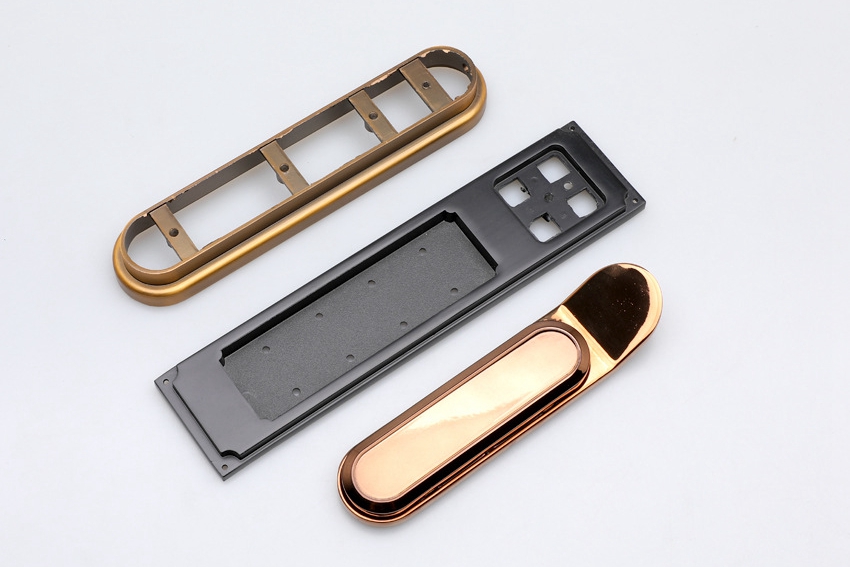
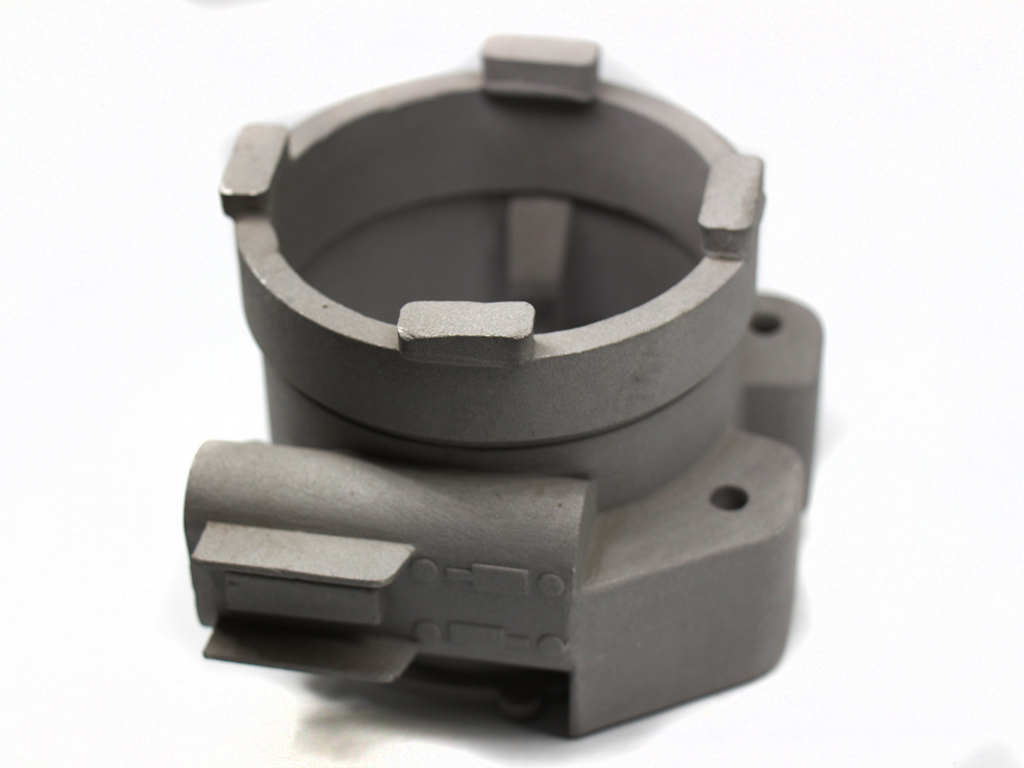
Aluminum die casting | Motor housings, control housings, heat sink structures, brackets, covers, and complex aluminum frames | Define alloy, wall thickness risk, rib layout, machined surfaces, porosity concern, and finish. |
Sheet metal fabrication | Battery enclosure panels, shields, covers, tray structures, and formed sheet assemblies | Define material thickness, bend radii, flatness, fastener plan, coating, and datum features. |
Sheet metal stamping | Reinforcements, brackets, clips, mounting tabs, and repeated formed metal parts | Define quantity stage, tooling need, draw depth, springback concern, burr criteria, and formed features. |
Plastic injection molding | Interior supports, lightweight covers, cable guides, module housings, and non-metal structural parts | Define resin grade, fiber reinforcement, ribs, bosses, inserts, warpage risk, and surface requirement. |
Buyers should state whether the part is a concept prototype, validation sample, pilot build, or production part. A prototype may use CNC machining or fabricated sheet metal to validate packaging, while a production component may move to die casting, stamping, or injection molding when tooling is justified by the design stage.
Which Materials Support Automotive Lightweighting?
Material selection should be tied to the feature being lightened. Aluminum alloys, magnesium alloys, stainless steel sheet, high-strength steel sheet, engineering plastics, and fiber-reinforced thermoplastics can all reduce mass in different ways, but each material changes joining, finishing, and inspection needs.
Material Entity | Lightweight Structural Use | Buyer RFQ Detail Needed |
|---|---|---|
Lightweight housings, brackets, covers, heat dissipation structures, and EV module interfaces | Alloy, casting process, machined surfaces, ribs, sealing areas, and coating requirement. | |
Aluminum sheet | Battery enclosure panels, shields, trays, covers, and bent structural sheet parts | Alloy, temper, thickness, bend direction, surface finish, and joining method. |
High-strength steel sheet | Reinforcement brackets, clips, stamped load paths, and thin structural supports | Grade, forming risk, springback expectation, coating, and edge condition. |
Engineering plastic or fiber-reinforced resin | Interior supports, electrical housings, clips, cable routing parts, and molded covers | Resin grade, fiber content if required, wall thickness, rib design, inserts, and warpage criteria. |
The buyer should not specify lightweight material by name alone. The RFQ should explain whether the target is lower mass, stiffness, thermal path, corrosion resistance, electrical insulation, impact behavior, or assembly simplification. This prevents the supplier from optimizing the wrong feature.
How Should Lightweight Features Be Designed For Manufacturing?
Lightweight structural design should control ribs, bosses, holes, flange geometry, wall transitions, and joining surfaces. Thin walls may reduce mass, but thin walls can also increase casting fill risk, sheet metal distortion, stamping springback, or injection molding warpage.
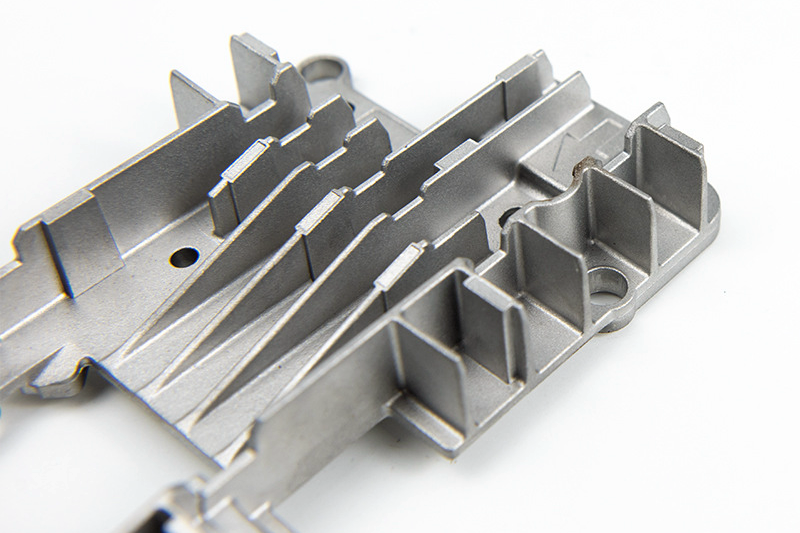
For aluminum die casting, buyers should identify machined datum faces, threaded bosses, heat sink fins, sealing surfaces, and areas where porosity cannot be accepted. For sheet metal fabrication, buyers should define bend radius, grain direction where relevant, flatness, fastener spacing, and coating masks. For injection molding, buyers should define ribs, gate-sensitive cosmetic areas, inserts, and surfaces that must mate with metal hardware.
If lightweighting changes a metal part to plastic or a fabricated assembly to die casting, the buyer should state which original functions must be preserved. Load path, mounting stiffness, heat transfer, grounding, sealing, and service access should be reviewed before the manufacturing route is changed.
How Should Joining, Finishing, And Inspection Be Specified?
Joining method is a buyer decision because lightweight parts often combine materials. Aluminum castings, stamped sheet, molded plastic, threaded inserts, rivets, screws, adhesive zones, and gaskets may share the same assembly, so the RFQ should define interface loads and assembly sequence.
Requirement Entity | Relevant Method Or Evidence | Buyer Decision Supported |
|---|---|---|
Datums, holes, sealing faces, and mounting bosses | Confirm assembly alignment and critical interface geometry. | |
Complex housing shape or lightweight rib structure | Compare cast, molded, or fabricated part shape against CAD. | |
Aluminum alloy identity | Support material verification when alloy evidence is required. | |
Coating, masking, and contact surfaces | Visual inspection, finish notes, and controlled masking areas | Protect corrosion surfaces while keeping grounding or sealing zones functional. |
Finishing should be defined by function. Powder coating, anodizing, conversion coating, passivation, painting, texture, and molded surface finish can change corrosion behavior, electrical contact, friction, appearance, and assembly fit. The RFQ should define masked areas and surfaces that must remain uncoated.
What Should Buyers Include In A Lightweight Automotive RFQ?
A complete lightweight automotive RFQ should include the 2D drawing, 3D model, part function, target process, material grade, prototype or production stage, wall thickness, rib and boss details, joining method, surface finish, critical dimensions, inspection report needs, and buyer approval responsibility.
The RFQ should also state whether the supplier may propose a different process. A stamped bracket may be redesigned as a die-cast bracket, a fabricated enclosure may move to a cast or molded structure, and a plastic cover may need metal inserts if the fastening load is high. Each process change should be judged against structural function and final validation by the buyer.
Related FAQs
What are common defects and solutions in aluminum die casting?
What design factors affect the cost of aluminum die casting parts?
What are the common sheet metal fabrication services and considerations?
What mechanical design considerations apply to metal stamping parts?
What considerations are essential for designing parts for injection molding?
How to lightweight battery enclosures while keeping strength and safety?