How to lightweight battery enclosures while keeping strength and safety?
Lightweight battery enclosure design is a manufacturing decision that affects material selection, prototyping, aluminum die casting, sheet metal fabrication, plastic injection molding, and final battery pack validation. For an RFQ, the practical problem is not only reducing mass; the buyer must define the load path, thermal path, sealing surface, and electrical isolation requirement before Neway can evaluate a safe and manufacturable enclosure route. Neway can support lightweight enclosure prototypes and production-oriented manufacturing reviews, while final battery pack safety approval remains part of the buyer's system validation plan.
How should buyers lightweight battery enclosures while keeping strength and safety?
Buyers should reduce weight by matching the battery enclosure material, wall geometry, joining method, and validation plan to the real operating loads. A lightweight enclosure should not simply use thinner walls. The enclosure still needs controlled stiffness around mounting points, sealing lands, module supports, connector openings, and impact-sensitive zones.
The engineering reason is that battery enclosure strength depends on load paths rather than nominal wall thickness alone. Ribs, beads, folded edges, bosses, local pads, and controlled wall transitions can move stress away from sealing surfaces and threaded interfaces. For an RFQ, buyers should identify which surfaces are structural, which surfaces seal against gaskets, which surfaces carry thermal pads, and which zones must remain electrically isolated.
Neway usually reviews lightweight battery enclosure projects by separating three questions: which material family fits the load and temperature environment, which manufacturing process can form the required geometry, and which prototype tests can confirm the design before production tooling or casting tooling is released.
Which material families should be compared for battery enclosures?
Aluminum alloys, magnesium alloys, sheet metal, and engineering plastics can all support battery enclosure lightweighting, but each material family solves a different RFQ problem. The buyer should compare density, stiffness, heat transfer, corrosion behavior, electrical insulation needs, and the expected production volume before choosing the material route.
Battery enclosure decision | Lightweight material option | Relevant manufacturing route | RFQ risk to define |
|---|---|---|---|
Structural lower tray or housing | Aluminum alloy or A380 aluminum | Wall thickness, mounting loads, heat path, and post-machined datum surfaces | |
Large cover or shield panel | High-strength aluminum or coated steel sheet | Sheet metal fabrication with laser cutting, bending, and forming | Flatness, gasket compression, weld distortion, and corrosion protection |
Weight-sensitive structural bracket or support | Precision casting or prototype machining for design verification | Galvanic corrosion control, coating plan, and fastening interface design | |
Insulating cover, terminal cover, or internal shield | Flame behavior, dielectric spacing, heat exposure, inserts, and molded sealing features |
Aluminum is often reviewed first because aluminum can combine moderate weight, structural stiffness, thermal conductivity, and corrosion-resistant finishing. Magnesium may be considered when mass reduction is a stronger driver, but magnesium enclosure RFQs need earlier discussion of coating, galvanic isolation, and fastening strategy. Engineering plastics can reduce mass and improve electrical isolation for covers or secondary parts, but plastic parts must be checked against heat, creep, flame behavior, and insert retention.
How does geometry reduce weight without weakening the enclosure?
Battery enclosure geometry reduces weight by placing material where the load actually travels. Ribs, formed beads, flanges, local bosses, and reinforced corner zones can allow thinner panels while protecting the interfaces that control sealing, assembly, and service life.
For A380 aluminum die cast housings, rib layout, draft direction, ejector locations, machining allowance, and porosity-sensitive zones should be reviewed together. A thin cast wall may save weight, but an unsupported boss or a sharp wall transition can create cracking risk or machining instability. For sheet metal battery covers, a folded flange or stamped bead can improve stiffness without changing the whole panel thickness.
For plastic battery covers, geometry also controls warpage and seal compression. Molded ribs, clips, insert bosses, and gasket grooves should be designed with resin flow and shrinkage in mind. If a plastic cover carries high-temperature exposure, PEEK or another high-temperature polymer may be reviewed, but the RFQ should specify temperature range, chemical exposure, insert pull-out loads, and dielectric clearance.
Which prototyping routes help validate lightweight enclosure designs?
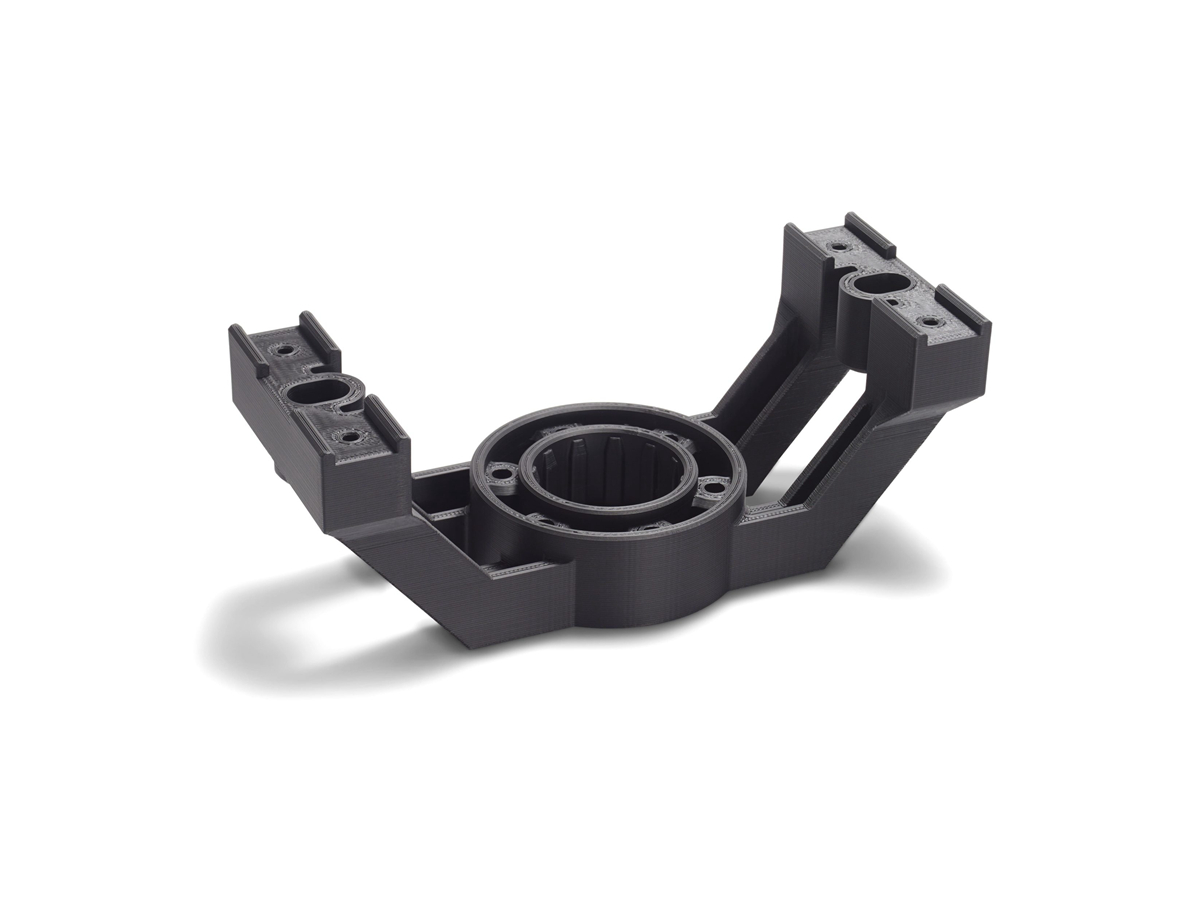
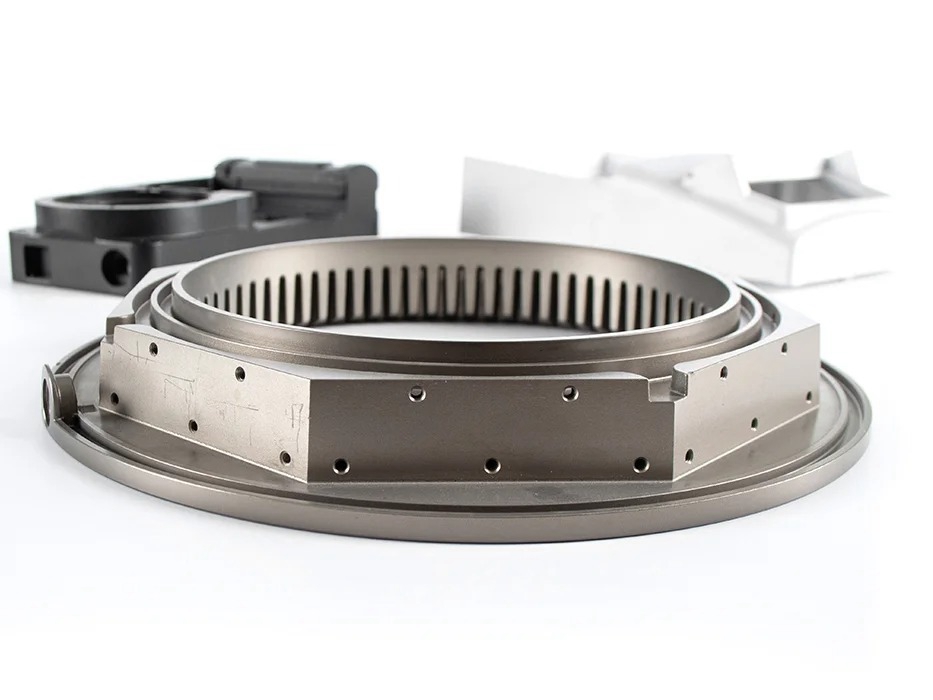
Prototype route selection should follow the decision being tested. CNC machining prototyping is useful when the buyer needs accurate aluminum or magnesium surfaces, gasket grooves, datum references, and threaded interfaces. 3D printing prototyping can help compare rib patterns, clearance envelopes, connector locations, and assembly access before metal tooling is built.
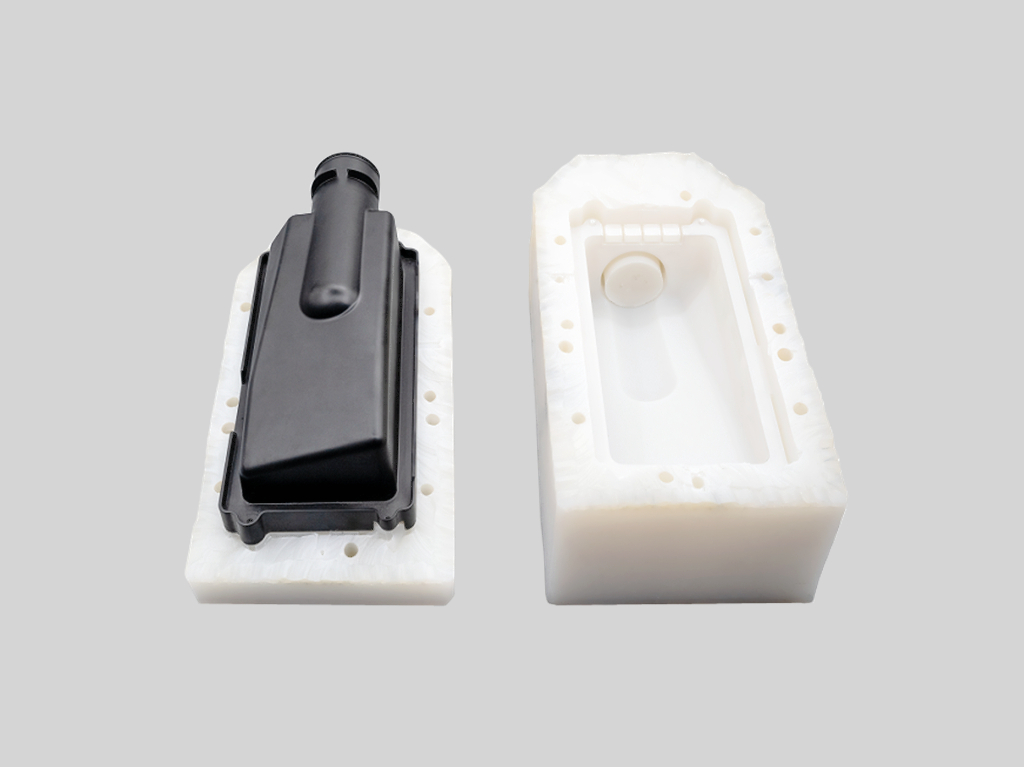
Sheet metal prototypes are often useful for large trays or covers because laser-cut blanks, formed flanges, and welded or fastened assemblies can reveal panel stiffness, distortion, gasket compression, and mounting stack-up. For molded plastic covers, prototype parts may need machining, printed samples, or soft tooling depending on whether the buyer needs cosmetic review, assembly testing, or resin-like performance.
The RFQ implication is simple: buyers should not ask one prototype method to answer every question. A visual enclosure prototype can confirm packaging, but a functional battery enclosure prototype should include the selected material family, fastening method, sealing concept, thermal interface, and inspection points that affect production risk.
How should thermal management and electrical isolation be handled?
Thermal management and electrical isolation should be defined before final wall thickness is reduced. Battery enclosures may need heat spreading through aluminum walls, insulating plastic covers, coated metal surfaces, thermal pads, venting features, and clear dielectric spacing around high-voltage or signal interfaces.
Metal housings can support heat transfer, but metal surfaces may also require insulation where cells, busbars, terminals, or wiring pass nearby. Plastic covers can improve electrical isolation, but plastic covers may need more careful review of temperature exposure and long-term creep. A mixed metal-and-plastic enclosure can work well when the metal lower housing supports structure and heat transfer while molded plastic components provide isolation, covers, clips, or service features.
For an RFQ, buyers should provide heat-source locations, allowable surface temperatures, thermal pad areas, venting requirements, dielectric spacing targets, and any areas where coating thickness affects assembly. Neway can then review whether the manufacturing route, surface treatment, and inspection plan support the enclosure's thermal and electrical functions.
Which surface treatments protect lightweight battery enclosures?
Surface treatment protects lightweight battery enclosures from corrosion, wear, electrical contact risk, and environmental exposure. The coating choice should match the base material and the function of each enclosure surface.
For aluminum battery housings, anodizing may support corrosion resistance and surface durability. Powder coating and painting may be reviewed when the enclosure needs color, environmental protection, or added electrical insulation. Neway's surface finishing options should be selected after masking zones, grounding areas, gasket lands, and threaded interfaces are defined.
For high-heat areas, thermal barrier coatings may be considered for selected surfaces, but coating use depends on the battery system layout and the buyer's validation requirements. The RFQ should state which areas must remain conductive, which areas require insulation, and which areas cannot accept extra coating thickness.
What tests should confirm lightweight battery enclosure safety?
Testing should confirm that the lightweight enclosure still supports the battery pack's mechanical, thermal, sealing, and electrical requirements. Neway can support prototype manufacturing and part-level inspection, but the buyer should define final pack-level qualification with the battery system owner.
Common prototype checks may include dimensional inspection, flatness measurement on gasket lands, thread and insert checks, coating thickness inspection, visual inspection of cast or formed features, assembly fit checks, and functional review of sealing interfaces. Depending on the RFQ, buyers may also request vibration, shock, thermal cycling, leak, insulation, or environmental tests through the approved validation route.
The manufacturing implication is that test evidence should feed back into design-for-manufacturing changes. If a gasket land is unstable, the enclosure may need a machined datum or stronger rib support. If a coating interferes with grounding or fastener torque, masking and inspection requirements should be added before production release.
What RFQ details help Neway evaluate battery enclosure lightweighting?
A useful battery enclosure RFQ should include the enclosure 3D model, 2D drawing, target material or material candidates, annual volume range, prototype quantity, assembly stack-up, sealing method, thermal interface locations, coating requirements, and inspection criteria. Buyers should also mark critical-to-function dimensions such as gasket lands, mounting holes, terminal openings, grounding areas, and datum surfaces.
If the buyer has not selected a process, Neway can compare aluminum die casting, sheet metal fabrication, CNC prototype machining, 3D printed prototypes, and plastic injection molding based on the part size, wall thickness, tolerance requirements, heat path, insulation needs, and production volume. The clearest RFQs state the buyer decision directly: reduce mass, protect sealing reliability, maintain thermal path, keep electrical isolation, or prepare the design for production tooling.
Related FAQs
How to balance lightweight design with thermal performance in lighting systems?
What tests should be performed on functional prototype parts?
How do prototype metal parts reduce production risk before tooling?
How does Neway support aluminum die cast prototypes before mass production?
What information should buyers provide for an accurate prototype quote?