China Metal Injection Molding Services: Cost, Lead Time, and Quality Control
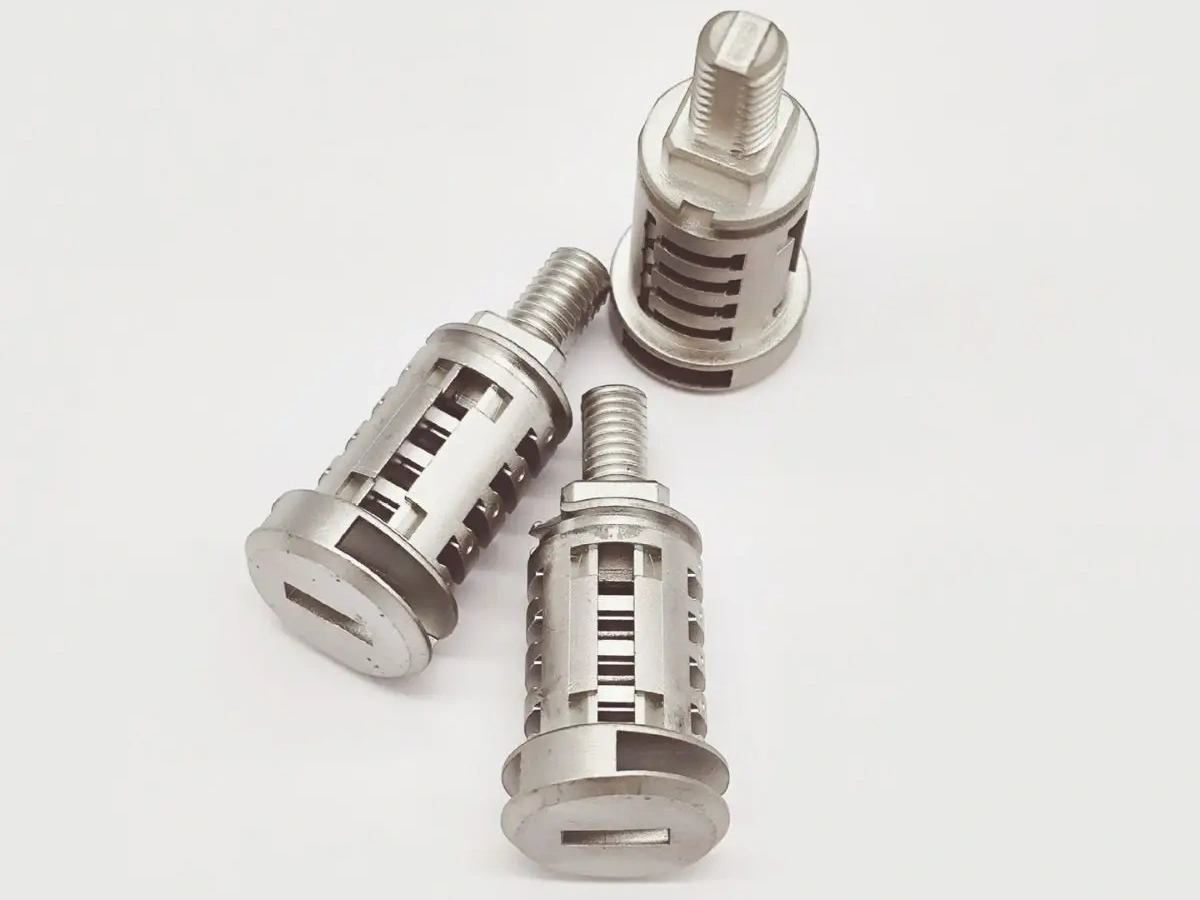
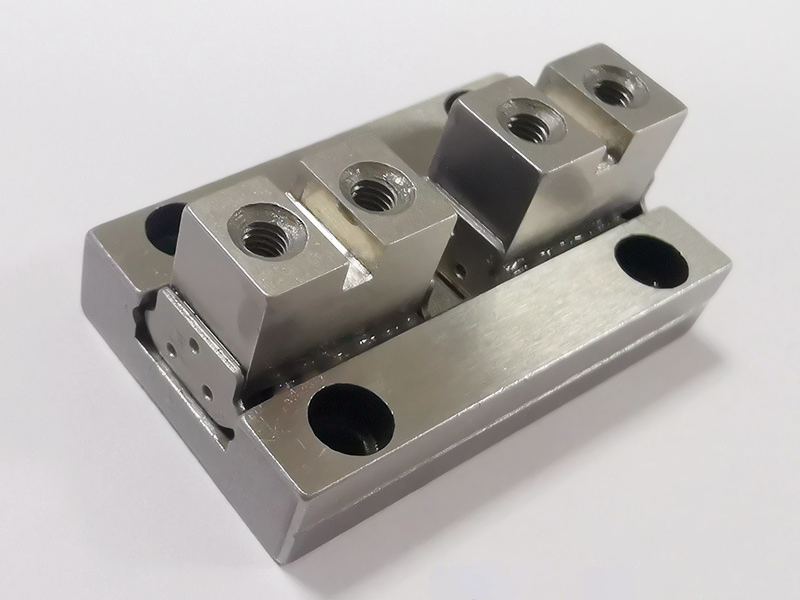
China MIM Cost Lead Time Quality RFQ Decision: This article explains how buyers can evaluate China metal injection molding services for complex small metal parts by comparing cost drivers, lead-time factors, tooling requirements, feedstock control, debinding, sintering, secondary finishing, and quality inspection evidence. The part types include miniature gears, lock components, medical device features, electronic hardware, automotive mechanisms, connector parts, and stainless steel precision components. The practical RFQ problem is deciding what information a China MIM supplier needs before quoting cost, delivery schedule, and production quality controls without relying on unsupported price or lead-time assumptions.
Buyers should evaluate China MIM services through manufacturing evidence, not price alone. A useful quote should explain tooling scope, material grade, process route, secondary machining, surface finishing, inspection reports, and production stage. The buyer should also separate prototype review, tooling approval, pilot production, and recurring production because each stage has different cost, timing, and quality-control requirements.
What Cost Drivers Should Buyers Compare In China MIM Quotes?
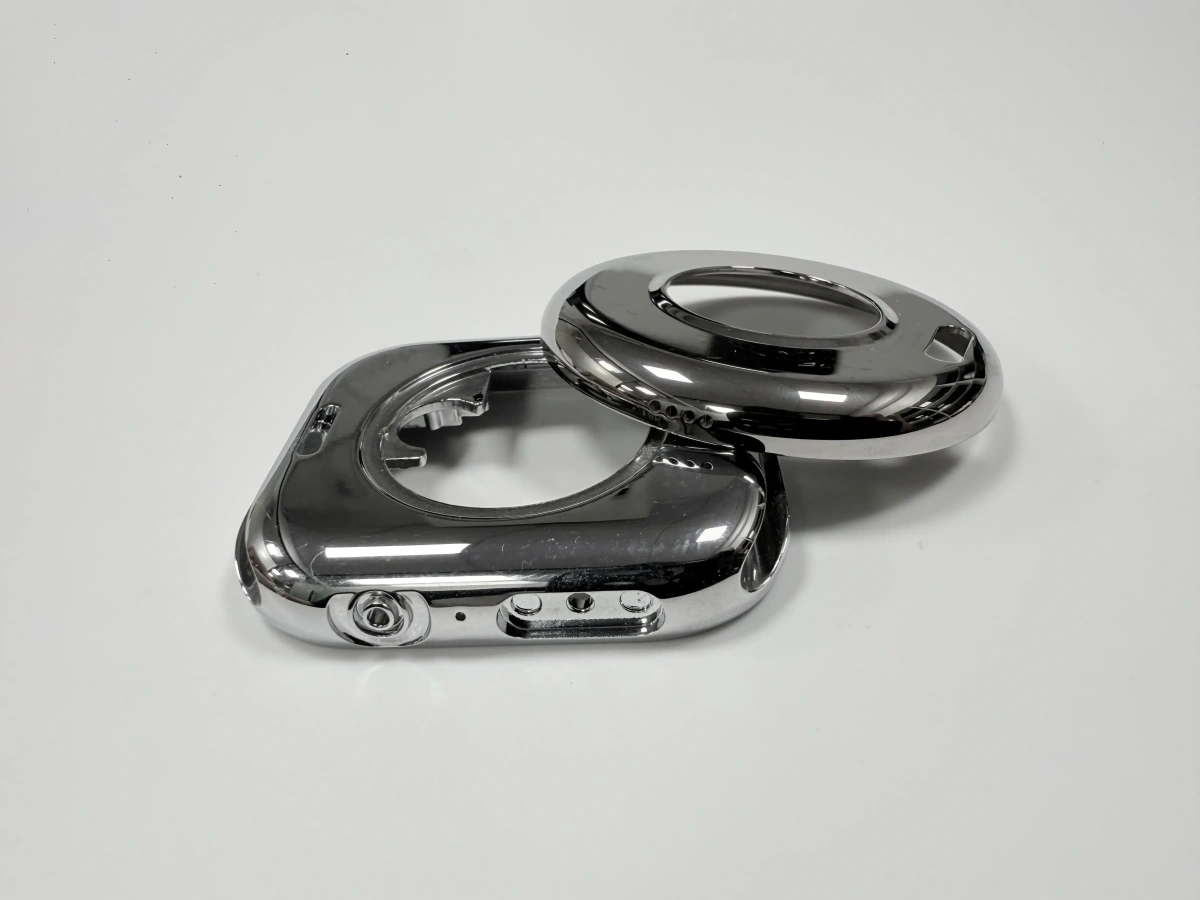
MIM cost should be compared by tooling, material grade, feedstock preparation, injection molding, debinding, sintering, secondary machining, heat treatment, surface finishing, inspection, packaging, and production release. A low unit price can become misleading if the quote excludes machining of critical datums, inspection reports, or finishing operations required by the drawing.
The RFQ should state which features are functional and which operations must be included. A stainless steel connector part, a lock gear, and a medical device feature may all use MIM, but material records, inspection methods, and secondary finishing can differ. Buyers can use MIM design, materials, tolerances, and cost factors and MIM material and cost efficiency to frame cost discussions.
China MIM Quote Item | Buyer Detail To Provide | Cost Or Timing Impact | Evidence To Request |
|---|---|---|---|
Tooling and mold design | CAD, 2D drawing, parting constraints, annual demand stage | Tooling cost, sampling plan, design freeze risk | DFM feedback and tooling review |
Material and feedstock | Material grade, density expectation, corrosion or wear need | Material price, sintering route, post-processing | Material record and process control plan |
Secondary machining | Threads, datums, holes, sealing faces, bearing areas | Unit operation count and inspection scope | CMM report or feature inspection |
Quality documentation | First article, pilot lot, production sampling, final report | Release schedule and recurring inspection effort | Inspection report and traceable records |
Which Lead-Time Factors Should Be Stated In The RFQ?
Lead time depends on design review, tooling, material sourcing, mold trial, sample measurement, buyer approval, debinding, sintering, secondary operations, inspection, and shipment preparation. The RFQ should identify whether the request is for quotation only, prototype samples, tool-built samples, pilot production, or recurring production. Each stage has a different schedule logic.
Buyers should avoid assuming that all MIM projects follow the same timeline. A new material, tight datum, post-sintering machining requirement, surface finishing operation, or incomplete drawing package can change the schedule. The RFQ should state required approval gates and which records are needed at each stage.
How Should Tooling, Feedstock, Debinding, And Sintering Be Reviewed?
Tooling and process controls are central to China MIM supplier evaluation. Tooling should be reviewed for parting line, gate location, cavity plan, ejection, side actions, thin walls, and shrinkage-sensitive features. Feedstock control should be reviewed for material consistency and molding behavior. Debinding and sintering should be reviewed for binder removal, densification, shrinkage, distortion, and support strategy.
The buyer should ask how critical dimensions are controlled from mold design through sintering. Relevant process references include MIM mold design considerations, metal sintering in MIM production, and pressureless sintering in MIM.
What Quality Control Evidence Should Buyers Request?
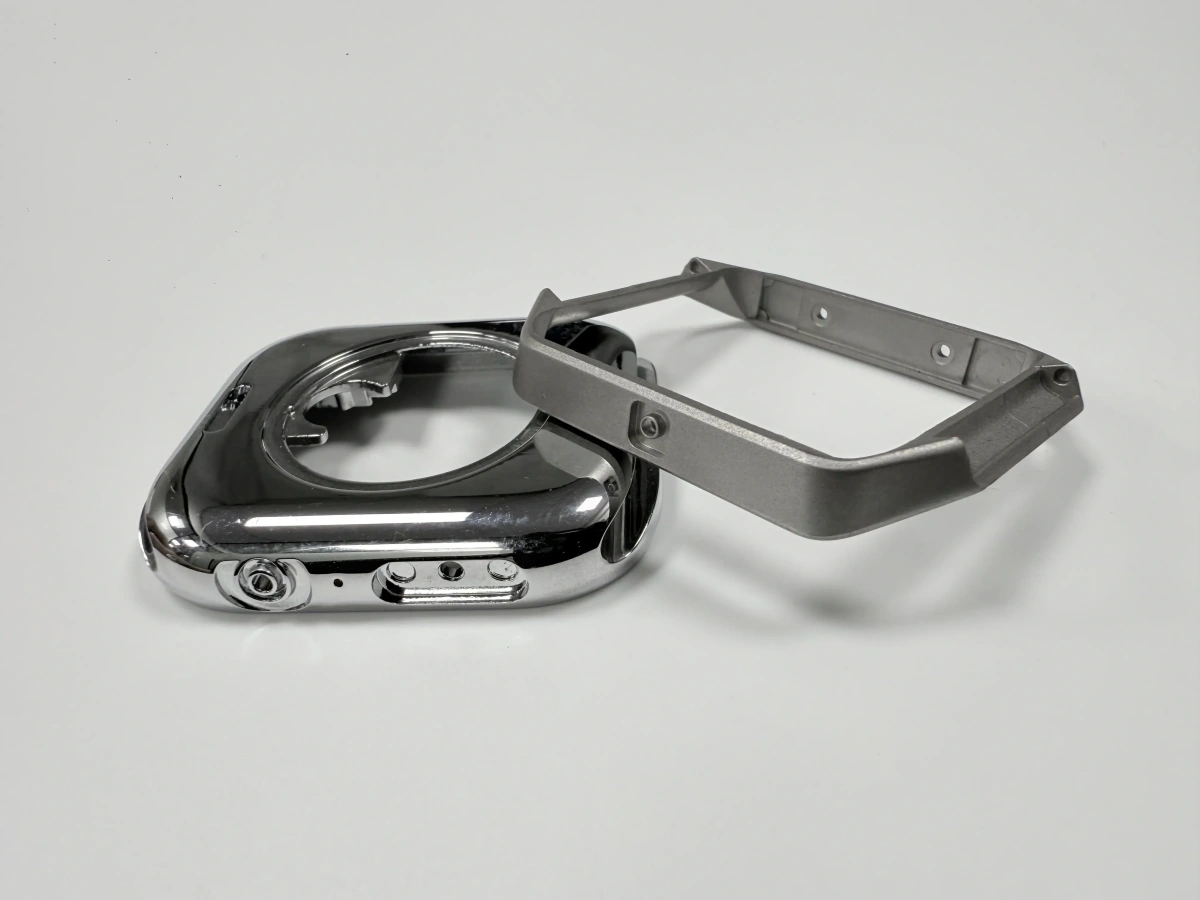
Quality control should be specific to the part risk. Dimensional inspection can support datums, holes, threads, gear features, and mounting surfaces. Material records can support grade selection. Hardness testing can support heat-treated parts. Surface finish inspection can support sliding or sealing features. Visual inspection can support burrs, cracks, flash, coating condition, and cosmetic requirements.
The RFQ should state whether the buyer needs first article inspection, pilot-lot inspection, production sampling, final inspection, or traceable process records. Buyers can reference CMM dimensional inspection and industrial CT defect inspection when the part geometry or internal-risk profile requires additional review.
Which MIM Materials Affect Cost, Timing, And Quality?
Material selection affects feedstock, sintering, secondary operations, finishing, and inspection. Stainless steels may be reviewed for corrosion-resistant precision parts. Low alloy steels may be reviewed for strength and heat treatment response. Tool steels may be reviewed for wear-loaded mechanisms. Magnetic alloys, tungsten alloys, titanium alloys, or nickel alloys may require additional material and process review.
Buyers should name candidate grades and explain the functional requirement. Common material pages include MIM 17-4 PH stainless steel, MIM 316L stainless steel, MIM 420 stainless steel, MIM 4140 alloy steel, and MIM materials and properties.
How Should Buyers Evaluate Supplier Reliability?
Supplier reliability should be evaluated through engineering response, DFM feedback, document clarity, inspection capability, material traceability, change control, and production communication. The buyer should ask whether the supplier can explain shrinkage control, secondary machining scope, surface finishing route, and inspection evidence for the specific part.
Certifications and quality systems may matter when the buyer's industry requires specific documentation, but certification names alone do not replace part-level evidence. The buyer should define the reports, records, and approval gates needed for the final application. If the buyer owns final product qualification, the supplier records should support that qualification without claiming to replace it.
Supplier Evaluation Area | Entity To Review | Buyer Risk Reduced |
|---|---|---|
Engineering communication | DFM comments, tolerance questions, material review | Misquoted tooling or missing post-processing |
Production control | Feedstock, molding, debinding, sintering, secondary operations | Dimensional drift and production inconsistency |
Inspection capability | CMM, gauges, hardness, surface finish, visual inspection | Unclear release evidence and assembly failures |
Documentation | Material records, inspection reports, process change control | Traceability gaps during buyer approval |
What Should Buyers Include In A China MIM RFQ?
A complete China MIM RFQ should include CAD files, 2D drawings, part function, target material, expected production stage, critical dimensions, datum scheme, tolerance priorities, annual demand stage, surface treatment, heat treatment, secondary machining, inspection reports, packaging requirements, approval timeline, and buyer validation requirements. The RFQ should also identify whether the quote is for DFM review, tool-built samples, pilot production, or recurring production.
Important decisions should be stated directly. If cost comparison is the priority, include all required operations so quotes are comparable. If lead time is the priority, identify approval gates and required documents. If quality control is the priority, define the inspection reports and material records needed for release.
Related FAQs
What factors influence the cost of China metal injection molding services?
How long is the typical lead time for custom MIM parts in China?
How do China metal injection molding suppliers control part quality during mass production?
What certifications should buyers look for in a China MIM manufacturer?
How can buyers evaluate the reliability of a China metal injection molding supplier?
How does production volume affect the unit cost of metal injection molded parts?
What tooling considerations are important for high-volume MIM production?
What should buyers provide when requesting a quote for custom stainless steel MIM parts?