Zinc Alloy Die Casting Parts: When to Choose Zamak and ZA Alloys
Zinc Alloy Die Casting RFQ Decision: This article explains when buyers should choose Zamak, ZA alloys, ACuZinc5, or EZAC for zinc alloy die casting parts made through alloy selection, die design, high-pressure die casting, trimming, secondary machining, surface finishing, and inspection. The part types include Zamak 3 covers, Zamak 5 brackets, Zamak 7 decorative parts, ZA-8 bearing-related components, connector housings, lock parts, handles, frames, and custom zinc alloy products. The practical RFQ problem is deciding which alloy best fits strength, wear, flowability, dimensional stability, surface appearance, finishing compatibility, and production requirements before tooling approval.
Zinc alloy selection is an engineering decision, not a naming exercise. Zamak 3, Zamak 5, Zamak 7, ZA-8, ACuZinc5, and EZAC can all be zinc die casting options, but each alloy should be reviewed against the part function, geometry, finish, machining plan, and validation method. Buyers should ask for alloy comparison when the material choice is not fixed.
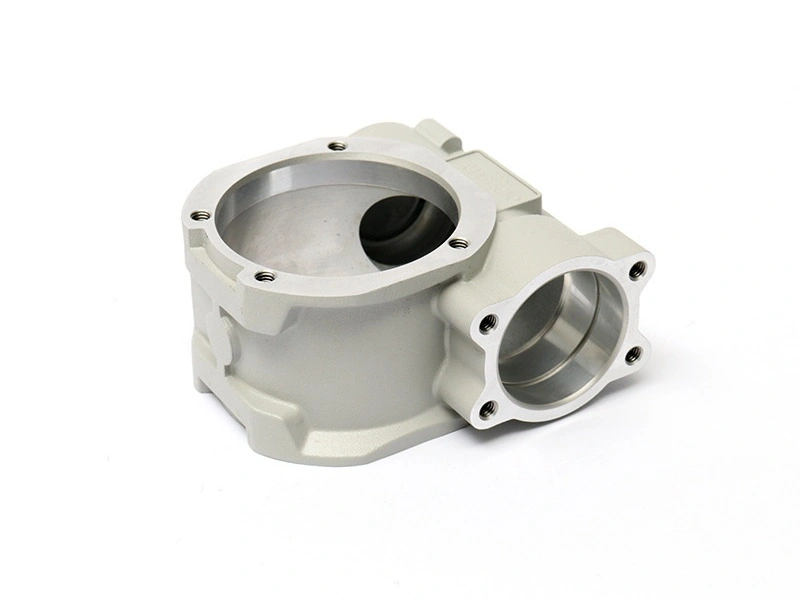
Why Does Material Selection Matter In Zinc Alloy Die Casting?
Material selection matters because the zinc alloy affects casting behavior, mechanical performance, surface finish, plating response, wear behavior, and dimensional stability. A decorative cover, a lock part, a connector frame, and a bearing-related component may all be zinc die cast, but the same alloy may not be the best choice for every part.
The manufacturing reason is that alloy composition affects how molten metal fills the die, how the part cools, how the surface responds to finishing, and how the component performs in assembly. The RFQ should define part function, visible surfaces, critical dimensions, mating parts, load condition, wear contact, corrosion exposure, and required secondary operations.
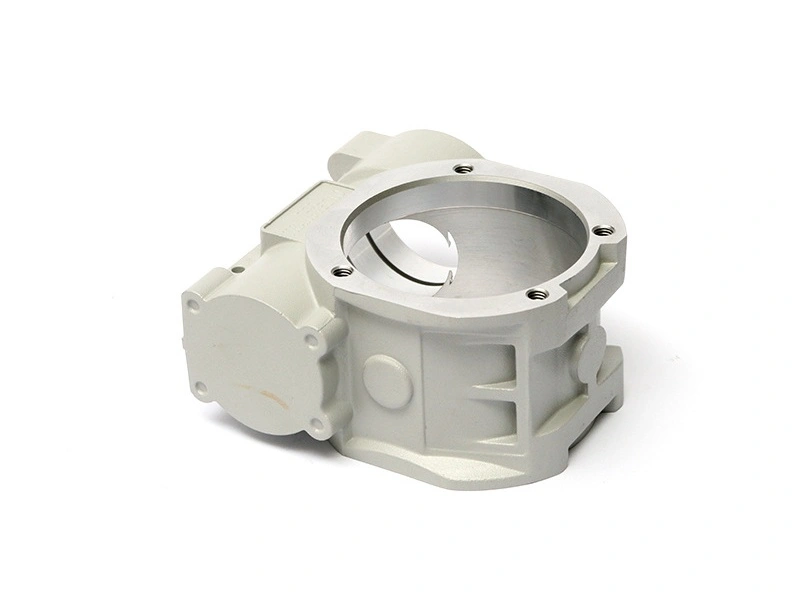
When Should Buyers Choose Zamak 3?
Buyers should review Zamak 3 when the zinc die casting part needs general-purpose casting behavior, detailed geometry, and good production practicality. Zamak 3 is often considered for covers, housings, frames, brackets, decorative parts, and small mechanisms where balanced casting behavior is more important than a special wear or strength requirement.
The RFQ should still define the part's critical features. If the Zamak 3 part has machined threads, mating bores, visible surfaces, or plated areas, the supplier needs that information before quoting tooling, secondary machining, finishing, and inspection.
When Should Buyers Choose Zamak 5 Or Zamak 7?
Zamak 5 may be reviewed when the component needs higher strength or wear-related behavior compared with a general Zamak route. Zamak 7 may be reviewed when casting behavior, surface quality, or finishing response is important for thin-wall or appearance-sensitive components.
Buyers should not choose Zamak 5 or Zamak 7 only because a grade sounds stronger or cleaner. The RFQ should state load, wear contact, finish, plating, corrosion exposure, and assembly requirements. A visible decorative part and a structural bracket may need different material decisions even if both use zinc die casting.
Zinc Alloy | Buyer Question It Answers | Typical Part Feature To Review | RFQ Detail To Provide |
|---|---|---|---|
Zamak 3 | Does the part need a balanced general zinc die casting alloy? | Housing, cover, frame, connector body, decorative component | Geometry, finish, critical dimensions, and assembly fit |
Zamak 5 | Does the part need higher strength or wear review? | Bracket, latch, mechanical component, lock feature | Load condition, wear surface, mating material, and inspection method |
Zamak 7 | Does the part prioritize casting behavior or surface-sensitive production? | Thin-wall cover, decorative part, plated component | Visible surface, plating requirement, cosmetic standard, and gate limits |
ZA-8, ACuZinc5, or EZAC | Does the part need special bearing, strength, or performance review? | Higher-load component, bearing-related part, special industrial hardware | Operating condition, buyer validation method, and production stage |
When Do ZA-8, ACuZinc5, And EZAC Deserve Review?
ZA-8, ACuZinc5, and EZAC deserve review when a standard Zamak alloy may not answer the buyer's performance question. These alloys may be considered when the part has higher load, wear, bearing, or dimensional stability requirements that should be reviewed before tooling.
The buyer should define the actual use condition rather than asking for a premium alloy by name. A gear-like component may need wear and mating material data. A bracket may need load and assembly information. A connector frame may need dimensional stability and finish compatibility. The supplier can then compare alloy behavior, tooling risk, and secondary operations.
How Does Alloy Choice Affect Flowability, Appearance, And Finishing?
Alloy choice can affect die filling, thin-wall capability, surface appearance, plating response, polishing, coating, and visible defect risk. A part with deep ribs or thin sections may need alloy and gate review. A decorative component may need surface and plating review. A machined part may need porosity risk review around the post-machined areas.
The RFQ should define visible surfaces, gate mark limits, parting line limits, plating or coating requirements, machining locations, and inspection method. This helps the supplier quote the alloy and process route as one manufacturing system rather than treating material and finishing as separate choices.
Alloy Selection Factor | Manufacturing Effect | Buyer Requirement To Define | Inspection Or Evidence |
|---|---|---|---|
Flowability | Affects thin walls, ribs, bosses, and detailed die fill | Wall section, rib geometry, gate constraints, and fill-sensitive zones | DFM feedback and sample dimensional review |
Strength and wear | Affects brackets, latches, gears, handles, and moving features | Load case, wear contact, mating material, and buyer validation plan | Material documentation and feature inspection |
Surface appearance | Affects decorative covers, frames, visible housings, and plated parts | Visible surfaces, plating, polishing, coating, texture, and color | Finish sample, visual inspection, and coating review |
Machining response | Affects threads, bores, datums, and exposed porosity risk | Machined features, tolerance map, datum scheme, and fixture plan | CMM report, gauge check, and machined surface inspection |
When Should Buyers Compare Zinc Alloy With Aluminum Die Casting?
Buyers should compare zinc alloy die casting with aluminum die casting when weight, part size, wall thickness, surface finish, tool life, machining, thermal behavior, or production cost structure affects the decision. Zinc may fit compact precision components and detailed surfaces, while aluminum may fit larger or lighter components where aluminum alloy behavior is important.
The comparison should use the same part function and approval criteria. Buyers should provide geometry, annual demand, alloy preference, surface finish, machined features, and inspection requirements for both routes. A price comparison without the same tolerance and finish assumptions can produce misleading RFQ results.
What Should Buyers Include In A Zinc Alloy Die Casting RFQ?
A complete RFQ should include CAD files, 2D drawings, target alloy or alloy comparison request, part function, load or wear condition, visible surfaces, critical dimensions, wall thickness concerns, machining requirements, plating or coating needs, production stage, expected volume, inspection records, and buyer validation tests.
Important decisions should be stated directly. If Zamak 3 is acceptable, state the functional reason. If Zamak 5 is needed for strength or wear review, identify the feature. If Zamak 7 is being reviewed for surface-sensitive production, define the finish standard. If ZA-8, ACuZinc5, or EZAC is being considered, state the performance risk that justifies alloy comparison.
Related FAQs