Why is Zamak die casting considered cost-effective?
Zamak die casting is considered cost-effective when the part design, production volume, zinc alloy choice, tooling plan, secondary operations, surface finish, and inspection requirements allow the process to produce repeatable parts with limited rework. For buyers sourcing Zamak housings, connectors, lock parts, handles, brackets, fittings, or decorative hardware, the practical RFQ problem is confirming whether die casting lowers total part cost after tooling, machining, finishing, inspection, and scrap are included.
Why Can Zamak Die Casting Be Cost-Effective?
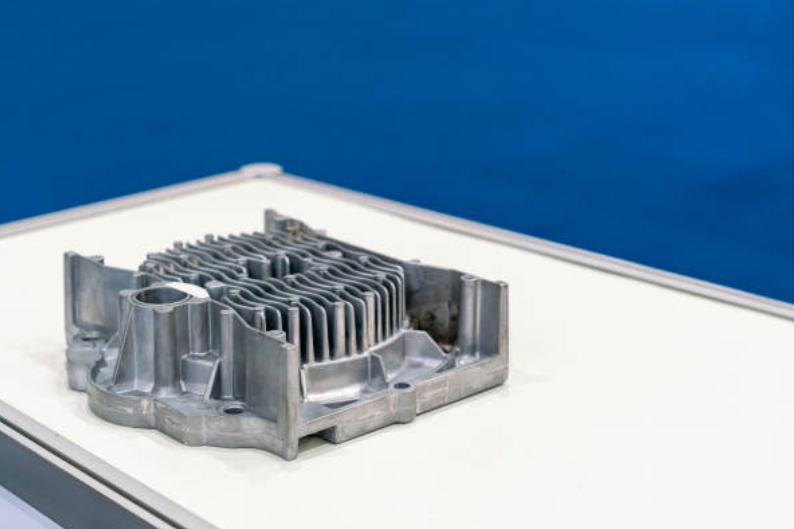
Zamak die casting can be cost-effective because zinc alloy parts can often be formed close to final shape in a reusable die. When the part is suitable, ribs, bosses, textures, logos, mounting features, and decorative surfaces may be cast directly instead of machined from solid material.
The cost advantage depends on production volume and design stability. Die tooling requires upfront investment, so the process usually becomes more attractive when the expected quantity can justify tooling and process setup. Low-volume or changing designs may need prototyping before production tooling.
Buyers should compare total cost, not only casting price. A low casting price can disappear if the part needs extensive machining, polishing, plating rework, sorting, or late design changes.
Which Cost Drivers Matter Most In Zamak Die Casting?
The main cost drivers are die tooling, material choice, part complexity, production volume, machining, surface finishing, inspection, packaging, and rejection rate. Each driver should be visible in the RFQ.
Cost Driver | Why It Matters | Buyer Decision | Quotation Impact |
|---|---|---|---|
Tooling investment | Die cost must be spread across expected production volume | Confirm annual volume and design stability | Higher impact on low-volume projects |
Part complexity | Slides, undercuts, deep ribs, or cosmetic faces affect tooling | Review draft, parting line, and visible surfaces | Changes die cost and sample approval effort |
Secondary machining | Threads, bores, datums, and tight features add operations | Separate as-cast and machined features | Changes unit cost and inspection scope |
Surface finishing | Plating, coating, polishing, and masking add process steps | Define finish zones and cosmetic standards | Can become a major cost driver |
Inspection and rejection | Late rejection wastes casting, machining, and finishing effort | Define acceptance criteria before tooling | Controls quality cost and production risk |
How Do Zamak Alloys Affect Cost-Effectiveness?
Zamak alloys affect cost-effectiveness because alloy choice influences casting behavior, part function, finishing compatibility, and inspection. The most economical alloy is the one that meets the requirement with stable yield and limited rework.
Zamak 3 is commonly reviewed for general zinc die-cast parts. Zamak 5 may be considered when mechanical or wear behavior matters. Zamak 7, Zamak 2, ZA-8, or other zinc alloy routes should be reviewed against the drawing.
If an alloy creates finishing problems, rejects, or excessive secondary work, the apparent material cost advantage may not matter. Buyers should include material approval and finish requirements in the RFQ.
How Can Zamak Reduce Machining Cost?
Zamak can reduce machining cost when detailed features are produced directly in the die and only functional surfaces require secondary machining. This can be valuable for lock parts, connector housings, handles, brackets, and decorative hardware.
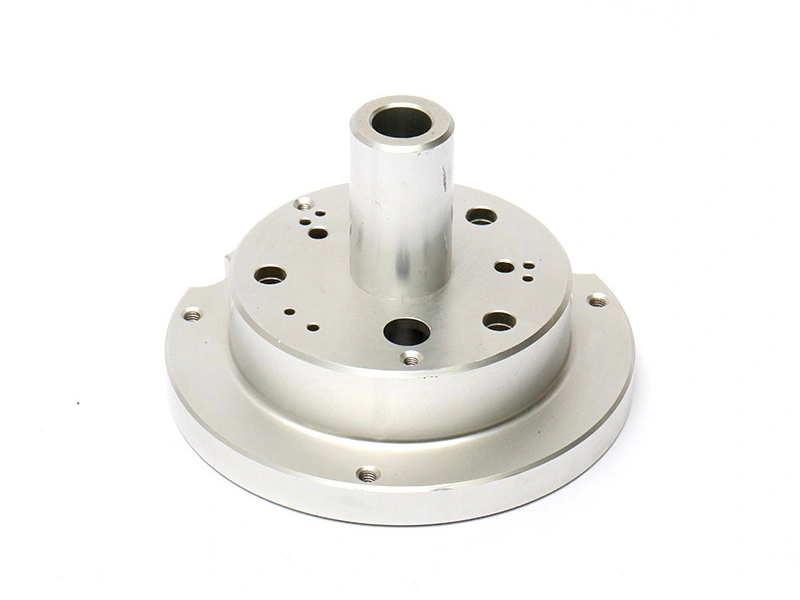
CNC machining may still be required for threaded holes, bores, datums, sealing faces, or high-control mating surfaces. The cost-effective approach is to machine only the features that affect function or inspection.
The drawing should identify as-cast surfaces, machined surfaces, and post-finish dimensions. This prevents over-quoting unnecessary machining and under-quoting required features.
How Do Surface Finishes Change Zamak Cost?
Surface finishes change Zamak cost because finishing can add polishing, cleaning, masking, plating, coating, inspection, and packaging requirements. For visible parts, finishing may become more expensive than the casting operation if cosmetic standards are strict.
Electroplating, chrome plating, powder coating, polishing, tumbling, and deburring may be relevant depending on appearance and service environment.
Buyers should define finish type, visible surfaces, masked areas, post-finish dimensions, corrosion exposure, and packaging requirements. Clear finish standards reduce sorting and rework.
When Is Zamak Die Casting Not The Most Cost-Effective Route?
Zamak die casting may not be the most cost-effective route when volume is too low for tooling, the design is still changing, the part is too large, the application needs low weight, or the finish and inspection requirements create excessive rework.
For early design validation, buyers may consider 3D printing prototyping or CNC prototypes before production tooling. For low-volume metal parts with simple geometry, machining may be more practical. For lightweight or thermal applications, aluminum die casting may be reviewed.
The best route depends on total cost over the production stage, not only unit casting cost.
What RFQ Details Help Confirm Cost-Effectiveness?
RFQ details help confirm cost-effectiveness by allowing the supplier to estimate tooling, casting, secondary operations, finishing, inspection, and packaging accurately.
RFQ Detail | Cost Question Answered | Supplier Review Area |
|---|---|---|
Annual volume and program duration | Can tooling cost be justified? | Die investment and production planning |
3D model and controlled drawing | Is the design suitable for Zamak die casting? | Tooling, parting line, draft, and ejection |
Machined and threaded features | How much secondary work is needed? | CNC, tapping, fixtures, and gauges |
Finish and cosmetic standard | How much finishing and sorting are required? | Plating, coating, polishing, and visual inspection |
Inspection and packaging requirements | What quality and handling costs apply? | Quality plan and shipment protection |
Related FAQs