What Are The Applications of Thin-Walled MIM Part Across Industries?
Thin-walled MIM parts are used when a small metal component needs reduced mass, compact packaging, detailed geometry, and repeatable production in one manufacturing route. This FAQ explains how Neway applies metal injection molding to thin-wall brackets, housings, clips, gears, latch inserts, shielding parts, medical hardware, electronic mechanisms, telecom hardware, locking system parts, and power tool components. The practical RFQ problem is to decide whether the thin-wall feature can be molded, debound, sintered, supported, inspected, and finished without distortion or excessive secondary machining.
What are thin-walled MIM parts?
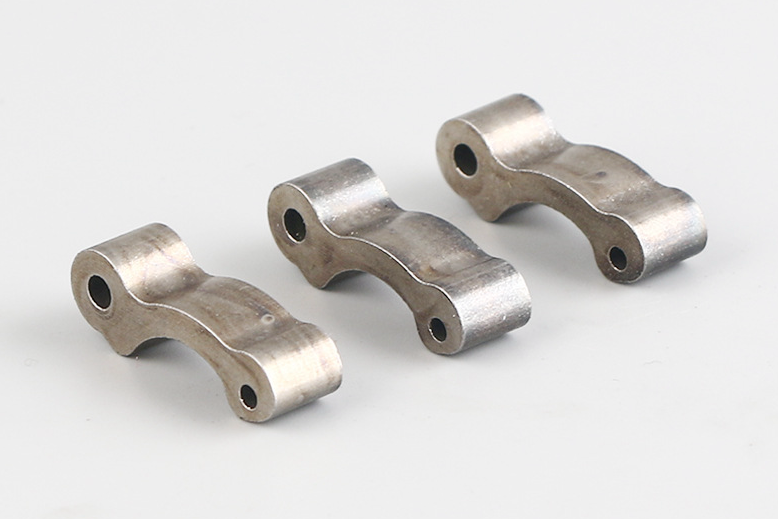
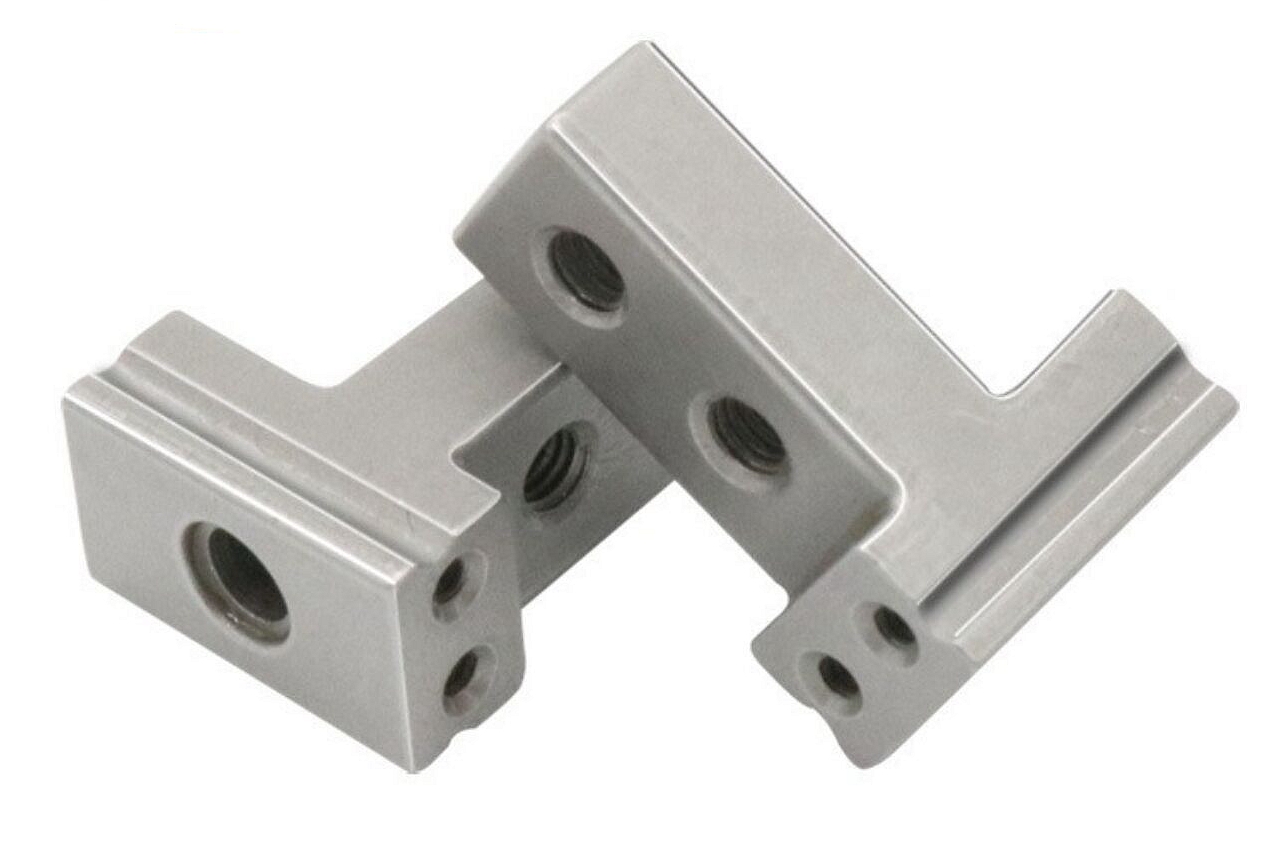
Thin-walled MIM parts are small metal components with wall sections, ribs, shells, slots, pockets, or compact structural areas that reduce weight while keeping a functional metal feature. In MIM, the part is molded from metal powder feedstock, debound, and sintered into a final metal component. The thin wall must survive molding, debinding, sintering, and handling.
Thin-wall MIM is considered when machining would remove too much material, when casting cannot hold small details, or when stamping cannot create the three-dimensional geometry. The part still needs a process review because thin walls can increase fill risk, distortion risk, and inspection difficulty.
Thin-wall MIM feature | Why buyers use it | Typical part examples | RFQ risk to define |
|---|---|---|---|
Thin structural shell | Reduces mass while keeping metal stiffness. | Mini housings, covers, brackets, smart lock inserts | Flatness, wall support, sintering orientation |
Thin rib or pocket | Adds strength without solid material mass. | Tool parts, carriers, medical hardware, electronics supports | Fill balance, transitions, corner radius, inspection access |
Small slot or window | Provides assembly, sensor, latch, or airflow function. | Connector parts, sensor brackets, latch components | Debinding support, edge condition, warpage |
Integrated thin-wall mechanism | Combines multiple features into one small metal part. | Gears, cams, pawls, micro levers, lock parts | Datum control, wear surfaces, secondary machining need |
Which industries use thin-walled MIM parts?
Consumer electronics use thin-walled MIM parts for hinges, brackets, miniature structural parts, wear inserts, shielding features, and compact mechanisms. Medical and dental devices may use thin-walled MIM parts for small instrument features, stainless hardware, and precision components where material and surface requirements are defined.
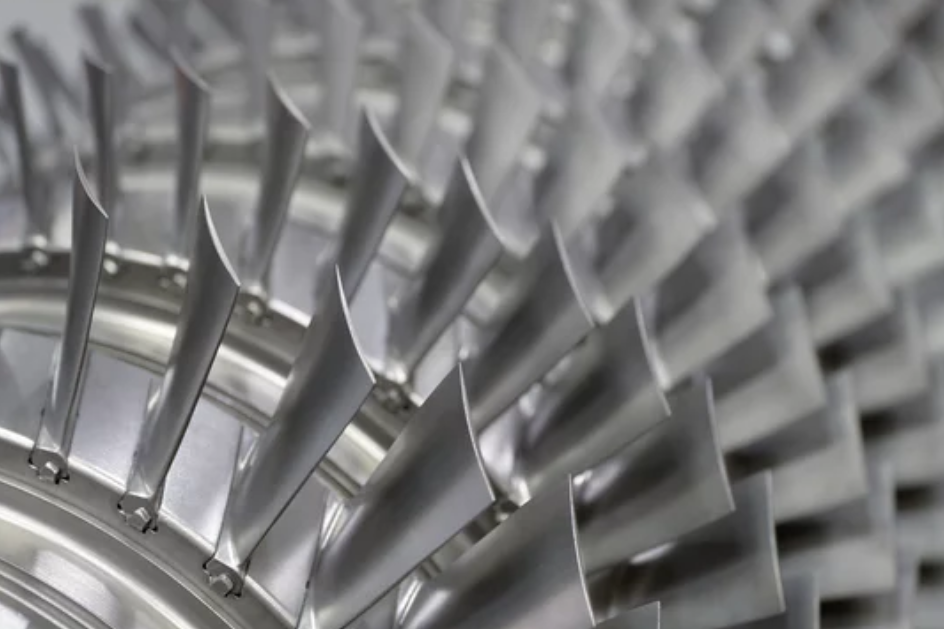
Automotive systems may use thin-wall MIM for small mechanism parts, sensor hardware, actuator components, and brackets. Locking systems may use thin-wall MIM for latch inserts, pawls, cams, gears, anti-pry features, and compact smart lock transmission parts. Telecom, aerospace hardware, and power tools may use thin-wall MIM where compact metal geometry and repeated production are required.
The industry is only a starting point. Neway still checks material, geometry, wall balance, annual volume, tolerance, surface finish, and inspection before recommending thin-wall MIM.
Which design features make thin-walled MIM useful?
Thin-wall MIM is useful when the part needs metal strength in a compact space. Examples include ribs that carry load, slots that locate a mating part, pockets that reduce mass, integrated bosses that reduce assembly, and small shells that protect mechanisms. These features can reduce part count if they are designed for molding and sintering.
Design features should follow MIM rules. Wall transitions should be gradual where possible. Corners should avoid unnecessary stress concentration. Gate location should support filling. Ejection and parting line should be reviewed. Sintering support surfaces should be planned early. Critical datums should be identified so the tool and inspection plan can protect them.
If the thin-wall feature is cosmetic only, another process may be more practical. If the thin wall controls load, alignment, or assembly, Neway reviews whether MIM can hold the shape as-sintered or whether machining, sizing, coining, or fixtures are needed.
What materials and secondary operations are common for thin-walled MIM?
Material selection depends on the thin-wall function. MIM 316L may be reviewed for corrosion-resistant thin parts. MIM 17-4 PH may be reviewed for stronger thin structural parts. MIM 420, MIM 440C, low-alloy steels, tool steels, titanium alloys, and magnetic alloys may be considered for specific wear, strength, weight, or magnetic requirements.
Secondary operations may include sizing, CNC machining, tapping, polishing, tumbling, heat treatment, passivation, PVD coating, and inspection fixtures. These operations should be planned before tooling because thin walls leave less room for stock removal and can be sensitive to heat treatment or coating effects.
What manufacturing risks limit thin-walled MIM?
Thin-walled MIM parts can face filling risk, debinding damage, sintering distortion, warpage, edge damage, and inspection difficulty. A very thin rib, long slot, or unsupported wall may look simple in CAD but behave differently during molding and sintering. Uneven wall thickness can also produce different shrinkage across the part.
Neway reviews part orientation, support, wall thickness balance, gate position, mold strength, debinding route, sintering setter, and secondary operation access. Critical features may need additional inspection, fixtures, or machining allowance. If the thin-wall part cannot be supported reliably, Neway may recommend geometry changes or a different process.
Thin-wall risk | What causes it | Possible effect | Control method |
|---|---|---|---|
Incomplete filling | Long flow path, thin section, gate limitation | Weak areas or short shots | Gate review, wall transition review, mold flow discussion |
Debinding or handling damage | Fragile brown part and unsupported thin features | Cracking or edge damage before sintering | Support strategy and careful handling plan |
Sintering distortion | Uneven mass, gravity, support, shrinkage variation | Flatness, profile, or hole position drift | Sintering setter, orientation, fixture and sampling plan |
Finishing change | Machining, polishing, heat treatment, coating | Clearance or edge geometry shift | Define no-finish zones, datums, and coating limits |
What RFQ information helps Neway quote thin-walled MIM parts?
A useful RFQ should include 3D models, 2D drawings, wall thickness areas, critical dimensions, annual volume, material preference, load direction, cosmetic surfaces, machined features, threads, heat treatment, surface treatment, inspection method, and assembly mating parts. Buyers should mark which thin-wall features are structural and which are only weight-reduction or packaging features.
Neway can then decide whether the part is suitable for thin-wall MIM, MIM with secondary machining, MIM with geometry changes, or another manufacturing route. The decision should be based on wall stability, shrinkage control, material behavior, inspection access, and production volume.
Related FAQs
Which design factors affect dimensional accuracy in precision MIM parts?
How are tight-tolerance components controlled during the MIM shrinkage process?
What tooling considerations are important for high-volume MIM production?
What tolerances can precision metal injection molding services typically achieve?