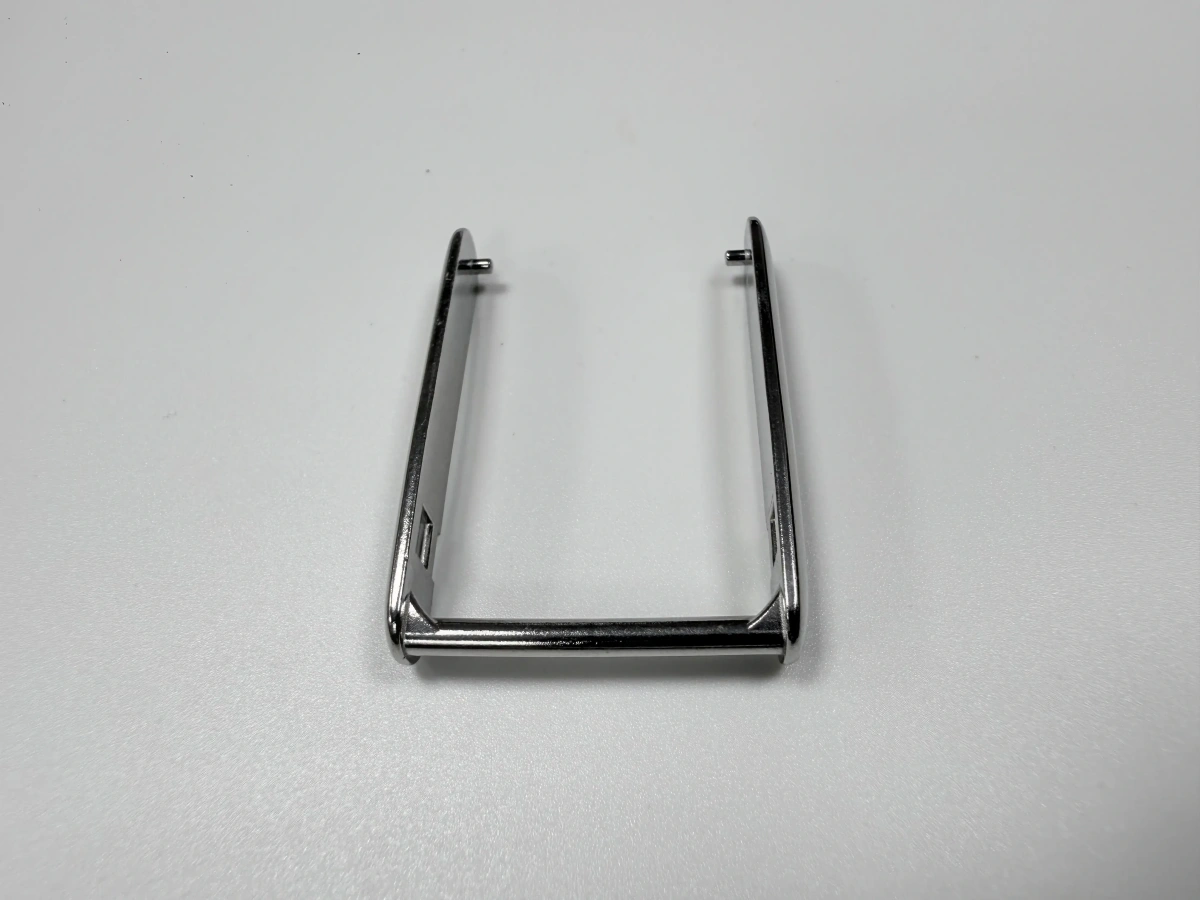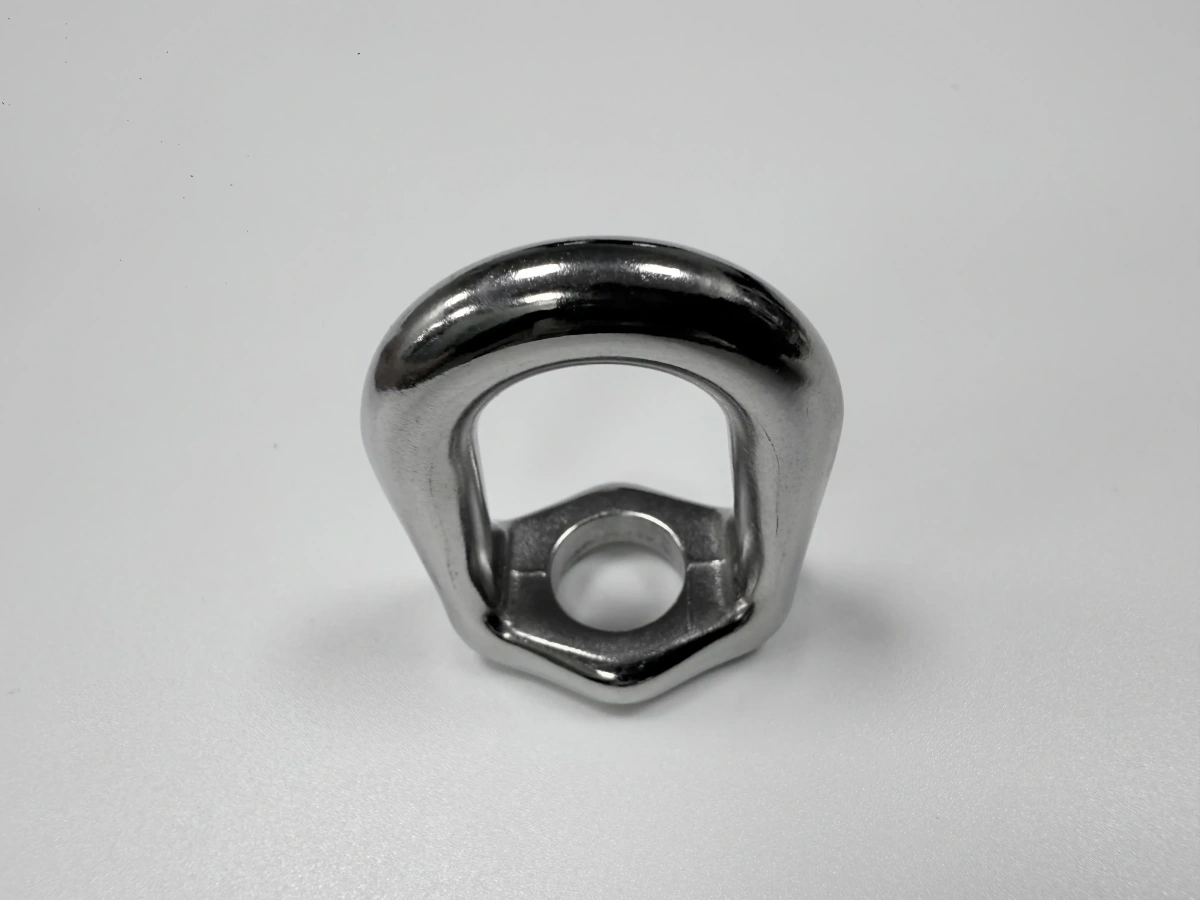
Precision Manufacturing for Surgical Instruments & Devices
Surgical Instrument Manufacturing RFQ Decision: This article explains how buyers can specify metal injection molding, micro CNC machining, precision casting, prototyping, passivation, electropolishing, and dimensional inspection for surgical instrument components and medical device parts. The practical RFQ problem is deciding which process, stainless steel grade, surface finish, prototype validation, and inspection evidence should be quoted before the buyer begins regulatory, sterilization, or clinical qualification.
Surgical instrument parts require clear manufacturing boundaries. A forceps jaw, endoscopic linkage, biopsy tool component, orthopedic driver, micro blade, handle insert, and device housing may all be called medical components, but each part has different geometry, tolerance, surface finish, cleaning, and traceability needs. Buyers should state whether the RFQ covers a prototype, design validation sample, first article, or production part because medical device release decisions remain tied to the buyer's controlled qualification process.
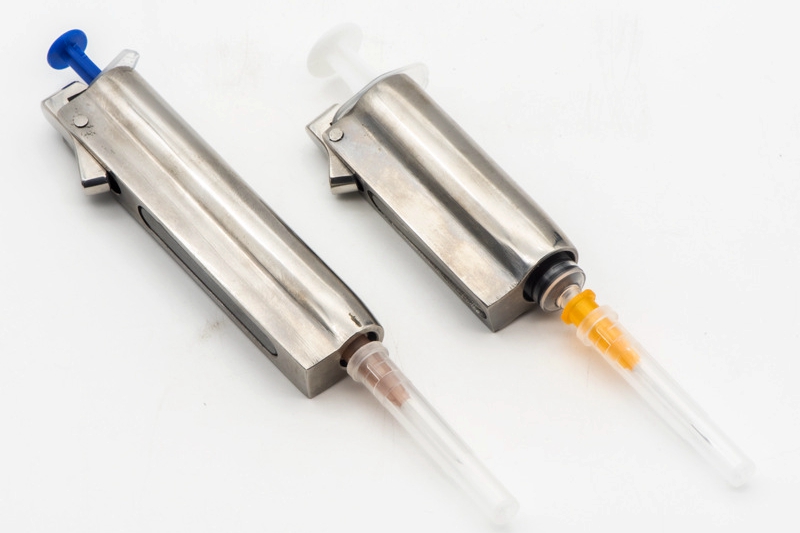
Which Surgical Instrument Part Is Being Manufactured?
The first RFQ question is the part function. Surgical instrument jaws, ratchets, hinges, linkages, blade holders, and endoscopic mechanisms often need small features, clean edges, and repeatable assembly interfaces. Medical device housings and brackets may need precision casting or CNC machining when size, rigidity, or prototype timing is more important than high-volume MIM tooling.
Buyers should identify critical-to-quality features on the drawing instead of asking generally for high precision. Relevant feature names include pivot holes, jaw teeth, blade slots, suture grooves, threaded holes, sealing faces, and datum pads. When the drawing marks these features clearly, the supplier can choose the manufacturing route, machining sequence, and inspection method with less ambiguity.
Medical Part Type | Likely Process Route | RFQ Risk To Clarify | Inspection Evidence |
|---|---|---|---|
Small surgical jaw or linkage | MIM plus secondary machining | Sintering shrinkage, hinge fit, edge detail | CMM report and feature inspection |
Micro-machined blade or cutting insert | CNC machining prototype or precision machining | Sharpness, burr control, surface finish | Dimensional inspection and edge review |
Medical device housing or bracket | Precision casting or CNC machining | Flatness, sealing surface, assembly datum | First article report and surface finish record |
Design validation sample | CNC machining prototyping or rapid prototype route | Material representation, fit check, test purpose | Prototype inspection and buyer test support data |
When Should Buyers Choose MIM For Surgical Instrument Components?
MIM is a strong candidate when surgical instrument components are small, geometrically complex, and expected to move beyond prototype quantities. Metal injection molding can support jaws, levers, hinges, ratchet features, and small structural elements that would be costly to machine one feature at a time. The buyer still needs to define machined datums, threaded holes, sharp edges, and inspection requirements because MIM shrinkage and sintering behavior affect final dimensional control.
The RFQ should include annual volume expectation, tooling status, material grade, critical tolerances, and whether secondary machining is acceptable. If the part is still changing, CNC machining prototyping may be more suitable for early fit checks before MIM tooling. If the part geometry has stabilized, MIM can be evaluated against machining and precision casting using the same datum scheme and acceptance requirements.
Which Stainless Steel Or Medical Material Should Be Specified?
Material selection should be tied to function, sterilization exposure, corrosion resistance, wear, and buyer-controlled device qualification. Stainless steel grades such as 17-4 PH, 316L, and 420 stainless steel appear often in MIM and machined component discussions, but the correct grade depends on the component's load, surface contact, corrosion exposure, and downstream validation. The MIM materials page and stainless steel references for 17-4 PH, 316/316L, and MIM 420 stainless steel can support early comparison.
Buyers should avoid vague material notes such as "medical grade metal" without a grade, standard, or acceptance requirement. A useful RFQ names the grade, heat treatment condition when relevant, surface finish, passivation expectation, and any buyer-specific documentation requirement. If material compatibility or biocompatibility evidence is required, the RFQ should state which evidence the buyer expects from manufacturing and which evidence the buyer will validate separately.
How Should Surface Finish And Sterilization Exposure Be Defined?
Surface finish should be specified by function, not appearance alone. Surgical instrument parts may need burr control, passivation, polishing, electropolishing, or controlled as-machined finishes depending on cleaning, assembly, tactile function, and corrosion resistance. The RFQ should identify surfaces that contact mating parts, surfaces that require smooth cleaning paths, and surfaces where coating or polishing may change dimensions.
Relevant surface process references include electropolishing, passivation, and polishing. If the component must withstand steam sterilization cycles, the RFQ should state the sterilization exposure, material requirement, surface treatment scope, and any buyer-controlled test standard. Manufacturing documentation can support the buyer's release package, but final device qualification remains the buyer's responsibility.
What Inspection Evidence Should Medical Device Buyers Request?
Inspection evidence should focus on the features that affect assembly, function, and release. CMM inspection can support pivot holes, datums, hole patterns, jaw alignment, and machined surfaces. Visual and surface finish inspection can support burr control, edge condition, and cleaning-sensitive features. Material verification can support alloy confirmation when the drawing requires a specific stainless steel or alloy.
Buyers should request inspection by production stage. Prototype reports may focus on fit and material representation. First article inspection may focus on critical features and process capability review. Production inspection may focus on sampling level, lot traceability, and buyer-defined acceptance features. CMM dimensional inspection and spectrometer alloy control are useful references when defining evidence for metal medical parts.
RFQ Requirement | Manufacturing Detail To Provide | Buyer Decision Supported |
|---|---|---|
Critical feature list | Pivot holes, teeth, slots, datums, edge condition | Process selection and inspection planning |
Material grade | 17-4 PH, 316L, 420 stainless steel, or approved material family | Supplier quotation and buyer validation scope |
Surface finish | Passivation, polishing, electropolishing, burr requirement | Cleaning, corrosion, assembly, and dimensional review |
Production stage | Prototype, design validation sample, first article, production lot | Report depth and qualification sequence |
What Should Buyers Include In A Surgical Instrument RFQ?
A surgical instrument RFQ should include 3D CAD, 2D drawings, material grade, process preference, production stage, prototype quantity, expected annual volume, critical dimensions, surface finish, sterilization exposure, secondary machining, and required inspection reports. For MIM parts, buyers should identify tooling status, shrinkage-sensitive dimensions, machined datums, and any features that cannot be rounded. For CNC prototypes, buyers should identify test purpose, material representation, and whether the prototype must match final surface finish.
Important decisions should be stated directly. If MIM is being considered to replace machining, the RFQ should ask for tooling, secondary machining, and inspection implications. If micro machining is needed for a surgical blade feature, the RFQ should state edge consistency and burr limits. If the buyer must prepare a regulated device file, the RFQ should separate manufacturing evidence from buyer-controlled regulatory approval.
Related FAQs
What materials and surface treatments suit steam-sterilized surgical instruments?
Can MIM medical parts match the mechanical properties of machined components?
How can micro-machined surgical blades achieve sharpness and consistency?
What medical device quality-system requirements should be reviewed for MIM parts?
How should buyers choose a manufacturing process for prototype cost, speed, and validation?
What inspection methods are used for tight-tolerance MIM components?