Benefits and Industrial Applications of Custom Insert Molding Parts
Custom Insert Molding Parts Application Decision: This article explains how buyers can evaluate insert molding for custom molded parts that combine plastic with metal inserts, threaded bushings, pins, terminals, shafts, magnets, sensors, or preformed plastic components. The practical RFQ problem is deciding whether insert material, plastic resin, insert loading, mold protection, retention strength, and inspection evidence can support the industrial application.
How Does Insert Molding Combine Inserts And Plastic Into One Part?
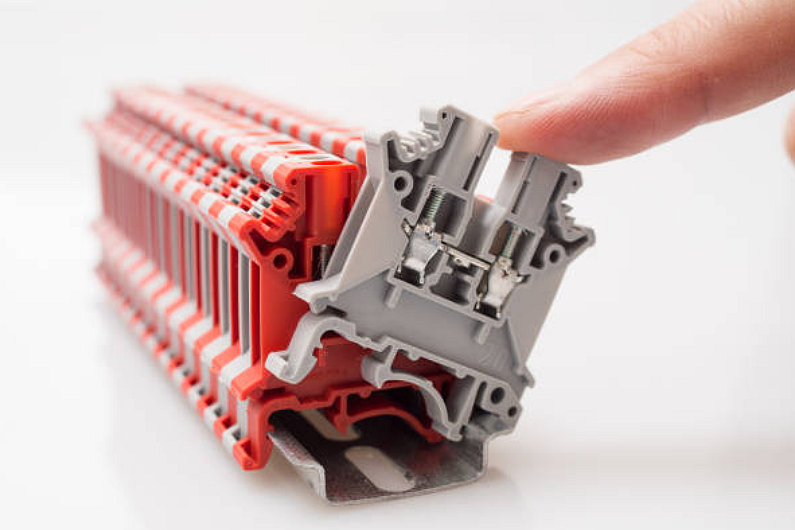
Insert molding places a prepared insert into the mold cavity before molten plastic is injected around the insert. After cooling and ejection, the molded plastic and insert become one integrated component. The process can reduce separate assembly steps, protect the insert, add plastic insulation, improve handling, or create a stronger interface than a pressed-in part when the design is suitable.
Insert molding is not only a plastic molding step. The process also depends on insert preparation, fixture accuracy, mold protection, resin flow, thermal exposure, shrinkage, and retention testing. A metal insert that shifts during injection can damage the tool or produce a part that fails assembly even if the plastic shell looks acceptable.
Buyers should treat the insert as a functional feature. Threaded inserts, electrical terminals, shafts, bushings, pins, and magnets usually need position control, pull-out strength, torque resistance, insulation clearance, or leak control. Those requirements should be shown on the drawing before the tool design is reviewed.
Which Inserts And Plastic Materials Should Buyers Specify?
The insert and plastic resin must work together during molding and in the final application. The insert must tolerate molding temperature and pressure, while the plastic must flow around the insert without creating voids, flash, cracks, or excessive stress.
Insert Or Plastic Entity | Common Use In Insert Molded Parts | RFQ Confirmation Needed |
|---|---|---|
Brass threaded inserts | Reusable screw joints, mounting bosses, and enclosure hardware | Confirm thread standard, knurl pattern, insert position, pull-out force, and torque requirement. |
Stainless steel or steel pins | Hinges, pivots, shafts, stops, and load-bearing alignment features | Confirm coating, corrosion exposure, straightness, retention feature, and dimensional datum. |
Copper terminals or contacts | Electrical connectors, sensors, battery interfaces, and conductive paths | Confirm plating, contact area, insulation clearance, flash limits, and electrical test need. |
Magnets or sensor elements | Switches, position sensing, locking devices, and embedded functional assemblies | Confirm orientation, thermal exposure, magnetic property retention, and handling method. |
Housings, covers, handles, and structural plastic around inserts | Confirm impact need, heat exposure, appearance surface, and stress around the insert. | |
Nylon PA, PBT, POM, or PPS plastic | Mechanical, electrical, wear, or heat-related insert molded components | Confirm moisture behavior, dimensional stability, chemical exposure, and functional testing. |
If the buyer does not have a final resin grade, the RFQ should define the operating environment and functional requirement. Temperature, chemical exposure, moisture, electrical insulation, thread load, assembly torque, and visual requirements all affect resin selection.
Which Industrial Applications Use Custom Insert Molded Parts?
Insert molding is used when a product needs the strength, conductivity, magnetism, thread function, or alignment of an insert together with the shape, insulation, or ergonomics of molded plastic. It is common in electronics, industrial equipment, automotive systems, medical device programs, lighting products, appliances, consumer devices, and fluid-control assemblies.
Application Area | Typical Insert Molded Part | Buyer Requirement To Define |
|---|---|---|
Electrical and electronics | Connector bodies, terminal housings, switch parts, sensor mounts, and insulating carriers | Confirm creepage distance, terminal position, flash control, electrical test, and material rating. |
Automotive and mobility | Clips, brackets, threaded mounts, sensor holders, connectors, and vibration-resistant assemblies | Confirm temperature cycle, vibration exposure, insert retention, and buyer-specific documentation. |
Industrial equipment | Knobs, handles, machine covers, gear supports, guide parts, and threaded plastic assemblies | Confirm load case, chemical exposure, wear contact, assembly torque, and dimensional inspection. |
Medical or laboratory device programs | Small housings, connectors, handheld device parts, and insulated components | Confirm cleaning exposure, material compliance request, validation route, and buyer acceptance criteria. |
Fluid control and sealing assemblies | Valve components, fittings, filter parts, pump inserts, and threaded ports | Confirm media compatibility, leak test need, thread sealing, and insert movement limit. |
For regulated or safety-related applications, insert molded parts may be considered only when the buyer defines qualification requirements, inspection records, and acceptance criteria. Manufacturing feasibility does not replace product-level validation.
What Benefits Does Insert Molding Provide Compared With Assembly?
Insert molding can reduce separate fastening, adhesive bonding, press-fitting, and manual assembly when the insert can be placed reliably in the mold. The benefit is strongest when the insert-molded interface improves retention, insulation, sealing, or part consolidation.
Buyer Objective | How Insert Molding Can Help | Condition For Success |
|---|---|---|
Improve insert retention | Plastic flows around knurls, holes, grooves, or undercuts to lock the insert | Insert geometry and plastic shrinkage must support the required pull-out and torque resistance. |
Reduce assembly variation | Insert position is controlled by tool fixtures instead of post-mold manual placement | Fixture design and insert loading must keep the insert stable during injection. |
Protect electrical or metal features | Molded plastic can insulate, locate, and partially encapsulate terminals or pins | Flash limits, exposed contact zones, and electrical clearance must be defined. |
Improve sealing or containment | Plastic can form a controlled body around a fitting, terminal, or metal feature | Material compatibility, leak testing, and interface geometry must be reviewed. |
Consolidate parts | Multiple parts can become one molded assembly where the design allows | Tooling, insert supply, inspection, and replacement strategy must support production. |
Insert molding is not automatically better than post-mold assembly. If the insert must be replaced, adjusted, soldered after molding, or protected from molding heat, a separate assembly route may be more practical.
Which Design Features Control Insert Retention And Durability?
Insert retention depends on the interface between insert geometry and molded plastic. Knurls, undercuts, grooves, holes, flats, roughened surfaces, flanges, and headed features can improve mechanical locking. The plastic wall around the insert must also be thick and supported enough to resist cracking or creep under load.
Buyers should identify pull direction, torque direction, bending load, vibration exposure, and thermal cycle. A threaded insert that performs well in axial pull may still rotate if the knurl design or plastic support is weak. A metal terminal that meets position requirements may still flash over if the shutoff surface is not controlled.
The insert molding drawing should show insert orientation, datum references, controlled exposed areas, plastic coverage, no-flash zones, critical dimensions, and any required retention test. Without those details, the quoted part may not match the functional risk.
Where Can Insert Molding Create Manufacturing Risks?
Insert molding creates extra manufacturing risks because the mold must close around a preloaded insert. Common risks include insert misplacement, mold damage, insert movement under injection pressure, flash around metal edges, sink around thick insert areas, stress cracking, voids, incomplete encapsulation, and heat damage to sensitive inserts.
Manufacturing Risk | Likely Cause | Control Or Inspection Method |
|---|---|---|
Insert shift | Weak fixture, high melt pressure, poor insert fit, or inconsistent loading | Use location features, in-process checks, CMM inspection, or functional gauges. |
Flash around insert | Poor shutoff, insert tolerance variation, or mold wear | Define no-flash zones, inspect contact areas, and control insert dimensions. |
Plastic cracking near insert | Stress concentration, insufficient plastic support, thermal mismatch, or over-torque | Review boss geometry, torque limits, material selection, and assembly method. |
Poor retention | Smooth insert surface, weak mechanical lock, resin creep, or low plastic support | Specify knurl or groove geometry and verify with pull-out or torque testing. |
Insert contamination | Oil, plating residue, debris, or handling marks before molding | Define insert cleaning, packaging, handling, and incoming inspection requirements. |
These risks can be managed, but they should be reviewed before tooling. A late change to insert shape, coating, or tolerance can require mold changes and new sample validation.
How Should Buyers Inspect Insert Molded Parts?
Inspection should prove that the insert is in the correct location and can perform its function after molding. Dimensional inspection may use CMM, optical inspection, pin gauges, thread gauges, custom fixtures, or go/no-go gauges. Functional inspection may include pull-out tests, torque tests, electrical continuity, insulation checks, leak tests, or assembly trials.
For first samples, buyers should request evidence for critical insert locations, exposed metal areas, thread function, plastic coverage, and any retention requirement. For production, the inspection plan may include incoming insert checks, in-process insert presence detection, molded part sampling, visual inspection, and packaging controls to protect exposed terminals or threads.
If the part is used in automotive, medical, electrical, or other controlled programs, the buyer should state the required documentation. Material certificates, first article inspection, functional test records, and traceability needs should be defined before quotation.
What Should A Custom Insert Molding RFQ Include?
A complete insert molding RFQ should include both the plastic part information and the insert information. The manufacturing review needs to understand how the insert will be loaded, protected, located, encapsulated, tested, and approved.
RFQ Information | Why It Matters For Insert Molding | Buyer Confirmation Needed |
|---|---|---|
Plastic part CAD and drawing | Defines molded geometry, datum features, tolerances, surface notes, and inspection dimensions | Confirm drawing revision, critical dimensions, no-flash zones, and visible surfaces. |
Insert drawing and material | Controls fixture design, shutoff surfaces, thermal behavior, and retention strategy | Provide insert material, finish, coating, tolerance, and supplied-part responsibility. |
Resin grade or performance requirement | Affects flow around the insert, shrinkage, strength, insulation, and chemical behavior | Confirm resin family, filler, color, material certificate need, and use environment. |
Retention and functional tests | Links the insert molded interface to measurable acceptance evidence | Define pull-out, torque, leak, electrical, or assembly tests if required. |
Production stage and quantity forecast | Influences tool design, insert loading method, automation, cavity count, and inspection planning | Confirm prototype, pilot, or production stage and expected order pattern. |
Regulatory or buyer-specific documentation | Determines material records, traceability, process controls, and sample approval path | State required reports and final validation responsibility. |
Custom insert molding can make industrial parts more durable and easier to assemble when insert geometry, resin selection, mold design, and inspection evidence are aligned. The strongest projects define the insert function first, then build the molding route around that function.
Related FAQs