How do powder metallurgy parts compare with forgings in cost and performance?
Powder metallurgy parts and forgings should be compared by geometry, material utilization, tooling cost, production volume, density, fatigue load, impact load, tolerance, heat treatment, and secondary machining. This FAQ explains how Neway reviews metal injection molding, powder metallurgy, powder pressing, sintering, forging alternatives, and post-processing for gears, lock parts, power tool components, bushings, levers, and compact metal mechanisms. The practical RFQ problem is to decide when a near-net-shape powder route can reduce machining and feature cost, and when a forging route is still needed for heavy-load performance.
Which part features define the PM vs forging decision?
The decision starts with part size, geometry complexity, wall thickness, internal features, load case, tolerance, surface condition, and annual volume. Powder metallurgy can be attractive when the part has small complex features or high material waste in machining, while forging is often reviewed when the part needs high bulk strength under severe load.
Metal injection molding is a powder-based route for small complex metal parts that need near-net-shape features. Powder pressing molding can support selected compacted parts with simpler pressing direction. Forging usually creates a wrought structure before machining. Buyers should identify whether the real need is feature integration, cost reduction, strength, fatigue resistance, impact resistance, or dimensional repeatability.
Buyer decision entity | Powder metallurgy route implication | Forging route implication |
|---|---|---|
Complex small geometry | Can integrate holes, slots, teeth, hubs, and small features near net shape | May require more machining after forging |
High impact or fatigue load | Requires density, heat treatment, and validation review | Often reviewed when wrought structure is critical to the load case |
Production volume | Tooling can be justified when volume supports near-net-shape savings | Tooling, machining, and material use must be compared by part size |
Secondary operations | May need sizing, coining, machining, heat treatment, or finishing | Usually needs machining, heat treatment, and finishing after forging |
How do cost drivers differ between powder metallurgy and forging?
Powder metallurgy cost is driven by powder material, feedstock or pressing route, tooling, sintering, density control, sizing, secondary machining, heat treatment, and inspection. Forging cost is driven by billet material, forging dies, press or hammer process, flash or trimming, machining allowance, heat treatment, and inspection.
A powder route may reduce material waste and machining time when the component has complex geometry, many small features, or high-volume repeatability. Forging may be more practical for larger load-bearing parts or parts where the buyer's validation requires forged material behavior. Neway compares process route, material loss, tooling, post-processing, inspection, and production volume rather than treating one route as automatically lower cost.
How do performance factors compare for PM, MIM, and forged parts?
Performance comparison should include density, tensile behavior, fatigue resistance, impact resistance, wear resistance, heat treatment response, corrosion resistance, and dimensional stability. A powder part can work well for many compact mechanisms, but the buyer should validate the specific load case rather than assume performance from the process name.
Resources such as material density and mechanical properties of MIM and forged parts can support early process comparison. MIM material options such as MIM 17-4 PH, MIM 316L, MIM 4140, MIM 8620, and MIM 9310 should be reviewed by material target, heat treatment, and validation method.
Performance factor | Powder metallurgy review point | Forging review point |
|---|---|---|
Density and porosity | Sintering, densification, and inspection method | Forging reduction, inclusions, and machining stock |
Fatigue resistance | Density, surface condition, notch geometry, and heat treatment | Grain flow, machining marks, and heat treatment |
Wear resistance | Material, surface finish, heat treatment, and lubrication | Material, heat treatment, grinding, and coating |
Dimensional repeatability | Shrinkage control, tooling, sizing, and final inspection | Die control, machining, fixturing, and final inspection |
When is a powder route a better RFQ candidate?
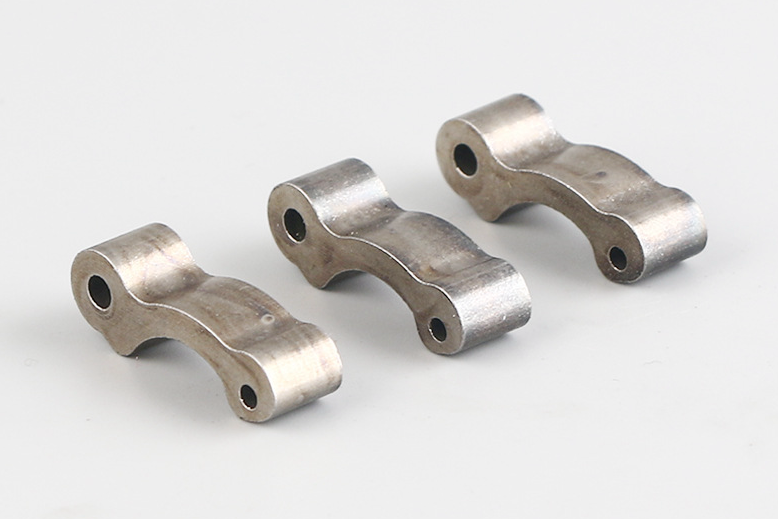
A powder route becomes a strong RFQ candidate when the part is small, complex, high-volume, difficult to machine efficiently, or designed with features that can be integrated into the mold or compacting tool. MIM is especially relevant for compact metal parts with undercuts, fine features, gear teeth, holes, or multi-function geometry.
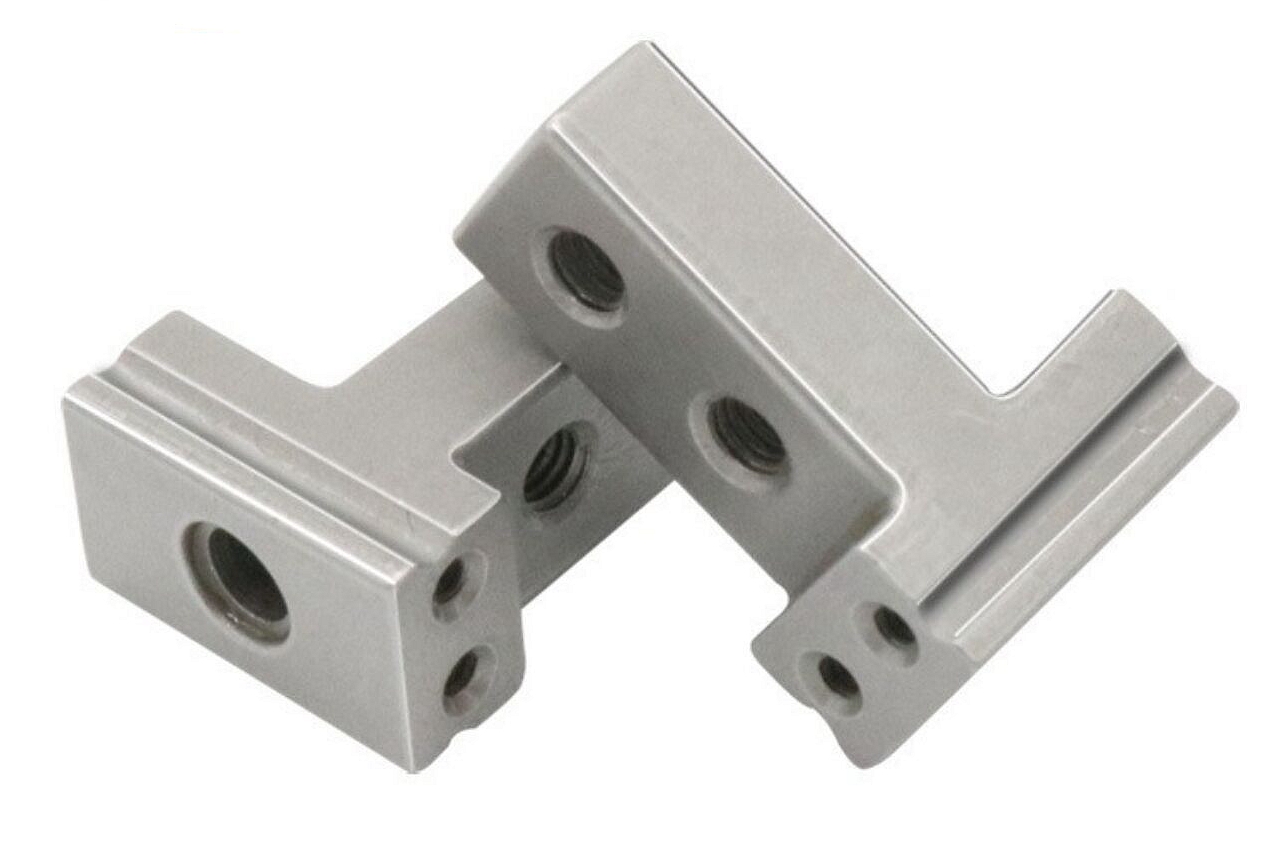
Examples may include small gears, lock parts, levers, brackets, power tool components, precision housings, and internal mechanisms. Powder routes should still be reviewed for minimum wall sections, tolerance, sintering shrinkage, material grade, heat treatment, and secondary operations. Buyers should request process comparison when the part has both complex geometry and high mechanical load.
How do heat treatment, surface finishing, and inspection change the comparison?
Heat treatment, surface finishing, and inspection can change both cost and performance. The fair comparison should include the final condition required by the drawing, not only the as-formed PM part or the as-forged blank.
Heat treatment may be needed for strength, wear, fatigue, or dimensional stability. Surface finishing may be needed for corrosion, wear, friction, appearance, or cleaning response. Inspection may include density, hardness, microstructure, dimensional measurement, CMM, surface roughness, fatigue testing, wear testing, and functional assembly testing.
What RFQ details help Neway compare PM and forging?
An RFQ should include 3D CAD, 2D drawing, material preference, target strength, fatigue load, impact load, wear condition, temperature, corrosion exposure, tolerance, surface finish, heat treatment, secondary machining, annual volume, target cost range, sample quantity, and validation method. These details let Neway compare powder metallurgy, MIM, forging, machining, heat treatment, and inspection based on the final part requirement.
The buyer should also state the main decision: lower unit cost, higher strength, less machining, smaller part size, more integrated features, shorter validation path, or known customer specification. That decision helps Neway recommend the route that matches the RFQ risk.
Related FAQs
For miniaturized lock parts, which is better: MIM or investment casting?
What are the pros and limits of MIM vs CNC machining for metal implants?
What benefits does MIM offer over machining for gears in smart locks?
How can custom MIM services maintain part consistency across large production runs?
Which materials are suitable for metal injection molding MIM?
What cost advantages does the MIM process offer compared with CNC machining?
What quality inspection methods are used for tight-tolerance MIM components?