What are the pros and limits of MIM vs CNC machining for metal implants?
MIM and CNC machining can both support metal implant component development, but the better route depends on geometry, material evidence, surface requirements, validation stage, and production volume. This FAQ compares metal injection molding with CNC machining prototyping for titanium implant components, surgical implant trial parts, small fixation features, dental components, spinal device features, and precision medical mechanisms. The practical RFQ problem is to decide which features need MIM near-net-shape forming, which features need CNC machined datums, and which inspection or biological evaluation evidence the buyer must define before choosing a metal implant process route.
When is MIM worth reviewing for metal implant components?
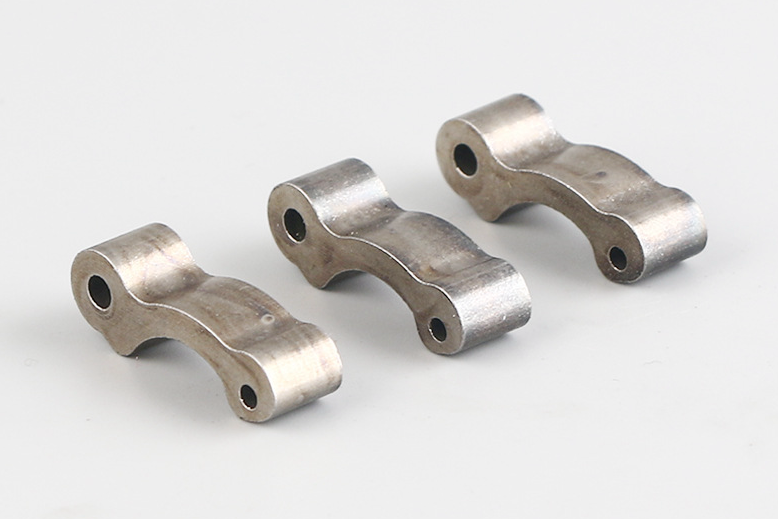
MIM is worth reviewing when the implant-related component is small, geometrically complex, and likely to move beyond prototype quantities. MIM can form features such as small undercuts, textured surfaces, curved links, thin ribs, miniature housings, and repeating details before sintering. This may reduce the amount of subtractive machining needed for complex implant tools, trial components, fixation features, or device mechanisms.
For implantable metal components, titanium alloy MIM routes such as MIM Ti-6Al-4V Grade 5 and MIM Ti-6Al-7Nb Grade 26 may be reviewed only after the buyer defines the target material specification, chemistry, mechanical properties, fatigue requirements, surface condition, and biological evaluation plan. MIM material names should not be treated as automatic medical approval.
The main MIM advantage is geometric efficiency at scale. The main MIM risk is that tooling, debinding, sintering shrinkage, density, heat treatment, and secondary machining must be controlled before the buyer can trust the process for a regulated device program.
When is CNC machining the stronger implant route?
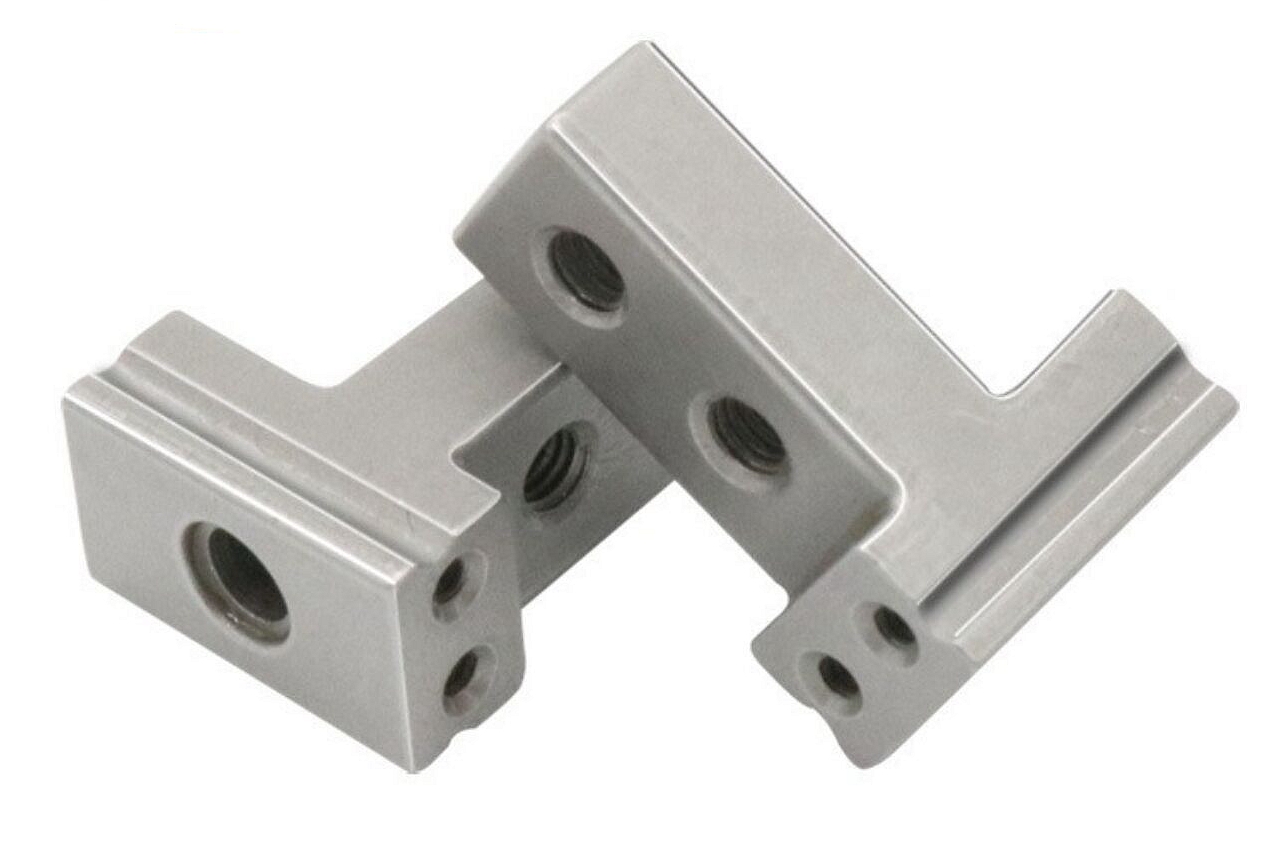
CNC machining is often stronger for early prototypes, low-volume implants, tight datum surfaces, threaded features, bearing interfaces, sealing faces, and parts that must be cut from a specified wrought bar or plate. CNC machining gives the buyer direct control over material stock, machining direction, datum strategy, and surface finish. This can be important when a medical device program needs fast prototypes or a clear comparison against an existing machined implant component.
CNC machining also works well when the design is still changing. A buyer can update the CAD model and drawing without committing to MIM tooling. For implant prototypes, CNC machining is often used to check assembly fit, load response, surface roughness, and functional geometry before choosing a production process.
The main CNC advantage is flexibility and direct material control. The main CNC limitation is that complex small features, deep internal geometry, repeated micro-details, and high-volume production can become expensive or difficult when every feature is cut away from stock.
How do MIM and CNC differ for material and surface evidence?
MIM starts from metal powder and binder, then uses molding, debinding, sintering, and often secondary machining or finishing. The buyer should review feedstock control, sintering density, shrinkage, heat treatment, surface treatment, and lot traceability. CNC machining starts from wrought stock, then uses cutting, deburring, finishing, cleaning, and inspection. The buyer should review material certificates, machining datums, tool marks, burr control, and surface finishing records.
Surface evidence matters because implant components may include bone-contact surfaces, non-contact surfaces, assembly interfaces, and packaging or cleaning-sensitive surfaces. A MIM surface may need machining, polishing, blasting, passivation, or electropolishing depending on the design. A CNC surface may need deburring, polishing, surface finishing, or cleaning validation support. The buyer should map the function of each surface before choosing the process route.
If the implant component needs electropolishing, passivation, controlled roughening, or coating, the RFQ should define the material removal limit, surface roughness target, masking requirement, residual particle concern, and inspection method. Surface finishing is part of the process decision, not a cosmetic afterthought.
Which route fits each buyer decision?
Buyer decision | MIM route advantage | CNC machining advantage | RFQ evidence needed |
|---|---|---|---|
Complex small geometry | Forms repeating details, thin ribs, and near-net-shape features after tooling | Can prototype the geometry before tooling but may require multiple setups | 3D model, wall thickness, parting line limits, and secondary machining allowance |
Critical datum or threaded feature | May require post-sinter machining on critical faces or holes | Directly machines datums, threads, bores, and interface surfaces | Critical dimensions, datum scheme, tolerance, CMM report, and gauge plan |
Material and biological evaluation | Requires powder, sintering, density, and process traceability review | Requires stock material certificate and machining process review | Material grade, contact category, biological evaluation plan, and traceability level |
Production economics | May become attractive when volume justifies tooling and process validation | Can remain better for low volume, changing designs, or simple geometries | Annual volume, revision maturity, validation stage, and cost comparison basis |
This table should be used for RFQ planning, not as a universal rule. A metal implant component may use MIM for the body and CNC machining for datum surfaces, threads, taper features, or high-precision contact areas.
When does a hybrid MIM plus CNC route make sense?
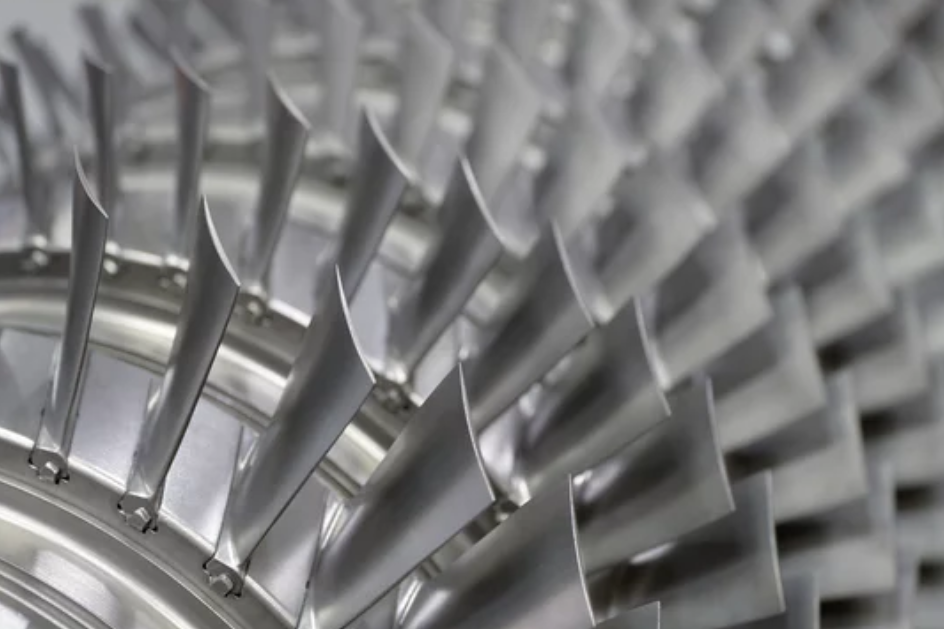
A hybrid route makes sense when MIM can form the complex body but the implant component still needs machined precision on selected features. Examples include a MIM titanium component with post-sinter CNC machining on screw holes, taper seats, blade pockets, bearing surfaces, or flat datum faces. This approach can preserve MIM's geometric advantage while giving the buyer tighter control over critical-to-function features.
The hybrid route should be planned from the beginning. The drawing should identify as-molded surfaces, as-sintered surfaces, machined surfaces, protected surfaces, and inspection datums. The MIM tooling should leave machining stock where needed. The validation plan should include both MIM process controls and CNC machining controls.
Buyers should also decide whether early prototypes will be CNC machined, 3D printed, or made with pilot MIM tooling. 3D printing prototyping can help evaluate geometry and lattice ideas, while CNC prototypes can test material and fit. MIM pilot samples become more useful when geometry is stable enough to justify tooling.
What validation boundaries should buyers set?
Buyers should set validation boundaries before asking for a MIM-versus-CNC quote. Component manufacturing evidence can include material records, dimensional reports, hardness data, surface roughness, fatigue test samples, corrosion test samples, process travelers, and traceability records. Finished implant validation may include biological evaluation, cleaning validation, sterilization validation, packaging validation, and regulatory submission evidence controlled by the buyer.
Neway can support medical device component manufacturing and provide agreed records, but Neway should not be treated as the final approval authority for implant safety or effectiveness. The buyer should define which samples are engineering prototypes, which samples are process validation samples, and which samples support a regulated medical device file.
The best RFQ states the process comparison goal, material grade, part function, annual volume, critical dimensions, surface map, validation stage, inspection report format, and change-control expectation. With that information, Neway can recommend MIM, CNC machining, or a hybrid route without overgeneralizing the implant manufacturing decision.
Related FAQs
How can manufacturing support implant surface osseointegration evaluation?
How should buyers assess long-term biocompatibility of implant materials?
How is full traceability supported for medical regulatory compliance?
What stages lead from implant prototype to approved mass production?
How does Neway support ISO 13485 and medical device quality requirements?
How should buyers choose a manufacturing process for prototype cost, speed, and validation?
Can MIM medical parts match the mechanical properties of machined components?
What tests should be performed on functional prototype parts?