How to optimize manufacturing to improve implant surface osseointegration?
Manufacturing can support implant surface osseointegration only when the buyer defines measurable surface, material, cleaning, and validation requirements before quotation. This FAQ explains how metal injection molding, CNC machining, 3D printing prototyping, ceramic injection molding, surface finishing, and inspection can help create implantable medical component surfaces for buyer evaluation. The practical RFQ problem is to define the implant part type, material grade, bone-contact surface, surface roughness, pore or texture requirement, cleaning requirement, mechanical test, and biological evaluation responsibility without treating the manufacturing route as clinical proof.
What can manufacturing control for implant surface evaluation?
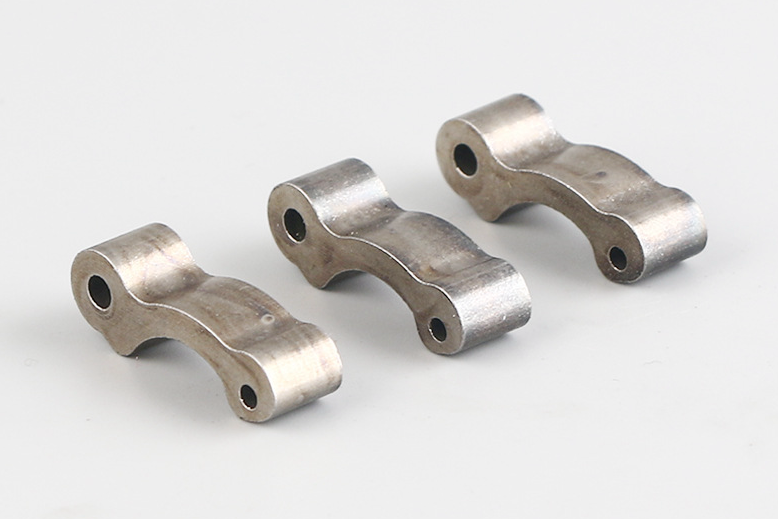
Manufacturing can control geometry, material route, surface texture, secondary finishing, cleanliness, and inspection evidence. For implantable medical components, these controls may support buyer evaluation of bone-contact surfaces, porous structures, dental implant features, orthopedic instrument interfaces, spinal cage surfaces, or implant trial components. The buyer should define which surface is intended for bone contact, which surface is an assembly interface, and which surface is cosmetic or handling-related.
Neway can manufacture prototype and production components, but Neway should not be treated as the clinical authority for osseointegration. Bone response depends on device design, material, surface condition, cleaning, sterilization, packaging, patient factors, surgical use, biological evaluation, and regulatory approval. The buyer or device manufacturer must validate the finished implant system and define acceptance criteria.
The safest RFQ language is specific. Instead of asking for a surface that improves osseointegration, the buyer should state the desired surface roughness range, pore size or texture target where applicable, measurement method, residual particle limit, cleaning process, sterilization exposure, and biological test plan. Manufacturing can then be quoted against measurable requirements.
Which material routes are reviewed for implantable components?
Titanium alloy routes are often reviewed for implantable metal components because titanium alloys are widely used in orthopedic and dental device programs. Neway material pages include MIM Ti-6Al-4V Grade 5 and MIM Ti-6Al-7Nb Grade 26, which may be discussed when small metal components, complex geometries, or high-volume requirements fit the MIM route. Buyers should still confirm the exact medical material specification, chemistry, mechanical properties, and biological evaluation requirements for the target market.
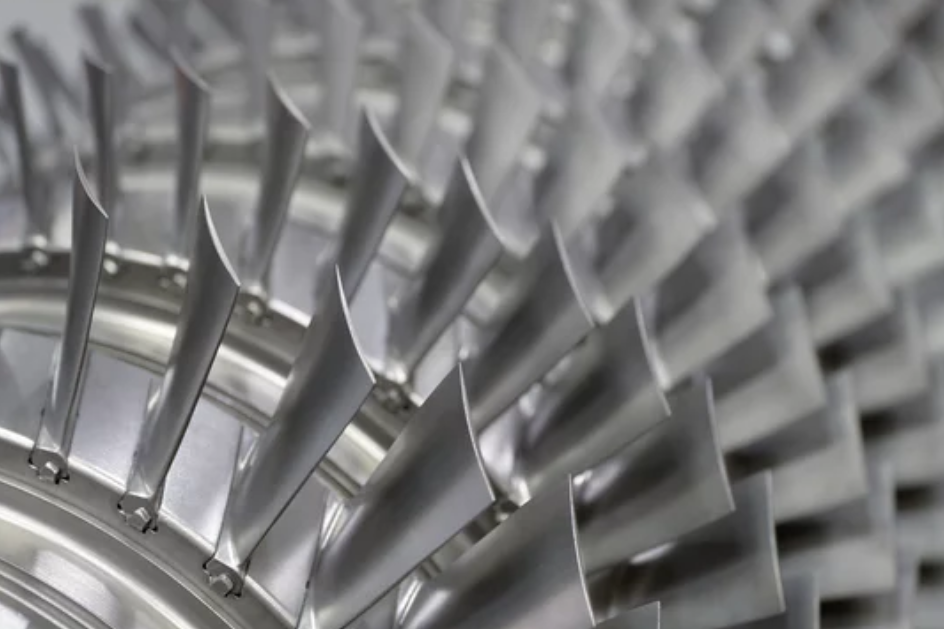
3D printing prototyping can help evaluate lattice concepts, porous geometry, and patient-specific design ideas before production decisions. Additive prototypes may be valuable for design learning, but the buyer must decide whether printed samples represent the final process and validation route. A printed prototype should not be used as evidence for a MIM production process unless the buyer has a clear bridging plan.
Ceramic injection molding may be reviewed for ceramic medical components or non-metal implant-related parts where the buyer's device design calls for ceramic materials such as zirconia or alumina. Ceramic material suitability, long-term biological response, wear, fracture risk, and sterilization route must be validated by the buyer's qualified program.
How do surface texture and porosity affect the RFQ?
Surface texture and porosity should be specified as measurable manufacturing requirements. Buyers may evaluate roughened surfaces, machined microfeatures, blasted textures, porous regions, lattice structures, or coated surfaces depending on the implant design. Each approach has different inspection needs and manufacturing risks. A roughened surface may need surface roughness measurement and residual particle control. A porous lattice may need pore geometry, interconnectivity, wall thickness, and internal defect review.
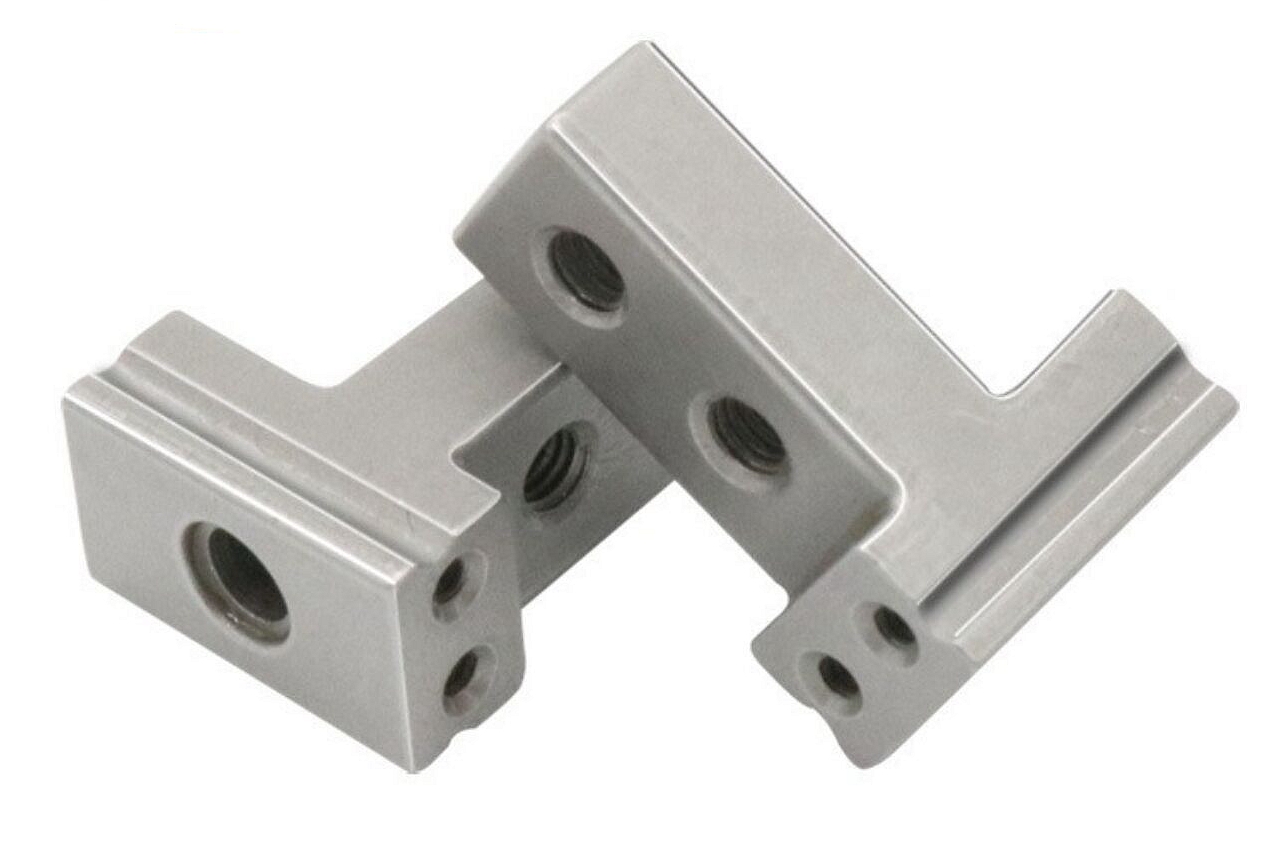
For MIM implantable metal components, the RFQ should clarify whether the part requires a dense structure, a textured surface, secondary machining, or a separate surface treatment. MIM can be strong for small complex geometry, but highly open porous lattices may be better evaluated through additive manufacturing or another route depending on design intent. For CNC machined implant components, the RFQ should define tool marks, surface roughness, edge break, and any post-machining surface treatment.
The buyer should also define which surfaces must remain smooth. Bone-contact areas, sealing faces, articulating surfaces, screw interfaces, and handling surfaces may require different finish targets on the same component. Treating every surface the same can create avoidable cleaning, wear, or assembly risk.
Which surface treatments need careful validation?
Surface finishing for implantable components should be chosen by surface function. Sandblasting or controlled roughening may be reviewed for surfaces where texture is part of the design intent. Electropolishing may be reviewed for smoothing non-bone-contact metal surfaces, reducing burrs, or supporting cleanability. Passivation may be reviewed for stainless steel components where corrosion resistance is part of the requirement.
The surface treatment should not be chosen from a generic list. The buyer should define the base material, target surface roughness, allowed material removal, masking requirements, residual particle limit, corrosion test, cleaning process, and biological evaluation plan. A treatment that improves one requirement can hurt another requirement if the part has mixed surfaces, thin edges, threaded features, or tight assembly interfaces.
Coatings such as PVD should be reviewed only when the buyer has a clear coating purpose, adhesion test, thickness limit, wear test, cleaning exposure, and biological evaluation requirement. For implantable devices, coating selection and acceptance are part of the buyer's device validation program.
What inspection evidence supports surface validation?
Inspection evidence should connect directly to the surface requirement. Common entities include surface roughness, edge condition, pore geometry, lattice wall thickness, residual particles, surface chemistry, coating thickness, coating adhesion, dimensional fit, hardness, fatigue strength, and corrosion behavior. The buyer should state which measurements are required for prototypes, which measurements are required for production release, and which measurements belong to the buyer's biological or regulatory testing program.
Implant surface requirement | Manufacturing control | Inspection evidence | Buyer validation question |
|---|---|---|---|
Bone-contact texture | Machining, controlled roughening, blasting, or additive geometry | Surface roughness report, microscopy, and residual particle review | Does the surface meet the buyer's defined texture and cleanliness criteria? |
Porous or lattice region | Additive prototype, MIM design review, or other selected process route | Pore geometry measurement, CT review where justified, and dimensional report | Does the structure match the intended mechanical and biological evaluation plan? |
Load-bearing implant feature | Material grade control, heat treatment, machining allowance, and process control | Material record, hardness or mechanical test, fatigue test plan, and critical dimension report | Can the component meet strength and fatigue requirements for the device design? |
Cleanable or packaged surface | Deburring, electropolishing, cleaning, handling control, and packaging preparation | Burr inspection, surface roughness, cleaning record, and visual acceptance data | Can the buyer support cleaning, sterilization, and packaging validation? |
Measurement methods should be chosen before samples are made. If surface roughness, porosity, or coating thickness will decide whether the prototype passes, the RFQ should state the target, measurement method, sampling plan, and reporting format.
What RFQ details help Neway support implant development?
A strong RFQ includes 2D drawings, 3D files, implant component type, intended process route, material grade, bone-contact surfaces, non-bone-contact surfaces, target surface roughness, pore or texture requirement, secondary machining allowance, surface treatment, cleaning requirement, inspection method, mechanical test plan, prototype quantity, and expected production volume. Buyers should also state whether the sample is for concept evaluation, mechanical testing, biological evaluation, process validation, or production transfer.
If the buyer wants MIM, Neway should review wall thickness, sintering shrinkage, tooling risk, secondary machining, and surface treatment compatibility. If the buyer wants CNC machining, Neway should review datum surfaces, tool access, burr control, surface roughness, and cleaning-sensitive features. If the buyer wants 3D printing, Neway should review lattice manufacturability, support removal, surface cleanup, and whether printed prototypes represent the future validated process.
The practical goal is not to promise osseointegration. The practical goal is to make the manufacturing route measurable enough for the buyer to evaluate osseointegration-related surface requirements within the finished implant validation program.
Related FAQs
What are the pros and limits of MIM vs CNC machining for metal implants?
How should buyers assess long-term biocompatibility of implant materials?
What stages lead from implant prototype to approved mass production?
How is full traceability supported for medical regulatory compliance?
How does Neway support ISO 13485 and medical device quality requirements?
How should buyers choose a manufacturing process for prototype cost, speed, and validation?
What tests should be performed on functional prototype parts?
Can MIM medical parts match the mechanical properties of machined components?