How to assess and ensure long-term biocompatibility of implant materials?
Long-term biocompatibility of implant materials should be assessed through material selection, ceramic injection molding or metal injection molding process control, surface treatment review, cleanliness control, and a buyer-defined biological evaluation plan. This FAQ explains how ceramic injection molding, titanium MIM, CNC prototyping, surface finishing, and inspection can support implantable medical components such as ceramic inserts, dental parts, orthopedic trial components, implant housings, and small fixation features. The practical RFQ problem is to define the implant material, contact duration, tissue or bone contact, surface condition, extractables or residues concern, traceability records, and ISO 10993-style biological evaluation responsibility before Neway quotes prototypes or production parts.
Who decides long-term biocompatibility for implant materials?
The buyer or device manufacturer decides long-term biocompatibility because biocompatibility is a finished-device evaluation, not only a raw material property. Manufacturing can support the evaluation by controlling material lots, ceramic powder, metal powder, binders, debinding, sintering, machining, cleaning, surface treatment, packaging preparation, and inspection evidence. The final decision depends on the device design, intended use, contact type, contact duration, sterilization route, biological test plan, and regulatory pathway.
Neway can provide implant component manufacturing support and records, but Neway should not be treated as the final biological safety authority. A ceramic implant component, titanium MIM component, or machined prototype may be suitable for evaluation only when the buyer has defined the correct test endpoints and acceptance criteria. For many medical device programs, the biological evaluation plan is built around ISO 10993 concepts, risk management, material characterization, and finished-device testing.
The RFQ should therefore ask for evidence that supports the buyer's evaluation. Useful evidence includes material grade, lot traceability, process route, surface finish, cleaning method, inspection report, and change-control expectations. A material name alone is not enough for an implant component.
Which ceramic and metal materials are reviewed for implants?
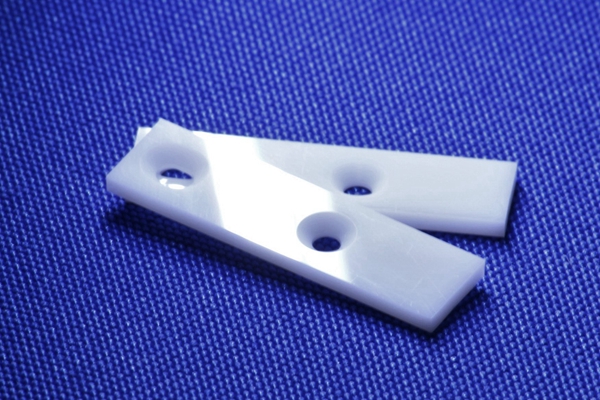
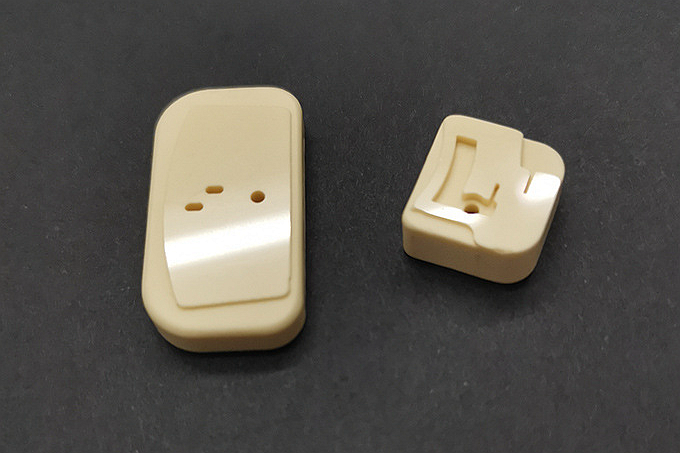
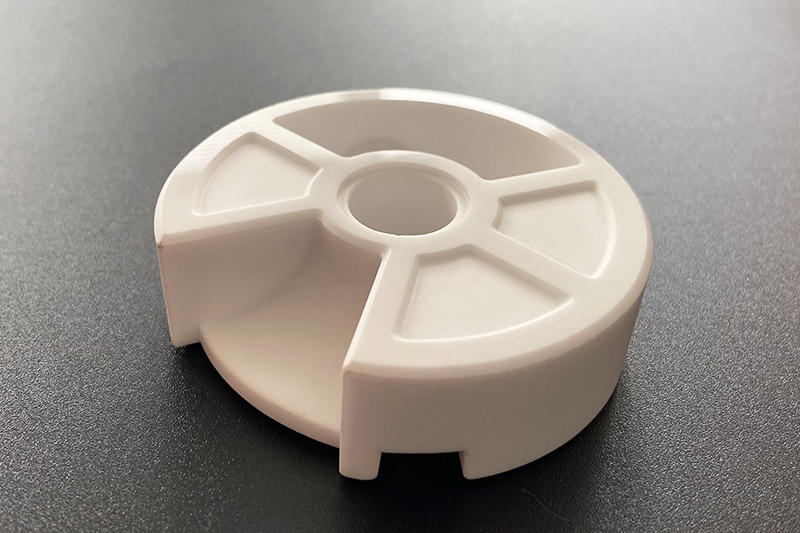
Ceramic materials are often reviewed when the implant-related component needs hardness, wear resistance, electrical insulation, chemical stability, or a polished surface. Neway material pages include zirconia ceramic injection molding, alumina ceramic injection molding, silicon nitride ceramic injection molding, and silicon carbide ceramic injection molding. Buyers should still verify the exact medical grade, supplier history, sterilization compatibility, and biological evaluation requirements for the intended implant application.
Titanium alloy MIM routes may be reviewed for small metal implantable components or implant-related tools when geometry and volume fit the process. Examples include MIM Ti-6Al-4V Grade 5 and MIM Ti-6Al-7Nb Grade 26. The buyer should define chemistry, mechanical properties, fatigue requirement, corrosion requirement, surface condition, and biological evaluation scope before approving a titanium alloy route.
Material screening should include both engineering properties and biological risk. A ceramic may offer high hardness but still require fracture, wear, debris, and surface characterization review. A titanium alloy may offer strength and corrosion resistance but still require cleaning residue, surface chemistry, fatigue, and biological evaluation review. The buyer's intended use should drive the material shortlist.
How does CIM process control affect implant material evaluation?
In ceramic injection molding, process control affects density, shrinkage, porosity, surface condition, and dimensional stability. Ceramic feedstock preparation, molding pressure, debinding, sintering, grinding, polishing, and inspection can all change the final component. For an implant-related ceramic component, buyers should define which surfaces need polishing, which surfaces need texture, which dimensions control assembly, and which defects are unacceptable.
Binder removal and sintering are especially important because residual organics, abnormal porosity, contamination, and distortion can affect later testing. Neway can support process records and inspection data, but the buyer should specify whether material characterization, residue testing, or finished-device extractables testing is required. Those requirements may differ between a prototype, a design verification sample, and a production component.
For metal injection molding, similar logic applies to debinding, sintering density, heat treatment, machining allowance, and surface treatment. The process route should be frozen before formal validation samples are made, or the buyer may need to repeat parts of the biological or mechanical evaluation after changes.
Which surface and cleanliness details matter most?
Surface condition can affect biological evaluation because the surface is what contacts tissue, bone, blood, instruments, cleaning agents, or packaging. Buyers should define roughness, polishing, edge break, burr limits, porosity, residual particles, surface chemistry, coating, and cleaning method. A polished ceramic surface, a textured bone-contact surface, and a machined metal surface may need different inspection and cleaning evidence.
Surface finishing should be selected by function. Electropolishing may be relevant for smoothing stainless or titanium surfaces when the buyer's design allows material removal. Passivation may be relevant for corrosion resistance on stainless steel components. Polishing, grinding, blasting, or lapping may be relevant for ceramic surfaces depending on the contact condition. Each treatment should have a defined purpose and a measurable acceptance limit.
Cleanliness should be discussed before quotation. If the component will support a biological evaluation program, the buyer should specify handling controls, cleaning route, packaging state, particulate limits, residue concerns, and whether the sample is for engineering testing or formal biological testing. Manufacturing samples used for early fit checks should not be confused with samples intended for biological evaluation.
What evidence supports a biocompatibility risk assessment?
Biocompatibility evidence should be built from material information, manufacturing records, surface characterization, chemical information, and test data chosen by the buyer. Neway can support the component-level manufacturing evidence, while the buyer decides which biological endpoints and laboratory tests are required. The evaluation may include material characterization, cytotoxicity, sensitization, irritation, systemic toxicity, implantation, genotoxicity, hemocompatibility, or other endpoints depending on the contact category and duration.
Evaluation entity | Manufacturing evidence Neway can support | Buyer decision | RFQ detail to provide |
|---|---|---|---|
Material identity | Material grade, powder or feedstock records, lot traceability | Whether the material fits the intended implant application | Required grade, supplier constraints, and certificate needs |
Surface condition | Roughness, polishing, blasting, electropolishing, passivation, or coating records | Whether the surface matches the biological evaluation plan | Target finish, contact surface map, and inspection method |
Cleanliness and residues | Cleaning route, handling control, visual inspection, and agreed packaging preparation | Whether samples are suitable for chemical or biological testing | Cleaning requirement, residue concern, and sample labeling |
Process stability | Process traveler, sintering record, inspection report, and change-control record | Whether process changes require re-evaluation | Validation stage, change notification rule, and record retention need |
This evidence does not replace biological testing. It helps the buyer justify why the selected samples, process route, and material information are appropriate for the buyer's biological evaluation plan.
What RFQ details help Neway support implant biocompatibility work?
A strong RFQ includes the implant component type, contact category, contact duration, material grade, ceramic or metal process route, critical dimensions, surface map, surface roughness target, polishing or texture requirement, cleaning requirement, packaging state, inspection method, traceability level, prototype quantity, and validation sample quantity. Buyers should also state whether the samples are for mechanical testing, chemical characterization, biological testing, customer approval, or production transfer.
For CIM parts, buyers should identify ceramic powder requirements, sintering density concerns, polishing surfaces, sharp-edge limits, fracture-critical features, and wear or debris concerns. For MIM titanium parts, buyers should identify alloy grade, density or process control evidence, heat treatment, machining allowance, surface treatment, fatigue requirement, and corrosion requirement. For CNC prototypes, buyers should state whether the prototype material and surface are intended to represent final production.
The practical goal is to make the component manufacturing route traceable and testable. Long-term biocompatibility can only be assessed when material, process, surface, cleanliness, and validation evidence are connected in the buyer's medical device quality system.
Related FAQs
How can manufacturing support implant surface osseointegration evaluation?
What are the pros and limits of MIM vs CNC machining for metal implants?
How is full traceability supported for medical regulatory compliance?
What stages lead from implant prototype to approved mass production?
How does Neway support ISO 13485 and medical device quality requirements?
How should buyers choose a manufacturing process for prototype cost, speed, and validation?
What materials and surface treatments suit steam-sterilized surgical instruments?
Can MIM medical parts match the mechanical properties of machined components?