Alumina Injection Molding (CIM ) Parts Properties and Applications
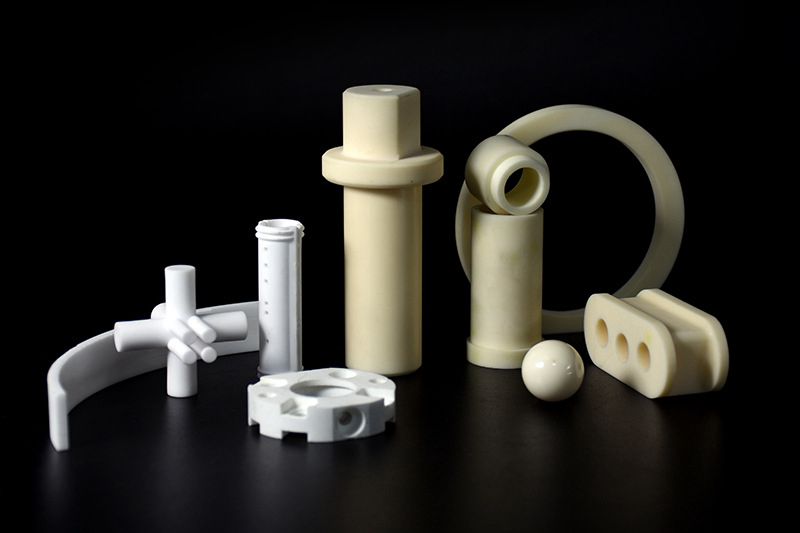
This article explains alumina injection molding for buyers evaluating ceramic injection molding (CIM) for Al2O3 ceramic parts, including insulating components, wear-resistant guides, thermal-management parts, pump and valve accessories, and other small complex ceramic components. The practical RFQ problem is deciding whether alumina CIM can meet the required material properties, part geometry, sintering shrinkage control, secondary finishing, and inspection evidence before a supplier quotes tooling and production cost.
The short answer is that alumina CIM is useful when the part needs ceramic performance and injection-molded geometry. Alumina Al2O3 can provide electrical insulation, wear resistance, chemical stability, and high-temperature capability, while CIM can form small complex features that would be difficult or costly to grind from a ceramic blank. Buyers still need to define critical dimensions, functional surfaces, surface finish, and post-sintering operations because ceramic injection molding includes feedstock preparation, molding, debinding, sintering, and possible diamond grinding.
For process and material context, Neway provides ceramic injection molding support and material information for alumina Al2O3 ceramic injection molding.
Alumina CIM RFQ Decision for Custom Ceramic Parts
Alumina CIM should be considered when the buyer needs a ceramic material and a molded shape at the same time. If the part is simple, flat, or oversized, powder pressing, machining from a green body, or another ceramic process may be more practical. If the part has small slots, thin ribs, internal details, repeated geometry, or many near-net-shape features, ceramic injection molding can be the stronger route.
The manufacturing reason is that CIM starts with ceramic powder and binder feedstock rather than a fully dense ceramic block. The molded green part is debound and sintered, and the sintered alumina part reaches its final ceramic properties after shrinkage. This route can reduce grinding burden for complex shapes, but it also makes shrinkage, tooling compensation, gate location, and support during sintering important RFQ topics.
Buyer Question | Alumina CIM Answer | RFQ Information Needed |
|---|---|---|
Is the geometry suitable for ceramic injection molding? | CIM fits small complex ceramic shapes with molded details and repeatable production demand | 3D model, 2D drawing, wall sections, ribs, holes, undercuts, and parting-line expectations |
Is alumina the right ceramic material? | Alumina is commonly selected for insulation, wear resistance, chemical stability, and thermal capability | Al2O3 grade preference, operating environment, electrical requirement, wear surface, and temperature exposure |
Which dimensions control quotation risk? | Critical dimensions, machined datums, flatness, roundness, and mating surfaces can drive secondary operations | Marked CTQ dimensions, surface finish notes, inspection method, and acceptable post-sintering machining |
Which production stage is being quoted? | Prototype, bridge production, and mass production may use different tooling and inspection plans | Prototype quantity, annual demand, ramp schedule, validation samples, and packaging requirements |
How Ceramic Injection Molding Forms Alumina Al2O3 Parts
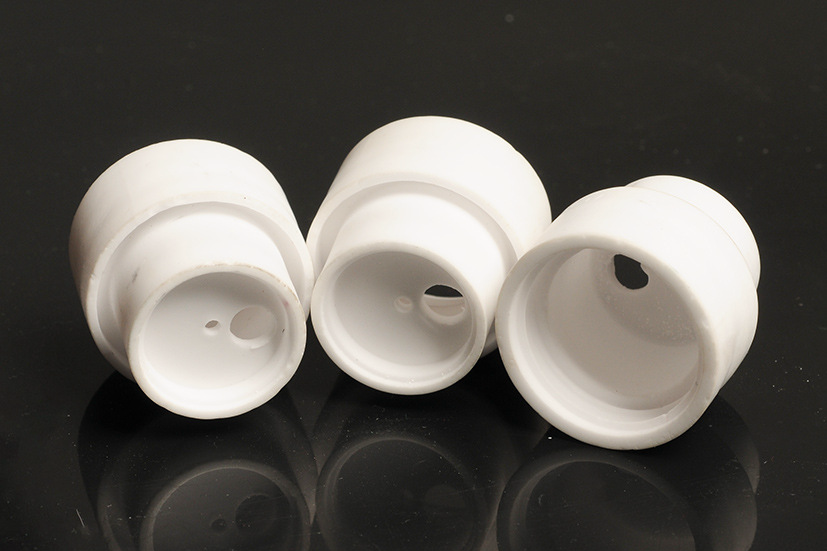
Alumina CIM forms ceramic parts through powder-binder feedstock molding, debinding, sintering, and optional finishing. The process resembles injection molding in the shaping step, but the final part performance comes from the ceramic powder system and the sintering stage.
Feedstock preparation blends alumina powder with a binder system so the material can flow into the mold cavity. Molding creates the green part. Debinding removes binder from the molded shape. Sintering densifies the ceramic and creates shrinkage that must be predicted in tooling and process setup. After sintering, secondary operations may include diamond grinding, lapping, polishing, drilling, laser marking, cleaning, or assembly.
The RFQ implication is that a buyer should not evaluate alumina CIM only by molded shape. The buyer should also ask how the supplier manages powder grade, binder removal, sintering support, shrinkage compensation, batch consistency, and final inspection. Neway's CIM materials resource helps connect ceramic material selection with process planning.
Alumina Material Properties That Matter in CIM Parts
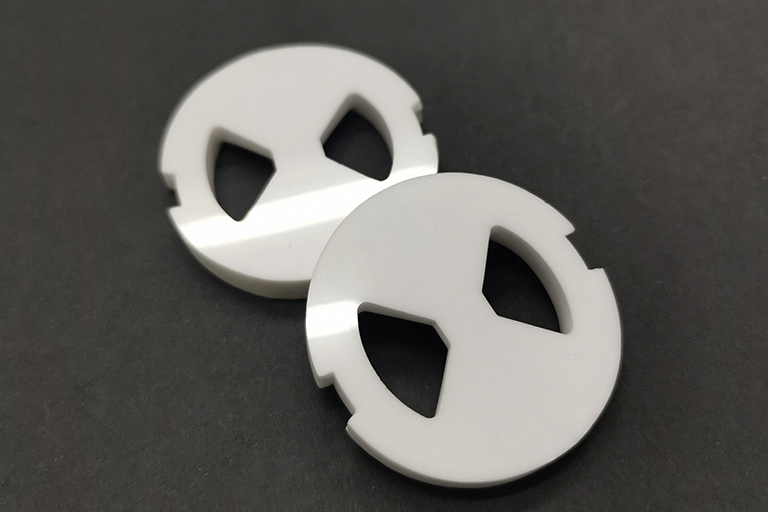
Alumina is selected when the part must combine hardness, wear resistance, electrical insulation, corrosion resistance, and thermal stability. The exact fit depends on the alumina grade, density target, geometry, and post-sintering surface condition.
In a buyer drawing, alumina material properties should be translated into part-level requirements. For example, an insulating bushing may need dielectric performance and controlled bore geometry. A wear guide may need hardness, smooth contact surfaces, and chipping-risk control. A pump or valve component may need chemical compatibility, sealing surfaces, and dimensional stability after sintering.
Alumina CIM Property | Part Feature Affected | Manufacturing Risk to Review | RFQ Evidence to Request |
|---|---|---|---|
Electrical insulation | Insulators, spacers, sensor housings, connector parts | Contamination, surface finish, wall thickness, and assembly contact area | Material grade, cleaning requirement, dimensional report, and visual criteria |
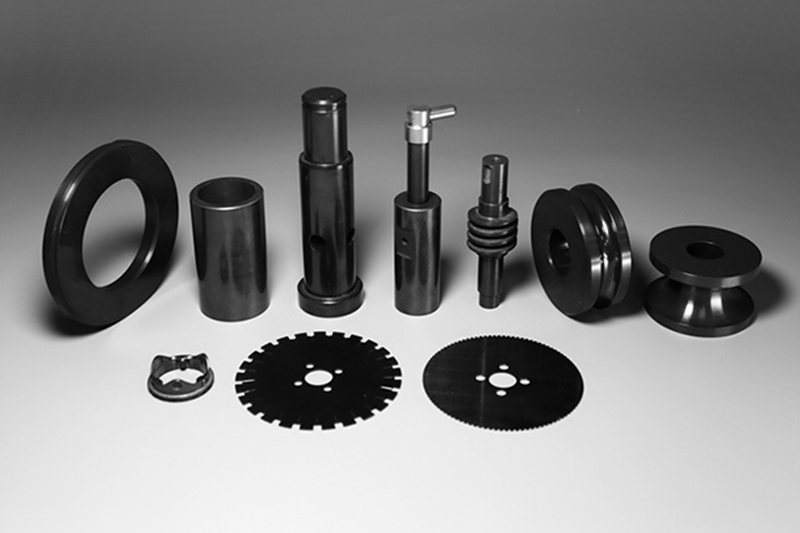
Wear resistance | Guides, sleeves, sliding surfaces, small tooling components | Edge chipping, rough contact faces, and grinding allowance | Wear surface notes, chamfer requirements, and surface roughness check |
Thermal capability | Heat-exposed supports, ceramic holders, high-temperature internal parts | Thermal shock, uneven wall sections, and sintering distortion | Operating temperature range, heating cycle information, and functional test plan |
Chemical stability | Pump parts, valve parts, fluid-handling ceramic components | Media compatibility, sealing face quality, and porosity concerns | Fluid exposure information, sealing surface notes, and inspection method |
Part Geometry, Sintering Shrinkage, and Tolerance Risks
CIM part design must account for ceramic shrinkage during sintering. The molded green part is larger than the final part, so tool compensation and process control are central to dimensional planning.
The geometry risk increases when a drawing combines thick and thin wall sections, sharp internal corners, blind holes, narrow slots, long unsupported spans, or tight mating surfaces. These features can influence filling, debinding, sintering support, warpage, and local stress concentration. Alumina is hard after sintering, so late changes to critical geometry can require diamond grinding rather than simple machining.
The RFQ implication is direct: mark the functional dimensions and let noncritical surfaces use realistic ceramic molding limits. Buyers should identify datum surfaces, bores, flat sealing areas, thread alternatives, press-fit areas, and any dimensions that require post-sintering finishing. For broader ceramic process comparison, see custom ceramic parts manufacturing by CIM, powder pressing, or hot pressing.
Wear, Electrical Insulation, Thermal, and Chemical Application Fit
Alumina CIM is often a fit when the component must work as both a shaped ceramic part and a functional material. Typical buyer problems include preventing electrical conduction, reducing wear at a sliding interface, separating metal parts from heat, or resisting chemical exposure in compact assemblies.
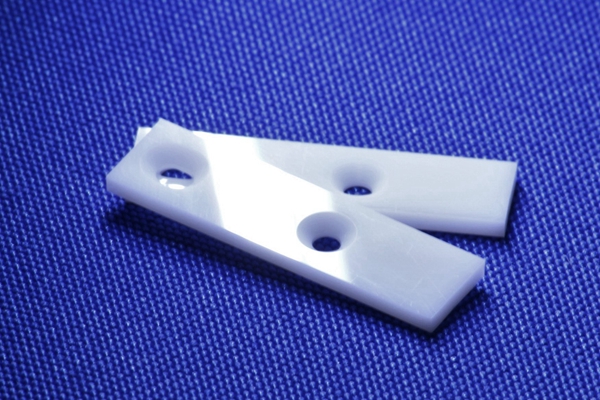
Electrical insulation is one of the clearest alumina CIM applications. Alumina can support insulating spacers, sleeves, housings, holders, and feedthrough-related parts when the drawing defines creepage distance, contact area, wall section, and cleaning requirements. Surface condition matters because the final ceramic part may interact with connectors, electrodes, metal inserts, or adhesive joints.
Thermal and chemical applications need careful operating-condition review. Alumina can tolerate demanding environments, but thermal shock, local stress, sealing surface quality, and assembly load can still limit a ceramic component. The buyer should define temperature range, heating and cooling pattern, contact pressure, fluid exposure, and expected inspection method rather than listing only the material name.
Secondary Operations and Inspection for Alumina CIM Parts
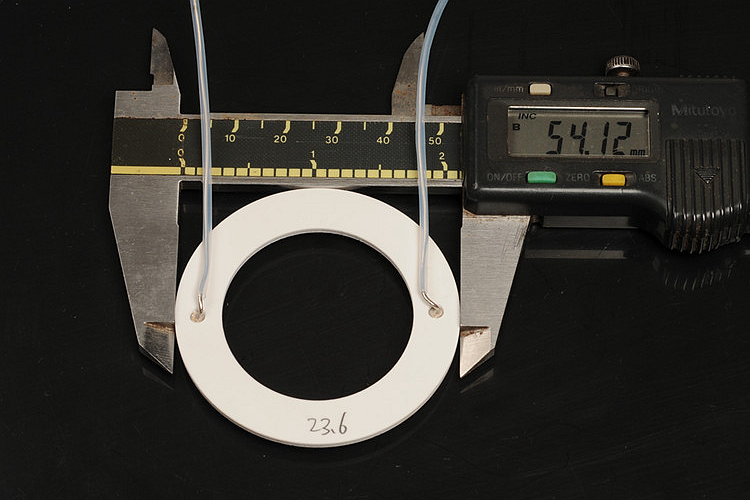
Secondary operations should be decided before quotation because sintered alumina is hard and finishing can strongly affect cost. Grinding, lapping, polishing, drilling, laser marking, cleaning, and assembly steps can be appropriate, but each operation should be tied to a functional surface or inspection requirement.
Inspection should match the ceramic part function. Dimensional inspection may include CMM checks, pin gauges, optical measurement, flatness checks, or roundness checks. Surface review may include visual criteria, edge-chip limits, roughness measurement, cleaning checks, or coating and bonding readiness. For parts exposed to fluid or thermal cycling, the buyer may need leakage, fit, or functional testing requirements defined in the RFQ.
The manufacturing implication is that alumina CIM is not only a molding question. Tool design, sintering, secondary finishing, and inspection evidence should be quoted together so the buyer can compare the real delivered part cost.
When Alumina CIM, Zirconia CIM, Powder Pressing, or Machining Fits Better
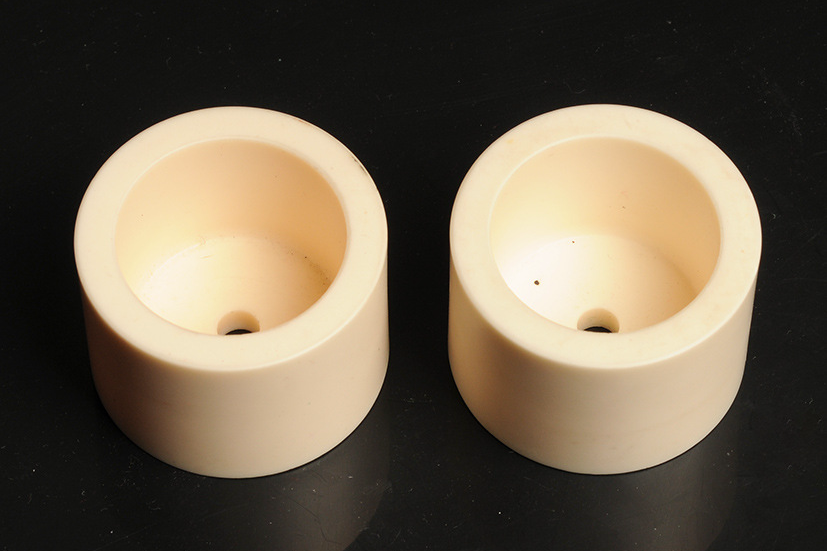
Choose alumina CIM when the part needs Al2O3 properties and a small complex shape that benefits from near-net-shape molding. Choose zirconia CIM when the part needs zirconia-specific toughness, appearance, or fracture behavior. Choose powder pressing when the ceramic part is simpler and production can benefit from a pressing route. Choose ceramic machining or grinding when the geometry is simple, the quantity is low, or the key surfaces must be finished from a fired blank.
The buyer decision should compare material, geometry, quantity, finishing, and inspection evidence together. A molded alumina part can reduce shape-making cost for complex geometry, but a simple disc, plate, or rod may not need CIM tooling. A high-precision bore or sealing face may still require secondary grinding even when the rest of the part is molded.
For general process background, compare what ceramic injection molding is and where it applies with the part-specific material requirements.
RFQ Checklist for Alumina Ceramic Injection Molded Parts
A strong alumina CIM RFQ should let the supplier evaluate feedstock, mold design, shrinkage, secondary operations, and inspection without guessing. The goal is not to over-specify every surface, but to identify the part features that control function and delivered cost.
RFQ Item | Why It Matters for Alumina CIM | Recommended Buyer Input |
|---|---|---|
Material requirement | Alumina grade and ceramic property expectations affect feedstock and sintering review | Al2O3 grade, operating environment, electrical, wear, chemical, or thermal requirement |
Geometry data | CIM tooling and shrinkage compensation depend on the 3D shape | STEP file, 2D drawing, revision, wall sections, holes, slots, ribs, and draft expectations |
Critical dimensions | Only selected features may justify post-sintering grinding or lapping | Marked CTQ dimensions, datums, flatness, roundness, bore size, and mating surfaces |
Surface condition | Wear, insulation, sealing, coating, bonding, and visual requirements can change finishing cost | Surface roughness, edge condition, cleaning level, cosmetic surfaces, and chipping limits |
Production stage | Prototype and mass production may use different validation and tooling assumptions | Prototype quantity, annual demand, sample plan, ramp timing, and packaging requirement |
Inspection evidence | Delivered ceramic parts must be evaluated by the correct measurement and functional checks | CMM report, gauge check, optical inspection, surface report, functional test, or buyer-specific checklist |
When the RFQ includes these details, the supplier can judge whether alumina CIM, another ceramic forming process, or a hybrid route with secondary grinding is the best manufacturing plan.
Related FAQs