Streamlining Success How Aluminum Die Casting Accelerates Production and Reduces-costs
Aluminum Die Casting Production Cost RFQ Decision explains when high-pressure aluminum die casting can shorten production routes and control finished-part cost for housings, brackets, covers, heat-dissipation parts, motor components, and structural aluminum parts. The buyer decision is whether a die-cast aluminum part should replace machined, fabricated, sand-cast, or assembled alternatives. The practical RFQ problem is that alloy choice, tooling investment, annual volume, wall thickness, draft, machining allowance, surface finish, and defect-control requirements must be reviewed before aluminum die casting can be judged economical.
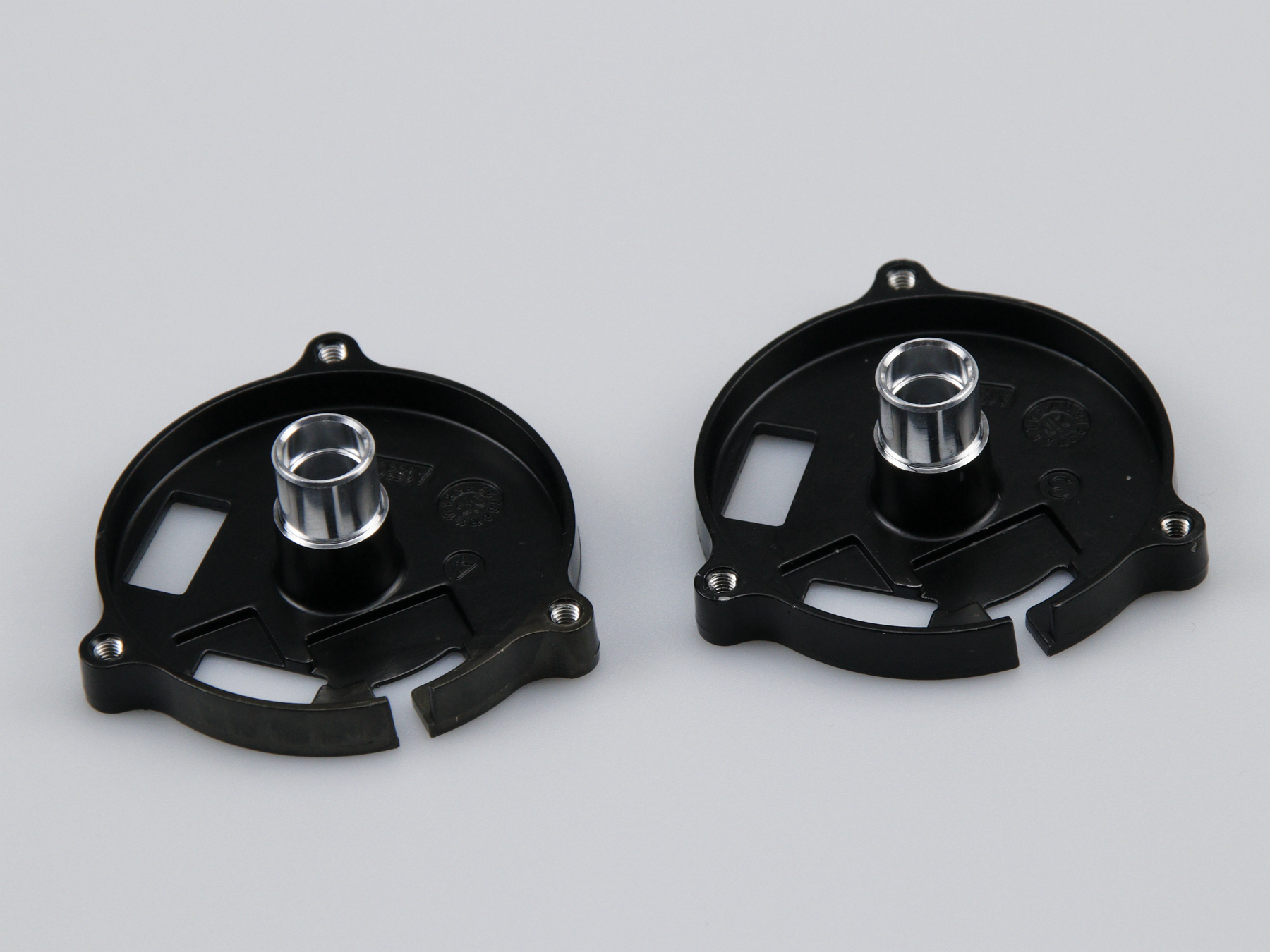
How Does Aluminum Die Casting Accelerate Production?
Aluminum die casting accelerates production by injecting molten aluminum alloy into a steel die cavity under pressure. Once the tool and process are stable, the same cavity can produce repeated near-net-shape parts with integrated ribs, bosses, mounting features, and surface details.
The speed benefit comes from repeatable tooling, reduced material removal, and part consolidation. A die-cast housing may include walls, ribs, screw bosses, heat fins, cable openings, and mounting pads that would otherwise require machining, welding, or assembly from several components. The process is strongest when the buyer expects repeat production and the part geometry fits die-casting rules.
Production speed should still be tied to the drawing. Gating, venting, cooling, trimming, machining, deburring, and surface finishing all affect the actual production route. A practical RFQ should define the finished part condition, not only the casting shape.
Which Cost Drivers Matter Most for Aluminum Die Casting?
The main cost drivers are die tooling, alloy selection, part size, wall thickness, casting yield, machining allowance, secondary operations, inspection requirements, and expected production volume. Buyers should compare total finished-part cost rather than only the casting price.
Aluminum Die Casting Cost Driver | Manufacturing Impact | RFQ Information Needed |
|---|---|---|
Die tooling and expected volume | Tooling investment must fit the production plan | Annual volume, launch quantity, product life, and forecast changes |
Wall thickness and part size | Affects filling, cooling, shrinkage risk, and machine selection | 3D model, 2D drawing, critical dimensions, and weight target |
Machined datum surfaces | Controls post-casting CNC time and inspection work | Machining surfaces, tolerances, datum scheme, and threaded holes |
Surface finish and coating | Can add preparation, cosmetic control, and masking steps | Finish type, visible surfaces, corrosion requirement, and appearance criteria |
Defect acceptance criteria | Influences process control, inspection level, and scrap risk | Porosity limits, leak requirement, pressure requirement, and test method |
When Is Aluminum Die Casting More Economical Than Other Routes?
Aluminum die casting is often more economical when repeat volume can support tooling and when the part geometry benefits from near-net-shape production. It can be more practical than machining from billet when the part has complex cavities, ribs, bosses, or multiple integrated features.
Compared with sand casting or gravity casting, high-pressure aluminum die casting may support faster repeat production and thinner integrated features, subject to part design and alloy review. Sand casting or gravity casting may still be more suitable for lower volume, larger parts, or part geometries that do not justify die tooling.
The buyer should state the cost problem directly: reduce machining time, reduce welded assemblies, reduce part count, increase repeat production, improve appearance consistency, or support heat dissipation. Each goal changes the cost comparison.
Which Aluminum Alloys Affect Production and Cost?
Alloy selection affects castability, strength, corrosion response, machining behavior, surface finish, and cost. Buyers should not select an alloy only by habit; the alloy should match the part function and finishing route.
A380 and ADC12 are common aluminum die casting alloys for many housings, brackets, and structural components. A356 is often discussed in casting contexts where a different casting route or property balance may be required. The buyer should confirm alloy requirements, mechanical expectations, surface finish, corrosion exposure, and any industry-specific specifications before quotation.
If the drawing allows supplier recommendation, the RFQ should explain the product function. A heat sink, electronic housing, motor bracket, and decorative cover may need different alloy and finish decisions.
What Design Rules Help Reduce Casting Defects?
Defect control starts with design. Aluminum die casting risks include porosity, cold shut, shrinkage, flash, soldering, ejector marks, sink, and dimensional variation. These risks can increase cost when they create scrap, rework, or additional inspection.
Buyers can reduce risk by reviewing wall thickness transitions, draft, fillets, ribs, bosses, gate location, venting, ejector areas, and machining allowance. Sharp transitions and heavy sections can make filling and cooling harder. Critical machined surfaces should be identified so casting allowances and datum control can be planned.
Design Feature | Aluminum Die Casting Risk | Buyer Decision Before RFQ |
|---|---|---|
Uneven wall thickness | Shrinkage, sink, porosity, or cooling variation | Review wall transitions, ribs, and local heavy sections |
Critical machined surface | Extra CNC time or datum mismatch | Define machining allowance, tolerance, and datum surfaces |
Visible exterior surface | Flow marks, flash trimming marks, or finish variation | Define appearance class and planned surface treatment |
Heat-dissipation fins or thin ribs | Incomplete fill, distortion, or ejection risk | Define fin geometry, thermal function, and inspection criteria |
How Do Secondary Operations Change the Cost Review?
Secondary operations can change the cost review because many die-cast parts need trimming, deburring, CNC machining, tapping, drilling, leak testing, tumbling, shot blasting, coating, powder coating, or anodizing-like finishes where suitable.
For example, anodizing cast aluminum may require careful alloy and surface review because die-cast aluminum does not always finish like wrought aluminum. Powder coating, painting, machining, and sealing also add process steps that should be included in the finished-part quotation.
The buyer should identify which surfaces are cosmetic, which surfaces are machined, which holes are threaded, and which features require leak or pressure checks. This prevents the RFQ from underestimating post-casting work.
What RFQ Data Helps Neway Review Production Speed and Cost?
A complete aluminum die casting RFQ should define the finished part, not only the casting blank. Neway needs enough information to review tooling, casting, machining, finishing, and inspection as one route.
RFQ Data for Aluminum Die Casting | Why It Matters | Review Outcome |
|---|---|---|
3D model and 2D drawing | Shows geometry, tolerances, datum surfaces, and critical features | Tooling, gating, machining, and inspection review |
Alloy requirement or application requirement | Controls castability, machining, finish, and performance review | Alloy recommendation or alloy feasibility check |
Expected production volume | Determines whether die tooling fits the business case | Prototype, pilot, or mass production route discussion |
Secondary operations and finish | Changes lead time, cost, inspection, and packaging requirements | Finished-part cost and process route review |
What Neway Precision Reviews for Aluminum Die Casting Projects?
Neway Precision reviews aluminum die casting projects by connecting part geometry, alloy selection, tooling concept, production volume, defect risk, secondary operations, and inspection criteria. The review focuses on whether the process can support the buyer's cost and production target for the finished part.
Parts for automotive, e-mobility, consumer electronics, and telecommunication applications often require different surface, thermal, assembly, and inspection priorities. A clear RFQ helps decide whether aluminum die casting is suitable or whether another casting or machining route should be compared.
The best quotation input is specific: alloy, volume, drawing, surface finish, machined features, inspection criteria, and application environment. Those details allow the production speed and cost review to be tied to the part rather than to broad process claims.
Related FAQs
What makes aluminum die casting suitable for mass production?
What design factors affect the cost of aluminum die casting parts?
What are common defects in aluminum die casting and how can they be prevented?
How can aluminum die casting defects be reduced in mass production?
What materials are commonly used in aluminum die casting services?
How should buyers choose between A380 and ADC12 aluminum die casting?
What information is needed for an aluminum die casting service quote?