Which industries most benefit from aluminum die casting?
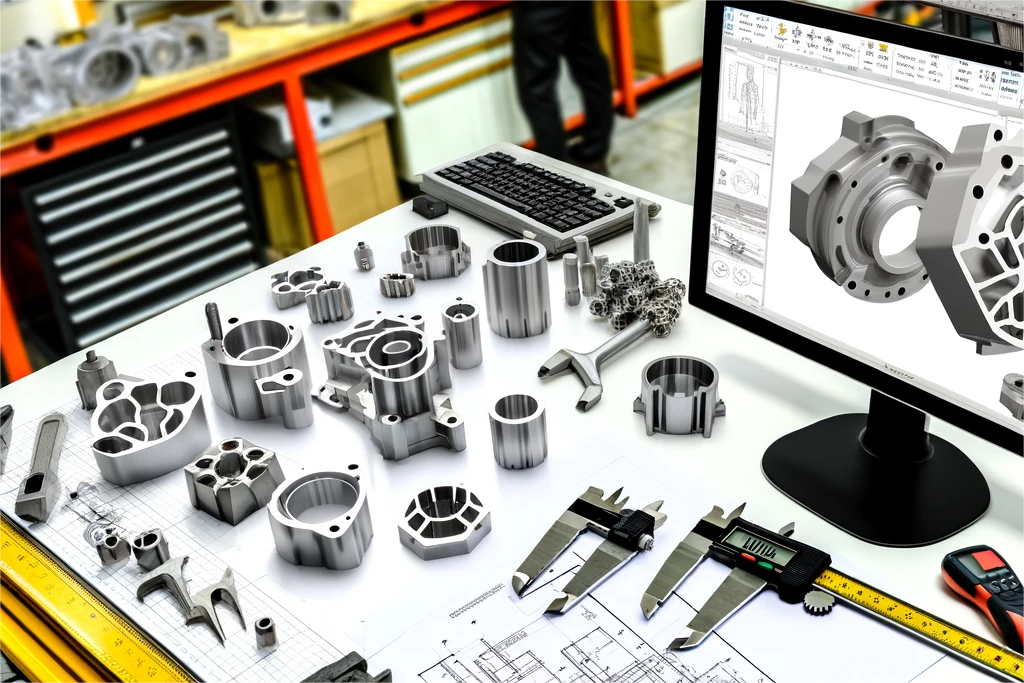
Industries that benefit most from aluminum die casting are industries that need repeatable lightweight metal housings, brackets, covers, heat-dissipation parts, motor components, connector bodies, and structural features at production volume. Automotive, aerospace, consumer electronics, energy, lighting, telecommunication, medical-device equipment, and industrial equipment projects often consider aluminum die casting when the RFQ requires stable geometry, usable strength-to-weight ratio, thermal performance, and controlled secondary machining. The practical buyer problem is matching the industry requirement to alloy, tooling, surface finish, inspection, and volume.
Which industries most benefit from aluminum die casting?
Industries benefit most when the part needs the shape flexibility of casting and the properties of aluminum. Aluminum die casting is commonly considered for parts that need lighter weight than many ferrous alternatives, good thermal behavior, repeatable geometry, and features such as ribs, bosses, fins, mounting points, and enclosure walls.
The buyer should evaluate industry fit by part function. A heat sink, a motor housing, a connector body, and a medical-device equipment enclosure may all use aluminum die casting, but the critical inspection points and secondary operations will be different.
Why do automotive and e-mobility projects use aluminum die casting?
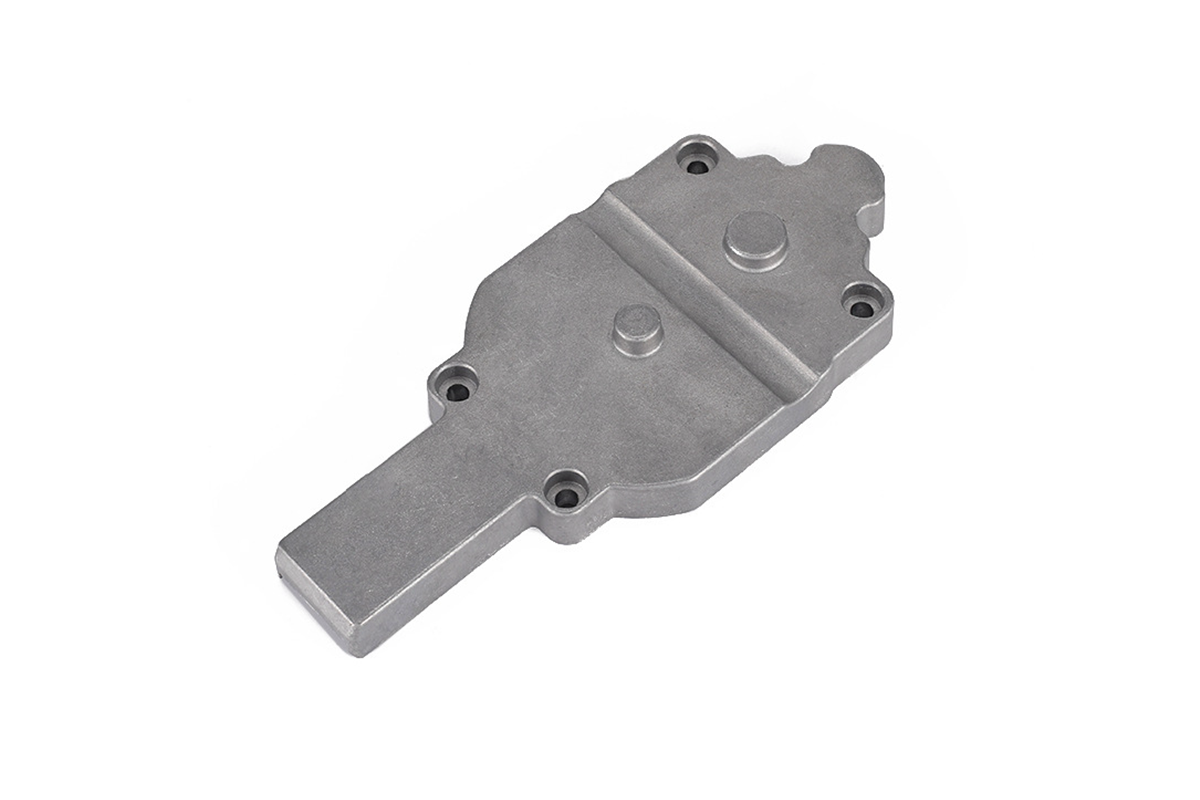
Automotive and e-mobility projects use aluminum die casting for housings, covers, brackets, heat sinks, motor components, connector bodies, and support structures. The process can help produce repeatable lightweight parts with integrated ribs, bosses, and mounting features.
Automotive RFQs should define alloy target, vibration exposure, temperature range, machined datums, threaded holes, sealing surfaces, corrosion exposure, and inspection requirements. Parts that require sealing, flatness, or high repeatability should identify those surfaces before tooling.
How do aerospace and industrial equipment projects benefit?
Aerospace and industrial equipment projects may use aluminum die casting for housings, brackets, fittings, covers, and support parts where weight, geometry, and production repeatability matter. The process can support complex cast shapes, but alloy, inspection, and validation requirements must be reviewed carefully.
For these RFQs, buyers should define load cases, operating temperature, corrosion exposure, machining requirements, critical dimensions, and any application-specific validation requirements. Final approval for regulated or safety-related uses remains the buyer's responsibility.
Why do consumer electronics and telecommunication use aluminum die castings?
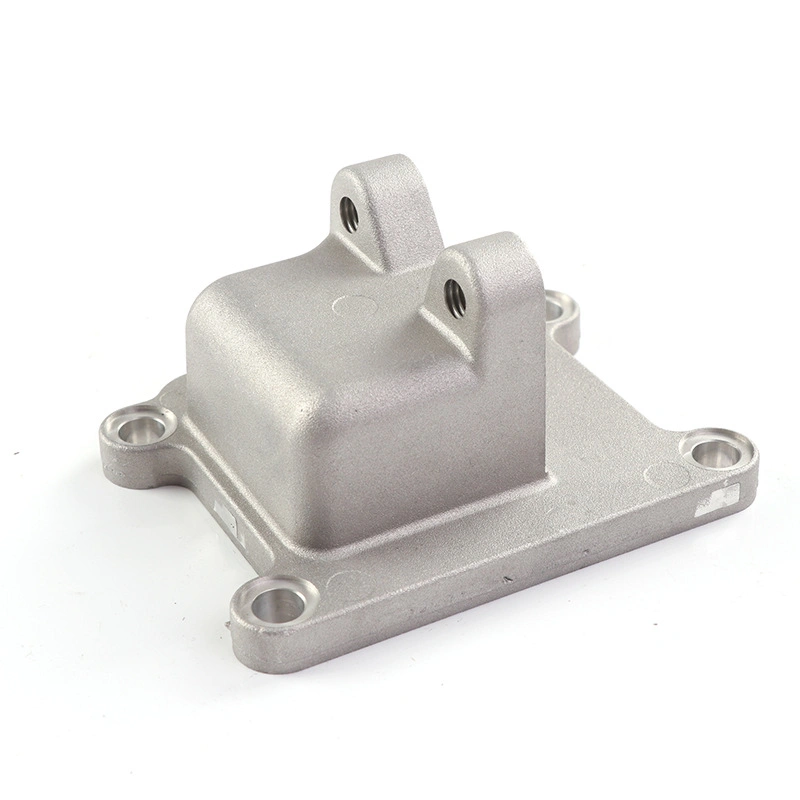
Consumer electronics and telecommunication products use aluminum die casting for compact enclosures, connector housings, RF-related housings, shielding structures, mounting frames, and heat-related components. Aluminum die castings can combine enclosure shape, heat transfer, and structural features in one part.
Buyers should define cosmetic surfaces, heat-dissipation needs, EMI or shielding requirements when applicable, machined interfaces, and surface finish requirements. These details affect alloy selection, casting layout, machining, coating, and inspection.
How do energy and lighting applications benefit?
Energy and lighting applications often use aluminum die casting for heat sinks, LED housings, power-module housings, connector covers, outdoor enclosures, brackets, and mounting parts. Aluminum's thermal behavior and castable geometry can help integrate fins, ribs, and protective housing features.
Energy and lighting RFQs should define thermal requirements, outdoor exposure, sealing targets, corrosion exposure, coating or anodizing needs, and mounting datums. Heat-dissipation parts should also identify fin geometry, airflow assumptions, and critical contact surfaces.
Where do medical-device equipment and specialty equipment use aluminum die casting?
Medical-device equipment and specialty equipment may use aluminum die casting for instrument housings, brackets, covers, diagnostic equipment frames, heat-management parts, and durable enclosures. The benefit is often geometry integration, weight control, and stable mounting features.
Medical-related RFQs should define material requirements, cleaning exposure, surface finish, cosmetic standards, traceability expectations, and inspection criteria. The manufacturer can support component production, while the buyer remains responsible for application-specific validation and regulatory approval.
How should buyers match industry needs to aluminum die casting?
Industry | Common aluminum die cast parts | Primary buyer requirement | RFQ detail to define |
|---|---|---|---|
Automotive and e-mobility | Motor housings, brackets, covers, heat sinks, connector bodies | Weight control, repeatability, thermal behavior, mounting accuracy | Alloy, datums, sealing surfaces, vibration and temperature exposure |
Aerospace and industrial equipment | Housings, fittings, covers, support brackets | Strength-to-weight, inspection, load-bearing function | Load cases, validation needs, machining surfaces, corrosion exposure |
Electronics and telecommunication | Enclosures, RF housings, shielding parts, connector frames | Compact geometry, heat transfer, shielding, appearance | Cosmetic surfaces, machined interfaces, coating, electrical needs |
Energy and lighting | LED housings, heat sinks, power-module housings, outdoor covers | Thermal management, sealing, weather exposure, mounting stability | Thermal surfaces, coating, sealing targets, outdoor environment |
Medical-device equipment | Instrument housings, frames, brackets, covers, heat-management parts | Cleanability, stable geometry, surface quality, traceability | Material requirements, cleaning exposure, validation and inspection plan |
What RFQ information confirms industry fit for aluminum die casting?
A useful RFQ should include industry application, CAD files, 2D drawings, alloy target, annual volume, part weight target, critical dimensions, machined surfaces, heat-dissipation needs, sealing surfaces, cosmetic surfaces, surface finish requirements, inspection methods, and operating environment.
This information helps the manufacturer determine whether aluminum die casting is the right process or whether another route should be reviewed. Industry benefit depends on the actual part requirements, not only the market name.
Related FAQs
Which industries benefit the most from adopting aluminum die casting?
What types of aluminum die casting parts can Neway manufacture?
Can aluminum die casting be used for heat dissipation components?
How to balance lightweight design with thermal performance in lighting systems?
What makes aluminum die casting suitable for mass production?
What information is needed for an aluminum die casting service quote?