Can aluminum die casting be used for heat dissipation components?
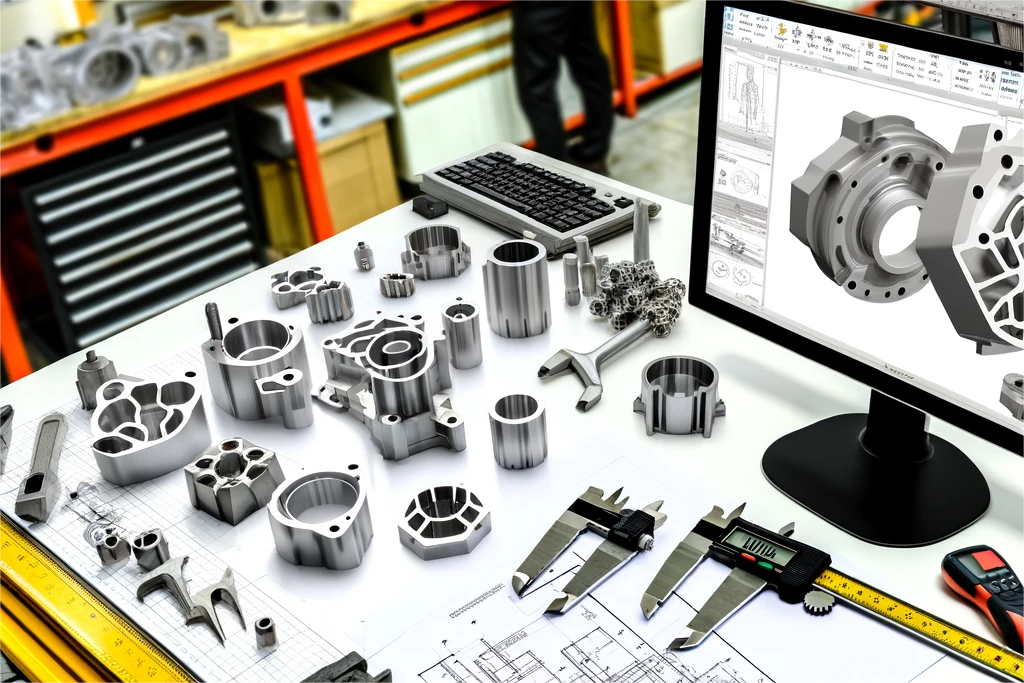
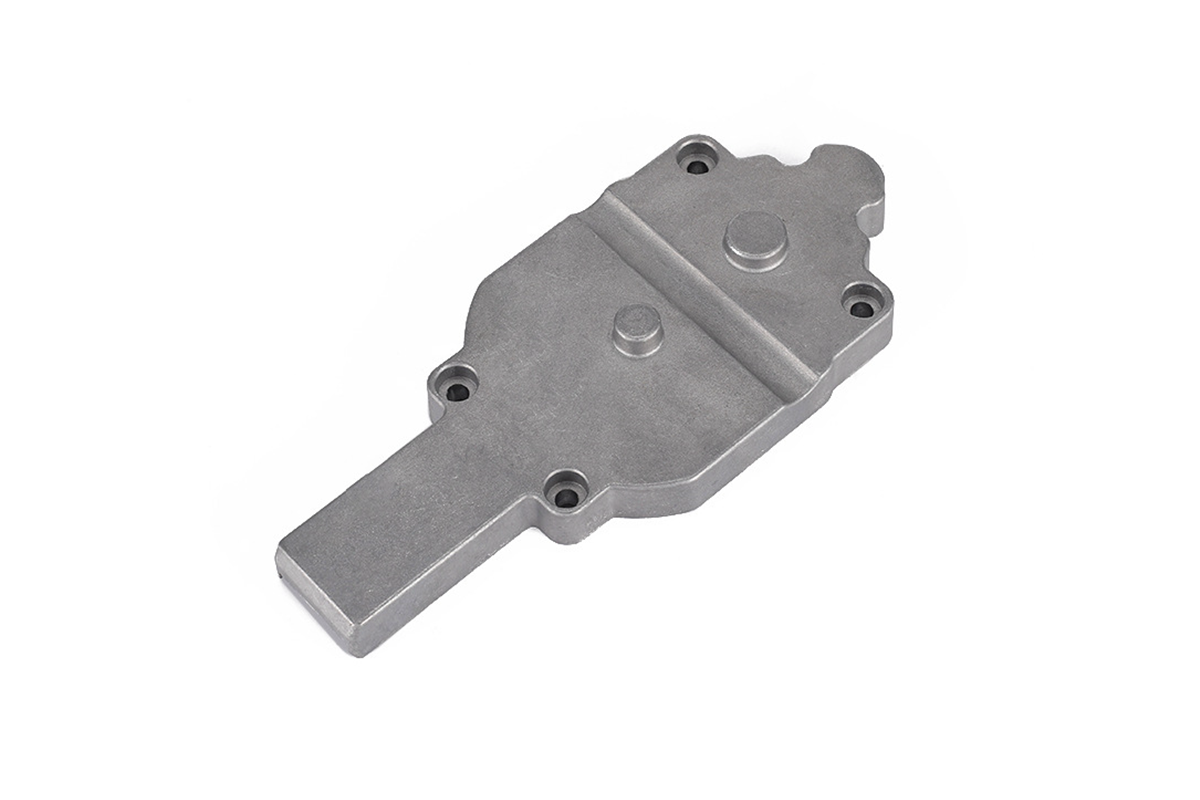
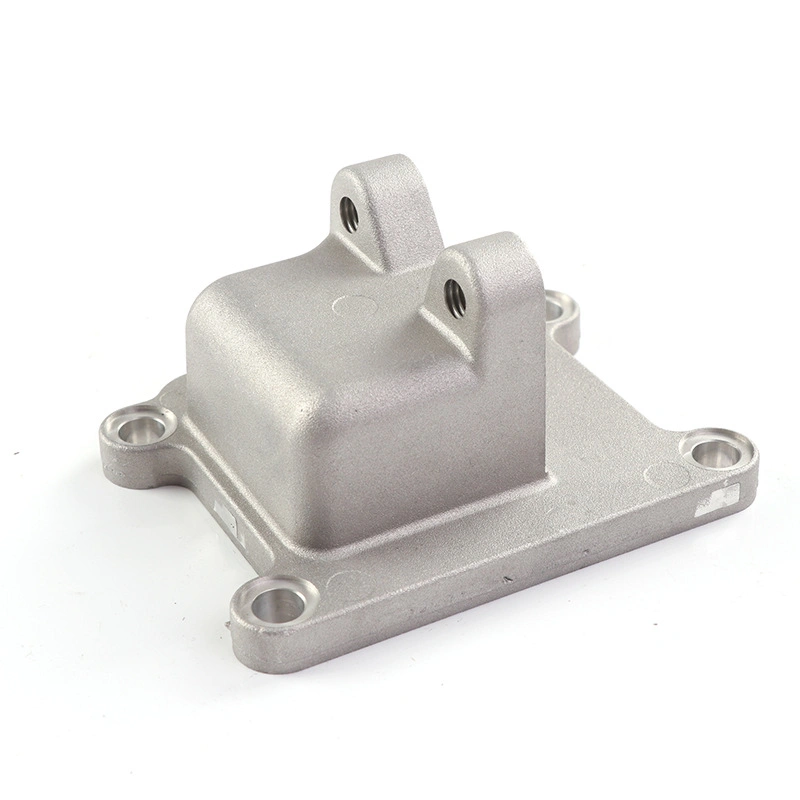
Aluminum die casting can be used for heat dissipation components such as LED housings, telecom enclosures, controller shells, motor housings, electronic module structures, and die cast heat sink bases. The practical RFQ problem is to confirm whether the part's aluminum alloy, fin geometry, airflow path, machined thermal contact face, surface finish, inspection method, and production volume can support the required thermal management function.
Can aluminum die casting be used for heat dissipation components?
Yes, aluminum die casting can be used for many heat dissipation components when the design combines thermal path, structural support, weight control, and manufacturability. Die cast aluminum parts are often used where the same component needs to act as a housing, mounting structure, and heat-spreading body.
The thermal result does not depend on material alone. Fin geometry, wall thickness, airflow, mounting pressure, thermal interface surface, surface finish, and assembly condition all affect heat dissipation. Buyers should provide thermal requirements and functional surfaces before Neway reviews tooling and machining.
Heat Dissipation Part Type | Aluminum Die Casting Role | RFQ Detail to Provide |
|---|---|---|
LED lighting housing | Combines fixture structure, heat spreading, and visible outer surfaces | LED module location, heat source, finish, visible surfaces, and mounting interface |
Telecom enclosure | Supports electronics protection, heat transfer, sealing, and mounting | Thermal load, sealing requirement, wall thickness, airflow, and finish |
Controller or power module shell | Provides thermal contact surfaces and structural enclosure | PCB location, thermal interface material, mounting pressure, and machined faces |
Motor housing | Combines alignment, heat dissipation, and structural support | Bores, bearing seats, datums, thermal paths, and inspection method |
Die cast heat sink base | Creates fins, mounting features, and thermal contact areas in one casting | Fin layout, airflow direction, thermal contact face, and surface condition |
Which heat dissipation parts are common in aluminum die casting?
Common aluminum die casting heat dissipation parts include LED lamp housings, outdoor lighting bodies, telecom equipment enclosures, power supply housings, inverter shells, motor controller housings, heat sink bases, and electronic module covers. These parts often combine thermal, structural, and environmental requirements.
A lighting housing may need fins, cosmetic surfaces, powder coating, and outdoor exposure control. A telecom enclosure may need sealing, mounting, and thermal transfer to external surfaces. A power module shell may need a machined thermal contact face and controlled flatness.
Related industry pages include telecommunication manufacturing solutions, thermal management for telecom equipment, and lighting thermal management components.
How do fins, wall thickness, and airflow affect thermal design?
Fins, wall thickness, and airflow affect how heat moves from the heat source to the surrounding environment. Fin height, spacing, orientation, base thickness, airflow direction, and surface area should be reviewed together with die casting fill behavior and tooling feasibility.
Very thin or tall fins may create filling, ejection, or damage risk. Heavy sections may create shrinkage or thermal mass issues. Airflow restrictions can reduce the benefit of fins. Buyers should provide thermal simulation targets, heat source location, airflow assumptions, and product mounting orientation when available.
For related thermal design topics, see thermal design parameters for high-power LED luminaires and natural convection factors in heatsink design.
How do alloy, machining, and surface finish affect thermal contact?
Aluminum alloy, CNC machining, and surface finish affect thermal contact and manufacturing quality. A380, ADC12/383, 360, A356, B390, or another aluminum alloy may be reviewed based on castability, strength, surface finish, corrosion exposure, and thermal requirements. The selected alloy should support both die casting and downstream operations.
Thermal contact faces often need CNC machining for flatness, roughness, and assembly fit. Surface finishes such as powder coating, painting, anodizing when suitable, conversion coating, or as-machined surfaces can affect thermal path, corrosion behavior, appearance, and masking. Buyers should define which surfaces transfer heat and which surfaces are only cosmetic or protective.
Related manufacturing pages include common aluminum alloys used for die casting parts, CNC machining after aluminum die casting, and surface finishes available for aluminum die casting services.
Thermal Manufacturing Factor | Manufacturing Impact | Buyer Control Point |
|---|---|---|
Fin geometry | Affects heat transfer, filling, ejection, and damage risk | Define fin height, spacing, orientation, and airflow direction |
Thermal contact face | May require CNC machining for flatness and roughness | Define flatness, roughness, datum, and final inspection condition |
Surface finish | Can affect coating thickness, masking, corrosion, and heat path | Define coated, uncoated, masked, and contact surfaces |
Sealing or enclosure design | Can affect airflow, heat transfer, and assembly inspection | Define gasket surfaces, IP needs if applicable, and functional tests |
Production volume | Affects tooling justification and repeat quality control | Provide prototype quantity, first order quantity, and annual demand |
What inspection and RFQ details are needed for thermal aluminum die cast parts?
Thermal aluminum die cast parts may require dimensional inspection, flatness checks, roughness checks, coating inspection, visual inspection, leak testing, assembly fit checks, or thermal validation depending on the product. Buyers should identify heat source location, thermal contact surfaces, airflow path, critical dimensions, machined features, surface finish, and packaging needs.
The RFQ should include 3D CAD, 2D drawing, aluminum alloy, heat dissipation target, mating component data, thermal interface material if known, finish requirement, inspection reports, annual volume, and production stage. If the buyer has thermal simulation data, power load, or test criteria, those files should be included.
For reliability and system-level thermal topics, see balancing lightweight design with thermal performance in lighting systems and long-term reliability of lighting thermal solutions.
When should buyers compare aluminum die casting with another thermal route?
Buyers should compare aluminum die casting with another route when the part requires very low volume, extremely fine fins, extruded heat sink geometry, fully machined thermal surfaces, or a material route that die casting cannot support. CNC machining, extrusion, stamping, brazing, or other thermal structures may need review depending on design goals.
The comparison should use finished thermal performance, not only part price. Buyers should compare thermal path, weight, structure, sealing, assembly, surface finish, inspection, tooling cost, unit cost, and production volume before selecting the route.
For quote preparation, see what information is needed for an aluminum die casting service quote.
Related FAQs
What parameters are vital for thermal design in high-power LED luminaires?
How do buyers balance lightweight design with thermal performance in lighting systems?
How does Neway ensure long-term reliability of lighting thermal solutions?
What factors impact natural convection efficiency in heatsink design?
What types of aluminum die casting parts can Neway manufacture?
Which aluminum alloys are commonly used for die casting parts?
What surface finishes are available for aluminum die casting services?