Which industries commonly use custom Zamak die casting?
Industries that commonly use custom Zamak die casting include automotive hardware, consumer electronics, locks and security systems, power tools, appliances, lighting hardware, industrial equipment, and selected medical equipment hardware. Buyers use custom Zamak die casting for zinc alloy housings, brackets, handles, connectors, fittings, lock parts, decorative covers, and compact mechanisms where detailed geometry, surface finish, and repeatable assembly fit matter.
Why Do Industries Use Custom Zamak Die Casting?
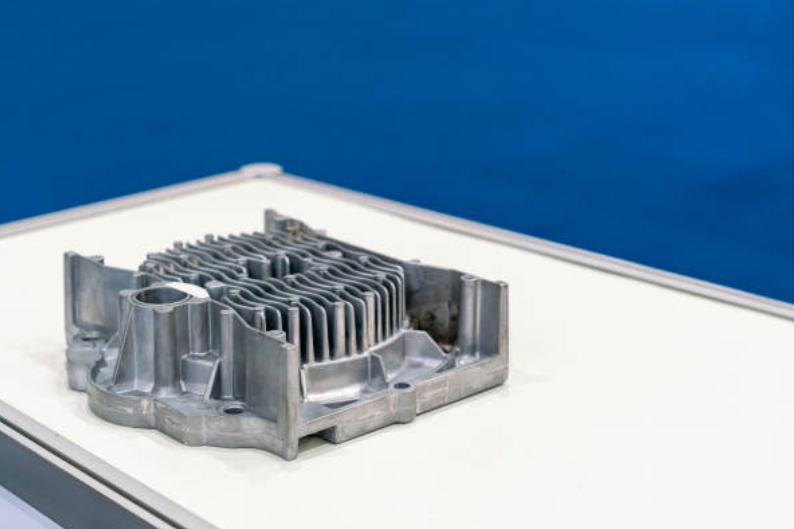
Industries use custom Zamak die casting because zinc die casting can produce compact metal parts with detailed features and useful surface finish options at suitable production volumes. The process can form ribs, bosses, logos, textures, mounting lugs, and decorative faces when the part is designed for die casting.
Custom Zamak parts are not generic catalog parts. The buyer's drawing controls alloy choice, parting line, tolerances, finish, inspection, and secondary operations. A lock body, electronics shell, and automotive knob may all use Zamak, but the RFQ details are different.
The buyer should provide the 3D model, 2D drawing, annual volume, cosmetic surfaces, alloy preference, finish requirements, and inspection criteria before quotation.
How Do Automotive And Transportation Buyers Use Zamak?
Automotive and transportation buyers commonly use custom Zamak die casting for interior hardware, brackets, knobs, lock components, connector parts, decorative trim, and small mechanisms. These parts often require repeatable assembly geometry and controlled surface appearance.
Zamak 3, Zamak 5, and other zinc alloy routes should be reviewed according to load, wear, finish, and corrosion exposure. A decorative trim part and a functional bracket may need different alloy and finish decisions.
Automotive RFQs should identify validation requirements, finish class, assembly loads, threaded features, post-finish dimensions, and inspection records. Safety-related or approval-driven components require buyer-defined acceptance criteria.
Why Do Consumer Electronics And Appliances Use Zamak?
Consumer electronics and appliance buyers use Zamak for frames, shells, connector housings, hinges, bezels, knobs, decorative covers, and compact internal supports. These parts often need a metal feel, detailed features, and cosmetic surfaces that survive handling and assembly.
Zamak can reduce machining when small features are formed in the die, but finish requirements must be planned carefully. A consumer product part may require polishing, plating, coating, or packaging controls that affect cost and yield.
RFQs should include cosmetic maps, color or plating requirements, visible surface standards, parting line preferences, masking areas, and packaging needs. Clear cosmetic requirements reduce sorting and rework.
How Do Locking, Security, And Power Tool Industries Use Zamak?
Locking, security, and power tool industries use Zamak for lock bodies, latches, handles, knobs, gear covers, triggers, fittings, base plates, and small mechanical parts. These applications often combine wear, appearance, and assembly requirements.
Zamak 5 may be reviewed when mechanical or wear behavior matters, while Zamak 7, Zamak 2, ZA-8, or other zinc alloys may be considered after drawing review.
Buyers should define wear surfaces, threaded holes, inserts, fastener loads, plating thickness, corrosion exposure, and inspection gauges. These details help the supplier avoid underestimating secondary operations.
Where Do Lighting, Industrial, And Medical Equipment Parts Use Zamak?
Lighting hardware, industrial equipment, and selected medical equipment hardware may use Zamak where compact detail, stable appearance, and repeatable assembly fit are important. Examples include brackets, covers, instrument hardware, small fittings, control knobs, connector shells, and decorative housings.
Medical equipment language should be handled carefully. A Zamak component may be used in equipment hardware or support structures when buyer specifications, cleaning requirements, surface finish, and validation criteria are defined. Final validation remains the buyer's responsibility.
Industrial and lighting RFQs should identify heat exposure, corrosion exposure, electrical contact needs, visible surfaces, coating or plating requirements, and inspection condition after finishing.
Which Custom Zamak Parts Are Common By Industry?
Custom Zamak parts are most common when compact geometry, surface appearance, and production repeatability all matter. The table below maps common industry uses to RFQ inputs.
Industry | Common Custom Zamak Part | Buyer Reason | RFQ Detail Needed |
|---|---|---|---|
Automotive | Interior hardware, brackets, knobs, lock parts | Repeatable assembly and controlled finish | Load, corrosion exposure, finish class, inspection records |
Consumer Electronics | Frames, shells, connectors, hinge parts | Compact metal feel and detailed surfaces | Cosmetic map, post-finish dimensions, packaging |
Locks And Security | Lock bodies, latches, handles, cylinders | Wear behavior, plating options, functional geometry | Wear surfaces, threads, plating thickness, gauges |
Power Tools | Gear covers, triggers, handles, fittings | Durability and repeatable assembly fit | Fastener loads, impact exposure, coating requirement |
Lighting And Equipment | Brackets, covers, knobs, connector shells | Appearance, corrosion protection, compact detail | Surface finish, exposure environment, inspection condition |
How Should Buyers Specify Custom Zamak Die Casting?
Buyers should specify custom Zamak die casting by connecting the industry use to part features, finish, and inspection. This helps the supplier choose alloy, tooling, trimming, machining, and finishing routes.
Surface finishes may include electroplating, chrome plating, powder coating, polishing, tumbling, or deburring depending on the application. CNC machining may be needed for threads, bores, datums, or high-control mating surfaces.
The most useful RFQ package includes material preference, 3D model, 2D drawing, production volume, cosmetic standards, finish zones, machined features, inspection method, and application environment.
Related FAQs