What makes Zamak alloys environmentally friendly?
Zamak alloys can be considered environmentally friendly for die casting when their recyclability, efficient feature formation, reduced machining potential, durable service performance, and controlled surface finishing are used in a well-planned manufacturing route. For buyers sourcing Zamak housings, lock parts, connectors, brackets, handles, fittings, or decorative hardware, the practical RFQ problem is defining which environmental requirement matters: material recovery, lower scrap, less machining, longer part life, or reduced finishing rework.
What Makes Zamak Alloys Environmentally Relevant?
Zamak alloys are environmentally relevant because zinc die casting can produce detailed near-net-shape parts and support scrap recovery when material handling is controlled. These benefits depend on the part design, production yield, finish route, inspection criteria, and buyer specifications.
A Zamak part that casts cleanly, needs limited machining, passes inspection, and lasts in the intended product can reduce wasted material compared with a route that creates excessive chips, cosmetic rejects, or early replacement. The alloy is only one part of the sustainability picture.
Buyers should avoid treating environmentally friendly as a generic label. The RFQ should state material requirements, expected volume, finish zones, recycled or traceability needs if required, and acceptance criteria for scrap or rework control.
How Does Recyclability Support Zamak Sustainability?
Recyclability supports Zamak sustainability when scrap handling, alloy control, and material traceability are managed according to the buyer's requirements. Zinc alloy scrap from runners, gates, trimming, or rejected parts may be recovered through appropriate material-management routes, subject to alloy quality control.
Zinc alloy selection should consider both casting performance and material approval. Zamak 3, Zamak 5, Zamak 7, and other Zamak routes may fit different part functions and finishing requirements.
The buyer should specify whether recycled content, material certificates, or alloy traceability are required. Without that requirement, the supplier may focus on standard alloy compliance and production yield rather than documented environmental reporting.
How Can Zamak Reduce Material Waste?
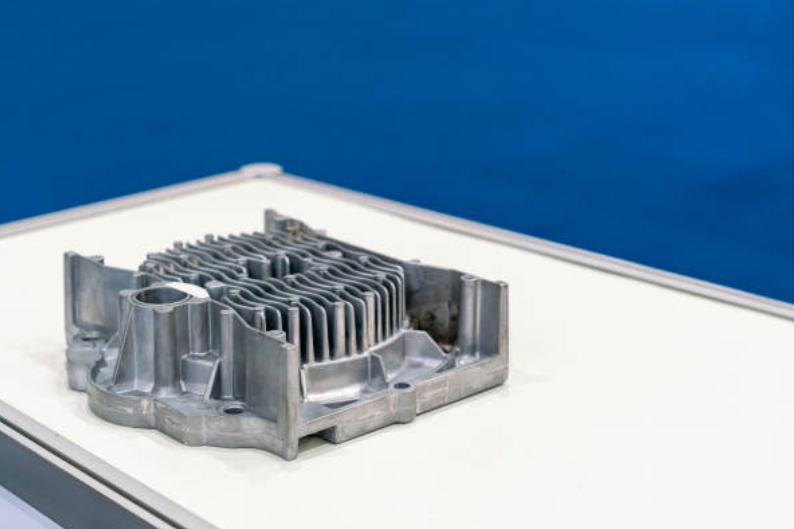
Zamak can reduce material waste when detailed features are formed directly in the die and secondary machining is limited to functional areas. Near-net-shape production can reduce chips, fixture time, and excess stock removal.
Environmental Factor | Zamak Die Casting Contribution | Buyer RFQ Input | Manufacturing Risk |
|---|---|---|---|
Near-net geometry | Forms ribs, bosses, logos, shells, and mounting features in the die | 3D model and as-cast feature list | Over-machining if critical features are unclear |
Scrap recovery | Supports controlled handling of zinc alloy process scrap | Material traceability or recovery requirement if needed | Mixed alloy streams or undocumented material flow |
Reduced finish rework | Uses defined visible zones and finish specifications | Cosmetic map and finish standard | Rejects caused by vague appearance criteria |
Longer part life | Uses suitable alloy and surface protection for the environment | Service exposure and durability requirement | Wrong alloy or finish for the application |
Focused inspection | Finds process issues before late-stage waste | Inspection stage and acceptance criteria | High-value scrap after plating or machining |
How Do Zamak Alloys Support Durable Parts?
Zamak alloys support durable parts when the selected alloy matches load, wear, corrosion exposure, handling, and assembly requirements. Durability matters environmentally because longer-lasting parts can reduce replacement and waste over the product life.
Zamak 5 may be reviewed when mechanical or wear behavior matters, while Zamak 3 may suit many general die-cast zinc alloy parts. ZA-8, ACuZinc5, or EZAC may be considered only when buyer requirements and process compatibility justify those routes.
The RFQ should connect alloy selection to service environment. A decorative handle, connector shell, lock body, and industrial fitting may all require different durability assumptions.
How Do Surface Finishes Affect Environmental Performance?
Surface finishes affect environmental performance because a finish can extend part life but also add processing steps, masking, rework, and inspection. The most responsible finish is the one that provides the required protection or appearance without unnecessary coverage.
Electroplating, chrome plating, powder coating, polishing, and deburring may all be relevant for Zamak parts depending on appearance, corrosion exposure, wear, and handling requirements.
Buyers should define visible surfaces, masked areas, finish buildup limits, corrosion exposure, and inspection condition. Finish-zone control can reduce unnecessary processing and cosmetic rejection.
Which Industries Value Environmentally Friendly Zamak Alloys?
Industries that value environmentally friendly Zamak alloys include consumer electronics, automotive hardware, locks and security hardware, power tools, appliances, and industrial equipment. These industries often need small metal parts with detail, surface quality, durability, and repeatable production.
Consumer electronics buyers may focus on reduced cosmetic rejects and durable visible shells. Automotive buyers may focus on repeatable hardware and material documentation. Power tool buyers may focus on long service life, wear behavior, and stable assembly fit.
For approval-driven or regulated applications, environmental goals should remain subject to buyer specifications, documentation requirements, and final validation responsibilities.
What RFQ Details Support Environmentally Friendly Zamak Parts?
RFQ details support environmentally friendly Zamak parts by turning broad environmental goals into measurable manufacturing requirements. The supplier can then review alloy, tooling, machining, finishing, and inspection decisions together.
RFQ Detail | Environmental Purpose | Supplier Review Area |
|---|---|---|
Approved Zamak alloy or zinc alloy family | Controls material suitability and traceability expectations | Alloy route and material records |
As-cast and machined feature list | Reduces unnecessary machining and chips | Tooling and CNC process planning |
Finish zones and cosmetic standard | Reduces over-finishing and visual rejection | Surface treatment and inspection plan |
Annual volume | Shows whether tooling optimization is justified | Die design and production controls |
Inspection stage | Finds problems before high-value scrap occurs | Quality plan and sampling method |
Related FAQs