How is Zamak die casting sustainable?
Zamak die casting can be sustainable when the zinc alloy, die casting design, tooling strategy, scrap handling, machining allowance, surface finish, and inspection plan reduce unnecessary waste while still meeting the buyer's functional requirements. For buyers sourcing Zamak housings, connectors, lock parts, brackets, handles, fittings, or decorative hardware, the practical RFQ problem is defining whether sustainability means recyclable material use, reduced machining, longer part life, fewer cosmetic rejects, or more stable production yield.
How Can Zamak Die Casting Support Sustainability?
Zinc die casting can support sustainability when the part is designed to use material efficiently and reduce avoidable secondary work. Zamak alloys can form detailed features in a die, which may reduce machining, assembly steps, and scrap when the part geometry is suitable.
Sustainability does not come from the alloy name alone. The result depends on part design, die life, casting yield, trimming waste, finishing rework, inspection rejection rate, and whether the finished component lasts in the intended environment.
The RFQ should translate sustainability into manufacturing requirements. Useful inputs include approved alloy, production volume, finish zones, machined features, cosmetic acceptance criteria, and any material traceability or recycling requirements.
Which Zamak Material Benefits Support Sustainable Production?
Zamak material benefits can support sustainable production when the selected alloy matches the part function and avoids unnecessary rework. Zinc alloys can support recyclability routes and detailed casting, but the supplier still needs clear material and acceptance requirements.
Zamak Or Zinc Alloy Route | Sustainability Contribution | Typical Part Direction | RFQ Detail Needed |
|---|---|---|---|
Common route for efficient detailed zinc die-cast parts | Housings, covers, fittings, decorative hardware | Cosmetic surfaces, volume, finish requirement | |
May support longer part life where mechanical or wear behavior matters | Handles, lock parts, brackets, mechanisms | Load areas, wear surfaces, inspection standard | |
May support selected surface-sensitive or detailed components | Visible hardware and compact fittings | Surface acceptance and finishing route | |
Broad material family for recyclable and efficient die-cast routes | Connectors, brackets, shells, small hardware | Approved alloy list and documentation needs | |
May fit selected parts needing specific zinc-aluminum behavior | Functional components and hardware | Process compatibility and buyer approval |
How Does Near-Net-Shape Die Casting Reduce Waste?
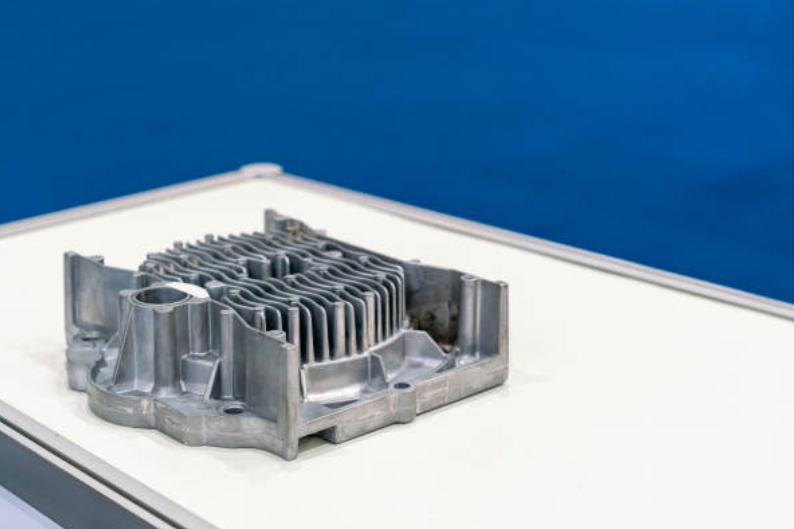
Near-net-shape die casting reduces waste by forming the part close to final geometry so fewer surfaces require machining. Zamak can reproduce many details directly in the die, including ribs, bosses, decorative features, logos, mounting lugs, and small exterior shapes.
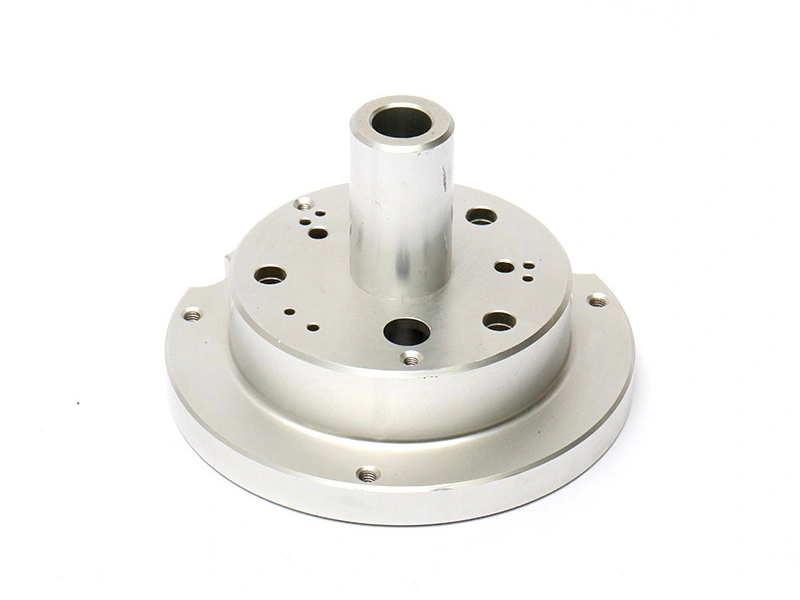
Machining is still needed for some features. Threads, bores, precision datums, sealing surfaces, and post-finish interfaces may require CNC machining, tapping, reaming, or gauging. The sustainable approach is to machine only the features that need it rather than applying machining to every surface.
Buyers should mark as-cast features and machined features separately on the drawing. This helps reduce chips, fixture time, inspection scope, and rework.
How Do Finishes Affect Zamak Sustainability?
Finishes affect Zamak sustainability because they can improve durability and reduce replacement, but they can also add waste if applied too broadly or without clear acceptance criteria. The best finish route is the one that protects the required surfaces without over-processing hidden or non-functional areas.
Electroplating, chrome plating, powder coating, polishing, tumbling, and deburring may be considered for Zamak parts depending on appearance, corrosion exposure, wear, and handling requirements.
The RFQ should identify visible surfaces, masked surfaces, finish thickness limits, corrosion exposure, packaging requirements, and cosmetic acceptance standards. Clear finish zones can reduce polishing, coating rework, and cosmetic sorting.
How Does Durability Improve Zamak Sustainability?
Durability improves Zamak sustainability by reducing replacement frequency, warranty risk, repair work, and discarded components. A durable lock part, connector housing, handle, or decorative hardware component can be more sustainable than a part that uses less material but fails early.
Durability depends on alloy choice, wall design, wear surfaces, corrosion protection, finish quality, and assembly fit. Zamak 5 or another alloy may be reviewed when mechanical or wear behavior matters, but the final choice should be based on buyer specifications.
Buyers should describe service environment, handling frequency, abrasion exposure, cleaning method, and corrosion conditions. This helps the supplier connect sustainability to real product life instead of a generic material claim.
Which Industries Use Sustainable Zamak Die Casting?
Industries that may use sustainable Zamak die casting include consumer electronics, automotive hardware, locks and security hardware, power tools, appliances, and industrial equipment. These industries often need compact metal parts with good detail, surface finish options, and efficient production at volume.
Consumer electronics buyers may use Zamak for frames, shells, hinges, and connector housings. Automotive buyers may use Zamak for interior hardware, small mechanisms, brackets, and knobs. Power tool buyers may use Zamak for handles, housings, fittings, and durable hardware.
For safety-related or regulated applications, sustainability goals should remain subject to buyer specifications, qualification requirements, and final validation responsibilities.
What Should Buyers Include In A Sustainable Zamak RFQ?
A sustainable Zamak RFQ should define the manufacturing decision that creates the sustainability benefit. Broad requests for green casting are less useful than specific material, process, finish, and inspection requirements.
RFQ Item | Sustainability Purpose | Manufacturing Review |
|---|---|---|
Approved Zamak or zinc alloy | Supports material control and possible recycling or traceability requirements | Alloy route and supplier approval |
As-cast versus machined features | Reduces unnecessary stock removal | Tooling, machining, and fixture plan |
Finish zones and masked areas | Reduces over-finishing and coating rework | Surface treatment and inspection plan |
Annual volume | Shows whether tooling and process optimization are justified | Production strategy and die investment |
Inspection acceptance criteria | Reduces late-stage rejection and repeated rework | Quality plan and reporting scope |
Related FAQs