What challenges does Zamak die casting typically face?
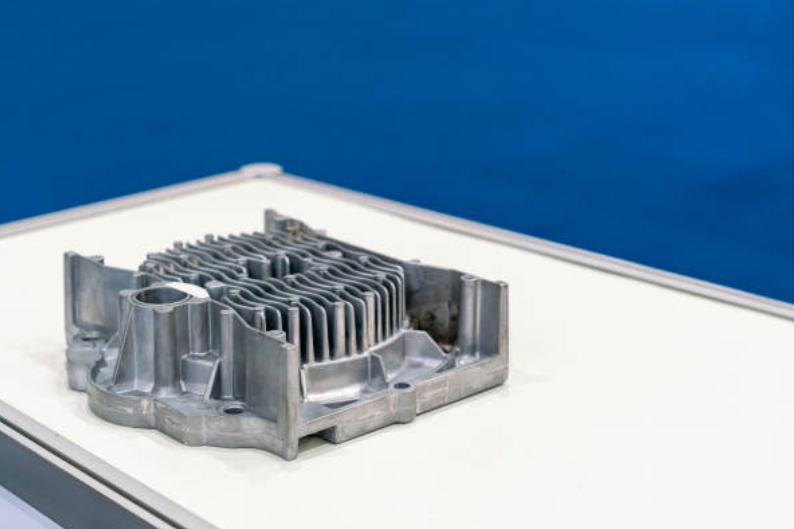
Zamak die casting typically faces challenges such as trapped gas, porosity, flash, die wear, parting-line marks, ejection marks, surface finishing defects, and secondary machining needs that are not defined early in the RFQ. For buyers sourcing zinc die-cast housings, connectors, lock parts, handles, brackets, fittings, or decorative hardware, the practical problem is identifying which challenge affects function, appearance, assembly fit, or production yield before tooling begins.
Why Do Zamak Die Casting Challenges Need Early Review?
Zamak die casting challenges need early review because the die, alloy, geometry, finish, and inspection plan are connected. Zinc die casting can produce detailed parts efficiently, but defects found after tooling, plating, or machining are more expensive to correct.
A Zamak part may include visible surfaces, threaded holes, snap-fit features, plated faces, and assembly datums. Each feature creates a different risk. A parting-line mark may be acceptable on a hidden face but unacceptable on a polished exterior. A small pore may be acceptable on a non-critical surface but unacceptable near a plated cosmetic face.
Buyers should define visible zones, critical dimensions, finish type, machined features, inspection method, and annual volume before quotation. These inputs help the supplier review process feasibility and cost realistically.
Which Defects Are Common In Zamak Die Casting?
Common Zamak die casting defects include porosity, trapped gas, cold shuts, flow marks, flash, sink marks, ejection marks, parting-line mismatch, and surface defects that appear after plating or coating. The effect of each defect depends on location and acceptance criteria.
Challenge | Typical Cause | Buyer Risk | RFQ Detail Needed |
|---|---|---|---|
Porosity or trapped gas | Venting, fill path, or thick section issues | Surface defects, plating problems, local weakness | Critical surfaces and inspection method |
Flash | Parting line, die fit, pressure, or tool wear | Burrs, assembly interference, trimming work | Burr standard and parting line limits |
Flow marks or cold shuts | Wall thickness, gate location, or thermal variation | Cosmetic rejection or incomplete detail | Visible surface map and wall review |
Ejector marks | Required part release from the die | Visible surface rejection or finishing rework | Hidden face preference and cosmetic criteria |
Finish defects | Surface preparation, pores, contamination, or coating buildup | Peeling, uneven appearance, fit issues | Finish specification and post-finish dimensions |
How Do Material Choices Change Zamak Casting Risk?
Material choices change Zamak casting risk because each zinc alloy route has different behavior in die filling, mechanical performance, wear, finishing, and inspection. A buyer should choose the alloy based on the part requirement rather than a general preference.
Zamak 3 is commonly reviewed for general zinc die-cast parts. Zamak 5 may be considered for parts with different mechanical or wear needs. Zamak 7, Zamak 2, ZA-8, ACuZinc5, or EZAC should be reviewed only when their properties fit the drawing and supplier process.
The RFQ should state the approved alloy or allow supplier recommendation based on function, finish, and inspection. Material substitution should not happen without buyer approval when specifications are controlled.
Why Do Tooling And Design Cause Zamak Challenges?
Tooling and design cause Zamak challenges because the part must be filled, cooled, ejected, trimmed, and finished repeatedly. Poor draft, deep undercuts, uneven wall thickness, sharp transitions, difficult parting lines, or visible faces near gates can create rework.
Design features such as ribs, bosses, snap fits, decorative logos, and thin walls may be possible, but they need die casting review. Undercuts may require slides. Tight dimensions may require machining. Visible surfaces may restrict gate and ejector placement.
Buyers can reduce tooling risk by providing a 3D model, 2D drawing, cosmetic map, functional surfaces, assembly interfaces, and expected production volume before tool design.
How Do Surface Finishes Add Zamak Casting Challenges?
Surface finishes add Zamak casting challenges because they can reveal porosity, add thickness, change edge condition, or create new cosmetic requirements. A part that is acceptable as-cast may fail after plating, polishing, or coating if finish requirements are not planned.
Electroplating and chrome plating may be used for selected Zamak parts. Powder coating, polishing, tumbling, and deburring may also be relevant depending on the part.
The buyer should define finish zones, masked areas, post-finish dimensions, corrosion exposure, and visual acceptance criteria. This prevents finishing from becoming an unplanned source of rejection.
How Do Inspection And Secondary Operations Control Risk?
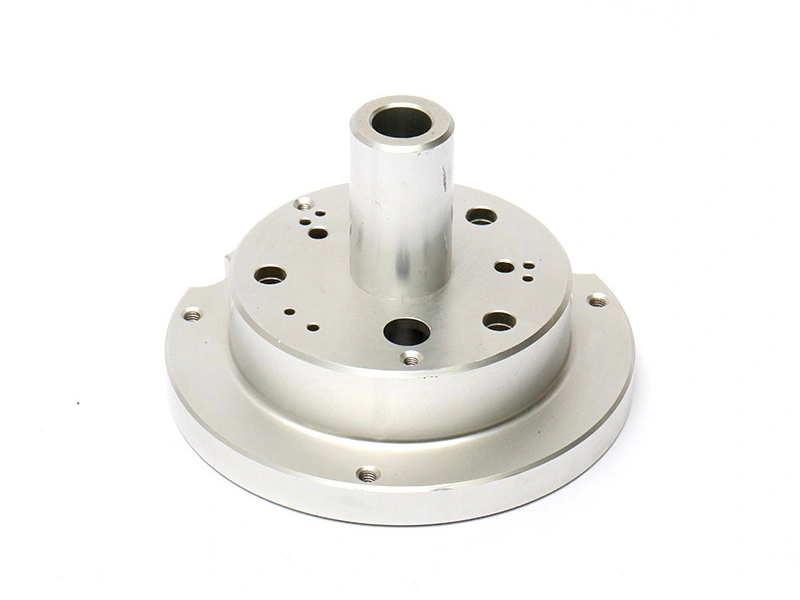
Inspection and secondary operations control risk when they are planned around the feature that matters. Threads, bores, datums, sealing faces, and assembly-critical surfaces may require machining or gauging. Decorative faces may require visual standards and finish checks.
CNC machining may be needed for selected functional features, while CMM inspection, go/no-go gauges, thread gauges, coating checks, or functional assembly checks may be needed depending on the drawing.
Buyers should state whether inspection occurs as-cast, after trimming, after machining, after finishing, or after assembly. This reduces disputes and late-stage scrap.
What RFQ Details Help Prevent Zamak Die Casting Challenges?
RFQ details help prevent Zamak die casting challenges by making design, alloy, finish, and inspection requirements clear before tooling. The supplier can then plan the process around known acceptance criteria.
RFQ Detail | Challenge Reduced | Supplier Review Area |
|---|---|---|
Cosmetic and functional surface map | Gate, ejector, and parting-line conflicts | Die layout and finish planning |
Approved alloy or material requirements | Wrong Zamak route or finish mismatch | Material selection and records |
Critical dimensions and post-finish dimensions | Fit problems after plating or coating | Machining, masking, and inspection |
Threaded, inserted, or machined features | Unplanned secondary operations | CNC, tapping, fixture, and gauge plan |
Acceptance criteria and inspection method | Late rejection and unclear defect limits | Quality plan and reporting scope |
Related FAQs