What environmental factors must be prioritized in 5G AAU thermal design?
5G AAU thermal design should prioritize temperature cycling, heat density, humidity, condensation, UV exposure, corrosion, dust loading, airflow blockage, and assembly vibration before the buyer selects a manufacturing route. This FAQ explains how metal injection molding, ceramic injection molding, aluminum die casting, plastic injection molding, surface finishing, and environmental validation apply to AAU heat spreaders, RF shielding brackets, dielectric supports, connector housings, and outdoor telecommunication enclosures. The practical RFQ problem is to define the outdoor exposure profile and thermal performance target before Neway reviews materials, tooling, sealing features, and validation tests.
Which environmental factors should be defined in the RFQ?
The RFQ should define the operating temperature range, thermal cycling profile, humidity exposure, condensation risk, UV exposure, salt or pollution exposure, dust loading, airflow condition, vibration, and cleaning or maintenance assumptions. These conditions tell Neway which material and process risks matter for the AAU part.
A 5G AAU is an outdoor thermal system, not only an RF package. Heat from RF power modules must move through heat spreaders, housing walls, thermal interface materials, and external airflow paths while the enclosure resists weather and mechanical loading. If the RFQ does not describe the outdoor environment, the manufacturing review cannot reliably compare MIM metal brackets, ceramic insulating parts, aluminum heat sinks, or polymer covers.
Environmental factor | AAU part affected | Manufacturing decision |
|---|---|---|
Temperature cycling | Heat spreader, RF bracket, dielectric support, and fastener joint | Material expansion, joint design, and thermal interface control |
Humidity and condensation | Connector housing, shield shell, seal groove, and cavity interface | Corrosion-resistant material, coating, sealing, and drainage design |
UV and outdoor exposure | Plastic cover, gasket-adjacent surfaces, and exposed housing areas | Polymer grade, surface finish, and weathering validation |
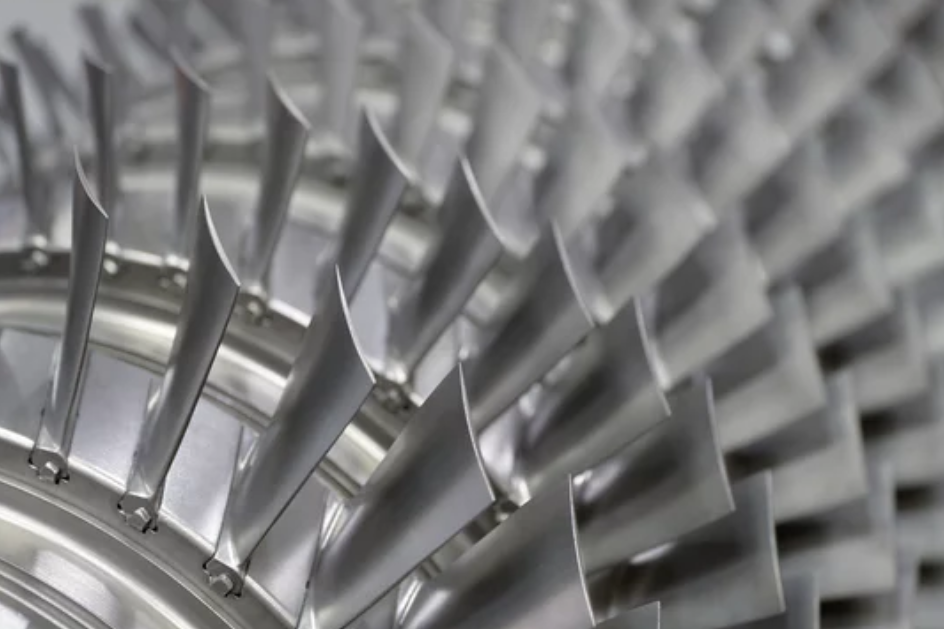
Dust and pollution | Heat sink fins, airflow channels, and vented enclosure areas | Fin spacing, surface texture, cleaning access, and airflow testing |
How do temperature cycling and heat density affect material selection?
Temperature cycling and heat density affect material selection by changing how much thermal expansion, warpage, joint stress, and heat-spreading capacity the AAU part must tolerate. The buyer should identify hot components, thermal interfaces, mounting loads, and allowed temperature rise before selecting the process.
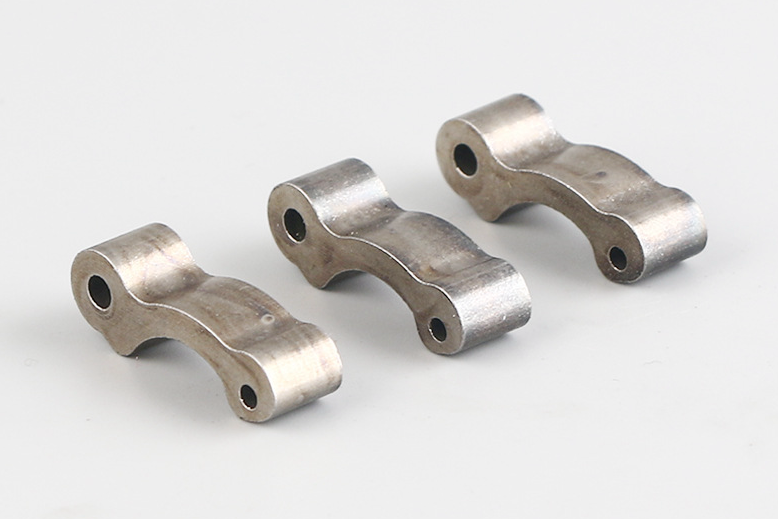
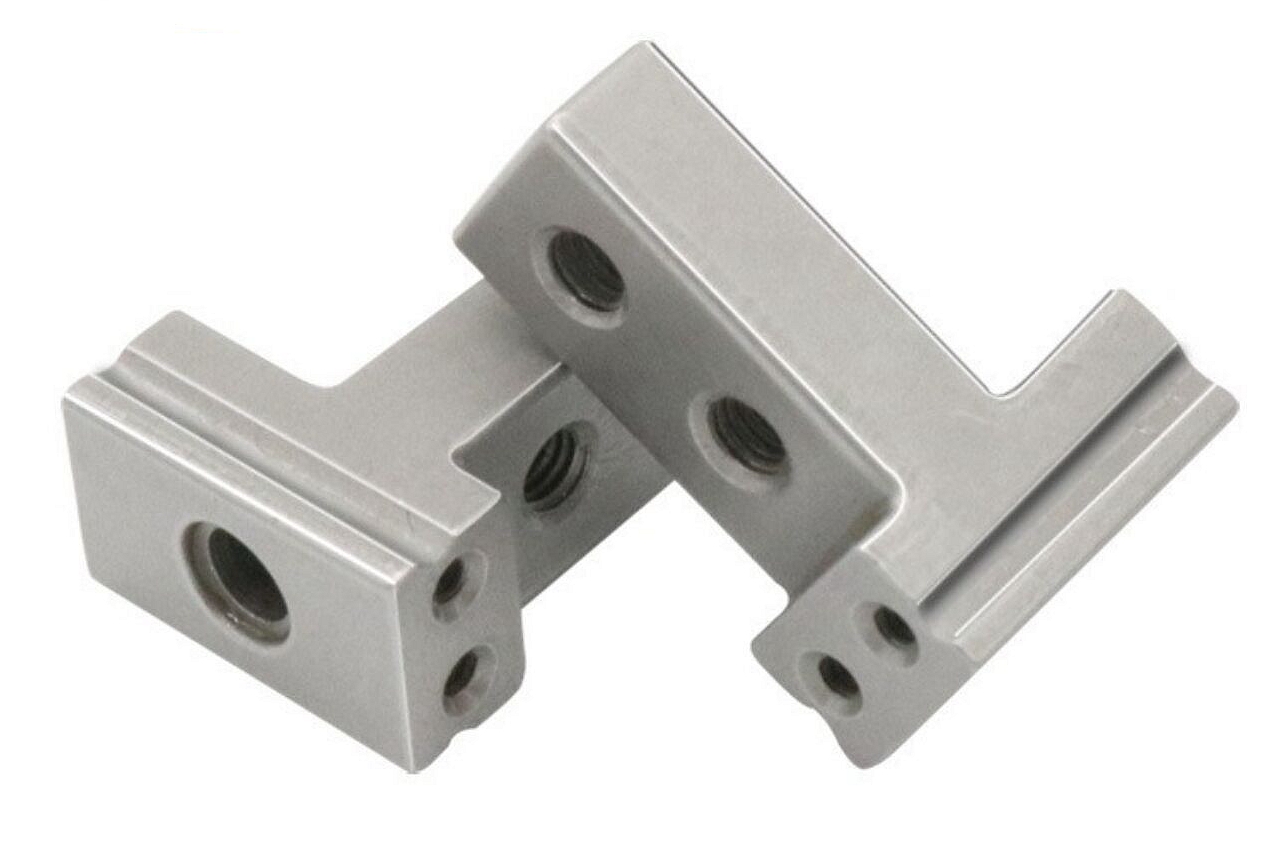
Aluminum die casting can be reviewed for larger heat-spreading housings and heat sink structures where weight and thermal paths are important. MIM can be reviewed for compact RF brackets, shield parts, and high-density metal features. Alumina ceramic injection molding, zirconia ceramic injection molding, or silicon carbide ceramic injection molding may be reviewed where dielectric behavior, wear resistance, insulation, or heat-related stability is part of the AAU design.
How should humidity, condensation, and corrosion be managed?
Humidity and condensation should be managed with material selection, sealing features, drainage paths, coating selection, and assembly validation. Moisture can affect RF connectors, plated contacts, steel fasteners, aluminum interfaces, ceramic-to-metal joints, and polymer seals.
Neway reviews corrosion-sensitive surfaces with the buyer before choosing surface finishing routes. Electroplating, alodine-type conversion coating, powder coating, or other buyer-specified protective finishes may be considered depending on the base material and exposure. The RFQ should state which surfaces are conductive interfaces, which surfaces are sealed interfaces, and which surfaces can receive insulating protection.
How do UV, dust, and airflow change AAU thermal design?
UV, dust, and airflow conditions change AAU thermal design because outdoor surfaces age, airflow channels can clog, and surface texture can affect heat transfer and cleaning. A thermal model should therefore include real enclosure orientation, venting, fin geometry, and likely contamination instead of assuming clean laboratory airflow.
Plastic injection molding can be reviewed for covers, radomes, insulators, and non-current-carrying housings, but the polymer grade must match the buyer's UV, heat, and dimensional stability requirements. For metal heat sinks or housings, surface finish and coating choices should consider dust retention, corrosion protection, grounding continuity, and maintenance access.
Which process routes fit 5G AAU thermal parts?
The process route should be selected by part function. Aluminum die casting may fit large thermal enclosures, MIM may fit compact RF metal parts, ceramic injection molding may fit dielectric or insulating components, and plastic injection molding may fit lightweight covers or radome-related parts.
AAU part type | Process route to review | Key RFQ control point |
|---|---|---|
Heat sink or thermal enclosure | Aluminum die casting with secondary machining or finishing | Heat path, fin geometry, flatness, coating, and grounding interface |
RF bracket or shielding feature | Metal injection molding | Dimensional stability, plating, contact surface, and assembly datum |
Dielectric support or insulating spacer | Ceramic injection molding | Dielectric requirement, thermal stress, shrinkage control, and surface condition |
Cover, radome, or protective housing | Plastic injection molding | UV exposure, heat aging, sealing, stiffness, and shielding strategy |
What validation evidence should buyers request?
Buyers should request validation evidence that connects environmental exposure to thermal and RF function. Useful evidence may include dimensional inspection, coating inspection, thermal cycling results, humidity exposure results, corrosion exposure results, vibration checks, airflow or pressure-drop tests, and RF performance data before and after environmental exposure.
For RF-sensitive AAU parts, thermal validation should not be separated from RF validation. A heat sink may pass a thermal check but still create grounding or shielding problems if coating, flatness, or contact pressure changes. A dielectric ceramic part may hold geometry but still require RF verification in the final assembly. The buyer should define final approval criteria and the qualified test authority before production release.
What RFQ details help Neway review 5G AAU thermal design?
A 5G AAU thermal design RFQ should include 3D CAD, 2D drawings, part function, heat source map, target thermal path, environmental exposure profile, material preference, coating requirement, sealing requirement, RF interface, grounding interface, assembly loads, validation tests, and expected production volume. These details allow Neway to compare MIM, ceramic injection molding, aluminum die casting, and plastic injection molding routes against the same operating requirements.
The buyer should also identify which surfaces must remain conductive, which surfaces require insulation, which features transfer heat, and which features are only structural. This distinction helps Neway avoid conflicts between thermal performance, RF shielding, corrosion protection, and manufacturability.
Related FAQs
How to balance lightweight requirements with thermal efficiency in telecom gear?
How to choose between liquid and air cooling for various telecom applications?
How does Neway verify long-term reliability of thermal management solutions?
How to select thermal interface material between chip and heatsink?
What material and structural solutions enable lightweight high heat dissipation?
How to balance conductivity, heat, weight, and cost when selecting RF materials?
Can aluminum die casting be used for heat dissipation components?
What steps take RF components from prototype to full-scale production?