What material and structural solutions enable lightweight, high heat dissipation?
Lightweight, high heat dissipation parts require a material and structure decision across aluminum die casting, sheet metal fabrication, MIM, copper alloy features, injection molded thermal plastics, and hybrid metal-plastic assemblies. The practical RFQ problem is to define the heat source, thermal interface area, weight target, insulation requirement, and production volume before Neway compares metal, polymer, and hybrid manufacturing routes. The right solution may be a die cast heat sink, a formed heat shield, a MIM thermal insert, a molded duct, or a combined assembly rather than one universal material.
What material and structural solutions enable lightweight high heat dissipation?
The most useful solutions combine a conductive heat path, low-mass geometry, enough surface area, and manufacturable interfaces. A lightweight thermal component should not only use a low-density material; the component must carry heat from the source to the cooling surface without weakening the part or blocking assembly.
For buyers, the first decision is the dominant function. If heat spreading is the main requirement, aluminum or copper-based metal features usually deserve early review. If insulation, airflow, and integrated clips are more important, injection molded polymers may fit better. If the part needs a compact metal feature inside a small assembly, metal injection molding may support complex small metal geometry, especially when secondary machining and inspection are planned around critical interfaces.
Thermal design route | Best-fit part type | Main advantage | RFQ risk to define |
|---|---|---|---|
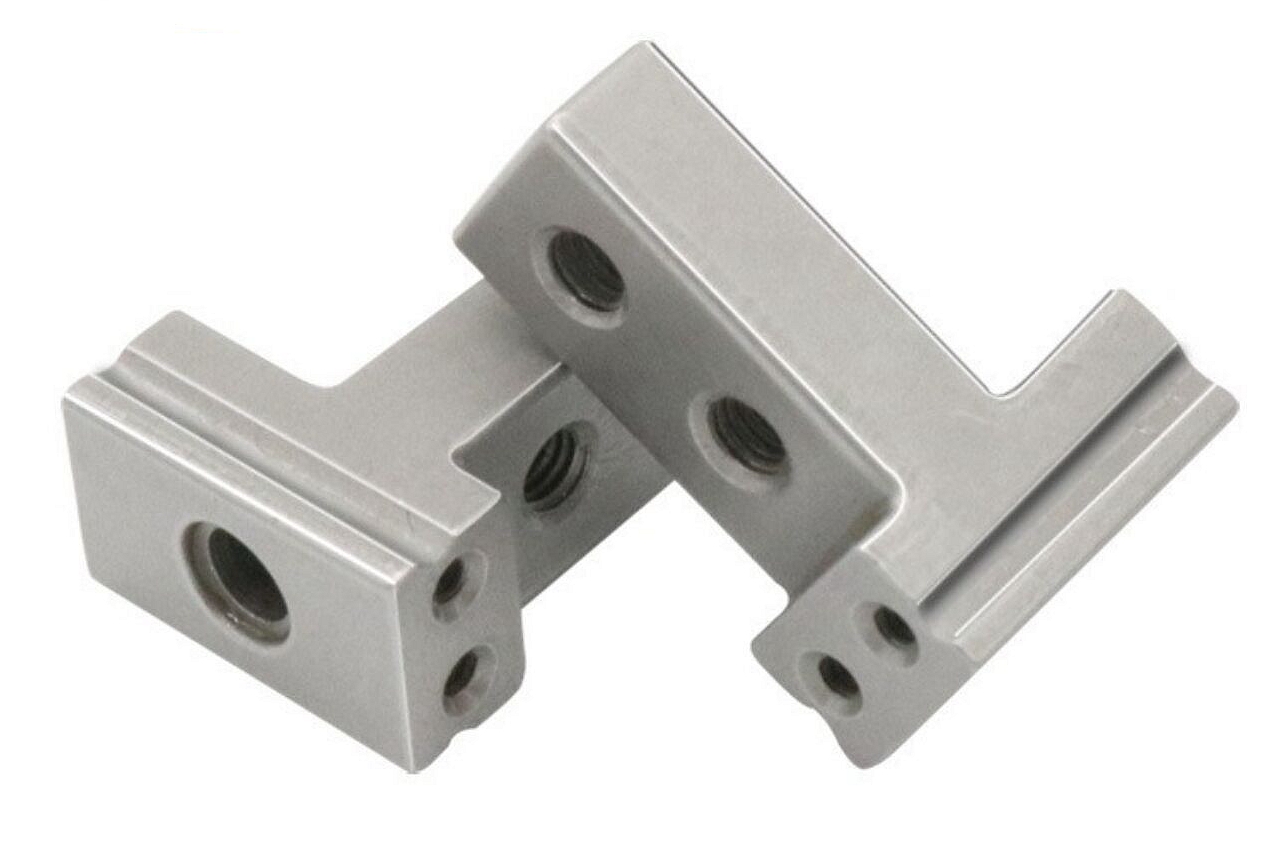
Aluminum die casting | Heat sink housing, LED body, inverter cover, battery enclosure feature | Combines ribs, bosses, fins, and mounting surfaces in one metal part | Thermal pad flatness, fin geometry, porosity-sensitive zones, and post-machining |
Sheet metal fabrication | Heat shield, thermal spreader, airflow guide, cover, bracket | Low mass and large surface area with formed geometry | Bend sequence, flatness, burr direction, coating, and assembly stack-up |
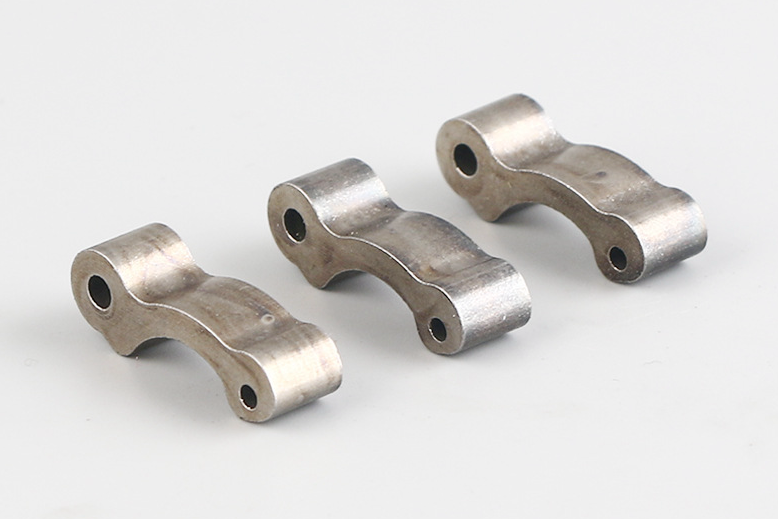
MIM or small metal insert | Compact thermal insert, small bracket, conductive path, dense metal feature | Forms small complex geometry with metal strength and repeatable features | Sintering shrinkage, density consistency, datum machining, and inspection method |
Thermal polymer | Duct, cover, connector shroud, insulated support, lightweight housing | Reduces weight while supporting electrical insulation and molded features | Resin grade, filler system, temperature exposure, warpage, and dielectric spacing |
Hybrid metal-plastic assembly | Metal heat spreader with molded cover, insert-molded thermal core | Separates heat spreading from insulation and assembly features | Metal-plastic interface, thermal cycling, insert retention, and coating compatibility |
When is aluminum or copper more suitable than MIM for heat dissipation?
Aluminum or copper is usually more suitable when the part needs broad heat spreading, large fins, a wide thermal pad, or direct contact with a high heat source. These applications often need a continuous conductive path and a larger cooling surface than MIM is meant to provide.
Aluminum die casting can support lightweight heat sink housings, lighting bodies, motor covers, and power electronics structures with integrated ribs and bosses. Sheet metal fabrication can support thin heat shields and spreaders where low mass and large area matter. Copper alloy may be reviewed when a smaller contact area needs stronger heat transfer, but the RFQ should consider weight and machining effort.
The buyer implication is direct: use aluminum or copper-based routes when heat transfer area dominates the design. Use MIM when small complex metal geometry, part consolidation, tight features, or high-volume small parts are stronger drivers than large-area heat sinking.
When can MIM support lightweight thermal components?
MIM can support lightweight thermal components when the part is small, complex, metal, and difficult to machine economically from bar stock. MIM is not usually the first route for large heat sinks, but MIM can be useful for compact thermal inserts, small brackets near heat sources, thin metal features, conductive paths, and tight assemblies where geometry matters.
For MIM thermal parts, the buyer should review sintering shrinkage, density consistency, wall thickness, rib layout, and secondary machining requirements. MIM parts that need thermal contact should identify machined pads, datum faces, flatness requirements, and coating restrictions. If the part also carries load or rotates, the RFQ should add strength, wear, and balance requirements.
The engineering reason is that heat dissipation depends on contact area and material continuity. A dense MIM feature can help transfer heat locally, but a poor thermal pad, unmachined contact surface, or coating in the wrong zone can reduce the useful heat path.
When are thermal polymers and hybrid inserts useful?
Thermal polymers and hybrid inserts are useful when the part must reduce weight, insulate electricity, guide airflow, or integrate assembly features around a heat source. These routes are often used for covers, ducts, connector supports, battery module parts, or electronic housings where the plastic part controls packaging more than raw heat spreading.
Material candidates such as PC-PBT, PPS, PEEK, and nylon PA should be selected based on temperature exposure, dielectric needs, flame behavior, chemical exposure, and dimensional stability. If the buyer needs more heat transfer than a plastic part can provide, insert molding or overmolding can combine a metal heat spreader with molded insulation or assembly features.
The RFQ should state whether the polymer is expected to conduct heat, insulate an electrical path, guide airflow, hold an insert, or only protect the assembly. These are different design tasks and should not be hidden under a generic "thermal plastic" request.
Which structures improve heat dissipation without adding unnecessary weight?
Useful structures increase surface area, shorten the heat path, or improve airflow without adding unnecessary mass. Fins, ribs, pins, folded sheet features, vent paths, thin walls, local bosses, and hollow or pocketed sections may improve heat dissipation when the structure is matched to the cooling method.
For convection cooling, fin spacing, airflow direction, and obstruction around the part matter as much as material choice. For conduction cooling, thermal pad flatness, contact pressure, interface material, and machined surface condition matter. For lightweight housings, ribs and local reinforcement can protect stiffness while reducing wall thickness.
Prototype evaluation should test the design question. CNC machining prototyping can validate metal pads, fins, and flatness. 3D printed or molded samples can validate duct layout, package clearance, and airflow path. The buyer should not treat a visual prototype as proof of heat dissipation unless the material and test method match the thermal requirement.
Which surface treatments and secondary operations matter for thermal parts?
Surface treatment matters because thermal contact, corrosion resistance, insulation, and appearance can conflict with one another. A coating may protect an exterior face while reducing heat transfer if the same coating is applied to a thermal pad.
For aluminum thermal parts, anodizing may be reviewed for corrosion resistance and surface durability. Neway's surface finishing plan should identify masked thermal pads, grounding areas, cosmetic surfaces, and coating thickness limits. Thermal barrier coatings may be relevant when the goal is to protect a surface from heat rather than move heat through that surface.
Secondary operations such as machining, deburring, flatness control, insert installation, and coating inspection should be discussed before quotation. Thermal parts often fail because an interface is not flat enough, a coating is applied in the wrong place, or an assembly feature blocks airflow.
What validation data should buyers provide for lightweight thermal parts?
Buyers should provide heat source location, heat load or power condition if available, allowable component temperature, airflow direction, mounting condition, thermal interface material, electrical insulation requirement, weight target, and any environmental exposure. Without this data, the supplier can compare manufacturing feasibility but cannot fully evaluate thermal performance.
For production release, buyers may request dimensional inspection, flatness inspection, coating thickness checks, thermal pad review, insert retention checks, assembly fit checks, or functional thermal testing based on the application. Neway can support part-level prototype and manufacturing validation, while final system thermal approval should follow the buyer's system-level test plan.
What RFQ details help Neway choose the right lightweight thermal route?
A useful RFQ should include the CAD model, 2D drawing, material candidates, weight target, heat source location, thermal interface area, required surface finish, insulation zones, critical dimensions, production volume, prototype purpose, and inspection method. Buyers should also mark thermal pads, airflow openings, mounting bosses, coated areas, masked areas, and surfaces that require machining after casting, molding, or sintering.
If the buyer has not selected a process, Neway can compare aluminum die casting, sheet metal fabrication, MIM, CNC prototyping, plastic injection molding, insert molding, and overmolding based on heat path, weight, electrical insulation, feature complexity, and volume. The strongest RFQ states the buyer decision directly: reduce weight, increase heat spreading, add insulation, simplify assembly, or prepare the part for production tooling.
Related FAQs
What are the pros and cons of plastic vs metal thermal management parts?
Can aluminum die casting be used for heat dissipation components?
What parameters are vital for thermal design in high-power LED luminaires?
How to balance lightweight design with thermal performance in lighting systems?
How to lightweight battery enclosures while keeping strength and safety?
Which materials fit continuous high-temperature internal structures?
Which surface treatments improve busbar conductivity and oxidation resistance?
What environmental factors must be prioritized in 5G AAU thermal design?