What makes Zamak suitable for precision die casting?
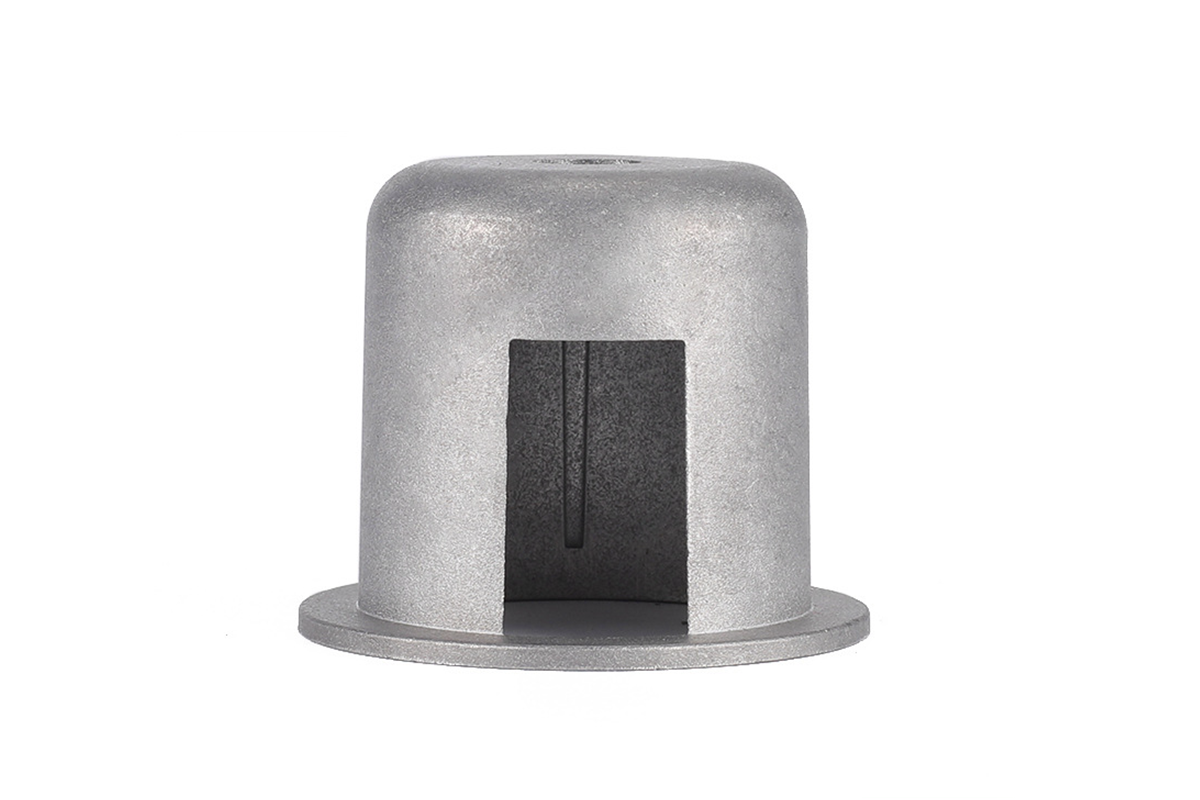
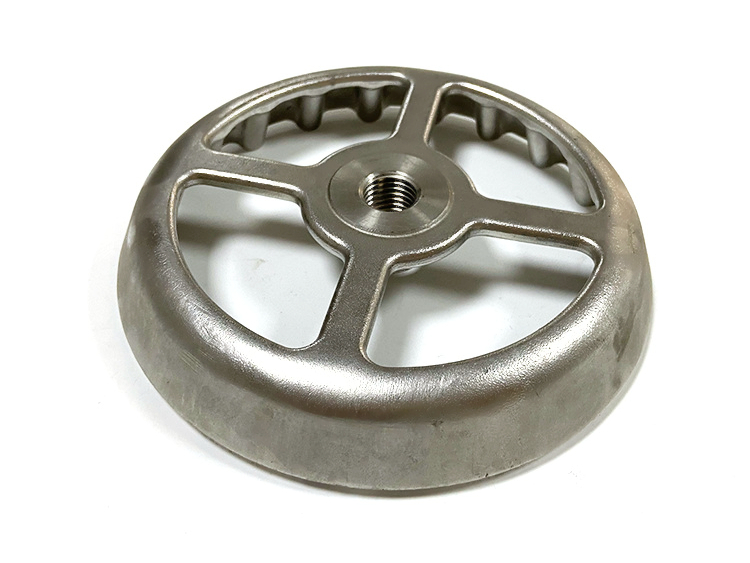
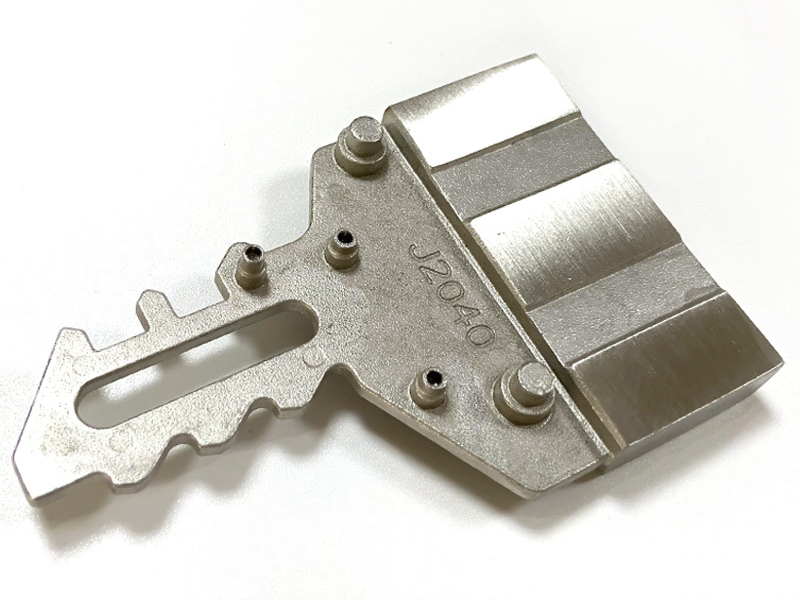
Zamak is suitable for precision die casting because zinc-based Zamak alloys can fill detailed die cavities, reproduce small features, support stable surface appearance, and reduce unnecessary machining when the part design and tooling are suitable. For buyers sourcing precision Zamak housings, connectors, lock parts, brackets, fittings, handles, or consumer electronics hardware, the practical RFQ problem is deciding which dimensions can be controlled as-cast and which features still need machining, tapping, plating allowance, or inspection after casting.
Why Is Zamak Used For Precision Die-Cast Parts?
Zamak is used for precision die-cast parts because zinc die casting can form compact details, sharp features, thin sections, decorative surfaces, and small assembly geometry when the tool and process are designed correctly. This makes Zamak useful for parts that would be expensive to machine completely from solid metal.
Precision in die casting comes from the combination of alloy behavior, die quality, gate design, thermal control, ejection planning, trimming, finishing, and inspection. Zamak can support repeatable details, but the finished precision still depends on draft, parting line, wall transitions, secondary operations, and the buyer's acceptance criteria.
The RFQ should identify critical dimensions, cosmetic surfaces, parting line limits, threads, bores, plating or coating needs, and dimensions measured after finishing. Without those details, a supplier cannot know which features must be controlled tightly and which features can remain as-cast.
Which Zamak Alloys Support Precision Die Casting?
Several Zamak and zinc alloy routes may support precision die casting, but the alloy should be selected after reviewing part function, surface finish, mechanical load, and inspection requirements. The most common alloy is not automatically the best for every precision part.
Zamak Or Zinc Alloy | Precision Casting Use | Typical Part Type | RFQ Decision |
|---|---|---|---|
General precision zinc die casting route | Housings, covers, connectors, decorative hardware | Confirm surface class, parting line, and functional dimensions | |
May be reviewed for added mechanical or wear requirements | Lock parts, handles, brackets, mechanisms | Confirm load surfaces, threads, and finish buildup | |
May fit selected detailed or surface-sensitive components | Visible fittings and small hardware | Confirm cosmetic criteria and production repeatability | |
May fit selected durable precision components | Functional hardware and mechanical fittings | Confirm application load and dimensional stability | |
May be considered for specific zinc-aluminum requirements | Functional die-cast parts | Confirm process compatibility and inspection standard |
Which Part Features Show Zamak's Precision Advantage?
Zamak's precision advantage is most visible in compact features that can be built into the die: small ribs, bosses, lettering, textures, mounting lugs, connector details, decorative faces, and repeatable exterior geometry. These features can reduce machining or separate assembly steps when the part is designed for die casting.
However, buyers should not assume every precise feature can be cast without secondary work. Threads, precision bores, sealing faces, bearing seats, and very tight mating datums may still need CNC machining, tapping, reaming, or go/no-go gauge inspection.
A good drawing separates as-cast features from post-machined features. This distinction protects the quote, the tooling design, and final part acceptance.
How Do Tooling And Process Control Affect Zamak Precision?
Tooling and process control affect Zamak precision because the die must fill, cool, eject, trim, and repeat the part without damaging critical surfaces. Poor gate placement, unstable die temperature, insufficient venting, weak ejection planning, or worn tooling can create flash, flow marks, dimensional drift, or cosmetic rejects.
The tooling review should consider parting line location, slide requirements, ejector mark placement, gate position, venting, cooling, and trimming access. A decorative exterior face should not be treated the same as a hidden internal surface. A threaded boss should not be treated the same as a non-critical rib.
Buyers can support precision by providing the expected annual volume, inspection method, cosmetic map, and preferred datum structure. These inputs help the supplier design the tool around repeatability rather than only part shape.
How Do Surface Finishes Affect Precision Zamak Parts?
Surface finishes affect precision Zamak parts because plating, coating, polishing, and deburring can change dimensions, edge condition, and cosmetic appearance. A part may meet its as-cast dimensions but fail after finish buildup if the drawing does not state the inspection condition.
Electroplating and chrome plating may be relevant for decorative or wear-related Zamak parts. Powder coating, polishing, and deburring may also be used depending on the application.
The buyer should define finish thickness limits where they affect fit, masked surfaces, corrosion exposure, visible faces, and final inspection after finishing. This is especially important for snap fits, threads, hinge areas, bores, and connector features.
How Should Precision Zamak Parts Be Inspected?
Precision Zamak parts should be inspected according to the feature risk. A decorative cover may need visual standards and coating checks, while a connector body may need dimensional inspection, thread gauges, and assembly fit checks.
Inspection may include dimensional reports, CMM inspection, go/no-go gauges, thread gauges, coating inspection, plating checks, visual inspection, or functional assembly testing. The inspection stage should be defined as as-cast, after trimming, after machining, after finishing, or after assembly.
For approval-driven applications, buyers should define documentation and validation requirements before production. Precision die casting can support repeatable components, but final acceptance remains tied to the buyer's drawing and quality criteria.
What RFQ Details Confirm Zamak Is Suitable For Precision Die Casting?
RFQ details confirm Zamak suitability by showing whether the part geometry, material, finish, and inspection requirements match zinc die casting. A complete RFQ reduces tooling changes and avoids unrealistic as-cast expectations.
RFQ Detail | Why It Matters For Precision | Supplier Review Area |
|---|---|---|
Critical dimensions and datum structure | Separates as-cast precision from post-machined requirements | Tooling, machining, and inspection plan |
Chosen Zamak or approved zinc alloy | Connects material behavior to part function | Alloy selection and process setup |
Cosmetic surface map | Controls parting line, gate, ejector marks, and finishing | Die design and surface quality plan |
Finish and post-finish dimensions | Prevents plating or coating buildup from causing fit problems | Masking, finishing, and final inspection |
Production volume and validation stage | Shows whether tooling and process controls are justified | Prototype, pilot, and production planning |
Related FAQs
How do Zamak tolerances compare with aluminum or magnesium castings?
Which industries typically use Zamak for high-precision applications?
What are common challenges in achieving tight tolerances with Zamak die casting?
How do technological advancements improve Zamak casting precision?
Why is zinc die casting ideal for intricate and precision parts?
What design features are important for zinc die casting components?