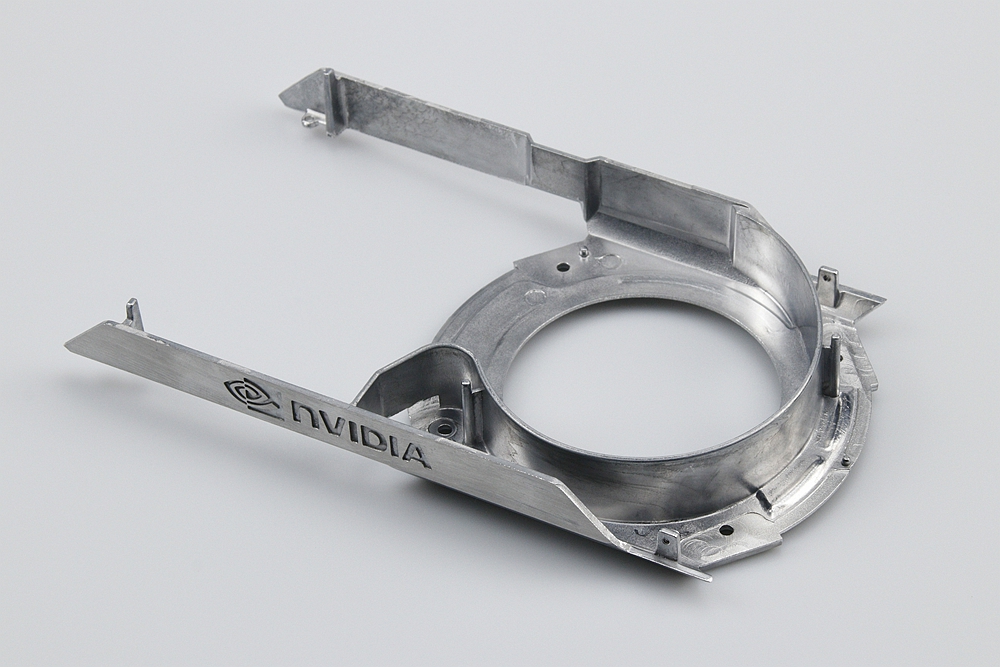
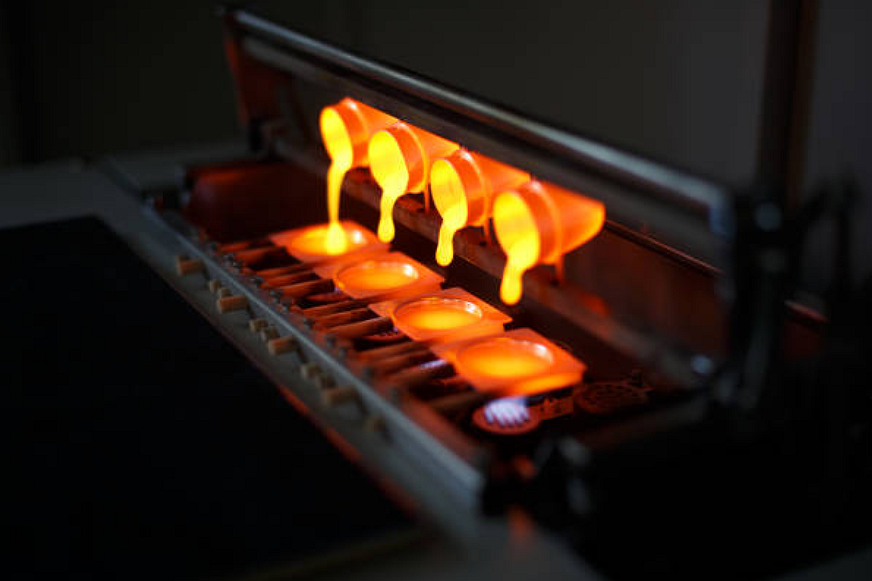
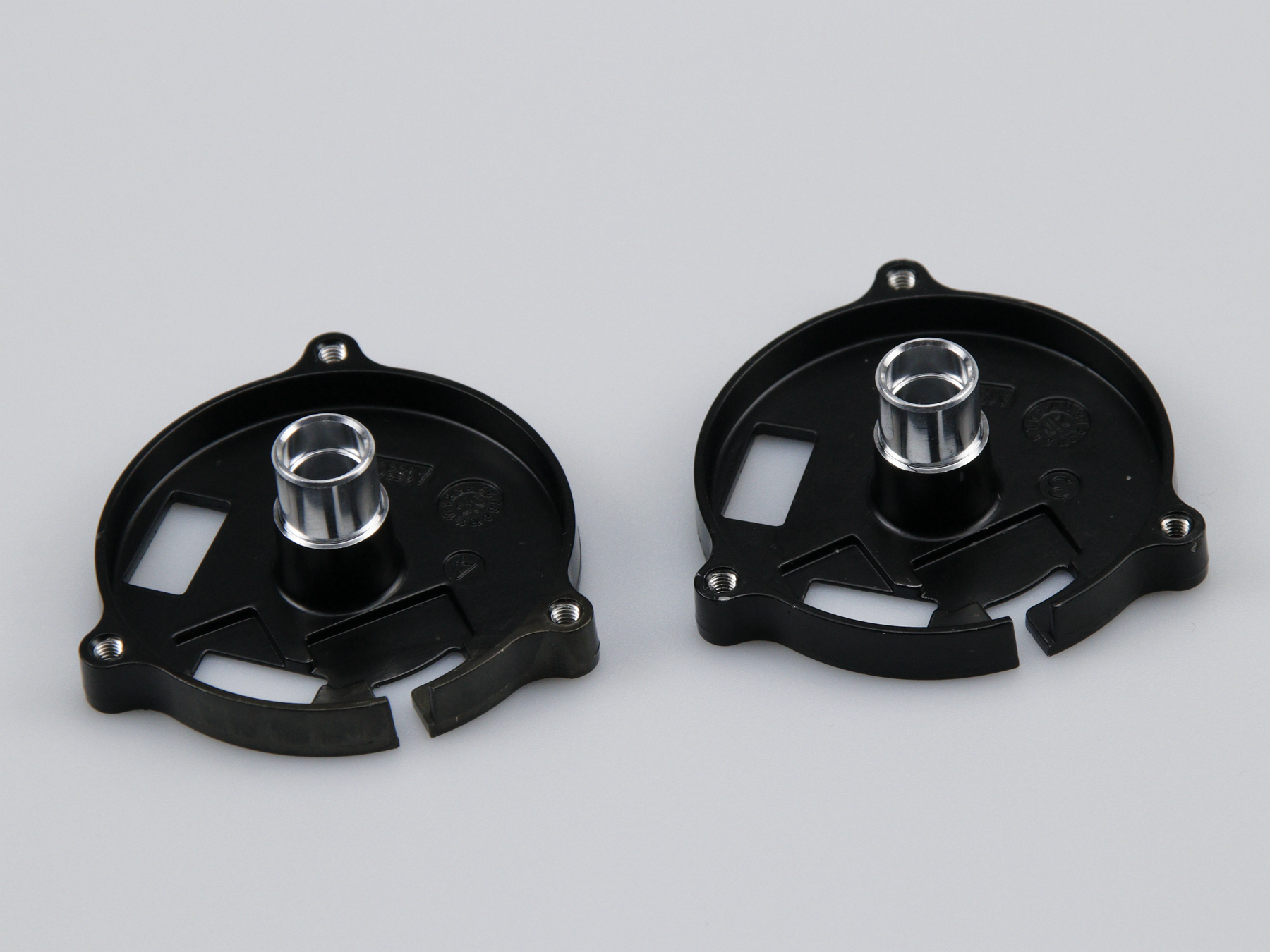
ADC12 Aluminum Gravity Die-Casting for Explosion-Proof Lamps
ADC12 Gravity Casting Lamp Housing RFQ Decision: ADC12 aluminum gravity die-casting uses the gravity casting process to make aluminum lamp housings, covers, heat-dissipation bodies, brackets, and accessory components that may be used in explosion-proof lamp assemblies. This article explains how buyers should review ADC12 or 383/ADC12 alloy selection, mold design, wall thickness, cooling, porosity, shrinkage, cold shuts, machining, surface treatment, and inspection before requesting a quotation. The practical RFQ problem is defining the casting and validation requirements for a lamp housing without assuming that the casting supplier can determine safety certification requirements without the buyer's standards.
Explosion-proof lamp assemblies are safety-related products. The buyer should provide the applicable drawing, assembly requirement, regulatory standard, test requirement, sealing requirement, heat-dissipation requirement, and acceptance criteria. Gravity casting can produce aluminum components for lamp assemblies, but final explosion-proof suitability, certification, and product validation depend on the buyer's design and required test plan.
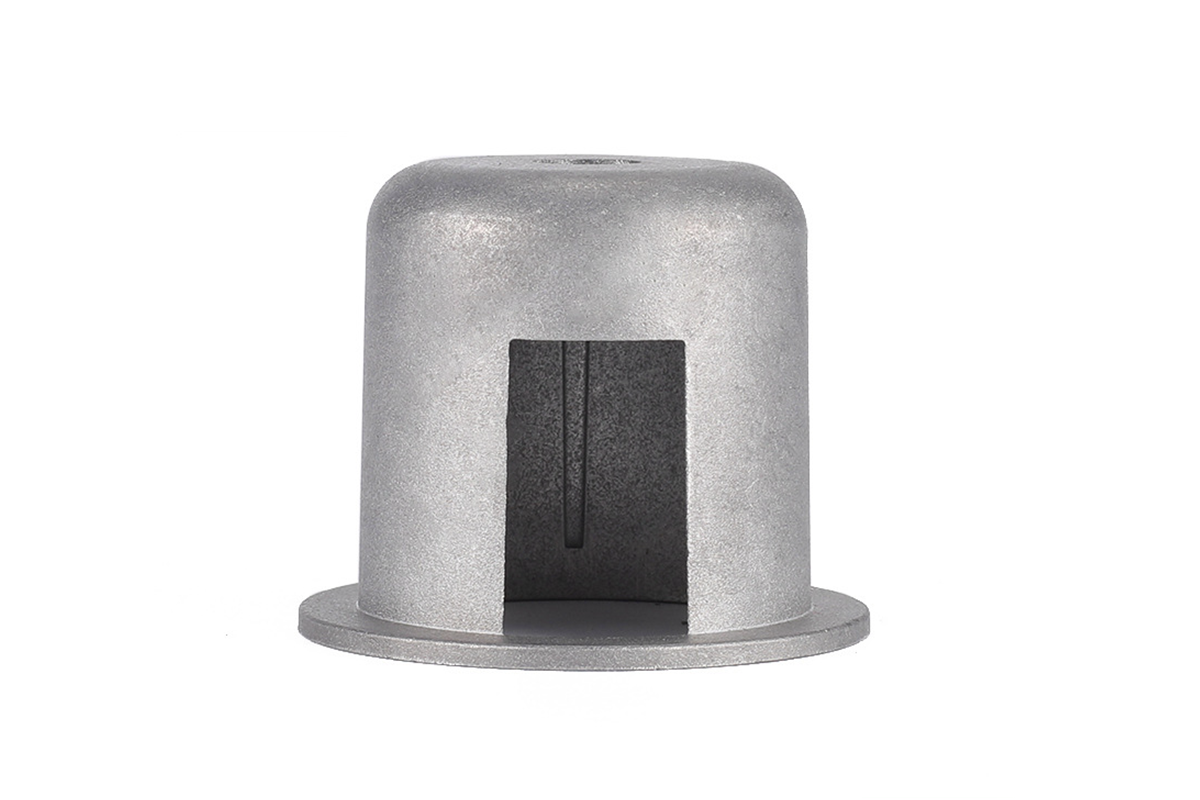
Why Review ADC12 for Gravity-Cast Lamp Housings?
383/ADC12 aluminum is often reviewed for cast aluminum parts because the alloy can support castability, dimensional stability, and machinability when the design and process match the part requirement. For lamp housings and accessories, buyers may review ADC12 for heat-dissipation features, threaded bosses, mounting ribs, gasket grooves, and protective covers.
The RFQ should not rely on alloy name alone. Buyers should provide alloy grade, heat exposure, corrosion environment, sealing interfaces, surface finish, machining requirements, and inspection plan. If the buyer is comparing ADC12 with A380 gravity casting or another aluminum alloy, the comparison should be based on the drawing, wall thickness, mechanical requirement, and final assembly conditions.
How Does the Gravity Casting Process Affect Lamp Housing Quality?
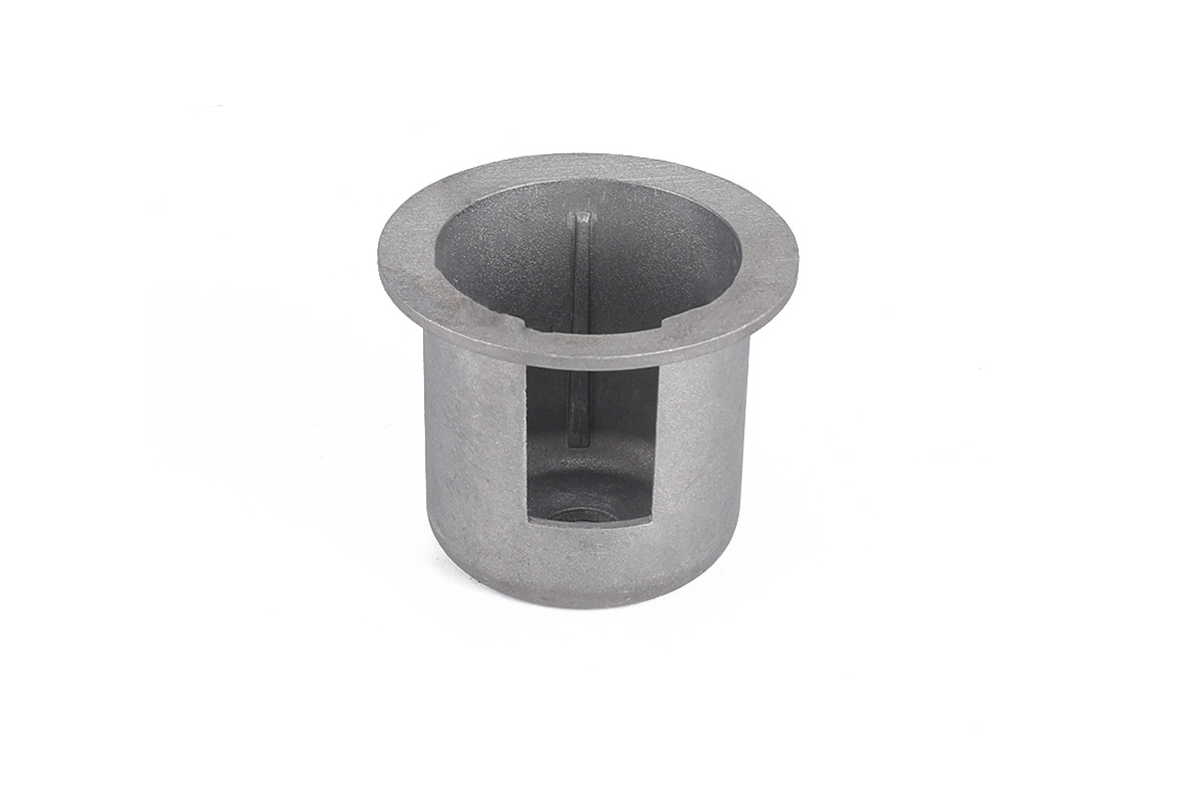
Gravity casting fills the mold under gravity rather than high injection pressure. The process requires a mold design that supports smooth filling, controlled solidification, adequate feeding, venting, and predictable cooling. For lamp housings, the process review should cover thick-to-thin transitions, heat sink fins, mounting bosses, ribs, deep pockets, and sealing surfaces.
Common RFQ details include casting weight, wall thickness, draft angles, machining allowance, parting line, gate and riser location, critical surfaces, and post-processing. If a lamp housing requires a gasket groove, threaded holes, flat heat-transfer area, or sealed cover interface, those features should be marked as critical before casting review.
Which Casting Defects Matter for ADC12 Lamp Accessories?
Defect risk should be linked to the part function. Porosity can affect machining exposure, leak-sensitive areas, and structural confidence if the buyer defines acceptance limits. Shrinkage can affect thick bosses, ribs, and heat sink bases. Cold shuts and incomplete filling can affect thin fins, corners, and cosmetic surfaces. Warpage can affect mounting faces, gasket surfaces, and assembly fit.
The RFQ should state how defects will be judged. Buyers may request visual inspection, dimensional reports, pressure or leak testing, X-ray inspection, section analysis, machining inspection, or assembly fit checks when those checks are relevant. Acceptance criteria should identify sample plan, critical zones, and test method rather than only naming a defect.
How Should Buyers Define Machining and Surface Treatment After Casting?
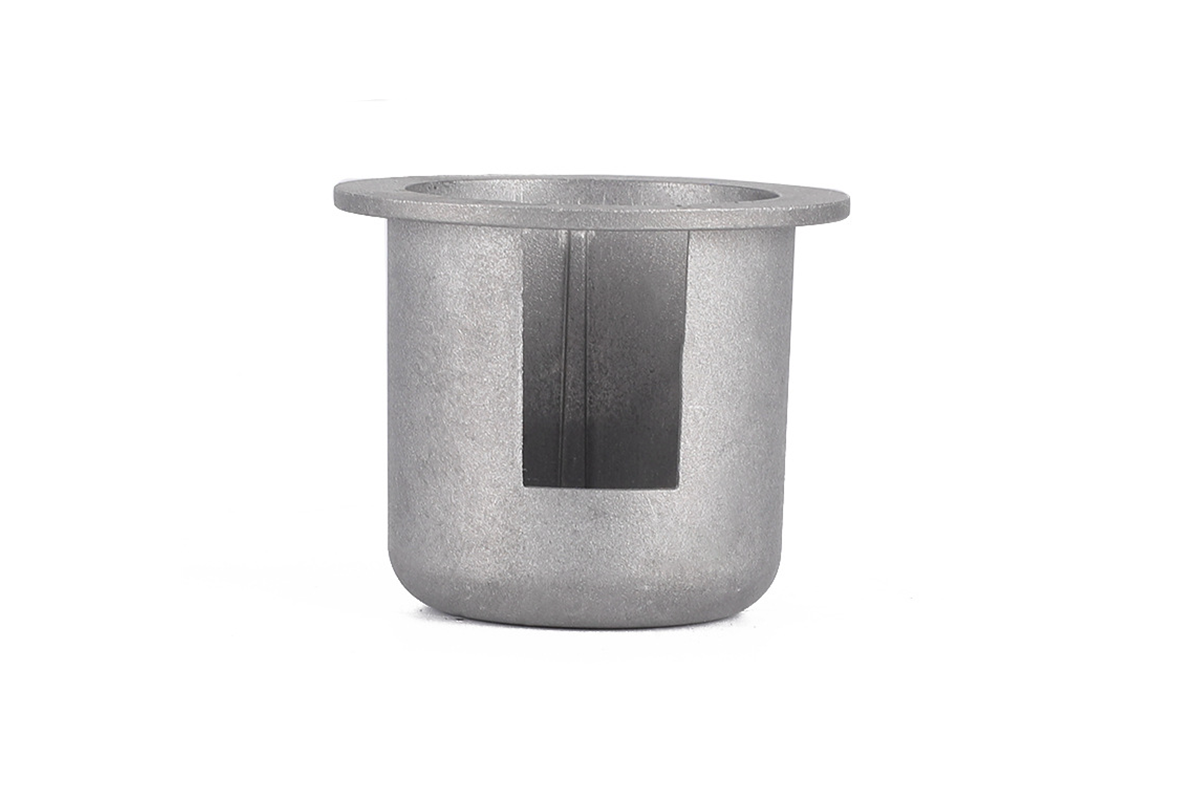
Gravity-cast lamp housings often need CNC machining after casting. Machining may create threaded holes, gasket surfaces, heat-transfer faces, mounting holes, flat datums, and assembly interfaces. Buyers should define dimensions after machining, inspection datums, thread standards, and burr limits.
Surface treatment should be selected for the part environment and appearance. Painting, powder coating, anodizing review, shot blasting, passivation, or other finishing routes may be considered, but each route depends on alloy, casting surface, porosity, masking, and final application. If the lamp housing requires an uncoated heat-transfer pad, electrical contact area, or sealing face, the RFQ should identify those zones.
What Inspection Evidence Should ADC12 Lamp Housing RFQs Include?
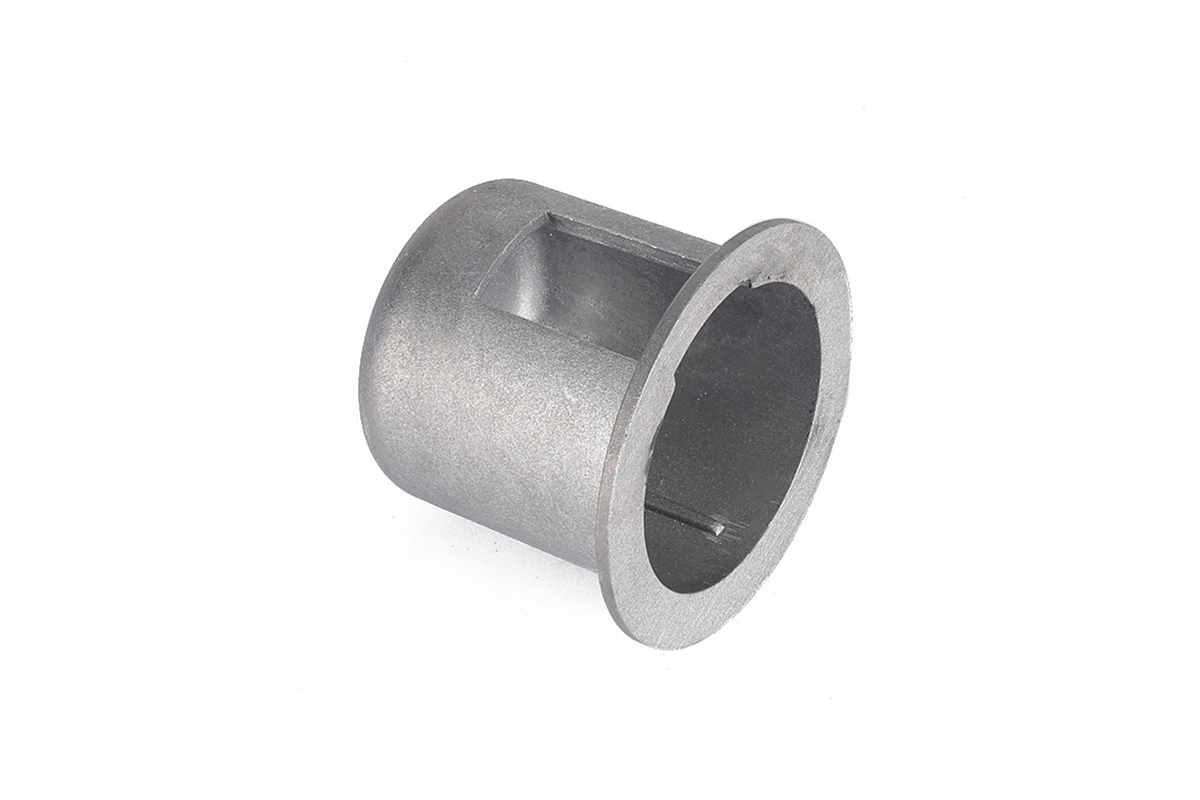
Inspection evidence should match the drawing and safety-related assembly requirement. Buyers may request dimensional inspection, CMM report, material certificate, hardness check, visual inspection, surface finish inspection, thread gauge check, leak test, X-ray inspection, or functional assembly check. The supplier should review which evidence is feasible and which evidence is required by the buyer's standard.
Important buyer decisions should be stated directly. If porosity cannot be present in a sealing zone, define the zone and test method. If a heat-transfer surface must be flat after machining, define the datum and inspection method. If coating thickness affects assembly, define the final dimension and masking requirement.
ADC12 Gravity Casting RFQ Area | Manufacturing Risk | Buyer Detail Needed | Inspection Evidence |
|---|---|---|---|
Alloy and lamp housing function | Wrong alloy assumption, heat-dissipation mismatch, corrosion mismatch, or certification gap. | ADC12 or 383/ADC12 requirement, operating environment, assembly role, and buyer validation standard. | Material certificate, buyer material approval, and functional test evidence if specified. |
Mold design and filling | Porosity, shrinkage, cold shuts, incomplete fins, and uneven solidification. | 3D CAD model, wall thickness, heat sink fins, bosses, ribs, critical zones, and surface map. | Visual inspection, dimensional report, X-ray inspection if required, and defect acceptance record. |
Machining after casting | Machined porosity exposure, burrs, thread mismatch, flatness variation, and datum error. | Machining drawing, datums, thread standard, sealing surfaces, heat-transfer surfaces, and burr limits. | CMM report if required, thread gauge check, flatness check, leak test if specified, and assembly fit check. |
Surface treatment | Coating adhesion issue, masking error, exposed casting defects, and final dimension change. | Finish type, color, coating requirement, masked zones, cosmetic surfaces, and post-finish dimensions. | Visual approval, coating inspection, masking inspection, and final dimensional report. |
What Neway Precision Reviews for ADC12 Gravity-Cast Lamp Housings
Neway Precision reviews ADC12 gravity casting RFQs by checking alloy grade, lamp housing function, wall thickness, ribs, bosses, heat-dissipation features, gate and riser concept, venting, cooling, porosity risk, machining allowance, sealing surfaces, surface treatment, inspection requirement, and buyer validation criteria. The review connects gravity casting, ADC12 material behavior, machining, finishing, and part acceptance.
A complete RFQ should include the 2D drawing, 3D CAD model, alloy grade, applicable buyer standard, critical zones, sealing surfaces, heat-transfer surfaces, threaded features, machining requirement, surface finish, expected quantity, testing requirements, and inspection documents. Clear RFQ data helps determine whether gravity casting, machining, and finishing can be reviewed for the specific lamp accessory design.
Related FAQs
What Information Is Needed For An Aluminum Die Casting Service Quote?
Which Aluminum Alloys Are Commonly Used For Die Casting Parts?
How Should Buyers Choose Between A380 And ADC12 Aluminum Die Casting?
How Can Aluminum Die Casting Defects Be Reduced In Mass Production?
What Surface Finishes Are Suitable For Aluminum Die Casting Parts?