
Perfecting the Finish: How Custom Gravity Casting Enhances Aesthetics and Functionality
Gravity Casting Surface Finish RFQ Decision: This article explains how buyers can evaluate custom gravity casting when visible surfaces, machined sealing faces, coated aluminum housings, zinc alloy covers, copper alloy fittings, brackets, and functional cast metal parts must meet both appearance and performance requirements. The practical RFQ problem is deciding which surfaces can remain as-cast, which surfaces need machining or finishing, and which inspection criteria must be defined before quotation.
Surface finish in gravity casting is not only a cosmetic issue. Mold condition, alloy selection, melt quality, gating, venting, solidification, machining allowance, blasting, polishing, coating, and inspection all influence final part acceptance. Buyers should describe cosmetic zones, sealing zones, contact surfaces, corrosion exposure, and assembly requirements early so the supplier can quote the correct casting route.
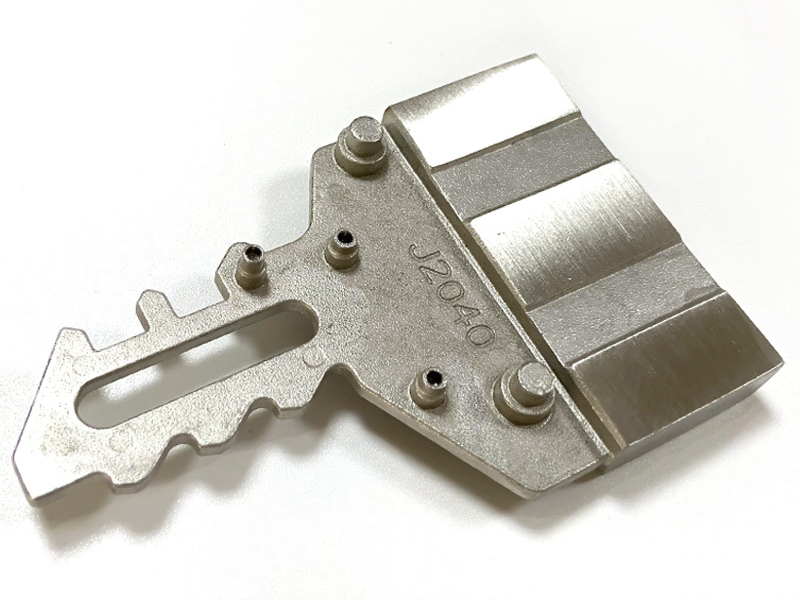
Which Gravity Casting Surfaces Need Aesthetic Or Functional Control?
Buyers should separate aesthetic surfaces from functional surfaces before requesting a gravity casting quote. Aesthetic surfaces include visible exterior faces, branded covers, decorative housings, and user-facing hardware. Functional surfaces include mounting faces, bearing bores, threaded holes, sealing faces, O-ring grooves, contact pads, and pressure boundaries.
The engineering reason is that each surface type needs a different control method. A visible surface may need mold texture control, careful handling, blasting, polishing, painting, powder coating, or other finish review. A sealing face may need CNC machining, flatness control, surface roughness requirement, and leak or pressure testing. A bearing bore may need machining and dimensional inspection rather than a cosmetic finish note.
The RFQ implication is simple: the buyer should mark finish zones on the drawing. If all surfaces are treated as equally critical, the quote may become unnecessarily expensive. If critical zones are not identified, the supplier may miss the surfaces that actually determine product approval.
How Does Mold Quality Affect Gravity Casting Finish?
Mold quality directly affects the as-cast surface of gravity cast parts. A permanent mold can provide more repeatable surface texture than a disposable sand mold when the part geometry, alloy, mold temperature, release practice, and maintenance plan are controlled. However, the mold does not remove the need for realistic draft, suitable wall sections, and clear parting line decisions.
Parting lines, ejector marks, gate removal areas, vent marks, and local mold wear can become visible on finished parts. Buyers should ask where these features will appear and whether those areas are acceptable for the product. If a visible cover has a parting line through a cosmetic face, the buyer may need a design change or additional finishing operation.
Mold cost also belongs in the finish decision. A smoother or more controlled mold surface may increase tooling requirements, while a loose cosmetic requirement may allow a more economical route. The best RFQ result comes from matching mold finish expectations to actual part function and customer acceptance criteria.
Surface Finish Entity | Buyer Question | RFQ Detail To Define | Manufacturing Implication |
|---|---|---|---|
Visible exterior face | Will the surface be seen by the end user? | Cosmetic zone, allowable marks, coating or polishing need | Handling, finishing, and visual inspection scope may increase |
Sealing face | Does the surface need leak control or gasket contact? | Flatness, machining, roughness, pressure or leak test | As-cast finish may not be enough for functional sealing |
Parting line | Can the line appear on a cosmetic or contact surface? | Parting location, trimming method, finishing allowance | Parting line planning can prevent late cosmetic disputes |
Gate removal area | Where will metal feed marks be removed? | Gate location, grinding zone, coating after removal | Gate cleanup can affect appearance and machining cost |
Machined datum surface | Which surfaces locate the final assembly? | Datum scheme, CNC stock, inspection method | Datum control is a functional requirement, not a cosmetic note |
Which Materials Change Gravity Casting Finish Requirements?
Material selection changes both appearance and functional finish requirements. Cast aluminum gravity casting is often reviewed for housings, covers, brackets, and lightweight structural parts. Aluminum may need machining, blasting, painting, powder coating, or anodizing review when the selected alloy and surface condition are suitable for that finish route.
Zinc alloy gravity casting can be considered for smaller covers, hardware, and parts where castability and finishing behavior are important. Copper alloy gravity casting may be selected for fittings, wear surfaces, electrical or thermal requirements, or decorative metal characteristics. Each material requires its own review of casting defects, machining response, coating compatibility, and corrosion exposure.
The buyer should not write only "good finish" in the RFQ. A stronger request names the material grade, finish method, cosmetic zone, functional surfaces, inspection method, and service environment. That information helps the supplier judge whether the requested finish is realistic for the alloy and part geometry.
Which Gravity Casting Defects Affect Appearance And Function?
Common gravity casting defects that affect finish include porosity, cold shut, shrinkage, gas marks, inclusions, flow lines, rough local texture, and surface dents from handling. Some defects are cosmetic. Other defects can affect sealing, strength, machining, coating adhesion, or assembly.
The manufacturing causes can come from melt quality, mold temperature, venting, gating, riser design, wall thickness transitions, alloy behavior, or post-casting handling. A cosmetic defect on a hidden internal rib may be acceptable, while a smaller defect on a sealing face or visible product face may not be acceptable. The drawing and inspection criteria should make that difference clear.
For functional surfaces, buyers should define whether visual inspection, dimensional inspection, pressure testing, leak testing, hardness testing, or non-destructive testing is required. For appearance surfaces, buyers should define viewing distance, cosmetic zones, coating need, and allowable marks if those standards are part of the buyer's approval process.
How Do Secondary Operations Improve Gravity Casting Finish?
Secondary operations should be selected according to the surface requirement. CNC machining can create controlled datum surfaces, bores, threads, sealing faces, and mounting pads. Shot blasting can provide a more uniform texture before coating. Grinding can remove gates or parting line flash. Polishing can improve selected visible zones. Painting and powder coating can support appearance and corrosion protection when the material and surface preparation are suitable.
Secondary operations also add cost and inspection scope. A buyer who wants a coated housing should specify coating type, color if applicable, surface preparation, masking areas, and cosmetic acceptance criteria. A buyer who wants a machined sealing face should specify flatness, surface roughness if required, datum relationship, and any pressure or leak test.
The RFQ implication is that finishing should not be treated as an afterthought. When finishing is quoted after trial parts, cost, timing, and approval risk can change. When finishing is defined up front, the supplier can align casting design, machining stock, and inspection with the final product requirement.
Finish Requirement | Likely Operation | Buyer Specification Needed | Risk If Missing |
|---|---|---|---|
Uniform visible exterior | Blasting, polishing, coating, handling control | Cosmetic zone, allowable marks, finish sample if used | Supplier and buyer may judge appearance differently |
Leak-tight interface | CNC machining, pressure or leak testing | Sealing geometry, test condition, datum surfaces | As-cast condition may not support sealing approval |
Threaded assembly point | Drilling, tapping, inspection | Thread standard, depth, perpendicularity if needed | Thread quality and fixture cost may be missed |
Corrosion exposure | Material review, coating, passivation or anodizing review where applicable | Operating environment, coating system, acceptance criteria | Wrong material or finish route may be quoted |
How Should Buyers Compare Gravity Casting Finish With Other Routes?
Buyers should compare finish expectations against the process route. Gravity casting may offer a more controlled as-cast surface than sand casting for suitable part sizes and materials. Aluminum die casting may fit high-volume thin-wall parts with different tooling economics. CNC machining may be required for tight functional surfaces even when the main blank is cast.
The buyer decision should be based on the actual surfaces that matter. If the part is a visible enclosure, cosmetic zone control and coating may drive the route. If the part is a hydraulic or pneumatic housing, sealing surfaces and porosity control may matter more than exterior appearance. If the part is a structural bracket, load path, mounting datums, and material properties may matter more than decorative finish.
A direct process comparison should include part volume, tool cost, part size, alloy grade, wall thickness, cosmetic zones, machining operations, coating, and inspection. That comparison gives the buyer a usable basis for selecting gravity casting rather than relying on general finish claims.
What Should A Gravity Casting Finish RFQ Include?
A complete gravity casting finish RFQ should include a 2D drawing, 3D model if available, material grade, annual quantity, casting weight or part size, cosmetic zones, functional surfaces, machined features, coating or polishing requirement, surface defects that are not acceptable, inspection method, and packaging needs. If the finish will be judged against a sample or customer standard, the RFQ should identify how that standard will be used.
Buyers should also clarify which surfaces are allowed to remain as-cast. This can reduce unnecessary cost. For example, an internal rib, hidden bracket side, or non-contact back face may not need the same finish as a visible cover or sealing surface. Separating critical and non-critical surfaces helps the supplier quote the real product requirement.
Gravity casting can improve both appearance and function when the finish requirement is connected to mold design, material choice, machining, secondary operations, and inspection. The quote becomes stronger when the buyer defines the surface acceptance problem before mold design and trial casting begin.
Related FAQs
What makes gravity casting suitable for achieving high-quality finishes?
How do surface finishes from gravity casting compare to other methods?
What industries commonly benefit from custom gravity casting finishes?
What are typical challenges encountered with custom gravity casting finishes?
What future innovations are expected to enhance gravity casting surface finish capabilities?
