What industries commonly benefit from custom gravity casting finishes?
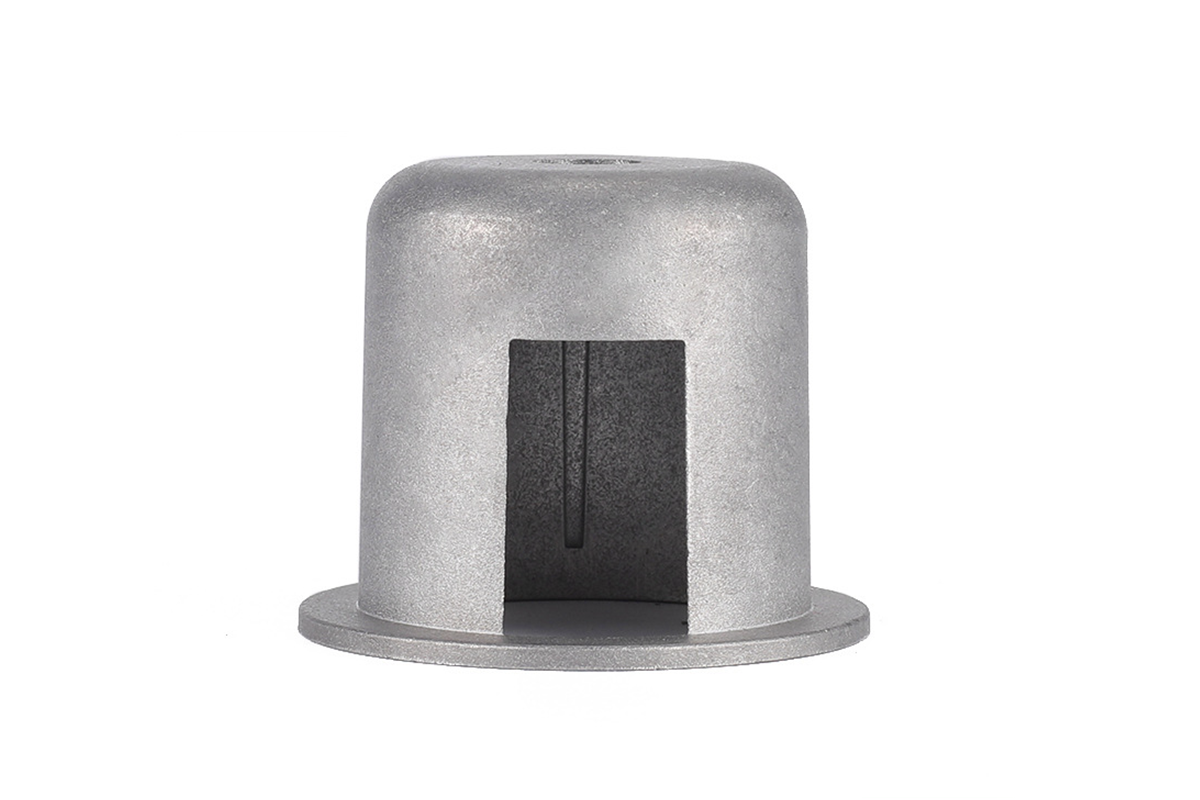
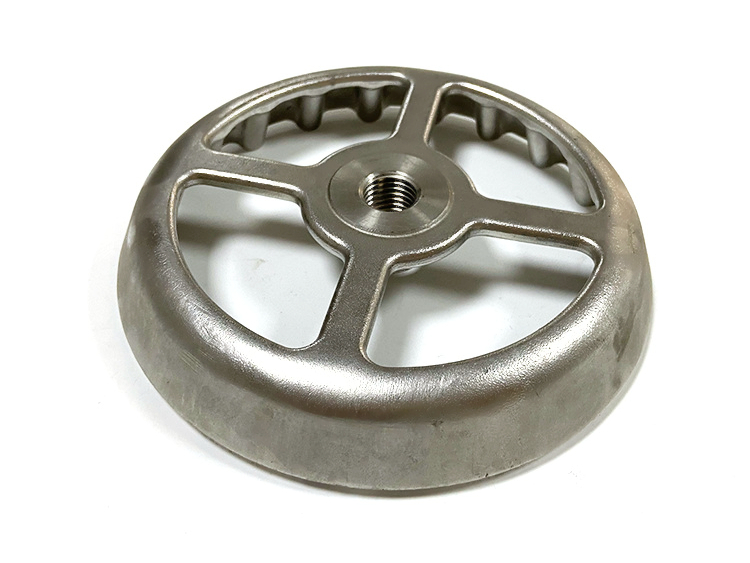
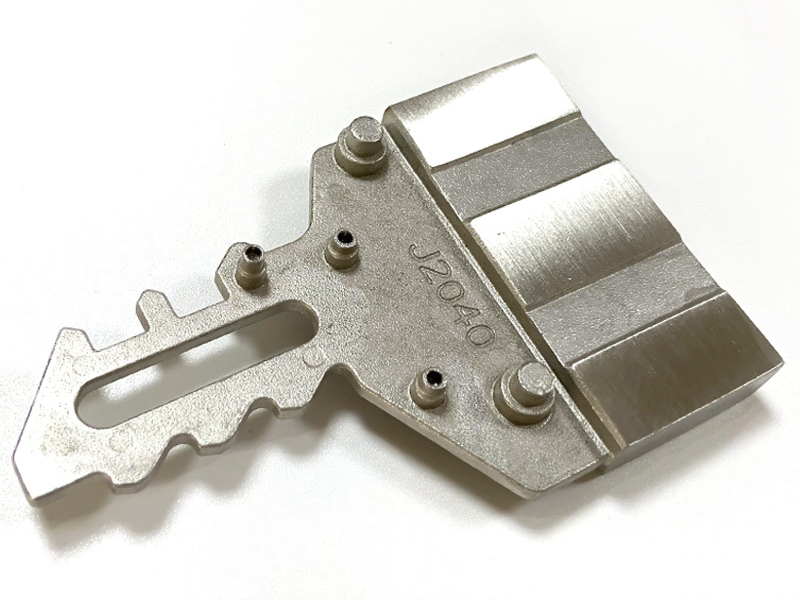
Custom gravity casting finishes commonly benefit buyers who need gravity-cast aluminum, magnesium, zinc, or copper alloy parts to meet both functional surface requirements and visible appearance expectations. The practical RFQ problem is choosing whether a cast housing, bracket, cover, heat-transfer component, or equipment part should remain as-cast, receive machining on datum surfaces, or use finishing operations such as polishing, sandblasting, anodizing, powder coating, plating, or heat treatment before final inspection.
Which Buyer Decision Drives Custom Gravity Casting Finishes?
The key decision is whether the gravity-cast part surface is mainly functional, cosmetic, or both. A functional finish protects the casting from corrosion, wear, heat exposure, or assembly damage. A cosmetic finish controls visible texture, color, gloss, and touch quality for customer-facing equipment.
Gravity casting uses a permanent metal mold and controlled molten-metal filling, so the process can produce more repeatable surfaces than expendable mold routes on many medium-volume components. Buyers still need to define surface zones clearly because the same part may include visible exterior faces, machined sealing faces, threaded bosses, and internal flow passages. Each surface zone can require a different finishing route.
For RFQ review, buyers should separate the part drawing into as-cast zones, machined datum zones, sealing surfaces, coating surfaces, and non-critical hidden surfaces. This separation helps the manufacturer estimate tooling, casting control, machining allowance, fixture strategy, masking, and inspection time without applying unnecessary finishing cost to every surface.
Which Industries Use Gravity-Cast Finished Parts?
Automotive, aerospace, energy, medical equipment, consumer electronics, power tools, and industrial equipment buyers commonly use custom gravity casting finishes. These industries need cast metal parts that combine shape stability, mechanical performance, assembly accuracy, and controlled surface appearance.
Industry | Typical Gravity-Cast Part Type | Common Finish Requirement | RFQ Detail Buyers Should Provide |
|---|---|---|---|
Aluminum housings, covers, brackets, pump bodies | Machined sealing faces, corrosion protection, controlled exterior texture | Fluid exposure, gasket area, coating class, threaded insert requirement | |
Lightweight structural brackets and equipment housings | Machined datums, traceable inspection, surface defect control | Critical-to-function dimensions, inspection method, material specification | |
Electrical housings, heat-transfer parts, turbine support components | Heat resistance, corrosion resistance, stable coating adhesion | Operating temperature, environment, coating exposure, sealing requirement | |
Equipment frames, instrument bodies, mounting parts | Smooth cleanable surfaces, burr control, consistent visual finish | Cleaning method, edge condition, surface roughness target, validation responsibility | |
Gear housings, handles, motor covers, base plates | Wear-resistant coating, grip texture, impact-resistant surfaces | Contact areas, drop or abrasion exposure, color requirement, assembly load | |
Device frames, brackets, thermal covers, visible metal shells | Decorative color, fine texture, controlled edge feel | Cosmetic acceptance criteria, color range, logo or masking areas |
How Does Automotive Use Gravity Casting Finishes?
Automotive buyers use gravity casting finishes when a part must resist corrosion, seal reliably, assemble repeatedly, and still look controlled after coating. Common examples include aluminum covers, pump housings, engine brackets, steering components, and battery or powertrain support parts.
Gravity-cast aluminum is often selected for automotive parts because aluminum alloys balance castability, weight reduction, thermal conductivity, and secondary finishing compatibility. When the casting needs higher wear resistance or specific mechanical behavior, alloy selection may move toward A356 aluminum, A380 aluminum, 383 ADC12 aluminum, or B390 aluminum, depending on the drawing and application environment.
The RFQ implication is simple: automotive drawings should identify sealing faces, mounting faces, threaded holes, coating thickness limits, and any areas that cannot tolerate coating buildup. If those details are missing, a quote may understate machining, masking, or inspection work needed after the gravity casting stage.
How Do Aerospace And Energy Buyers Use Gravity Casting Finishes?
Aerospace and energy buyers use custom gravity casting finishes when part reliability is more important than a purely decorative surface. These buyers often focus on defect control, machined datums, stable coating adhesion, heat exposure, corrosion behavior, and repeatable inspection evidence.
For aerospace equipment housings or lightweight support brackets, the finish route may combine casting surface control, localized CNC machining, deburring, inspection, and protective coating. The final part may not need a mirror-like appearance, but the machined surfaces must support assembly alignment and the visible surfaces must meet documented acceptance criteria.
Energy applications may require heat treatment, corrosion-resistant coating, or careful surface preparation before coating. For these parts, buyers should provide operating temperature, fluid exposure, outdoor exposure, electrical grounding requirements, and inspection records needed for supplier approval. The casting supplier can then align gravity casting parameters, secondary operations, and final inspection with the service environment.
Which Materials Support Custom Gravity Casting Finishes?
Aluminum, magnesium, zinc, and copper alloys can all support custom gravity casting finishes, but each material responds differently to machining, polishing, coating, plating, and corrosion exposure. Material selection should be made before finish selection because the alloy controls casting flow, porosity risk, heat behavior, and surface treatment compatibility.
Gravity Casting Material | Finish Strength | Common Buyer Use | RFQ Risk To Clarify |
|---|---|---|---|
Good machining and coating compatibility | Housings, covers, brackets, thermal components | Coating thickness on machined or threaded features | |
Lightweight surface finish potential with protection | Weight-sensitive covers and equipment structures | Corrosion protection and handling requirements | |
Good detail reproduction and decorative finishing | Visible housings, knobs, brackets, fittings | Plating, cosmetic criteria, and dimensional stability | |
Conductive and corrosion-resistant surface behavior | Electrical, thermal, marine, and fluid-control parts | Oxidation control, machining allowance, and surface inspection |
Which Secondary Operations Create The Required Finish?
Custom gravity casting finishes usually come from a sequence, not a single operation. The route can include gate removal, shot blasting or sandblasting, tumbling and deburring, localized machining, polishing, coating, plating, or final inspection.
Anodizing is relevant for selected aluminum casting projects when corrosion resistance, color stability, and controlled appearance are required. Powder coating is often used when buyers need color, abrasion resistance, and outdoor durability. Electroplating, chrome plating, and PVD coating may be considered when the alloy, geometry, and application justify those surface properties.
For the RFQ package, buyers should identify which surfaces need the finish, which surfaces must be masked, which dimensions apply after coating, and whether the inspection condition is before or after finishing. This prevents disputes between cast dimensions, machined dimensions, and coated final dimensions.
How Should Buyers Specify Finish Quality In An RFQ?
Buyers should specify finish quality with measurable acceptance criteria rather than broad descriptions such as premium, clean, or attractive. Clear RFQ inputs reduce quoting uncertainty and help the supplier select the right gravity casting, machining, finishing, and inspection plan.
A complete RFQ should include material grade, annual volume, 3D model, 2D drawing, surface roughness targets where needed, coating type, color requirement, corrosion exposure, cosmetic inspection standard, masked areas, machined datum surfaces, thread requirements, and packaging protection. For regulated or safety-related products, the buyer should also define the required validation plan and final acceptance authority.
Dimensional inspection matters because finishing can change part size, edge condition, and hole fit. When a casting includes sealing faces, bearing seats, or mating datums, buyers should identify whether CMM dimensional inspection, visual inspection, coating inspection, or functional checking is required. The most reliable RFQ package connects the part material, gravity casting route, finish sequence, and inspection method in one drawing-controlled requirement.
Related FAQs
What makes gravity casting suitable for achieving high-quality finishes?
How do surface finishes from gravity casting compare to other methods?
What industries commonly benefit from custom gravity casting finish?
What are typical challenges encountered with custom gravity casting finishes?
What future innovations are expected to enhance gravity casting surface finish capabilities?