Which industries benefit most from gravity casting?
Industries that benefit most from gravity casting are industries that need repeatable non-ferrous cast metal parts in low-to-medium volumes, with controlled tooling, practical surface finish, and secondary machining where final precision is required. Automotive, energy, industrial equipment, power-tool, consumer-electronics, aerospace support, and specialized equipment buyers may benefit when part geometry, alloy grade, annual volume, and inspection requirements fit a reusable gravity-filled mold route.
Which Industries Benefit Most From Gravity Casting?
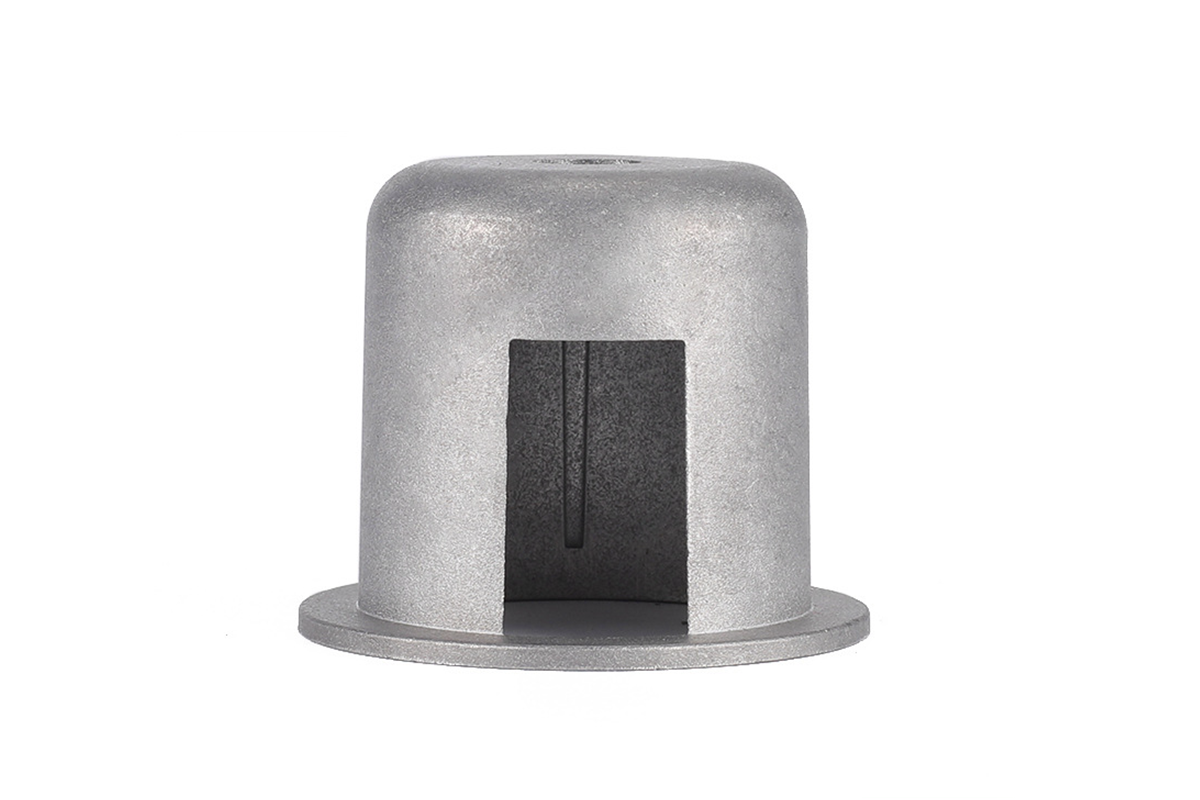
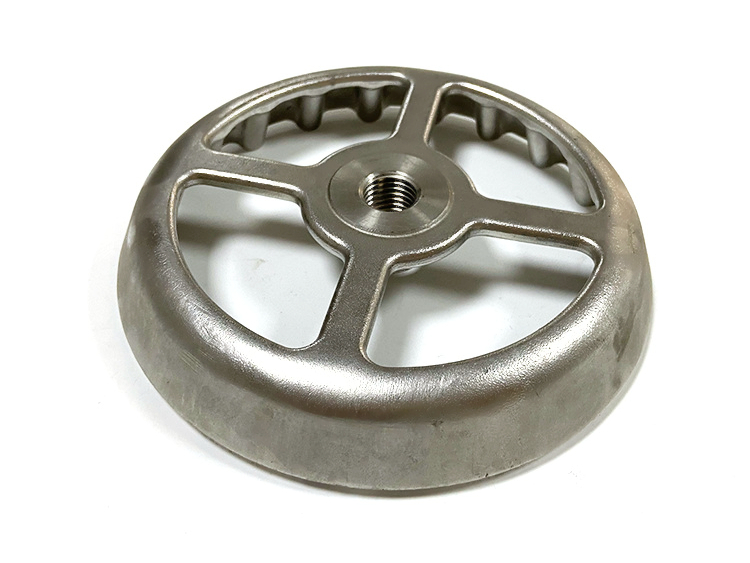
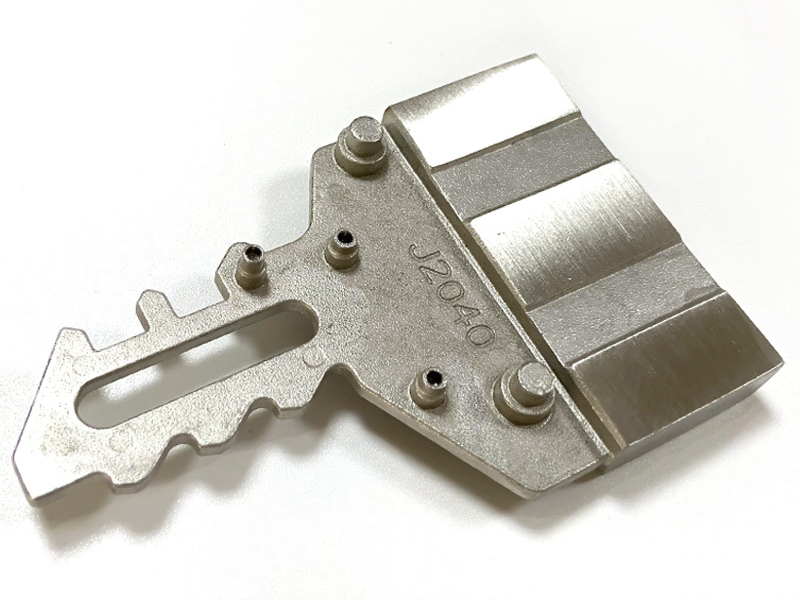
The strongest industry fit is usually a project that needs more repeatability than a one-off prototype but does not need high-pressure die-casting production volume. Gravity casting can support housings, covers, brackets, handles, levers, pump parts, valve components, equipment hardware, and development castings when mold filling and wall thickness are suitable.
Industry fit depends on material and process. Cast aluminum, zinc alloy, magnesium alloy, and copper alloy each serve different needs. Gravity casting may work well for one automotive housing and poorly for another part with very thin walls or complex undercuts. The buyer should evaluate alloy, size, surface finish, machining, and inspection together.
Industry | Gravity-cast part examples | Why gravity casting may fit | RFQ details to define |
|---|---|---|---|
Automotive and mobility | Housings, brackets, covers, prototype hardware | Low-to-medium volume tooling, aluminum options, machined interfaces | Production stage, alloy, heat exposure, machining, coating |
Energy, pump, and valve | Pump parts, valve components, covers, flow-control hardware | Repeatable cast geometry with machined sealing or assembly surfaces | Fluid medium, pressure boundary, leak testing, corrosion exposure |
Industrial machinery | Equipment housings, levers, guards, brackets, machine hardware | Durable cast shapes and selective CNC machining | Load case, wall thickness, machined datums, finish, inspection |
Power tools and consumer electronics | Handles, housings, decorative metal parts, compact hardware | Visible surfaces, coating options, repeatable low-volume production | A-surface map, coating, touch surfaces, threads, packaging |
Aerospace support and specialized equipment | Fixtures, test hardware, non-flight support parts, prototypes | Flexible tooling for support components when validation permits | Material standard, traceability, inspection, approval process |
How Does the Automotive Industry Benefit From Gravity Casting?
Automotive and mobility programs may benefit from gravity casting for development hardware, aluminum housings, brackets, covers, levers, and low-to-medium volume components. The process can be useful when a part needs cast shape and repeatability but production volume or design maturity does not justify high-pressure die casting.
Cast aluminum gravity casting may support weight-sensitive parts when the alloy and wall thickness fit the application. Magnesium alloy or zinc alloy may be considered only when the supplier's capability, safety controls, and material behavior fit the part.
Industries benefit from gravity casting when part volume, alloy choice, mold tooling, machined features, surface finish, and inspection requirements fit a reusable gravity-filled mold route. Automotive RFQs should define annual volume, prototype or production stage, machined datums, coating, heat exposure, and inspection reports.
How Do Energy, Pump, and Valve Projects Use Gravity Casting?
Energy, pump, and valve projects may use gravity casting for covers, housings, pump components, valve parts, flow-control hardware, and industrial fittings when the material and mold route fit the service environment. These parts often need machined sealing faces, threaded ports, bearing surfaces, or assembly datums.
Copper alloy, aluminum, and selected zinc or magnesium alloy routes may be considered depending on corrosion, wear, weight, and machining needs. Copper alloy gravity casting may be relevant where conductivity, wear, or corrosion behavior matters.
RFQs should include fluid medium, pressure boundary, temperature, corrosion exposure, leak testing, pressure testing, machined sealing faces, surface finish, and inspection method. This helps determine whether gravity casting can support the component or whether sand casting, investment casting, or machining should be compared.
Why Does Industrial Machinery Use Gravity-Cast Parts?
Industrial machinery uses gravity-cast parts when the component needs a durable cast shape, repeatable geometry, and selected machining after casting. Examples include equipment housings, covers, levers, brackets, guards, bearing supports, and machine hardware.
The process can reduce machining from solid material for parts with cast contours, bosses, ribs, and cover shapes. CNC machining can then finish mounting pads, holes, bores, and assembly surfaces. This is useful when the component needs cast geometry but not the volume of die casting.
Industrial RFQs should define load case, vibration, wall thickness, part size, machined surfaces, surface finish, heat treatment if needed, and inspection. The supplier can then evaluate tooling, mold filling, and machining stock.
How Do Power Tool and Consumer Electronics Projects Benefit?
Power tool and consumer electronics projects may benefit from gravity casting when metal parts need durable touch surfaces, visible geometry, coating options, and repeatable low-volume production. Handles, housings, levers, decorative metal components, compact hardware, and fixtures may fit the route.
Surface finish planning is important. A visible part may need blasting, polishing, coating, or anodizing-related routes when the alloy and casting surface support them. Hidden or non-functional surfaces may not need the same finish level.
The RFQ should include A-surfaces, B-surfaces, touch surfaces, color or texture target, masked threads, assembly faces, packaging requirements, and appearance inspection. This avoids over-finishing hidden surfaces while protecting customer-facing surfaces.
Where Can Aerospace Support Use Gravity Casting?
Aerospace support applications may use gravity casting for fixtures, test equipment, prototype housings, non-flight support hardware, and tooling components when the buyer's engineering and quality requirements allow the process. Gravity casting should not be assumed suitable for flight-critical parts without a defined approval route.
Aluminum gravity casting may support lightweight support hardware. Other non-ferrous alloys may be evaluated when the application calls for corrosion, wear, or dimensional stability. The key issue is validation and documentation, not only casting capability.
RFQs should define application category, material standard, inspection method, traceability, surface finish, dimensional report, and buyer approval process. For regulated or safety-related work, final validation remains the buyer's responsibility.
Can Medical and Specialized Equipment Use Gravity Casting?
Medical-device and specialized equipment projects may use gravity casting for non-implant equipment housings, support fixtures, laboratory hardware, handles, and machine parts when the alloy, finish, and validation requirements fit. Gravity casting is not automatically suitable for small surgical components or parts requiring very fine detail.
The buyer should separate equipment hardware from regulated patient-contact parts. Aluminum, zinc alloy, or other non-ferrous castings may be practical for housings and support components, while precision medical instruments may need CNC machining, investment casting, or other processes.
RFQs should define material grade, cleaning requirement, surface finish, dimensional inspection, documentation, and validation expectations. The supplier can then determine whether gravity casting is appropriate.
What Should Industry Buyers Include in a Gravity Casting RFQ?
Industry buyers should include CAD data, 2D drawing, alloy grade, annual volume, part size, wall thickness, production stage, critical dimensions, machined surfaces, surface finish, heat treatment, inspection method, application environment, and documentation needs.
Buyers should also ask why gravity casting is preferred over sand casting, die casting, investment casting, CNC machining, or fabrication. The answer should connect to volume, tooling, material, geometry, finish, and inspection.
The best industry fit occurs when gravity casting offers the right balance of tooling effort, material capability, repeatable casting geometry, secondary machining, and final acceptance requirements.
Related FAQs