What level of precision can gravity casting achieve?
Gravity casting can achieve useful dimensional control for many custom metal parts, but the exact precision depends on alloy grade, mold design, wall thickness, part size, shrinkage behavior, gating, cooling, machining allowance, heat treatment, and inspection method. For buyers, the practical RFQ problem is deciding which features can be controlled as-cast and which datum faces, holes, threads, sealing surfaces, or bores must be CNC machined after casting.
What Level of Precision Can Gravity Casting Achieve?
The level of precision in gravity casting is drawing-specific. Gravity casting can provide more repeatable dimensions than many loose mold processes when the mold, alloy, and process window are controlled, but it should not be quoted from a universal tolerance number. The supplier needs the drawing, CAD model, material, wall thickness, and critical dimensions before confirming achievable tolerances.
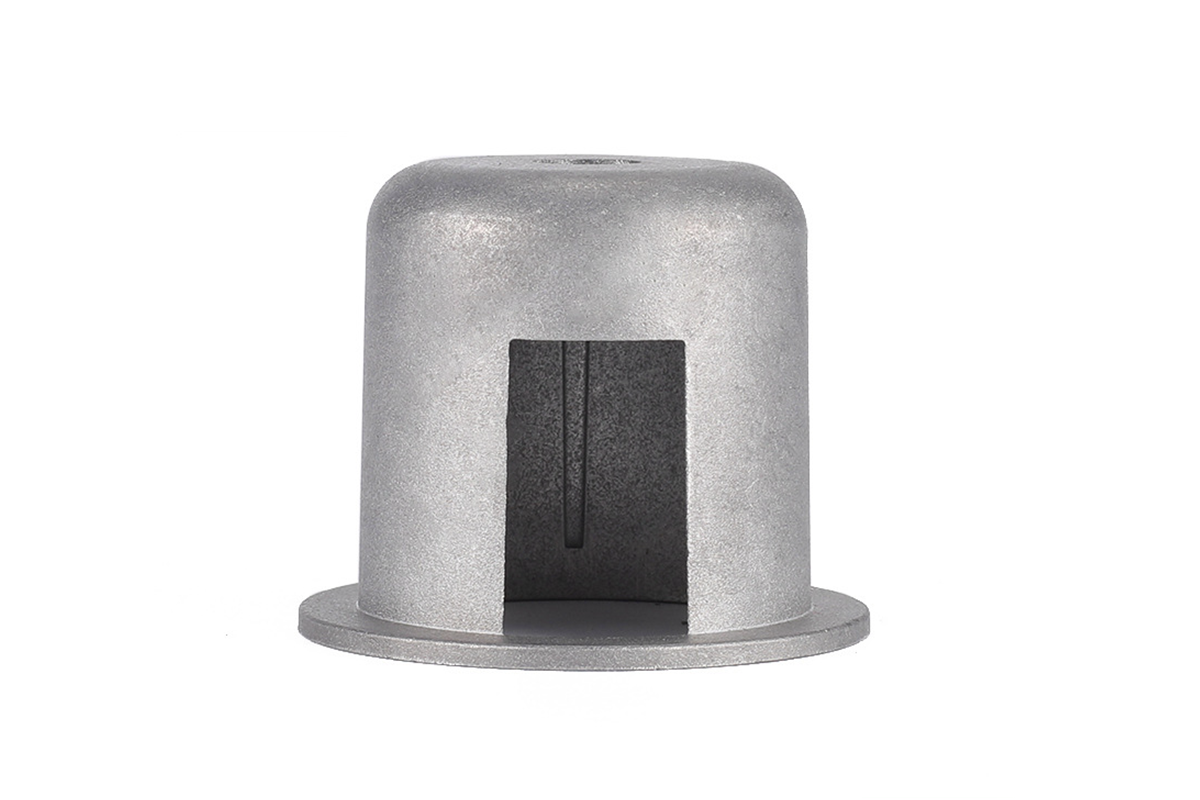
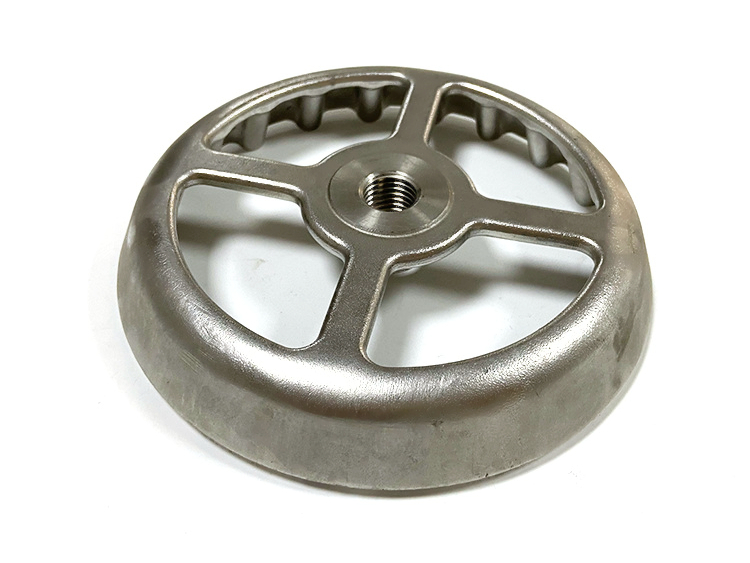
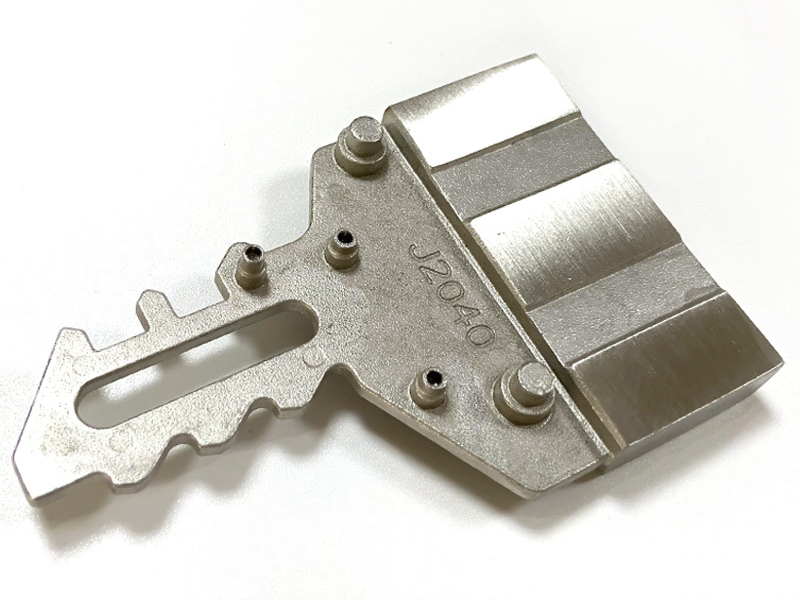
As-cast gravity casting precision is different from post-machined precision. A cast aluminum housing may have as-cast exterior contours and CNC-machined mounting pads. A valve component may have cast body geometry and machined sealing faces. Buyers should separate casting tolerances from machining tolerances before requesting a quote.
Precision factor | Gravity casting effect | Buyer risk | RFQ control point |
|---|---|---|---|
Mold design and condition | Controls base cavity shape and repeatability | Wear, repair, or design change can shift dimensions | Provide drawing revision, critical dimensions, and sample approval steps |
Alloy shrinkage | Different alloys contract differently during cooling | Warpage, local shrinkage, or stock variation | Specify alloy grade, wall thickness, and heat treatment |
Part geometry | Thin walls, heavy bosses, and long sections affect stability | Distortion or inconsistent cleanup after machining | Mark thin sections, ribs, bosses, and machined surfaces |
Secondary machining | Controls final datums, holes, sealing faces, and bores | Insufficient stock or unclear datums create rejects | Define machining allowance, datum scheme, and final tolerance |
Inspection method | Confirms dimensions from agreed references | Supplier and buyer may measure from different datums | Define CMM, gauges, sampling, and report format |
How Should Buyers Separate As-Cast and Machined Precision?
Gravity casting precision should be quoted from part drawing, alloy, mold design, wall thickness, machining allowance, and inspection method rather than a universal tolerance number. The buyer should first identify which features are as-cast and which are machined after casting.
As-cast features may include external contours, ribs, general wall sections, and non-critical surfaces. Machined features may include datums, mounting pads, threaded holes, bearing seats, sealing lands, slots, and precision bores. These two feature groups have different tolerance expectations and inspection methods.
The RFQ should include a 2D drawing that marks final dimensions, machining stock, datum A/B/C references, surface finish, and inspection method. Without this drawing, the supplier cannot distinguish casting allowance from final functional tolerance.
How Does Mold Design Affect Gravity Casting Accuracy?
Mold design affects gravity casting accuracy because the cavity, gating, risers, vents, thermal balance, and parting surfaces control how metal fills and cools. A well-planned mold can improve repeatability, but mold design must account for shrinkage, wall thickness, local hot spots, and ejection or removal requirements.
Mold wear and maintenance also matter. A mold used for repeated production can change over time if surfaces wear, repairs are made, or process conditions shift. Sample approval and periodic inspection help confirm whether the production parts remain within drawing requirements.
Buyers should define critical-to-function features early. If the supplier knows which faces, holes, or dimensions control assembly, the mold and machining route can be planned around those features rather than treating every surface as equally critical.
How Does Material Choice Affect Precision Stability?
Material choice affects precision stability because alloys shrink, cool, machine, and respond to heat treatment differently. Cast aluminum gravity casting may be selected for lightweight housings and equipment parts. Zinc alloy gravity casting, magnesium alloy, and copper alloy can carry different dimensional and machining behavior.
The buyer should not assume that one tolerance expectation applies to every alloy. A copper alloy part may have different feeding and machining behavior from aluminum. A magnesium alloy part may need additional process review for safety and dimensional stability. Zinc alloy may support selected precision applications when the process route and part geometry fit.
The RFQ should state alloy grade, acceptable alternatives, heat treatment, wall thickness, critical dimensions, and inspection. The supplier can then evaluate precision risk by material instead of giving a generic answer.
Which Part Features Make Gravity Casting Precision Harder?
Thin walls, thick bosses, long flat sections, deep pockets, sharp transitions, narrow ribs, and uneven wall thickness can make gravity casting precision harder. These features affect mold filling, shrinkage, cooling, distortion, and machining cleanup.
A part with one thick boss beside a thin wall may shrink and cool unevenly. A long flat cover may need flatness control or machining. A housing with deep pockets may need extra attention to gating, venting, and inspection. Geometry and tolerance should be discussed together before tooling.
Buyers should send both CAD and 2D drawings. The CAD model shows geometry, while the drawing shows which features must meet final tolerance. This combination helps the supplier identify high-risk features before the mold is built.
How Does CNC Post-Machining Improve Gravity-Cast Part Precision?
CNC post-machining improves gravity-cast part precision by controlling the surfaces that must assemble, seal, locate, rotate, or hold fasteners. Machining can create flat mounting pads, bored holes, threaded features, sealing faces, and datum surfaces after the casting has cooled and stabilized.
The machining route must be planned before casting. The casting needs enough stock, suitable fixture areas, and stable reference surfaces. If stock is too low, machining may not clean up. If datum references are unclear, the machined features may not align with the buyer's inspection setup.
CNC machining should be included in the RFQ when the buyer needs tight assembly features. The RFQ should specify final dimensions, machining sequence, inspection method, and whether any coating or finish occurs after machining.
Which Inspection Methods Confirm Gravity Casting Precision?
Inspection methods confirm gravity casting precision by checking dimensions, surfaces, and casting integrity. CMM inspection can verify datum relationships, hole locations, flatness, and machined features. Gauges can confirm threads, bores, or fit. Visual inspection can review casting surface and finishing. Leak testing or pressure testing may be needed for fluid components.
The inspection method should match the feature risk. A decorative cover may need visual and basic dimensional inspection. A pump body may need machined sealing face checks and leak testing. A bracket may need hole position and flatness reporting.
Buyers should define sampling level, report format, datum scheme, and acceptance criteria. This avoids disputes where the supplier and buyer measure the same part from different references.
What Should Buyers Include in a Gravity Casting Precision RFQ?
Buyers should include CAD data, controlled 2D drawing, alloy grade, part size, wall thickness, critical dimensions, machined surfaces, machining allowance, heat treatment, surface finish, inspection method, annual volume, and application environment. The drawing should identify which features are as-cast and which features are final machined features.
Buyers should ask the supplier to confirm achievable as-cast dimensions and post-machined dimensions separately. That separation produces a clearer quotation and a more realistic process plan.
The best answer to gravity casting precision is not one fixed number. It is a feature-by-feature plan that connects casting, machining, finishing, and inspection to the buyer's drawing.
Related FAQs