Is Ceramic Injection Molding Suitable for Mass Production of Custom Ceramic Parts?
CIM Mass Production RFQ Decision: Ceramic injection molding can be suitable for mass production of custom ceramic parts when the design is stable, the ceramic material is selected, the tooling investment is justified, and the buyer has defined inspection criteria for critical dimensions, material properties, and finished surfaces. This article explains how CIM supports repeated production of ceramic connectors, guide parts, insulating bodies, wear components, thermal substrates, pump parts, valve parts, and small complex ceramic structures. The practical RFQ problem is deciding whether CIM tooling, debinding, sintering, post-processing, and inspection can meet the buyer's production volume, geometry, material, and acceptance requirements.
CIM should be evaluated as a production route, not only as a prototype route. Once the tool, material, sintering process, and inspection plan are stable, CIM can repeat small complex ceramic geometries more consistently than routes that require extensive ceramic machining. Buyers still need to review design maturity, tooling risk, yield risk, and post-processing before approving mass production.
Is CIM Suitable for Mass Production of Custom Ceramic Parts?
CIM is suitable for mass production when the custom ceramic part is small enough for the process window, complex enough to justify tooling, and stable enough for repeated molding, debinding, sintering, and inspection. The process is strongest when the buyer needs many ceramic parts with molded details that would be difficult to machine after sintering.
The engineering reason is that CIM uses ceramic powder feedstock in an injection mold, then removes binder and sinters the ceramic body. Tooling and process setup require engineering review, but the repeated molding route can support consistent geometry once the process is approved.
The RFQ implication is that buyers should state the production stage. A concept sample, engineering validation part, pilot lot, and mass production part may require different tooling, inspection, and validation plans. CIM should be selected when the project is ready enough for that commitment.
What Makes CIM Scalable After Tooling Approval?
CIM becomes scalable when the mold, feedstock, debinding process, sintering profile, support method, and inspection plan are controlled. Consistency comes from repeating the same process stages and measuring the features that matter to the buyer.
Important production controls include ceramic powder consistency, binder ratio, injection parameters, green part handling, debinding time, furnace loading, sintering atmosphere, shrinkage compensation, fixture support, post-processing, cleaning, and packaging. A stable tool alone is not enough if the downstream ceramic process is not controlled.
Buyers should ask how critical dimensions, material properties, surface finish, and functional features will be checked from sample approval through production. The supplier should connect each inspection item to the drawing and the buyer's acceptance criteria.
Which Ceramic Part Designs Fit CIM Production Best?
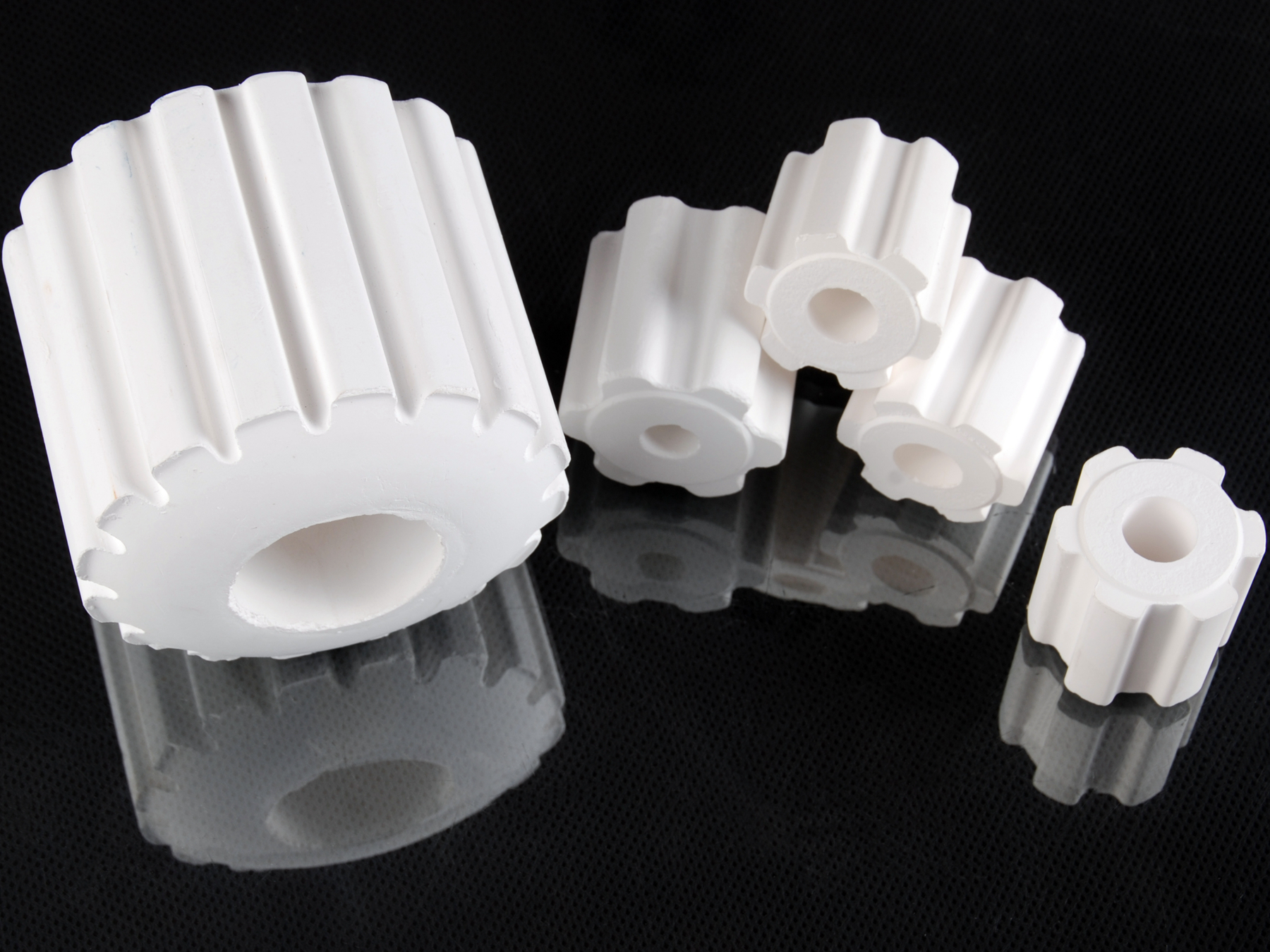
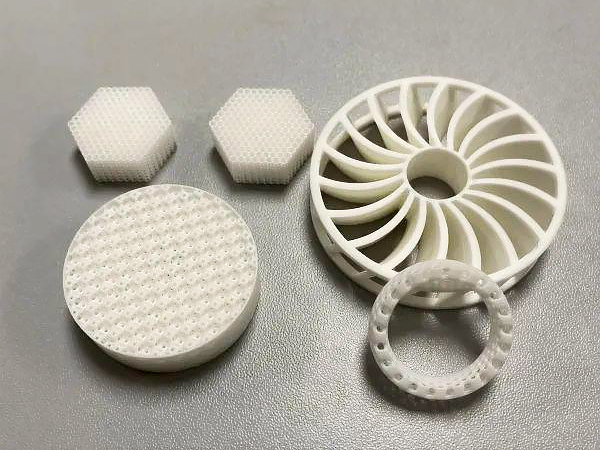
CIM fits production best when the part has small complex geometry, integrated features, and repeated demand. Ribs, bosses, grooves, holes, curved surfaces, insulating walls, wear surfaces, and textured details can make CIM more efficient than grinding or machining every feature after sintering.
Material selection also matters. CIM materials such as alumina, zirconia, silicon carbide, silicon nitride, and alumina-zirconia should be selected according to strength, wear, thermal behavior, electrical insulation, chemical exposure, surface finish, and sintering behavior.
The buyer should not use CIM only because a part is ceramic. A simple disc, plate, or straight pressed shape may fit powder pressing or machining better. A complex ceramic body with repeated production demand may fit CIM better if the geometry supports molding and sintering.
What Production Risks Must Be Controlled in CIM?
The main CIM production risks are molding defects, debinding cracks, sintering distortion, shrinkage variation, surface defects, post-processing variation, and inspection gaps. These risks increase when wall thickness is unbalanced, features are fragile, surfaces are difficult to inspect, or material requirements are unclear.
CIM part quality depends on multiple stages. A filled mold can still produce a weak or distorted ceramic part if binder removal or sintering is not controlled. A sintered part can still fail acceptance if grinding, polishing, lapping, or cleaning changes the final surface or dimension.
The RFQ should define which risks matter. If the part is a thermal substrate, flatness and surface contact may matter. If the part is an insulating body, dielectric behavior and surface condition may matter. If the part is a wear guide, wear surface finish and mating material may matter. The production plan should follow those priorities.
What RFQ Data Is Needed Before CIM Mass Production?
A CIM mass production RFQ should include part geometry, material target, production volume, validation stage, critical dimensions, surface finish, post-processing, functional tests, and inspection documents. The supplier needs this information to review tooling, process risk, and production repeatability.
CIM Mass Production Factor | Why It Matters | RFQ Detail Needed | Production Evidence |
|---|---|---|---|
Design maturity | Tooling changes can affect cost, timing, and validation after the design is frozen. | 3D CAD model, 2D drawing, revision status, critical dimensions, and assembly interfaces. | DFM review, tool review, sample approval, and change-control record if required. |
Ceramic material | Alumina, zirconia, silicon carbide, silicon nitride, and blends have different sintering behavior. | Material grade or target properties, heat exposure, wear condition, insulation need, and chemical exposure. | Material datasheet review, sample testing if specified, and production material control. |
Process consistency | Molding, debinding, sintering, finishing, and cleaning must remain stable across production. | Accepted sample condition, process-sensitive features, post-processing requirements, and packaging needs. | First article inspection, dimensional reports, visual criteria, and production inspection records. |
Inspection plan | Acceptance criteria decide whether the part is checked as-sintered or after finishing. | Datum scheme, functional surfaces, surface finish, flatness, electrical or thermal tests, and sampling plan. | CMM report, fixture check, surface inspection, functional test, and lot records if required. |
When Is CIM Not the Best Production Route?
CIM may not be the best route when the ceramic part is too simple, too large for the process window, frequently changing in design, or dominated by surfaces that all require post-sintering machining. In those cases, powder pressing, hot pressing, ceramic machining, or another forming route may be more practical.
The process comparison should focus on finished parts. CIM, powder pressing, and hot pressing differ in tooling, shape freedom, material behavior, machining allowance, and production economics. A simple part may not need CIM complexity. A complex part may not be practical for pressing.
Buyers should ask for process-route feedback early. If the part requires many ground surfaces, very frequent revisions, or material behavior that does not fit CIM feedstock and sintering, another process may reduce risk.
What Neway Precision Reviews for CIM Mass Production
Neway Precision reviews CIM mass production RFQs by checking ceramic material, part geometry, wall thickness, gate location, parting line, tooling complexity, debinding path, sintering shrinkage, fixture support, post-processing, inspection criteria, validation stage, and production volume. The review connects CIM process control with buyer acceptance requirements.
A complete RFQ should include the 3D model, 2D drawing, target ceramic material, production quantity, expected production stage, critical dimensions, surface finish, thermal or electrical requirements, wear or chemical exposure, post-processing needs, functional tests, inspection reports, and packaging requirements. Clear RFQ data helps determine whether CIM is suitable for mass production or whether another ceramic manufacturing route should be reviewed.
Related FAQs