11 Factors Affect the Metal Casting Process For A Particular Part Design
This article explains the factors that affect metal casting process selection for custom metal part designs, including die casting, investment casting, sand casting, gravity casting, and related precision casting routes. The practical RFQ problem is deciding which casting process matches the part geometry, material grade, wall thickness, tolerance target, surface finish, solidification risk, secondary machining, inspection method, tooling budget, and production volume before a supplier quotes the project.
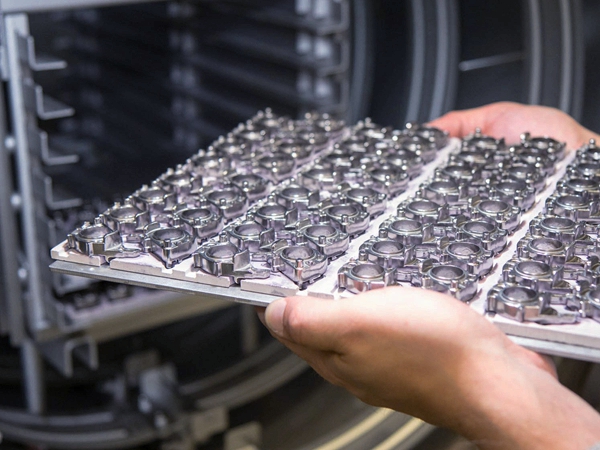
The short answer is that no single metal casting process fits every part. Die casting often fits high-volume aluminum or zinc parts with thin walls and good repeatability. Investment casting often fits complex metal parts with fine detail and broader alloy options. Sand casting often fits larger parts, lower-volume work, and flexible geometry. Gravity casting often fits selected aluminum or nonferrous parts where gravity-fed mold filling and moderate tooling cost are suitable. Buyers should compare process route, material behavior, defect risk, finishing, and inspection evidence together.
Neway supports related precision casting, aluminum die casting, investment casting, sand casting, gravity casting, and zinc die casting reviews when buyers need route selection before quotation.
Metal Casting Process Selection RFQ Decision
The first casting decision is not the mold type; it is the part requirement. Material grade, geometry, wall thickness, surface finish, tolerance, production volume, and downstream machining should be reviewed before selecting die casting, investment casting, sand casting, or gravity casting.
The manufacturing reason is that each casting process controls molten metal differently. Die casting injects metal under pressure into a steel die. Investment casting uses a wax pattern and ceramic shell. Sand casting uses a sand mold that can support larger or lower-volume parts. Gravity casting fills the mold by gravity rather than high-pressure injection. These different routes change mold cost, defect risk, surface quality, machining allowance, and repeatability.
Buyer Requirement | Process Selection Impact | RFQ Information Needed |
|---|---|---|
Part geometry | Thin ribs, bosses, undercuts, cavities, and cores influence mold design and process fit | 3D model, 2D drawing, wall sections, draft, cores, and critical features |
Material grade | Alloy melting behavior, shrinkage, fluidity, and mechanical requirements change process feasibility | Preferred alloy, acceptable alternatives, operating environment, and material property needs |
Tolerance and surface finish | Controls near-net casting capability, machining allowance, and inspection plan | CTQ dimensions, datum surfaces, surface roughness, cosmetic areas, and report requirements |
Production volume | Determines whether high tooling cost, expendable tooling, or flexible mold methods make sense | Prototype quantity, annual demand, batch size, ramp schedule, and cost target |
How Part Geometry and Mold Design Drive Casting Route
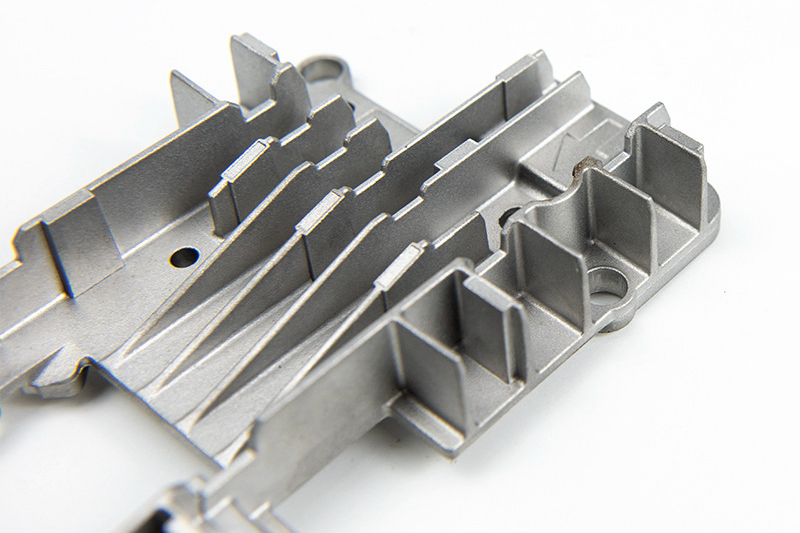
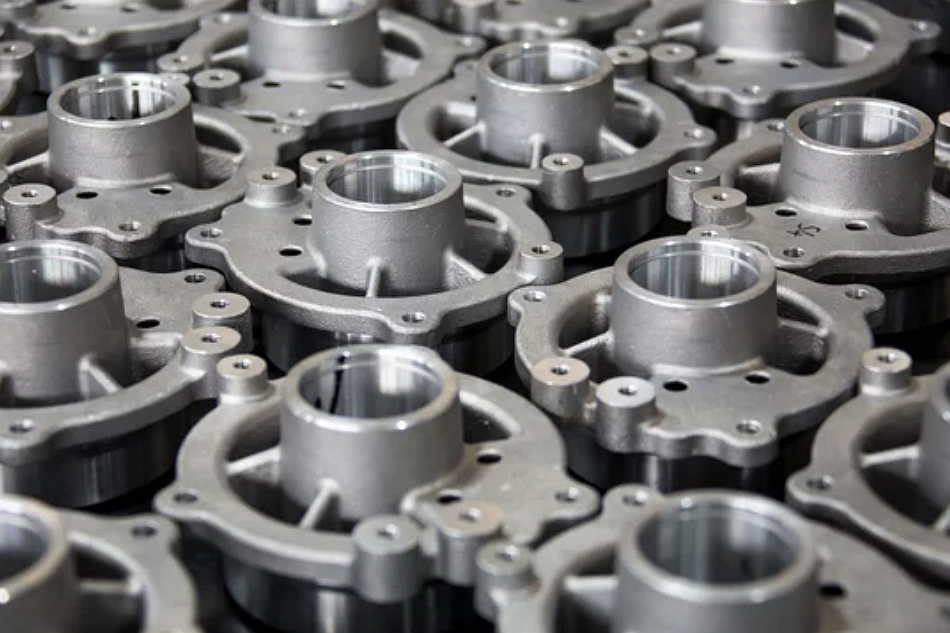
Part geometry is usually the strongest route-selection factor after material. A simple block, a thin-wall housing, a heavy bracket, and a complex impeller do not place the same demands on mold filling, cores, gating, cooling, and post-casting machining.
Die casting can be suitable when the part needs repeatable thin walls, complex external detail, and high-volume production in compatible aluminum or zinc alloys. Investment casting can be suitable when fine detail, complex contours, and broad alloy flexibility matter. Sand casting can be suitable when the part is larger, when the quantity is lower, or when core complexity and mold flexibility are more important than fine surface finish. Gravity casting can be suitable for selected nonferrous parts where the mold can fill reliably without high-pressure injection.
The RFQ implication is that buyers should share the complete part model, not only a finished-part drawing. The supplier needs to review draft, wall thickness transitions, ribs, bosses, core pulls, parting lines, gates, risers, vents, ejector areas, and possible machining stock before recommending a casting process. The FAQ on materials, tolerances, and part geometry that affect supplier selection supports this early review.
Material Grade, Melting Behavior, and Casting Process Compatibility
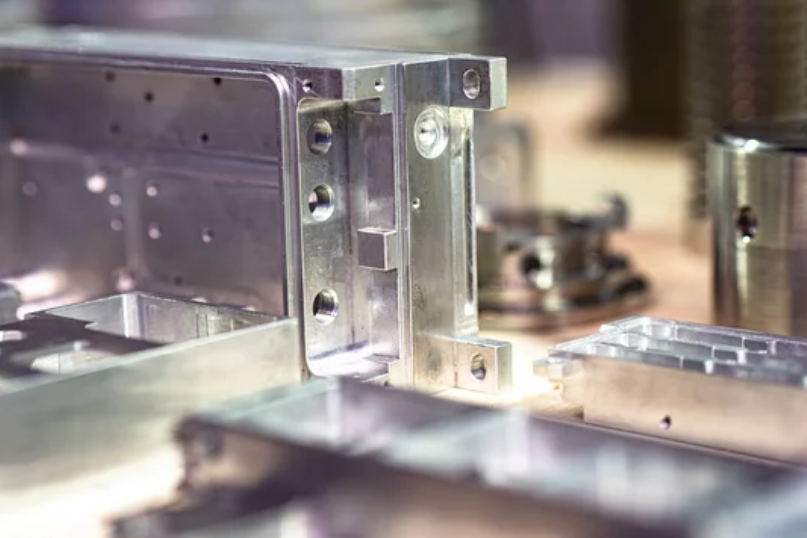
Material selection changes the practical casting route. Aluminum die casting alloys such as A380, ADC12, A356, 360, and B390 may be reviewed for different die casting or gravity casting applications. Zinc alloys such as Zamak and ZA series materials are often reviewed for detailed die cast parts. Stainless steel, carbon steel, alloy steel, bronze, brass, and superalloys may point toward investment casting, sand casting, or another route depending on geometry and quantity.
The manufacturing reason is that each alloy has different fluidity, shrinkage, melting range, solidification behavior, corrosion behavior, and finishing response. A casting process that works for a zinc housing may not work for a stainless steel bracket. A large iron or steel part may need a different mold system from a small aluminum enclosure.
The RFQ implication is that buyers should state the grade and allow supplier-reviewed alternatives only when performance permits. If strength, corrosion resistance, heat exposure, magnetic behavior, conductivity, or coating response matters, those requirements should be listed with the drawing.
Tolerance, Surface Finish, Machining, and Inspection Requirements
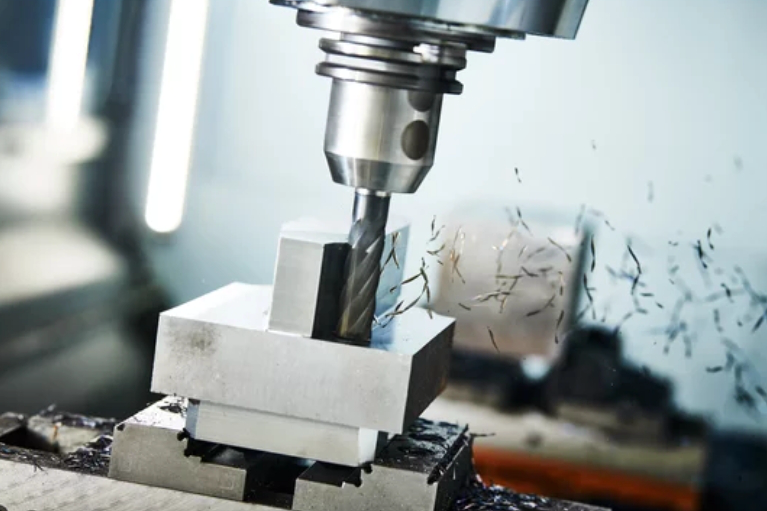
Tolerance and surface finish requirements can move a part from one casting process to another. A near-net casting may still require CNC machining, grinding, drilling, tapping, heat treatment, blasting, polishing, coating, or assembly to meet the finished-part requirement.
Investment casting may offer finer detail and smoother as-cast surfaces than many sand casting routes, but machining may still be needed on datum surfaces, bores, threads, and sealing faces. Die casting can support repeatability in suitable production, but porosity and machining exposure must be reviewed. Sand casting may require larger machining allowance and more surface finishing depending on the mold and alloy.
The buyer should mark CTQ dimensions, functional surfaces, datum targets, and cosmetic surfaces before quotation. A casting supplier can then separate as-cast capability from secondary machining and inspection cost. For process comparison, see how to choose precision casting services for custom metal parts.
Solidification, Gating, Cooling, Porosity, and Shrinkage Risks
Casting defects usually come from the way molten metal fills and solidifies. Gating, runner design, riser placement, venting, cooling rate, mold temperature, pouring behavior, and local wall thickness can all affect porosity, shrinkage, cold shuts, warpage, hot tears, inclusions, and surface defects.
The route-selection question is whether the chosen process can control those risks at the required part size and alloy. Die casting may need careful gating, venting, vacuum support, and machining review. Sand casting may need core design, risers, and solidification control. Investment casting may need shell design, wax pattern control, and ceramic shell preparation. Gravity casting may need mold temperature control and filling stability.
The RFQ implication is direct: define which defects are unacceptable for the function. A pressure-retaining part, a structural bracket, a cosmetic cover, and a machined bearing housing need different evidence. Evidence may include dimensional inspection, visual criteria, leak testing, X-ray inspection where needed, material testing, or functional assembly checks.
Production Volume, Tooling Cost, Batch Size, and Lead-Time Planning
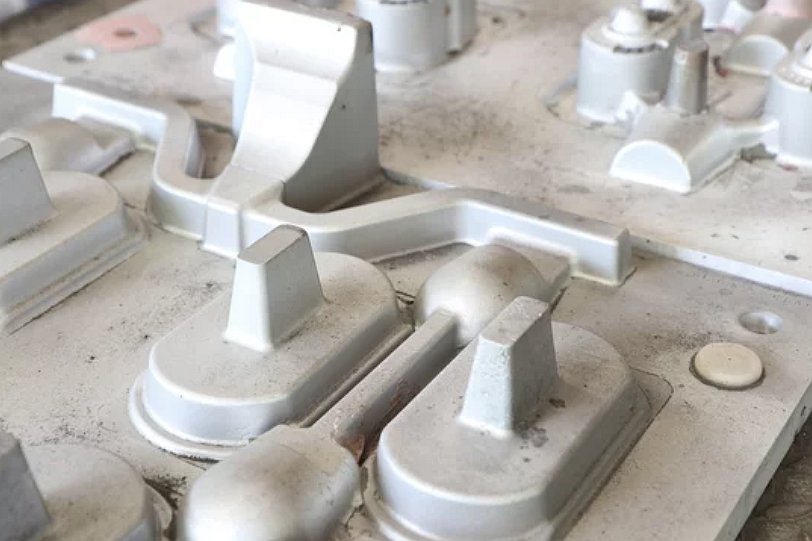
Production volume changes the casting decision because tooling cost and unit price move in opposite directions. Die casting tooling can be more expensive but may suit high-volume repeat production. Sand casting tooling can be more flexible for lower quantities or larger components. Investment casting and gravity casting sit in different positions depending on geometry, material, and quantity.
Batch size also affects inspection and post-casting operations. A prototype may need design validation and machining flexibility. A production part may need stable tooling, fixture planning, repeatable finishing, packaging, and statistical inspection. Buyers should identify prototype quantities, expected annual demand, part revision risk, and release schedule before asking suppliers to compare routes.
The RFQ implication is that a casting quote should separate tooling, casting unit price, machining, heat treatment, finishing, inspection, and packaging. A low casting price can be misleading if the process creates additional machining or inspection cost later.
When Die Casting, Investment Casting, Sand Casting, or Gravity Casting Fits
Choose die casting when the material family, thin-wall geometry, volume, tooling budget, and repeatability requirement fit pressure casting. Aluminum die casting and zinc die casting are common routes for housings, covers, brackets, connectors, frames, and detailed hardware when process constraints are acceptable.
Choose investment casting when the part needs fine detail, complex shape, and a broad alloy choice that fits wax pattern and ceramic shell casting. Investment casting may be useful for smaller complex metal components, impellers, brackets, levers, and hardware where surface finish and detail matter.
Choose sand casting when the part is larger, lower volume, or more flexible in shape, and the buyer can allow suitable machining allowance and surface finish. Choose gravity casting when nonferrous alloys, mold filling, quantity, and surface requirements fit the route. The FAQ on how to choose between die casting, investment casting, and sand casting is a useful follow-up for buyers comparing routes.
Casting Process | Common Fit | Key Risk to Review | Buyer Decision |
|---|---|---|---|
Die casting | High-volume aluminum or zinc parts with repeatable thin-wall geometry | Tooling cost, porosity, parting line, draft, and machining exposure | Use when volume and geometry justify hard tooling |
Investment casting | Complex metal parts with fine detail and broader alloy options | Pattern control, shell quality, shrinkage, and finishing requirements | Use when detail, alloy choice, and near-net shape matter |
Sand casting | Larger castings, low-volume parts, flexible geometry, and heavy sections | Surface finish, core shift, shrinkage, machining allowance, and defect control | Use when size and flexibility outweigh fine as-cast detail |
Gravity casting | Selected nonferrous castings where gravity-fed mold filling is practical | Mold temperature, filling stability, shrinkage, and surface requirements | Use when the material and geometry fit a non-pressure casting route |
RFQ Checklist for Selecting a Metal Casting Process
A strong casting RFQ should let the supplier evaluate the material, mold design, process route, defect risk, machining plan, and inspection evidence without guessing. The buyer should define what the part must do, not only which casting process sounds familiar.
RFQ Item | Why It Affects Casting Process Selection | Recommended Buyer Input |
|---|---|---|
Part model and drawing | Controls mold design, cores, gates, risers, draft, and machining stock | STEP file, 2D drawing, drawing revision, critical features, and assembly interfaces |
Material grade | Determines alloy behavior, melting route, strength, corrosion response, and finishing | Required grade, acceptable alternatives, heat exposure, corrosion exposure, and mechanical needs |
Geometry and wall thickness | Influences filling, solidification, shrinkage, and defect risk | Wall sections, ribs, bosses, holes, undercuts, cores, and design flexibility |
Tolerance and surface finish | Separates as-cast capability from secondary machining and finishing cost | CTQ dimensions, datum surfaces, surface roughness, cosmetic areas, and coating requirements |
Volume and schedule | Drives tooling choice, cavity count, batch planning, and process economics | Prototype quantity, annual demand, release schedule, and revision risk |
Inspection evidence | Confirms dimensional, material, cosmetic, and functional requirements | Dimensional report, visual criteria, leak test, X-ray need, material report, or functional test |
Related FAQs
How to Choose Between Die Casting, Investment Casting, and Sand Casting?
Materials, Tolerances, and Part Geometry That Affect Supplier Selection
What Tolerances Can Precision Casting Services Typically Achieve?
What Are the Differences Between Die Casting and Investment Casting?
Gravity vs Sand Casting: A Comparison of Two Metal Casting Processes
Defects in Sand Castings: Causes and Prevention in Metal Foundries