What makes sand casting environmentally sustainable?
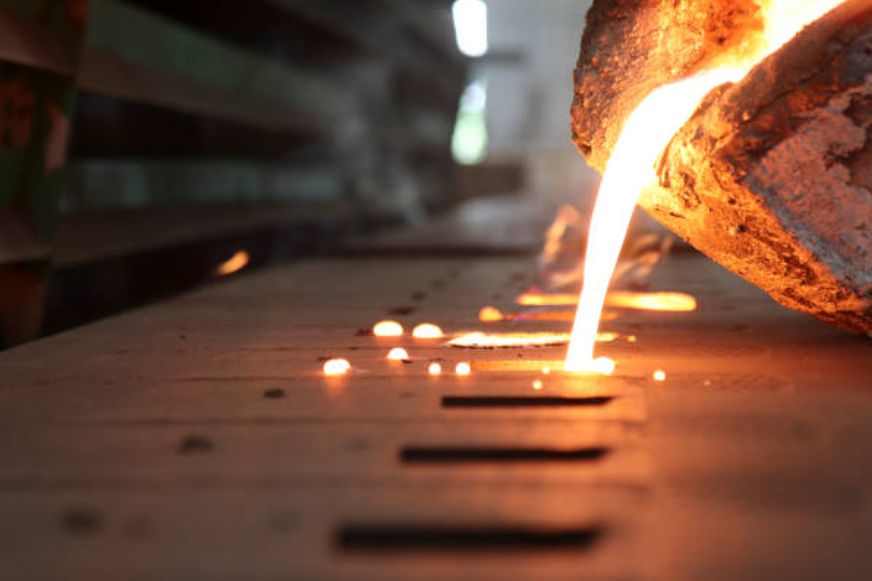
Sand casting can support environmental sustainability when the foundry controls sand use, alloy selection, casting yield, machining allowance, energy-intensive melting, surface finishing, and scrap management. For buyers of custom sand-cast parts, the practical RFQ problem is deciding whether the selected sand casting route reduces avoidable waste and rework compared with machining, die casting, investment casting, forging, or another process for the same component.
What Makes Sand Casting Environmentally Sustainable?
Sand casting becomes more sustainable when the process uses suitable molding sand, reclaims or manages sand responsibly, pours an alloy that fits the application, reduces casting defects, limits unnecessary machining, and applies finishing only where needed. Sustainability depends on the full route, not the casting process name alone.
The buyer should evaluate the part, material, and production plan. A large cast iron base may be efficient because sand casting avoids machining a heavy block from solid stock. An aluminum housing may be efficient when the sand-cast route reduces tooling burden for low volume. A badly specified casting, however, can create waste through scrap, rework, excessive machining, or over-finishing.
Sustainability factor | Sand casting mechanism | Buyer benefit | RFQ information needed |
|---|---|---|---|
Sand management | Sand selection, reclamation, binder control, disposal control | Can reduce new sand use and waste burden where systems support it | Ask about sand system, binder, and reclamation approach when relevant |
Material selection | Use alloy grade that matches service environment | Avoids over-alloying or early replacement | Define load, corrosion, temperature, wear, and finish requirements |
Near-net shape | Forms large or complex geometry before machining | Can reduce billet waste and machining time | Provide machined surfaces, datums, and machining allowance |
Defect reduction | Gating, risering, sand quality, pouring, cooling, inspection | Reduces scrap, rework, and repeated processing | Define critical zones, pressure boundaries, and inspection method |
Selective finishing | Apply coating, machining, polishing, or blasting only where needed | Avoids unnecessary process steps on non-functional surfaces | Map visible surfaces, functional surfaces, and finish purpose |
How Does Sand Management Affect Sustainability?
Sand management affects sustainability because molding sand, binders, cores, shakeout, screening, reclamation, and disposal all influence the environmental burden of sand casting. Some sand systems can reclaim portions of used sand, while other systems may require disposal or special handling depending on binder chemistry, contamination, and foundry practice.
The buyer does not need to design the foundry's sand system, but the buyer should understand that sand type and mold design matter. Cores, deep internal passages, large molds, and complex geometry can increase sand use and cleaning burden. If sustainability documentation is part of the buyer's program, the RFQ should ask what sand management information the supplier can provide.
Sand casting sustainability depends on sand reclamation, alloy selection, yield control, machining allowance, finish choice, and documented process limits. This sentence is the practical buyer filter: a casting route is only sustainable when the process controls are visible enough to evaluate.
How Does Material Choice Make Sand Casting More Sustainable?
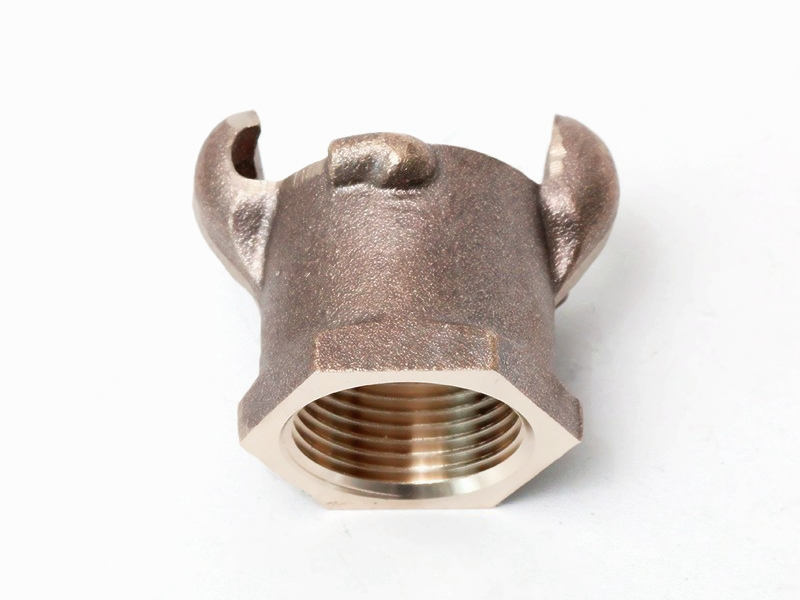
Material choice makes sand casting more sustainable when the alloy meets the service requirement without unnecessary processing burden. Cast aluminum sand casting may reduce part weight where strength requirements allow it. Cast iron sand casting may support durable machinery bases and housings. Cast stainless steel may reduce corrosion-related replacement in suitable environments.
The sustainable choice is application-specific. A higher alloy can add melting, machining, and inspection burden if the application does not need it. A lower alloy can create waste if the part fails early or needs excessive coating to survive the environment.
Buyers should define load, temperature, corrosion medium, wear, pressure, conductivity, surface finish, and expected service life. That lets the supplier compare aluminum, iron, steel, stainless steel, copper alloy, or another alloy family responsibly.
How Can Near-Net Shape Reduce Waste in Sand Casting?
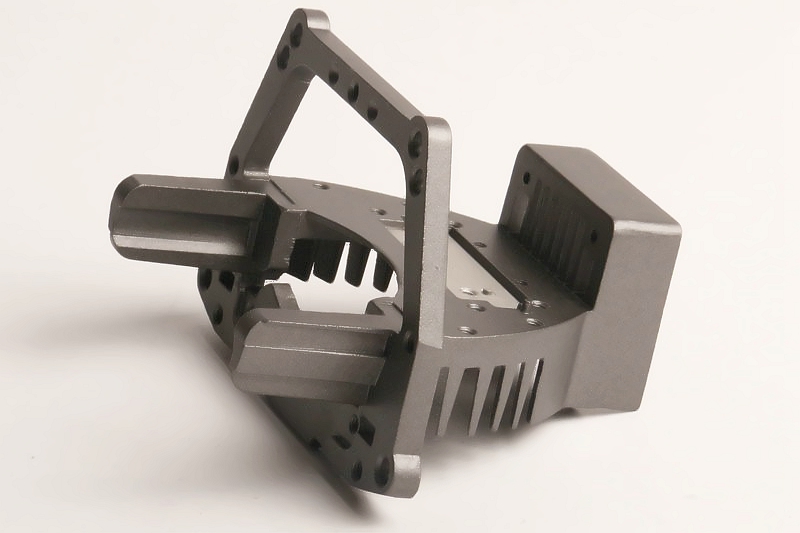
Near-net shape can reduce waste when sand casting forms the part close to the required geometry before machining. Large housings, pump bodies, valve bodies, bases, covers, and brackets may require less raw material removal than machining the same geometry from a solid block.
The benefit depends on casting allowance and machining stock. Sand-cast parts often need machining on datums, holes, sealing surfaces, and mounting faces. If the drawing does not define these areas, the supplier may add excess stock or under-estimate machining effort. Either case can create waste or rework.
Buyers should identify machined surfaces, casting tolerances, critical dimensions, datum scheme, and surface finish. A clear machining plan helps the supplier use sand casting to form the bulk geometry while machining only what the part requires.
Why Does Defect Reduction Matter for Sustainable Sand Casting?
Defect reduction matters because rejected castings consume sand, metal, energy, labor, machining time, and inspection resources. Defects such as porosity, shrinkage cavities, inclusions, misruns, cold shuts, mold erosion, and hot tears can turn a potentially efficient casting route into a wasteful route.
Sand casting defect prevention depends on mold design, sand quality, gating, risering, pouring temperature, cooling, alloy selection, and inspection. The buyer helps by supplying a complete drawing and marking pressure boundaries, sealing faces, thin walls, heavy bosses, and critical dimensions.
If the part controls fluid, pressure, safety, or rotating performance, the RFQ should include NDT, leak testing, pressure testing, CMM inspection, and acceptance criteria. Defect prevention is one of the most practical sustainability tools because it reduces scrap at the source.
How Do Surface Finishes Affect Sand Casting Sustainability?
Surface finishes affect sustainability because blasting, tumbling, machining, coating, painting, plating, anodizing-related routes, polishing, and inspection all add process burden. Some finishes are necessary for corrosion protection, appearance, cleanability, or assembly fit. Others may be unnecessary if the surface is hidden or non-functional.
Powder coating, paint, passivation, and other finishes should be selected by material and use environment. Anodizing cast aluminum requires alloy and surface review because casting porosity and alloy chemistry can affect the result.
The buyer should define finish purpose, visible surfaces, masked surfaces, coating thickness, corrosion exposure, and inspection method. Selective finishing can reduce unnecessary processing while still protecting the surfaces that matter.
How Do Production Volume and Tooling Affect Sand Casting Sustainability?
Production volume and tooling affect sustainability because tooling, pattern changes, sample trials, and rework are spread across the parts produced. Sand casting can be attractive for prototypes, replacement parts, and lower-volume large components because tooling may be less burdensome than permanent dies for some designs.
For repeat production, stable drawings and clear approval steps reduce rework. If the design changes late, patterns, cores, machining fixtures, inspection plans, and finish expectations may all need revision. That creates additional material and process burden.
Buyers should state prototype quantity, annual volume, design maturity, approval schedule, and expected design changes. This allows the supplier to select a tooling and process route that fits the program instead of overbuilding or underbuilding the manufacturing plan.
What Should Buyers Include in a Sustainable Sand Casting RFQ?
Buyers should include CAD data, 2D drawing, material grade, allowable alternatives, part size, wall thickness, annual volume, machined surfaces, surface finish, heat treatment, inspection method, operating environment, expected service life, and any sustainability documentation needs. If sand reclamation, recycled content, or process reporting matters to the buyer, those requirements should be stated clearly.
The RFQ should ask where sand casting reduces waste and where it may add burden. The answer may involve material, sand mold design, cores, machining allowance, defect risk, finishing, tooling, or inspection. Comparing these factors gives a more useful answer than treating sand casting as automatically sustainable.
Sand casting can support responsible manufacturing when the part design, alloy, mold system, finishing route, and inspection plan work together. That is the practical foundation for an environmentally sustainable casting route.
Related FAQs
Which industries benefit most from green sand casting practices?
Are there any limitations or challenges associated with green sand casting?
How are future innovations enhancing the sustainability of sand casting?
How does material selection impact the performance of sand-cast products?
What defects occur in sand castings and how can foundries prevent them?