How are future innovations enhancing the sustainability of sand casting?
Future innovations are enhancing the sustainability of sand casting by improving sand reclamation, binder control, melting efficiency, casting simulation, additive manufacturing for prototypes or molds, defect prevention, selective finishing, and process monitoring. For buyers of custom sand-cast parts, the practical RFQ problem is deciding which innovation reduces waste or rework for the actual alloy, part size, wall thickness, machining allowance, surface finish, and inspection plan.
Which Future Innovations Enhance Sand Casting Sustainability?
The most relevant innovations are those that reduce avoidable sand waste, metal scrap, repeated trials, over-machining, excessive finishing, and early part failure. Sand casting sustainability improves when the foundry controls the mold system, alloy selection, energy-intensive steps, yield, post-processing, and inspection feedback as one manufacturing route.
Buyers should evaluate innovation by measurable manufacturing impact. A new binder system is useful only if it fits the alloy and mold. A simulation process is useful only if it reduces casting defects or design rework. Additive manufacturing is useful only if it helps confirm geometry, cores, tooling, or finish zones before production errors occur.
Innovation area | Sand casting stage | Sustainability role | RFQ question for buyers |
|---|---|---|---|
Sand reclamation and conditioning | Shakeout, screening, cooling, sand return, waste handling | Can reduce fresh sand demand and disposal burden where systems support it | What sand reuse, conditioning, and disposal information can be provided? |
Binder and additive control | Mold strength, permeability, gas control, surface condition | Can reduce gas defects, rework, and unsuitable mold performance | Is the binder system suitable for the alloy and wall thickness? |
Energy-aware melting and heat treatment | Melting, pouring, cooling, heat treatment, batch planning | Can reduce repeated thermal cycles and rejected batches | What alloy, batch size, heat treatment, and approval plan apply? |
Simulation and digital process review | Gating, risering, shrinkage, feeding, solidification review | Can reduce trial castings and defect-related scrap | Which features are critical to feed, fill, machine, and inspect? |
Selective machining and finishing | CNC machining, blasting, coating, polishing, final inspection | Focuses resources on functional and visible surfaces | Which surfaces are machined, visible, coated, masked, or as-cast? |
How Can Sand Reclamation Improve Sustainability?
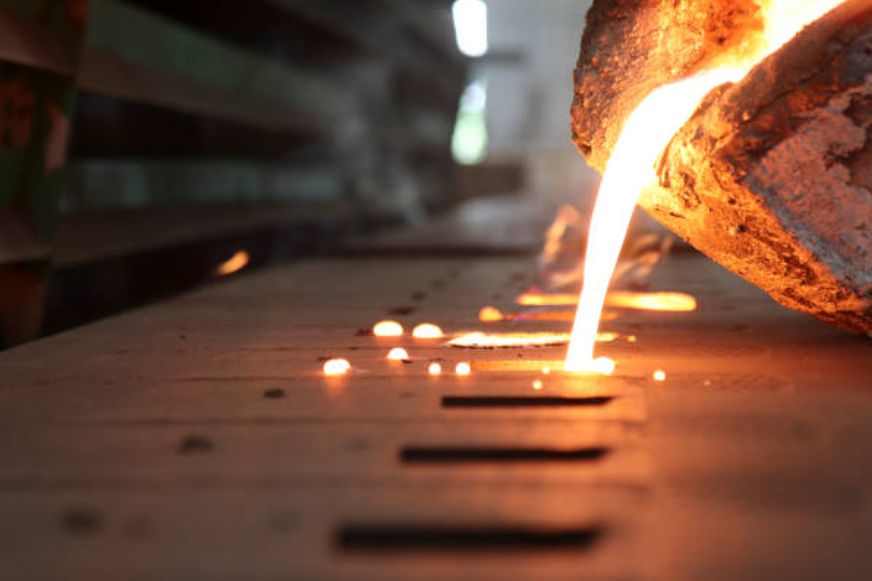
Sand reclamation can improve sustainability by helping the foundry reuse suitable molding sand after shakeout, cooling, screening, and conditioning. Mechanical, thermal, or other reclamation approaches may be used depending on sand type, binder system, contamination, casting alloy, and foundry capability.
The limitation is that reclamation is not unlimited. Sand can accumulate fines, binder residue, metal contamination, or property changes that require replacement or disposal. A complex casting with heavy cores or special coatings may also affect sand handling.
Future sand casting sustainability improvements should be evaluated by sand reuse, binder selection, energy planning, defect reduction, machining allowance, finish route, and inspection data. This gives buyers a practical way to ask about sustainability without assuming a specific reclamation rate.
How Do Binder and Additive Innovations Affect Green Sand Casting?
Binder and additive innovations affect green sand casting by improving mold strength, permeability, collapsibility, surface condition, and gas control. Green sand systems use clay and moisture, while other sand systems may use different binders for specific part requirements. The right system depends on alloy, part size, wall thickness, surface finish, and core design.
A binder change can reduce certain defects or improve mold handling, but it can also create new constraints if the mold becomes too strong, too weak, too low in permeability, or unsuitable for shakeout. The supplier must balance mold strength with gas release and collapsibility.
Buyers should provide alloy grade, wall thickness, core features, visible surfaces, surface finish, and defect concerns. The supplier can then decide whether a green sand system, resin sand system, or another molding route is more practical.
How Do Energy-Aware Melting and Heat Treatment Improve Sustainability?
Energy-aware melting and heat treatment improve sustainability by reducing repeated trial pours, rejected batches, unnecessary heat cycles, and inefficient production planning. Melting and heat treatment are significant process steps, so alloy selection, batch size, pouring practice, and approval planning matter.
Heat treatment should be tied to a real material requirement such as strength, hardness, stress relief, or dimensional stability. Adding heat treatment without a performance reason can add burden and create distortion or extra inspection.
RFQs should state alloy grade, mechanical properties, hardness, temperature exposure, heat treatment, machining sequence, and final inspection method. This lets the supplier determine how the energy-intensive parts of the route support the finished casting.
How Does Simulation Reduce Defect-Related Waste?
Simulation and digital process review can reduce defect-related waste by helping the supplier evaluate gating, risering, filling, shrinkage, hot spots, and solidification before production. This can reduce trial castings and avoid repeated defects in pressure boundaries, heavy bosses, thin ribs, internal passages, or machined surfaces.
Simulation is not a substitute for inspection. It supports planning, but the casting still needs process control, machining, finishing, and verification. The buyer should identify critical dimensions, pressure areas, leak paths, wall thickness, and inspection requirements so the simulation focuses on real manufacturing risk.
If a casting repeatedly fails due to shrinkage, porosity, or misruns, digital review can help identify whether the issue is gating, risering, wall thickness, alloy choice, or mold conditions. That feedback reduces waste by correcting the cause rather than repairing every casting.
How Can Additive Manufacturing Support Sustainable Sand Casting?
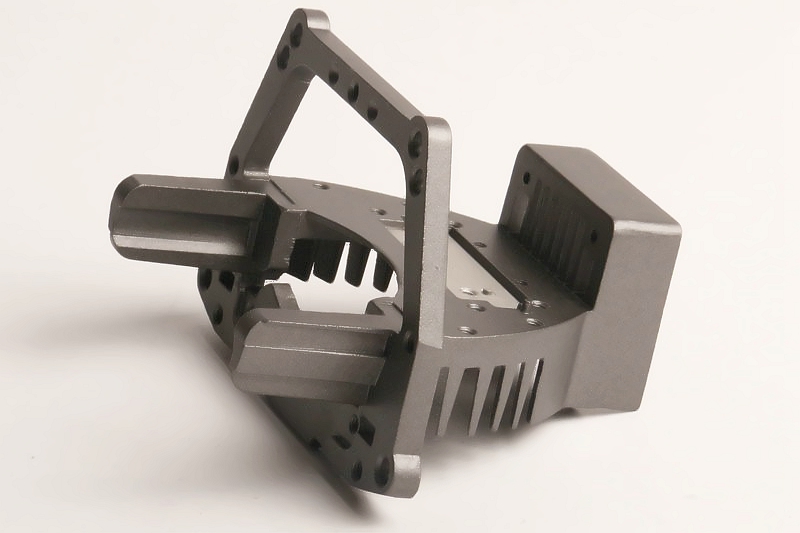
3D printing prototyping can support sustainable sand casting by helping buyers review part geometry, assembly fit, core concepts, machining datums, and visible surfaces before production tooling. Prototype review can reduce late design changes and prevent avoidable casting trials.
Additive manufacturing may also support prototype tooling, pattern development, or mold and core development in some workflows. The value is strongest when the printed part or development tool reveals a manufacturing issue early, such as inaccessible finishing, weak wall sections, poor draft, or excessive machining stock.
Buyers should state whether the project is prototype, bridge production, replacement part, or repeat production. The supplier can then decide whether additive manufacturing supports the development route or adds unnecessary complexity.
How Do Selective Finishing and Coatings Improve Sustainability?
Selective finishing improves sustainability by applying machining, blasting, polishing, painting, powder coating, passivation, or other finish processes only where needed. Sand-cast parts often have functional surfaces, visible surfaces, hidden surfaces, and as-cast surfaces. Treating all surfaces the same can create unnecessary processing.
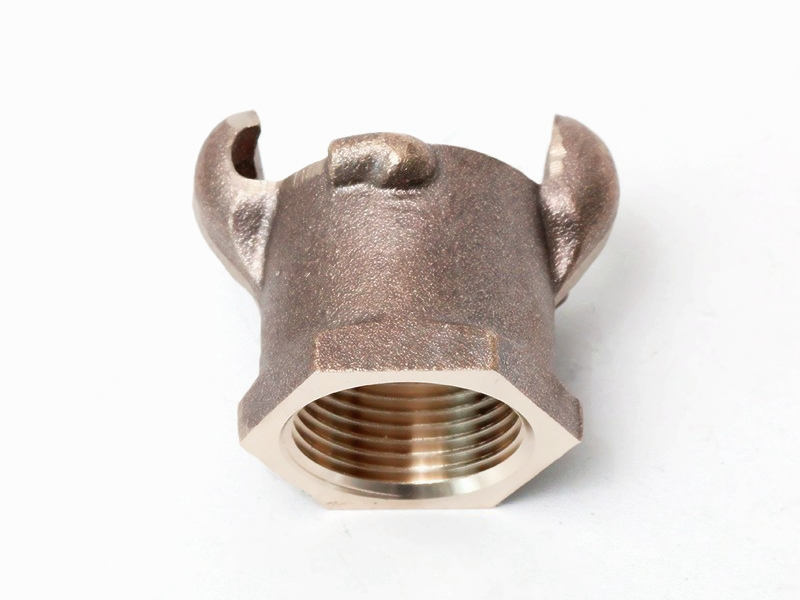
Powder coating, paint, and other finishes should be selected by material and service environment. A carbon steel bracket may need coating for corrosion protection. A cast iron machine base may need paint and machined mounting pads. An aluminum housing may need machining, blasting, or a coating route depending on appearance and corrosion exposure.
RFQs should include visible surface maps, machined surfaces, masked surfaces, coating thickness, color or appearance target, corrosion exposure, and post-finish inspection. This reduces over-processing while protecting surfaces that matter.
How Do Process Monitoring and Lifecycle Design Support Sustainability?
Process monitoring supports sustainability by tracking sand moisture, mold strength, pouring practice, defect rates, machining results, and inspection feedback. When the supplier can see where defects repeat, the supplier can improve gating, sand control, alloy selection, machining allowance, or finishing rather than producing more scrap.
Lifecycle design also matters. A casting that lasts longer in service can reduce replacement waste, but only if the alloy and finish are justified by the application. Over-specifying a high-alloy material or heavy coating can add burden without improving the part if the service environment does not require it.
Buyers should include operating environment, expected service life, load case, corrosion medium, wear condition, maintenance expectations, and inspection method. These details help the supplier connect sustainability innovations to actual part performance.
What Should Buyers Ask About Future Sand Casting Innovations?
Buyers should ask which innovations are relevant to the specific casting: sand reclamation, binder control, simulation, additive manufacturing, energy-aware heat treatment, selective finishing, process monitoring, or material selection. The RFQ should include CAD data, drawing, alloy, volume, wall thickness, core requirements, machining surfaces, finish, inspection, and documentation requirements.
Buyers should also ask what evidence the supplier can provide. That may include process description, inspection reports, material certificates, sample approval results, or capability statements. Sustainability should be evaluated from the actual route rather than from a broad future-technology claim.
The strongest innovation is the one that reduces real waste, rework, or service risk for the actual sand-cast product.
Related FAQs