How does green sand casting reduce emissions and waste?
Green sand casting can reduce emissions and waste by using a sand, clay, and moisture molding system that can often be conditioned and reused within the foundry process, while also relying on process control to reduce scrap, dust, excess machining, and unnecessary finishing. For buyers of custom sand-cast parts, the practical RFQ problem is understanding whether the supplier's green sand route fits the part geometry, alloy, surface finish, inspection requirements, and any sustainability documentation the buyer needs.
How Does Green Sand Casting Reduce Emissions and Waste?
Green sand casting can reduce waste by reusing conditioned molding sand and reducing reliance on some chemically bonded mold systems for suitable parts. It can also reduce waste when the casting process produces fewer defects, requires less rework, and uses near-net shape to avoid excessive machining stock.
The word "green" in green sand refers to the moisture-conditioned sand system, not an automatic environmental result. The actual result depends on sand reclamation practice, binder control, dust collection, melting energy, alloy selection, casting yield, machining, finishing, and inspection acceptance.
Green sand factor | How it can reduce waste or emissions | Practical limitation | RFQ question for buyers |
|---|---|---|---|
Reusable sand system | Conditioned sand can often be returned to mold making | Sand quality, contamination, loss, and binder balance must be controlled | Can the supplier explain sand conditioning and disposal limits? |
Clay and moisture binder system | May reduce reliance on some resin-bonded mold routes for suitable parts | Not every part or alloy fits green sand molding | Is green sand compatible with the alloy, wall thickness, and surface target? |
Defect prevention | Lower scrap and rework reduce repeated melting and machining | Defects still occur if mold, gating, pouring, or inspection are weak | What defect controls and inspection methods apply? |
Near-net shape | Can reduce machining stock compared with cutting from solid material | Machined datums and sealing surfaces still need stock allowance | Which surfaces must be machined after casting? |
Dust and finishing control | Dust collection and selective finishing can reduce process burden | Blasting, grinding, coating, and polishing still add resources | Which surfaces need blasting, coating, or polishing? |
How Does Reusable Molding Sand Reduce Waste?
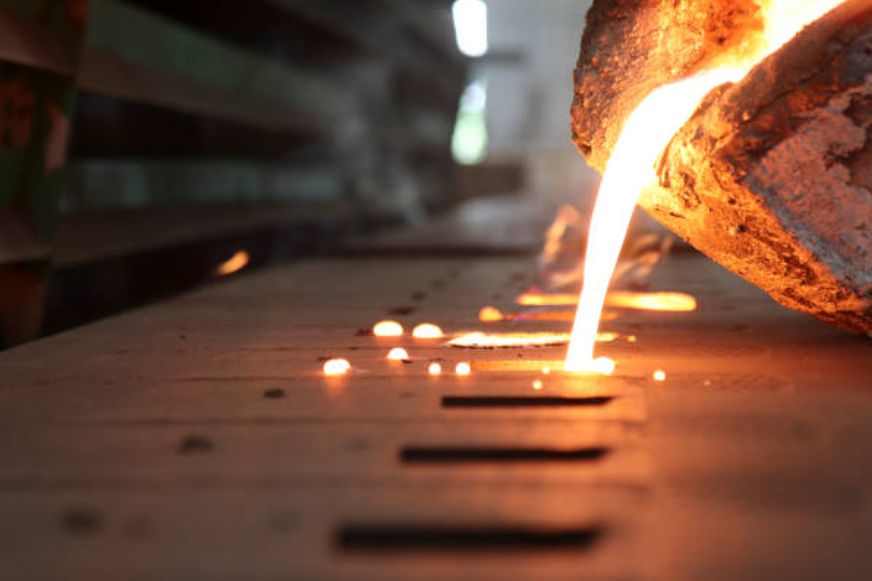
Reusable molding sand can reduce waste when the foundry cools, screens, conditions, and reuses suitable sand after shakeout. Green sand usually contains sand, clay, water, and additives adjusted for mold strength, permeability, and collapsibility. Reuse can reduce the need for fresh sand and reduce disposal volume when the system is managed correctly.
The limitation is that sand is not reused perfectly forever. Fines, metal contamination, binder imbalance, moisture variation, and process loss can require sand replacement or disposal. Cores, coatings, and complex mold features may also change sand management needs.
Green sand casting can reduce waste when sand conditioning, binder control, scrap prevention, machining allowance, and dust collection are documented for the RFQ. If sustainability reporting matters, buyers should ask what process information the supplier can provide rather than assuming a closed-loop system exists.
How Do Binder and Additive Controls Affect Emissions?
Binder and additive controls affect emissions because the sand system interacts with molten metal during pouring and cooling. Green sand uses clay and moisture as key mold components, which can reduce reliance on some chemical binder systems for parts that fit green sand molding. However, every foundry process still needs ventilation, dust control, and process-specific emission management.
Sand composition matters because sand grain size, clay, moisture, additives, and permeability affect mold performance. Poor sand control can create gas defects, rough surfaces, or mold erosion, which increases scrap and rework.
Buyers should define alloy, casting size, wall thickness, surface finish, and critical areas. The supplier can then confirm whether green sand molding is appropriate or whether another sand system is needed for the part.
Why Does Scrap Reduction Matter More Than a Green Label?
Scrap reduction matters because every rejected casting consumes metal, sand preparation, melting energy, labor, cleaning, machining, finishing, and inspection time. A green sand route with poor yield can be less responsible than a different route that produces acceptable parts consistently.
Sand casting defect prevention includes gating design, risering, mold strength, sand permeability, pouring temperature, cooling, alloy selection, and inspection. Defects such as porosity, shrinkage, inclusions, cold shuts, misruns, and mold erosion can all create waste.
Buyers should mark pressure boundaries, sealing faces, thin walls, heavy bosses, machined datums, and critical dimensions. This helps the supplier control casting yield and avoid repeated trial-and-error.
How Does Machining Allowance Affect Waste in Green Sand Casting?
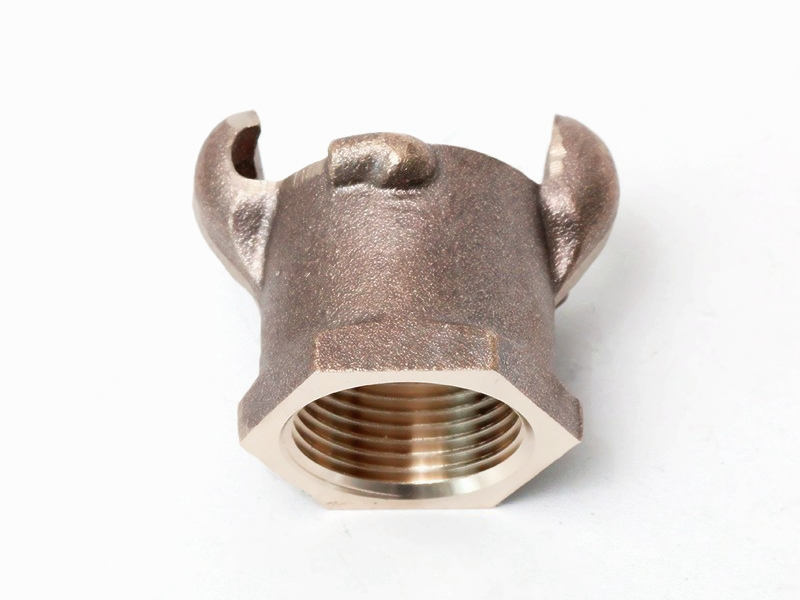
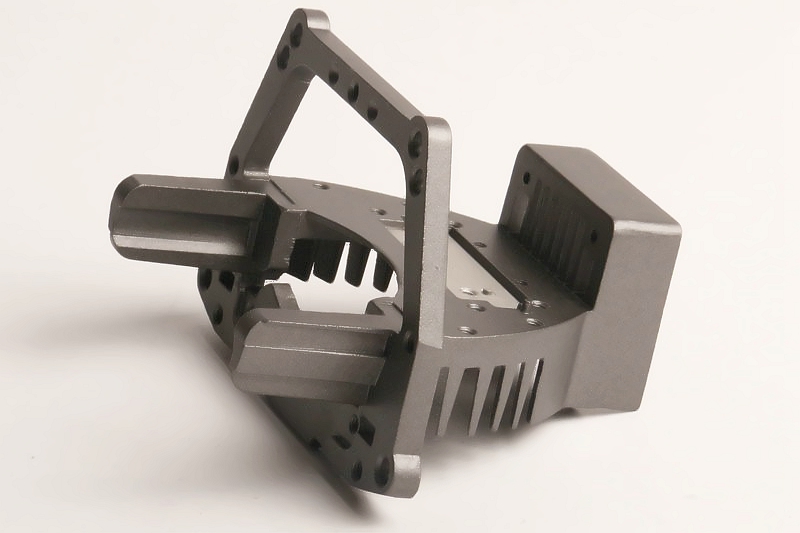
Machining allowance affects waste because sand-cast parts often require CNC machining on datum faces, holes, threads, sealing lands, mounting pads, and precision bores. Too much allowance increases metal removal and machining time. Too little allowance risks incomplete cleanup and rejected parts.
The buyer should identify which surfaces are functional and which surfaces can remain as-cast. A pump body may need machined sealing faces but not full machining on every exterior surface. A machine base may need machined mounting pads while other cast surfaces remain cleaned and painted.
Clear machining data supports a lower-waste route. The RFQ should include CAD, 2D drawing, datum scheme, machining surfaces, tolerances, surface finish, and inspection method so the supplier can plan the casting allowance correctly.
How Do Finishes Influence Waste and Emissions?
Finishes influence waste and emissions because blasting, grinding, tumbling, painting, powder coating, plating, polishing, and cleaning all add process steps. Some finishing is necessary for corrosion resistance, appearance, assembly, or customer handling. Other finishing may be unnecessary if the surface is hidden or non-functional.
Powder coating, paint, and other protective finishes should be selected by material and environment. If a finish is required, the buyer should specify coating areas, masked surfaces, thickness, color, corrosion exposure, and inspection method.
Selective finishing can reduce waste by focusing on surfaces that actually need protection or appearance control. The RFQ should separate visible surfaces, functional surfaces, machined surfaces, and as-cast surfaces.
How Do Dust Collection and Process Control Support Cleaner Production?
Dust collection and process control support cleaner production by managing sand handling, shakeout, grinding, blasting, and finishing operations. Green sand casting still involves dust, heat, fumes, and handling of casting materials. Responsible production requires ventilation, dust collection, housekeeping, worker-safety controls, and process monitoring according to the foundry's operating requirements.
Process control also supports sustainability by improving yield. Stable sand moisture, mold strength, pouring practice, cooling, and inspection reduce defects and rework. A process that makes consistent acceptable castings usually creates less waste than a process with frequent repairs or rejected parts.
If a buyer has environmental reporting needs, the RFQ should ask what documentation, process description, or supplier capability statement can be provided. Buyers should avoid assuming specific emissions data unless the supplier provides it.
What Should Buyers Include in a Green Sand Casting RFQ?
Buyers should include CAD data, 2D drawings, alloy grade, part size, wall thickness, annual volume, critical dimensions, machined surfaces, surface finish, heat treatment, inspection method, operating environment, and sustainability documentation needs. The RFQ should also ask whether green sand molding is suitable for the alloy, part size, and surface requirement.
Buyers should ask how the supplier controls sand conditioning, scrap prevention, machining allowance, dust collection, and finishing. These questions give a clearer picture of waste reduction than a broad claim about green manufacturing.
Green sand casting reduces emissions and waste only when the sand system, alloy, process control, yield, machining, and finishing plan support the part's actual requirements.
Related FAQs
Which industries benefit most from green sand casting practices?
Are there any limitations or challenges associated with green sand casting?
How are future innovations enhancing the sustainability of sand casting?
How does material selection impact the performance of sand-cast products?
What defects occur in sand castings and how can foundries prevent them?