
Zinkdruckgusskomponenten: Leitfaden für Design, Materialien und Fertigung
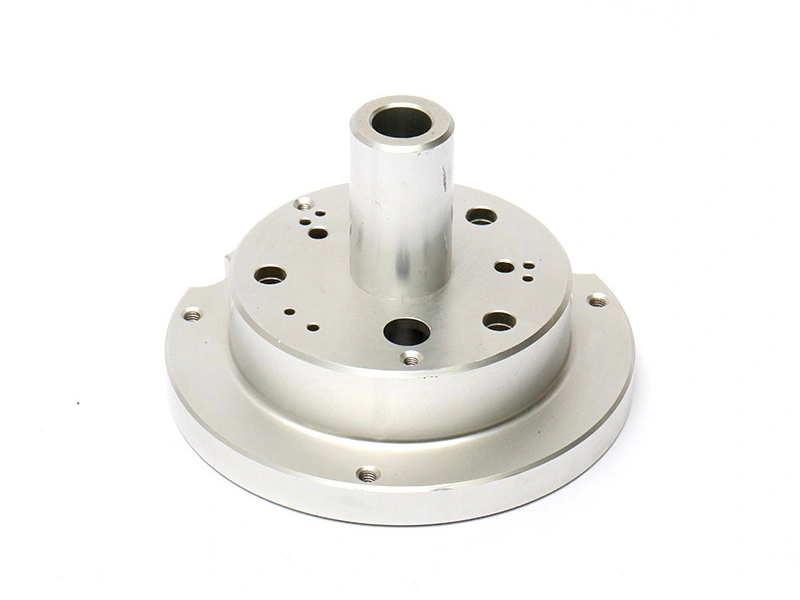
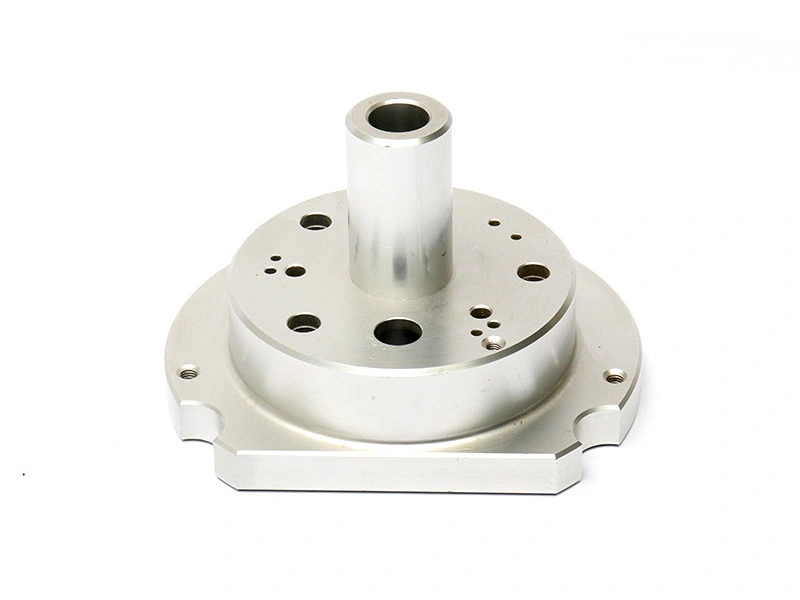
Für Ingenieure und Beschaffungsteams, die Lösungen für Metallkomponenten bewerten, werden Zinkdruckgusskomponenten häufig eingesetzt, wenn ein Produkt Maßhaltigkeit, integrierte Funktionen und effiziente Serienproduktion erfordert. Im Vergleich zu einfachen Metallteilen tragen Komponenten im Endprodukt meist mehr funktionale Verantwortung. Sie können Struktur, Positionierung, Verbindung, Erscheinungsbild, Abschirmung oder Unterstützung für die nachgelagerte Montage bieten. Dies macht das Komponentendesign stärker mit Toleranzen, Oberflächenqualität, Materialauswahl und reproduzierbarer Fertigungsleistung verknüpft.
In vielen OEM-Projekten werden Zinkdruckgussteile ausgewählt, weil Zinklegierungen gute Gießbarkeit mit stabilen Maßtoleranzen und attraktiven Oberflächeneigenschaften kombinieren. Dies ermöglicht es Herstellern, kompakte Struktur- und Funktionskomponenten mit Rippen, Bossen, Löchern, dekorativen Oberflächen und lokalisierten Präzisionsmerkmalen effizienter zu produzieren, als die gesamte Geometrie aus massivem Metall zu zerspanen. Für Käufer stellt sich nicht nur die Frage, ob Zink die Konstruktion erfüllen kann, sondern auch, wie die richtige Legierung ausgewählt wird, wie die Struktur für die Produktion optimiert wird und wie der gesamte Arbeitsablauf von DFM bis zur fertigen Komponentenlieferung verwaltet wird.
Was sind Zinkdruckgusskomponenten?
Zinkdruckgusskomponenten sind Metallelemente, die durch Einspritzen von geschmolzener Zinklegierung in eine Präzisionsform hergestellt werden, um wiederholbare Formen für mechanische, dekorative oder montagetechnische Zwecke zu erzeugen. Der Begriff Komponenten deutet in der Regel auf mehr als ein einfaches Einzelteil hin. Eine Komponente interagiert oft mit anderen Teilen in einem größeren Produkt und kann strukturelle Unterstützung, Verbindungspunkte, Positionierungsflächen, kosmetisches Erscheinungsbild, Befestigungsbereiche und funktionale Schnittstellen in einer integrierten Form vereinen.
Diese Unterscheidung ist in der Produktentwicklung wichtig. Ein einfaches Teil erfüllt möglicherweise nur eine grundlegende Funktion, während eine Komponente eher die Montagequalität, Passgenauigkeit, Benutzererfahrung oder Produkthaltbarkeit beeinflusst. Deshalb ist Zinkdruckguss besonders wertvoll für Komponenten in Gehäusen, Rahmen, Halterungen, Schließkörpern, Montageteilen, Abdeckungen und anderen integrierten Strukturen, die über größere Stückzahlen hinweg konsistent produziert werden müssen.
Für die Serienfertigung bieten Zinkdruckgussteile auch einen Vorteil in Bezug auf Wiederholbarkeit. Sobald Werkzeuge und Prozessparameter validiert sind, liefert der Prozess konstante Ergebnisse bei effizienten Zykluszeiten, was ihn für Produkte geeignet macht, die eine stabile Versorgung und vorhersagbare Qualität über längere Produktionsläufe erfordern.
Warum Zinklegierungen für Präzisionskomponenten verwendet werden
Zinklegierungen werden häufig für Präzisionskomponenten verwendet, da sie ein ausgewogenes Verhältnis von Gießeffizienz, Detailgenauigkeit und Maßhaltigkeit bieten. Ihre relativ niedrige Schmelztemperatur reduziert im Vergleich zu anderen Gussmetallen die thermische Belastung der Werkzeuge, was in geeigneten Anwendungen zu einer guten Formlebensdauer beiträgt. Gleichzeitig fließen Zinklegierungen gut in der Form, was sie für kleine Merkmale, dünne Abschnitte, scharfe Profile und kompakte Geometrien, die bei Funktionskomponenten üblich sind, effektiv macht.
Ein weiterer wichtiger Grund ist die Dimensionsstabilität. Für viele kleine strukturelle und montagebezogene Komponenten legen Käufer Wert auf wiederholbare Lochpositionen, ausgerichtete Montagemerkmale und vorhersagbare Außengeometrie. Zinkdruckguss schneidet in diesem Bereich gut ab, insbesondere wenn das Design richtig optimiert und kritische Merkmale für die Inspektion oder Nachbearbeitung klar definiert sind. Auch die Oberflächenqualität ist ein wichtiger Vorteil. Zinkkomponenten können für verschiedene Veredelungswege wie Galvanisieren, Lackieren und Polieren vorbereitet werden, was nützlich ist, wenn die Komponente sowohl funktionale als auch sichtbare Produktrollen erfüllt.
Diese Vorteile erklären, warum Zinklegierungen häufig für detaillierte strukturelle und kosmetisch-funktionale Komponenten ausgewählt werden und nicht nur für einfache Gussformen.
Häufige Anwendungen von Zinkdruckgusskomponenten
Zinkdruckgusskomponenten werden in vielen Branchen eingesetzt, in denen kleine bis mittelgroße Metallelemente Präzision, Wiederholbarkeit und ein gutes Aussehen erfordern. In Schließprodukten wird Zink häufig für Gehäuse, Abdeckungen, Zierteile, verschlussbezogene Beschläge und innere Stützelemente verwendet, die Dimensionsstabilität und Produktionskonsistenz erfordern. Für diesen Anwendungsbereich können Käufer auch Komponenten von Schließsystemen prüfen, um zu verstehen, wie Zink in Sicherheitsbeschläge und Smart-Lock-Baugruppen passt.
In der Elektronik werden Zinkkomponenten häufig für Außengehäuse, Zierrahmen, steckerbezogene Teile, Abschirmstrukturen und Montageteile verwendet. Diese Teile profitieren von kompakter Geometrie, kosmetischer Qualität und guter Kompatibilität mit Oberflächenveredelungen. Eine ähnliche Anwendungslogik ist auch bei Komponenten für Unterhaltungselektronik zu sehen, wo Dimensionskonsistenz und optische Qualität oft in Einklang gebracht werden müssen.
Automobilprodukte verwenden Zink für kompakte Halterungen, kleine Strukturteile, Zierbeschläge und spezielle Verbindungselemente, bei denen Geometriekomplexität und Chargenkonsistenz wichtig sind. Käufer, die dieses Feld bewerten, können Automobil-Zinkdruckgusskomponenten als Teil eines breiteren Material- und Prozessvergleichs prüfen. Zink ist auch in Elektrowerkzeugen, Beleuchtungsbeschlägen und dekorativ-funktionalen Industrieprodukten üblich, die sowohl strukturellen Nutzen als auch stabile Serienfertigung benötigen.
Typische Anwendungen von Zinkdruckgusskomponenten
Anwendungsbereich | Typische Komponententypen | Warum Zink passt |
|---|---|---|
Schließsysteme | Schließkörper, Zierbeschläge, Struktureinsätze | Präzision, Wiederholbarkeit und Oberflächenpotenzial |
Unterhaltungselektronik | Rahmen, Gehäuse, Abdeckungen, Steckerteile | Komplexe Details mit kosmetischer Qualität |
Automobilindustrie | Kleine Halterungen, Clips, Verbindungshardware | Stabile Produktion für funktionale Baugruppen |
Elektrowerkzeuge | Stützstrukturen, Gehäuse, Fittings | Struktureller Nutzen mit effizienter Serienfertigung |
Beleuchtungsbeschläge | Dekorativ-funktionale Metallkomponenten | Gestaltungsflexibilität und Maßkontrolle |
Konstruktionsrichtlinien für Zinkdruckgusskomponenten
Eine gute Komponentenleistung beginnt mit einem gießgerechten Design. Bei Zinkdruckgussteilen sollte eine gleichmäßige Wandstärke oberste Priorität haben, da ausgewogene Querschnitte den Metallfluss, die Abkühlungskonsistenz und die Dimensionsstabilität verbessern. Isolierte schwere Abschnitte sollten nach Möglichkeit vermieden werden, da sie ein Ungleichgewicht beim Füllen und Erstarren verursachen können, was das Fehlerrisiko erhöht oder die nachfolgende Oberflächenkontrolle erschwert.
Abgerundete Übergänge sind ebenfalls wichtig. Geeignete Radien verbessern das Fließverhalten und verringern scharfe Spannungskonzentrationsbereiche im Gussstück. Konstrukteure sollten auch Bearbeitungszugaben oder Zugang für Nachbearbeitung vorsehen, wo kritische Gewinde, Dichtflächen, Lagerzonen oder Präzisionsmontageflächen erforderlich sind. In den meisten Komponentenprojekten benötigt nicht jede Oberfläche das gleiche Kontrollniveau. Funktionelle Montageflächen, kosmetische Flächen und nicht-kritische Oberflächen sollten von Anfang an unterschiedlich priorisiert werden.
Ein weiterer wichtiger Punkt ist die frühzeitige Definition kritischer Maße und Prüfstandards. Komponenten interagieren normalerweise mit anderen Teilen, daher sind Bezugsstrategie, Montageschnittstellen und Toleranzlogik wichtiger als bei einfachen dekorativen Gussteilen. Klare Zeichnungsprioritäten helfen dem Lieferanten zu entscheiden, welche Merkmale direkt gegossen und welche später im Prozess durch Beschneiden, Bearbeiten oder Prüfkontrolle stabilisiert werden sollen.
Wichtige Konstruktionsregeln für Zinkkomponenten
Konstruktionsfaktor | Was zu kontrollieren ist | Warum es wichtig ist |
|---|---|---|
Wandstärke | Querschnitte einigermaßen gleichmäßig halten | Verbessert das Füllen und die Maßhaltigkeit |
Schwere Abschnitte | Isolierte dicke Bereiche vermeiden | Reduziert Gussungleichgewicht und Fehlerrisiko |
Radien | Glatte Eckübergänge verwenden | Fördert den Fluss und verringert Spannungskonzentration |
Bearbeitungszonen | Platz für kritische Nachbearbeitung reservieren | Verbessert die Realisierbarkeit funktionaler Toleranzen |
Oberflächenpriorität | Kosmetische und montagekritische Bereiche trennen | Unterstützt korrekte Form- und Nachbearbeitungsentscheidungen |
Prüflogik | Schlüsselmaße und Standards frühzeitig definieren | Verbessert Chargenkonsistenz und Freigabeklarheit |
Materialauswahl: Zamak 3, Zamak 5, Zamak 7, ZA-8 und EZAC
Die Materialauswahl für Zinklegierungskomponenten sollte auf tatsächlichen Konstruktions- und Serviceprioritäten basieren und nicht allein auf der Vertrautheit mit der Legierung. Verschiedene Zinklegierungen bieten unterschiedliche Ausgewogenheiten von Festigkeit, Fließverhalten, Verschleißfestigkeit und Maßgenauigkeit. Für viele Allzweckkomponenten bleibt Zamak 3 eine praktische Grundlinie, da es eine ausgewogene Kombination aus Gießbarkeit und Stabilität für gängige industrielle und konsumgütertechnische Anwendungen bietet.
Zamak 5 wird oft bevorzugt, wenn die Komponente einer etwas höheren strukturellen Belastung standhalten muss. Zamak 7 wird eher in Betracht gezogen, wenn das Design dünne Wände oder höhere ästhetische Anforderungen umfasst und von einer guten Fließfähigkeit profitiert. Käufer, die sich mit dünneren kosmetisch-funktionalen Strukturen befassen, können Zamak 7 Druckguss prüfen, wenn sie diese Richtung bewerten. ZA-8 und EZAC-Zinklegierung sind relevanter, wenn eine höhere Festigkeit oder anspruchsvollere verschleißbedingte Anforderungen erforderlich sind.
Die richtige Legierung sollte stets unter Berücksichtigung der vollständigen Komponentenanforderungen ausgewählt werden, einschließlich Geometriekomplexität, Belastungszustand, Erscheinungsbildvorgabe, Bearbeitungsplan und Nachbearbeitungsweg.
Zinklegierungsleitfaden für Komponenten
Legierung | Hauptmerkmal | Typische Komponentenlogik |
|---|---|---|
Zamak 3 | Ausgewogene Allzweckleistung | Häufigste funktionale und dekorative Komponenten |
Zamak 5 | Höhere Festigkeitsrichtung | Komponenten mit höherem Strukturbedarf |
Zamak 7 | Gutes Fließverhalten für dünne und detaillierte Geometrie | Dünnwandige und empfindliche Komponenten |
ZA-8 | Höhere Festigkeit und Verschleißfestigkeit | Anspruchsvollere funktionale Baugruppen |
EZAC | Höhere Leistungsoption | Spezialisierte Komponenten mit höheren Festigkeitsanforderungen |
Fertigungsablauf für Zinkdruckgusskomponenten
Ein typisches Projekt für Zinkdruckgussteile beginnt mit einer DFM-Überprüfung. In dieser Phase bewerten Ingenieure die Wandbalance, Schräge, Trennungslogik, Angussrichtung, Bearbeitungsanforderungen und kosmetische Prioritäten. Sobald das Design bestätigt ist, beginnt der Formenbau basierend auf Produktionseffizienz und Anforderungen an die Komponentenqualität. Nach Fertigstellung der Form werden Druckgussversuche durchgeführt, um das Füllverhalten, die Machbarkeit des Beschneidens, die Maßhaltigkeit und die Kontrolle sichtbarer Oberflächen zu validieren.
Der Herstellungsprozess setzt sich in der Regel mit dem Entgraten und Entzundern fort, gefolgt von CNC-Bearbeitung, bei der Gewinde, Dichtflächen, Präzisionsbohrungen oder kritische Montageflächen präziser kontrolliert werden müssen. Danach kann die Komponente je nach funktionalen und ästhetischen Anforderungen einer Oberflächenveredelung unterzogen werden. Die Endkontrolle überprüft dann die wichtigsten Abmessungen, das Erscheinungsbild und die montagebezogenen Merkmale vor der Verpackung und dem Versand.
Für viele Käufer ist es wichtig, diesen Ablauf zu verstehen, da die Komponentenqualität nicht allein durch den Guss bestimmt wird. Sie hängt davon ab, wie gut der Lieferant die gesamte Kette von der Designprüfung bis zur Endbearbeitung und Inspektion verwaltet.
Wie Neway kundenspezifische Zinkkomponenten unterstützt
Bei kundenspezifischen Komponentenprojekten ist die Lieferfähigkeit über den gesamten Entwicklungszyklus hinweg entscheidend. Neway kann Projekte von der Zeichnungs- und 3D-Modellbewertung über Legierungsempfehlung, Werkzeugüberprüfung, Probenversuch, Serienproduktion und nachgelagerte Verarbeitung unterstützen. Dies ist besonders nützlich, wenn die Komponente sowohl strukturelle als auch kosmetische Anforderungen umfasst oder wenn sekundäre Bearbeitung und Veredelung sorgfältig mit dem Gussprozess abgestimmt werden müssen.
Die Unterstützung kann die Beratung bei der Materialauswahl, die Überprüfung des Formendesigns, die Versuchsvalidierung, die CNC-Endbearbeitung, die Koordination der Oberflächenbehandlung und die Produktionsplanung basierend auf der tatsächlichen Funktion der Komponente im Endprodukt umfassen. Dieser integrierte Ansatz ist nützlich für OEM-Teams, die kundenspezifische Zinkkomponenten beschaffen, die effizient vom Konzept zur validierten Produktionsversorgung überführt werden müssen.
FAQ
Welche Zinklegierung eignet sich am besten für kundenspezifische Zinkdruckgussteile?
Kann Zinkdruckguss dünnwandige und komplexe kundenspezifische Teile herstellen?
Welche Oberflächenveredelungen sind für Zinkdruckgussteile verfügbar?
Ist Zinkdruckguss für kundenspezifische Metallteile kosteneffektiv?
Welche Designmerkmale sind bei Zinkdruckgusskomponenten wichtig?
Welche Produkte werden üblicherweise durch Zinkdruckguss hergestellt?