Key Industrial Applications of Aluminum Die Castings in Manufacturing
Aluminum Die Castings Application Decision: This article explains how buyers can evaluate aluminum die casting for industrial parts such as housings, brackets, heat sinks, covers, motor bodies, lighting components, pump parts, gearbox cases, and structural supports. The practical RFQ problem is deciding whether alloy selection, casting geometry, porosity control, CNC machining, surface finishing, and inspection evidence can support the part function.
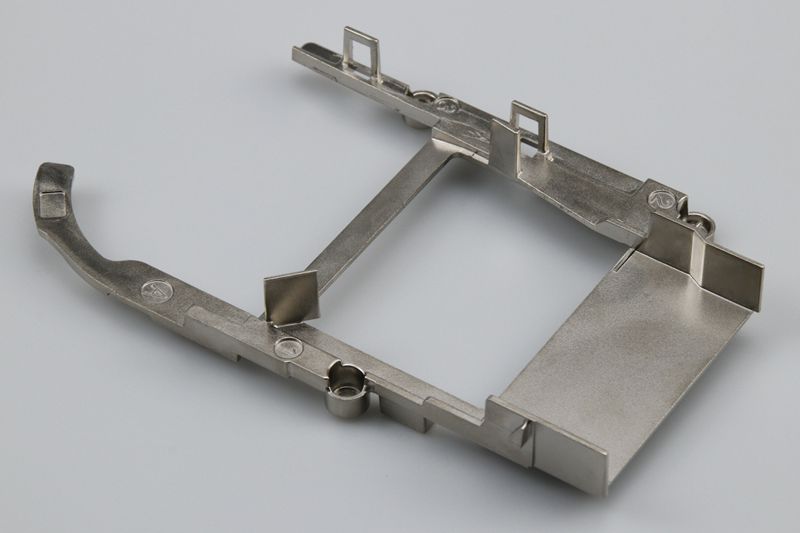
Where Do Aluminum Die Castings Fit In Industrial Manufacturing?
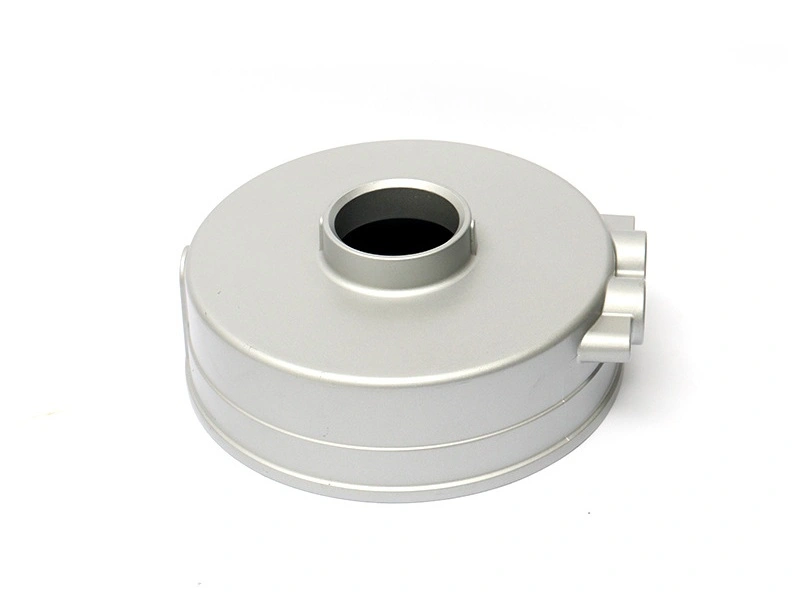
Aluminum die castings fit applications that need a metal part with good shape complexity, repeatable production, and useful strength-to-weight behavior after the casting route is reviewed. In high-pressure die casting, molten aluminum alloy is injected into a steel die, cooled, ejected, trimmed, and then machined or finished when required.
The process is widely used for industrial components because aluminum alloys can form thin walls, ribs, bosses, mounting pads, heat-transfer features, and appearance surfaces in one casting. Buyers often consider aluminum die casting when a machined billet part wastes material, sheet metal cannot form the required shape, or sand casting cannot support the desired feature detail and repeatability.
The buyer decision is not only whether the part can be cast. The buyer should also confirm alloy, wall transitions, draft, ribs, bosses, parting line, gate vestige, ejector marks, machining stock, sealing surfaces, and inspection records before tooling is released.
Which Aluminum Die Casting Alloys Should Buyers Compare?
Aluminum alloy selection affects castability, mechanical behavior, corrosion exposure, machinability, pressure tightness, surface finishing, and cost. Buyers should specify a known alloy where possible or define the operating environment if the alloy is not yet fixed.
Aluminum Alloy Route | Typical Industrial Use | RFQ Confirmation Needed |
|---|---|---|
General housings, brackets, covers, pump bodies, motor parts, and equipment components | Confirm load case, machining surfaces, surface finish, pressure tightness, and inspection scope. | |
Automotive-related parts, electronics housings, lighting bodies, and consumer equipment shells | Confirm regional alloy naming, surface treatment, machining allowance, and dimensional requirements. | |
Components where corrosion exposure or finishing behavior must be considered | Confirm exposure media, coating or anodizing plan, and final appearance requirement. | |
Parts that may need casting route comparison, heat treatment review, or different forming method | Confirm whether die casting, gravity casting, or another route is intended for the drawing. | |
Wear-related aluminum components and parts that require alloy-specific review | Confirm wear contact, machining tool plan, heat exposure, and material availability. |
Alloy names alone do not define the full requirement. The RFQ should identify whether the part needs pressure tightness, electrical grounding, thermal conductivity, cosmetic finishing, thread strength, corrosion resistance, or functional testing.
Which Industrial Parts Are Commonly Aluminum Die Cast?
Aluminum die castings are common in manufacturing because one casting can integrate shape, ribs, bosses, mounting pads, flanges, and thermal features. This integration can reduce machining and assembly when the part design is suitable for die casting.
Industrial Part Type | Application Context | Manufacturing Requirement |
|---|---|---|
Motor housings and gearbox cases | Industrial drives, pumps, power tools, transmission assemblies, and equipment modules | Control bearing seats, sealing faces, bolt pads, rib stiffness, and machining datum surfaces. |
Heat sinks and lighting bodies | LED lighting, power electronics, telecom equipment, and thermal management systems | Review fin filling, thermal path, flatness, surface finish, and coating compatibility. |
Structural brackets and supports | Machinery frames, mounting systems, vehicle components, and equipment supports | Confirm load direction, rib layout, bolt load, fatigue concern, and inspection method. |
Electronics enclosures and covers | Control boxes, sensor bodies, power modules, communication housings, and industrial devices | Control EMI contact areas, gasket surfaces, cosmetic surfaces, threads, and coating thickness. |
Pump, valve, and fluid-control parts | Fluid handling, pneumatic components, hydraulic accessories, and equipment housings | Confirm pressure exposure, leak test, porosity control, sealing surface machining, and media compatibility. |
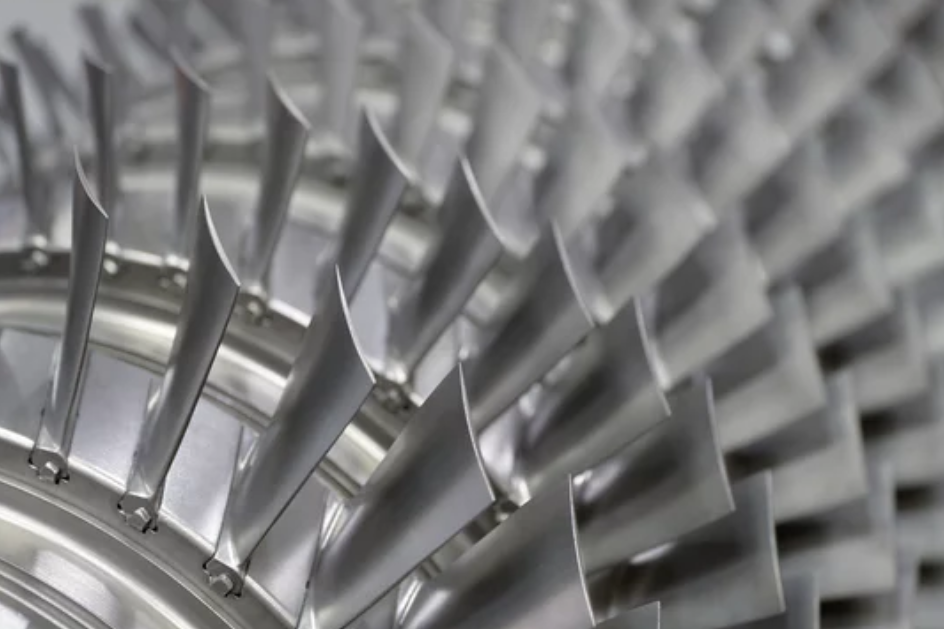
For aerospace, automotive, energy, or other controlled programs, aluminum die castings may be considered only when buyer specifications, qualification requirements, and acceptance criteria are defined. The casting route must be reviewed against the program's validation requirements.
Which Application Requirements Drive Casting Design?
Application requirements should drive the casting design before the die is built. A heat sink prioritizes flow into fins and thermal contact surfaces. A motor housing prioritizes bearing alignment, sealing faces, and vibration behavior. An electronics enclosure prioritizes EMI contact, gasket compression, and cosmetic finish.
Buyer Requirement | Die Casting Design Effect | Manufacturing Review Point |
|---|---|---|
Lightweight structure | Ribs, pockets, thin walls, and local reinforcement may replace solid sections | Check flow, shrinkage, warpage, ejection, and load paths. |
Heat dissipation | Fins, large surface area, flat mounting pads, and material continuity become critical | Check fill pattern, thermal interface flatness, machining, and coating effect. |
Pressure or leak resistance | Sealing surfaces, wall transitions, porosity control, and machining allowance must be reviewed | Define leak test, pressure condition, and acceptance criteria. |
Cosmetic appearance | Gate position, parting line, ejector marks, and polishing or coating plan affect visible surfaces | Mark A-surfaces, texture areas, and allowed blemishes on the drawing. |
Machined assembly interfaces | Datum pads, hole positions, thread areas, and bearing seats need machining stock | Confirm CNC machining datum, fixture plan, and dimensional report. |
When these requirements are defined early, the die casting review can place gates, runners, vents, overflows, parting lines, and ejector pins where they create less functional risk.
How Do Porosity, Shrinkage, And Parting Lines Affect Applications?
Porosity, shrinkage, and parting lines are normal die casting engineering concerns that must be controlled according to the part function. Porosity matters more near sealing surfaces, threaded holes, pressure-exposed areas, and machined faces. Shrinkage and warpage matter more near flat mounting pads, bearing bores, and long thin housings. Parting lines matter more on sealing surfaces, cosmetic surfaces, and assembly interfaces.
Casting Risk | Application Impact | Inspection Or Control Evidence |
|---|---|---|
Gas or shrinkage porosity | Can affect leak resistance, machining surfaces, thread strength, or cosmetic appearance | X-ray, section review, pressure test, leak test, or machining inspection where required. |
Cold shuts or incomplete fill | Can weaken thin ribs, fins, corners, and remote features | Visual inspection, fill simulation review, and first-sample feature verification. |
Warping | Can affect sealing faces, mounting pads, and assembly alignment | Flatness check, fixture check, CMM report, or assembly trial. |
Parting line mismatch | Can affect cosmetic edges, sealing areas, and post-machined features | Parting line standard, machining allowance review, and visual criteria. |
Ejector or gate marks | Can affect appearance, coating, or local machining allowance | Drawing notes for visible surfaces and approved sample comparison. |
Buyers should identify functional surfaces rather than asking for every surface to carry the same risk level. This helps the casting review focus process controls on the surfaces that affect assembly, sealing, heat transfer, or appearance.
When Do Aluminum Die Castings Need CNC Machining Or Surface Finishing?
Many aluminum die castings need CNC machining after casting. Common machined features include threaded holes, bearing bores, sealing faces, flat mounting pads, datum surfaces, O-ring grooves, and connector interfaces. The RFQ should show which dimensions are as-cast and which dimensions are machined.
Surface finishing may be used for corrosion resistance, appearance, conductivity control, sealing, or wear behavior. Common options include deburring, shot blasting, polishing, painting, powder coating, plating, conversion coating, and anodizing cast aluminum when the alloy and surface condition support the requirement.
Finishing affects tolerances and visual acceptance. Buyers should identify masked surfaces, threaded areas, gasket zones, electrical contact areas, and coating thickness requirements before quotation.
How Should Buyers Inspect Aluminum Die Cast Components?
Inspection should match the casting application. A general bracket may need dimensional checks and visual inspection. A sealed housing may need leak testing and machined surface inspection. A thermal component may need flatness, surface condition, and coating review. A safety-related or regulated component may need buyer-specific documentation and approval.
Common inspection evidence includes first article inspection, CMM report, dimensional report, visual inspection standard, thread gauges, go/no-go gauges, leak test, pressure test, hardness test, X-ray inspection, material certificate, coating thickness report, and functional assembly trial. The buyer should define which evidence is required for sampling and production.
Inspection should also cover packaging when machined or coated surfaces are critical. Threads, fins, sealing faces, and cosmetic surfaces can be damaged after inspection if packaging is not aligned with part risk.
What Should An Aluminum Die Casting RFQ Include?
A useful aluminum die casting RFQ should include the CAD model, 2D drawing, alloy, application environment, expected production stage, critical surfaces, machining requirements, finishing requirements, and inspection records. Missing information can lead to wrong alloy assumptions, insufficient machining stock, or late tool changes.
RFQ Information | Why It Matters For Aluminum Die Casting | Buyer Confirmation Needed |
|---|---|---|
3D model and 2D drawing | Defines casting geometry, datum structure, wall transitions, tolerances, and machining areas | Confirm drawing revision, controlled dimensions, and critical surfaces. |
Aluminum alloy requirement | Controls castability, machining, strength behavior, finishing, and corrosion exposure | Confirm alloy standard, equivalent grade, certificate need, and use environment. |
Machining and finishing scope | Affects fixture design, tooling allowance, inspection time, and final appearance | Mark machined surfaces, threads, sealing faces, coating zones, and masked areas. |
Functional testing | Connects casting risk to measurable acceptance evidence | Define leak, pressure, thermal, torque, assembly, or visual test needs. |
Production volume and stage | Influences tooling approach, cavity count, machining fixture, and inspection plan | Confirm prototype, pilot, or production stage and expected order pattern. |
Regulated or buyer-specific requirements | Determines documentation, traceability, sample approval, and qualification responsibilities | State required records and final validation criteria before quotation. |
Aluminum die castings support many industrial applications when the design connects alloy selection, casting geometry, defect control, machining, surface finishing, and inspection. A clear RFQ helps the manufacturing route match the actual part function instead of relying on a generic die casting assumption.
Related FAQs