High-Precision Component Solutions for Consumer Electronics
Consumer Electronics Precision Component RFQ Decision: This article explains how buyers can specify high-precision consumer electronics components made by metal injection molding, powder pressing molding, zinc die casting, CNC machining, and prototyping. The practical RFQ problem is choosing the right process for miniature hinges, buttons, connectors, shielding frames, wearable hardware, earbud parts, phone accessory components, and small housings while defining material grade, tolerance drivers, surface finish, assembly features, and inspection evidence.
Which Consumer Electronics Part Type Is Being Quoted?
Buyers should define the part type before selecting the manufacturing route. A miniature hinge, a metal button, a connector insert, an RF shielding frame, a decorative housing, and a wearable device clasp can look similar in size but require different tooling, material, secondary operations, and inspection controls.
The engineering reason is that consumer electronics parts often combine small geometry with cosmetic surfaces, assembly interfaces, and repeated handling. A housing feature may need stable plating and a controlled visible surface. A connector part may need burr control, datum control, and reliable assembly contact. A hinge part may need wear resistance, pin alignment, and controlled post-processing.
For quotation, the buyer should identify the product application, CAD model revision, 2D drawing, part function, cosmetic zones, assembly mating parts, annual volume expectation, prototype stage, and any buyer-side qualification test. This information helps the supplier compare MIM, PM, zinc die casting, and CNC machining without treating all small electronics parts as the same type of component.
Which Manufacturing Process Fits Miniature Electronics Components?
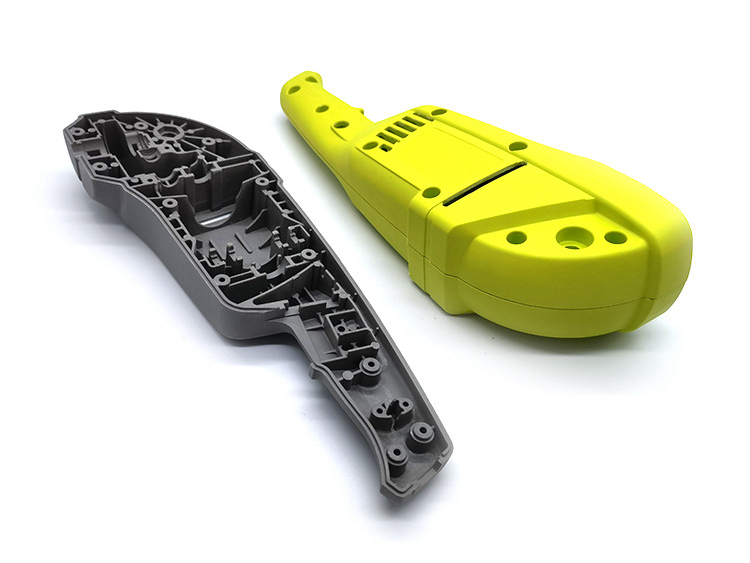
Process selection should follow geometry, feature size, material need, cosmetic requirement, tooling readiness, and production stage. MIM is often considered for small metal parts with complex shapes. Zinc die casting is often considered for small housings and frames. CNC machining and CNC machining prototyping are useful when machined datums, threads, prototypes, or design validation samples are required.
Manufacturing Process | Best-Fit Consumer Electronics Part | RFQ Decision Buyers Should State |
|---|---|---|
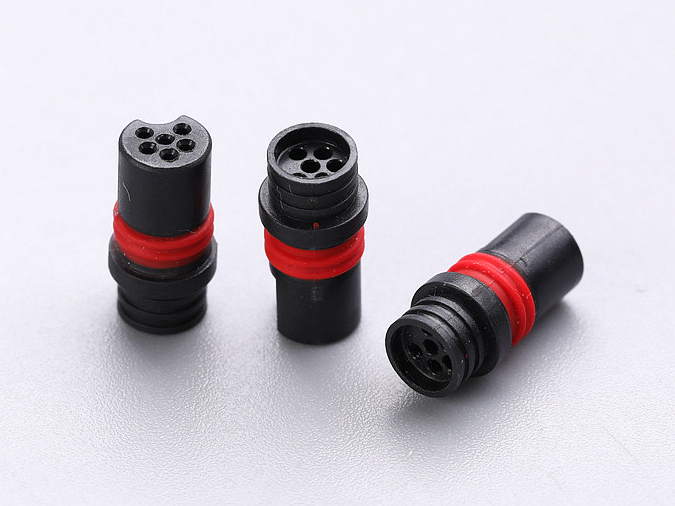
Metal injection molding | Miniature hinges, latch parts, wearable hardware, internal brackets, complex metal buttons, and small mechanisms | Define material grade, sintering-sensitive dimensions, datum surfaces, threads, secondary machining, and inspection plan. |
Powder pressing molding | Simple pressed powder metal parts, magnetic parts, structural inserts, and compact functional features | Define powder material, density target if required, pressing direction, sintering needs, and final functional surfaces. |
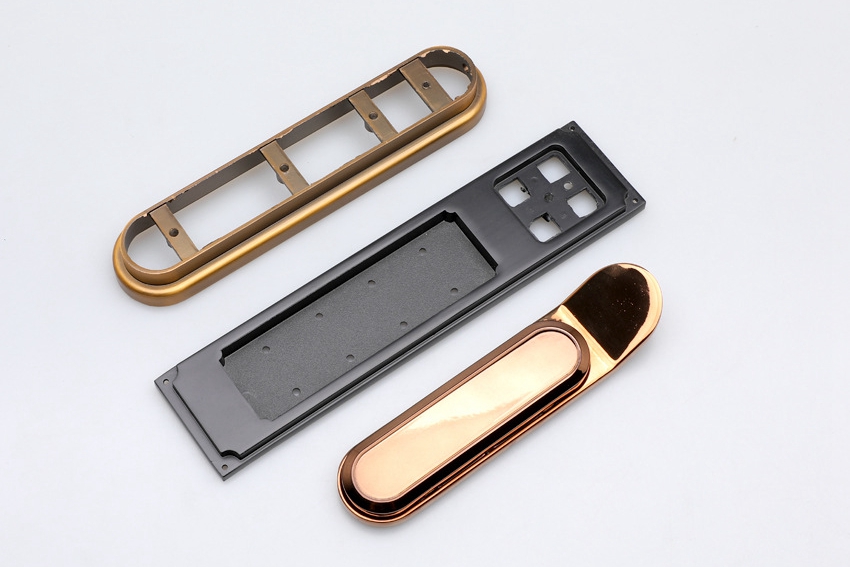
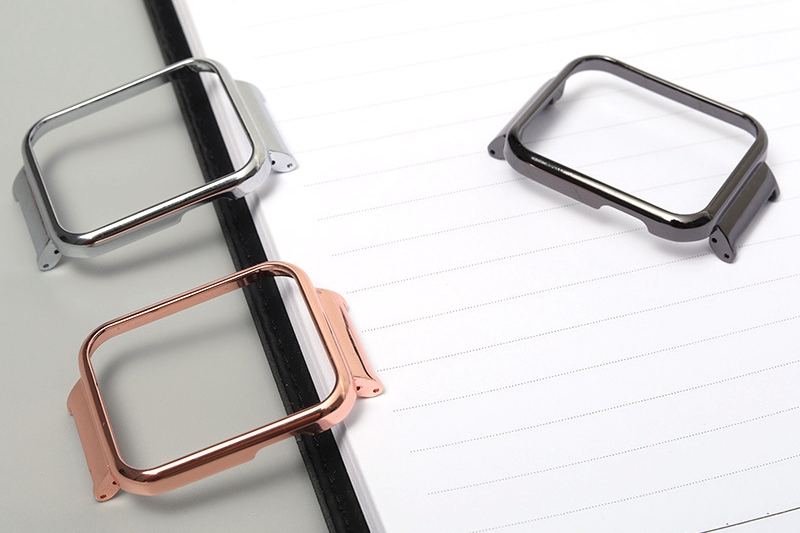
Zinc die casting | Decorative housings, shielding frames, small covers, bezels, handles, and compact accessory components | Define alloy such as Zamak 3 or Zamak 5, visible surfaces, gate-sensitive areas, parting line concern, plating, and assembly features. |
CNC machining and prototyping | Low-volume samples, datum-critical parts, threaded features, prototype housings, fixtures, and validation samples | Define material, critical dimensions, thread callouts, surface finish, quantity stage, and dimensions to report. |
A buyer should not select a process only because the part is small. The RFQ should connect the component function to the manufacturing process, because tooling cost, shrinkage behavior, cosmetic control, and secondary operations vary across MIM, powder pressing molding, zinc die casting, and CNC machining.
Which Materials Should Buyers Specify For Electronics Components?
Material selection should reflect strength, corrosion exposure, magnetic behavior, surface finish, electrical or shielding function, and cosmetic treatment. Consumer electronics RFQs should name the preferred material grade whenever the buyer already knows the final requirement.
Material Entity | Relevant Process | Buyer Requirement To Clarify |
|---|---|---|
MIM stainless steel or low-alloy steel | Metal injection molding | Strength, corrosion resistance, passivation, heat treatment, machined datum surfaces, and sintered dimensional control. |
Powder metallurgy iron, stainless steel, or magnetic material | Powder pressing molding | Pressing direction, density-sensitive properties, sintering route, magnetic requirement, and secondary sizing or machining. |
Zamak 3, Zamak 5, or other zinc alloy | Zinc die casting | Cosmetic plating, visible surface class, dimensional stability, threaded inserts, and parting line location. |
Aluminum, stainless steel, brass, or engineering plastic | CNC machining and prototyping | Prototype purpose, functional load, finish requirement, critical holes, threads, and buyer-side testing method. |
If the material is still open, the buyer should state the required function instead of leaving the RFQ vague. A supplier can then discuss whether a MIM stainless steel part, a zinc die cast part, a pressed powder metal part, or a CNC machined sample is more suitable for the next quotation stage.
How Should Tolerance, Surface Finish, And Assembly Features Be Controlled?
Tolerance control should start with functional dimensions. Buyers should mark datum surfaces, mating holes, hinge pin locations, connector interfaces, screw bosses, clip features, sealing faces, and cosmetic surfaces on the drawing. This prevents a quotation from focusing on noncritical dimensions while missing the features that control assembly performance.
The engineering reason is that each process has a different dimensional risk. MIM parts must consider debinding, sintering shrinkage, and possible secondary machining. Powder pressing molding must consider pressing direction and density variation. Zinc die casting must consider parting lines, ejector marks, draft, gate location, and plating allowance. CNC machining must consider tool access, workholding, burr control, and surface finish.
Important buyer decisions should be direct. If a visible button surface needs polishing, plating, blasting, or brushing, the RFQ should identify the visible face. If a miniature hinge needs a pin hole checked, the RFQ should state the inspection datum and reporting method. If an internal bracket needs only assembly fit, the RFQ should separate fit-critical features from noncritical cosmetic areas.
What Inspection Evidence Should Support Precision Electronics RFQs?
Inspection evidence should match the component risk. Consumer electronics components may require dimensional reports, material confirmation, surface finish review, coating review, thread checks, gauge checks, and assembly fit samples depending on the part function and buyer qualification plan.
Inspection Method | Manufacturing Entity Controlled | RFQ Information Needed |
|---|---|---|
Dimensional inspection | Datums, holes, pin locations, connector interfaces, screw bosses, and mating surfaces | Marked critical dimensions, drawing revision, sample quantity, and required report format. |
Visual and surface finish review | Cosmetic housings, buttons, bezels, covers, and exposed wearable components | Visible zones, acceptable surface condition, finish route, and surface comparison sample if available. |
Material and secondary operation review | MIM parts, PM parts, zinc die castings, machined samples, plated parts, and heat-treated parts | Material grade, post-processing requirement, certificate need if applicable, and buyer-side acceptance method. |
Assembly fit check | Hinges, clips, connectors, covers, shielding frames, and threaded parts | Mating part data, assembly orientation, functional contact surface, and features that must be checked before shipment. |
Final device qualification remains a buyer-side decision. The supplier RFQ package should provide manufacturing evidence for the quoted component, while the buyer defines product-level validation, reliability tests, and acceptance rules for the complete consumer electronics assembly.
What Should Buyers Include In A Consumer Electronics Component RFQ?
A complete RFQ should include the 3D model, 2D drawing, part type, product application, process preference, material grade, surface finish, cosmetic zones, assembly interfaces, tolerance priorities, quantity stage, prototype or production intent, and inspection evidence required for quotation.
Buyers should also identify whether the request is for a prototype sample, a tooling review, a process comparison, or a production quote. Prototyping can support early housing or mechanism validation, while MIM, PM, zinc die casting, and CNC machining may support different production or bridge-production decisions.
The clearest RFQ separates buyer decisions from supplier recommendations. The buyer defines the function, material preference, critical dimensions, cosmetic expectations, and approval method. The supplier can then review manufacturability, tooling direction, secondary operations, and inspection planning for the selected consumer electronics part.
Related FAQs