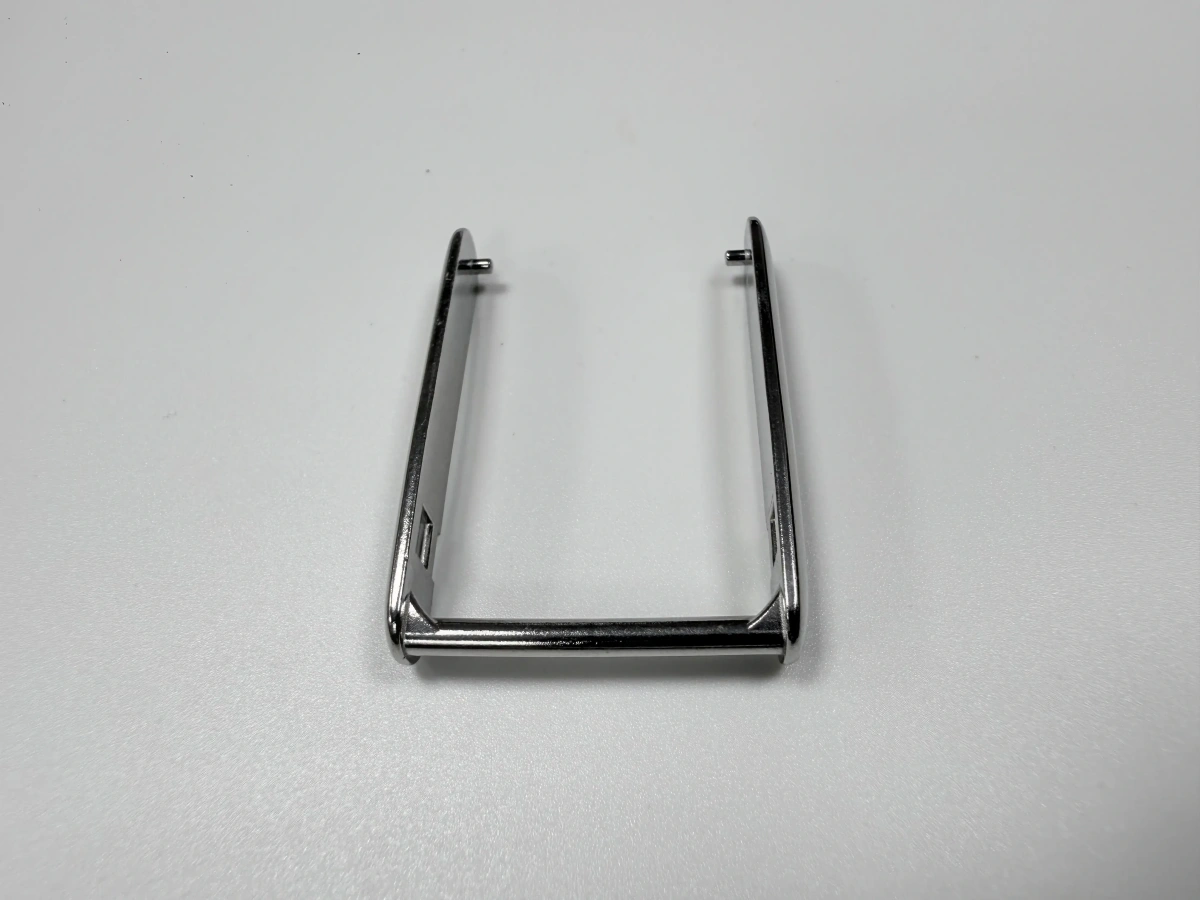
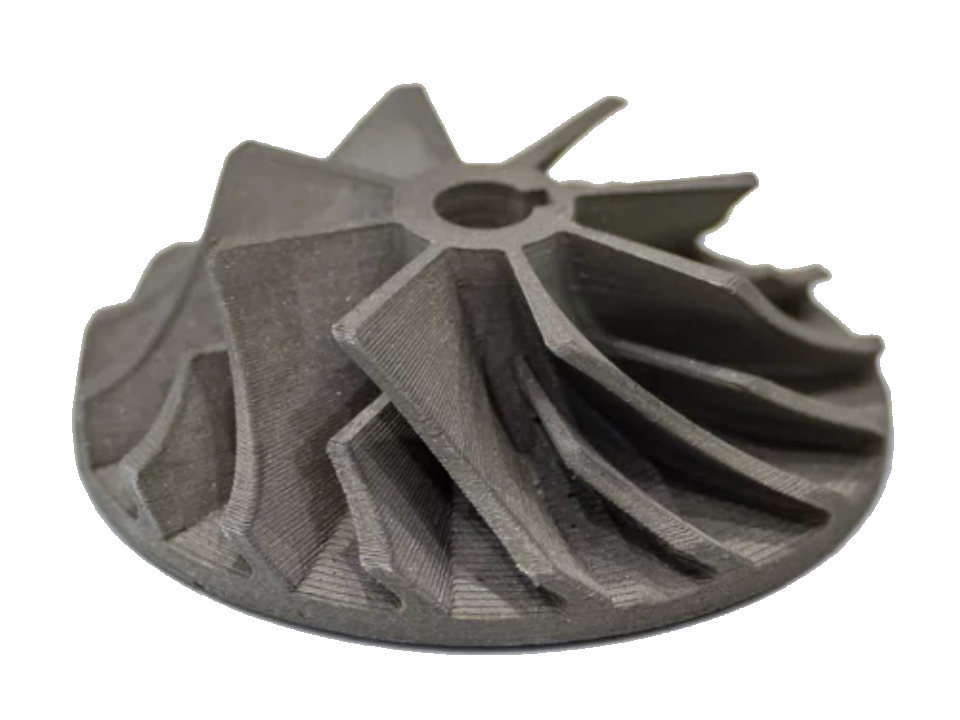
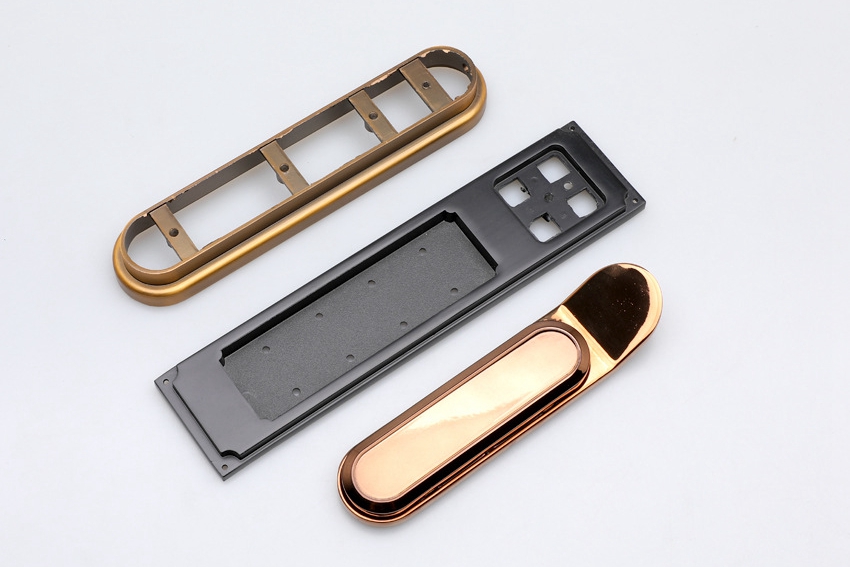
Custom Solutions Across Industries: Versatility of Materials in Laser Cutting Service
Laser Cutting Material Selection RFQ Decision: This article explains how buyers can evaluate laser cutting for carbon steel, stainless steel, aluminum, galvanized steel, copper alloy, brass, and specialty sheet materials used in brackets, panels, covers, enclosures, shims, decorative plates, and industrial flat profiles. The practical RFQ problem is choosing the right material and thickness while still meeting cut accuracy, edge quality, distortion control, surface finish, downstream forming, and inspection requirements.
Material versatility in laser cutting does not mean every material cuts the same way. Each material changes laser type selection, assist gas, kerf compensation, heat input, burr risk, edge condition, nesting plan, and secondary operations. Buyers should define material grade, thickness, quantity, critical features, finish, and downstream process before comparing quotes.
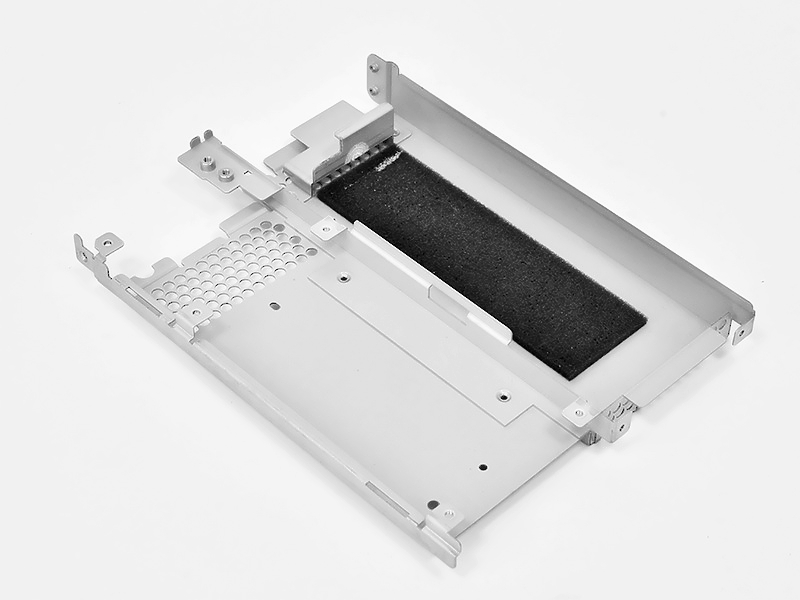
Which Materials Should Buyers Review For Laser Cutting?
Buyers should start with the material's functional purpose. Carbon steel may be selected for structural brackets and equipment plates. Stainless steel may be selected for corrosion exposure, food equipment, medical-adjacent hardware, or clean appearance when the buyer's application requires those properties. Aluminum may be selected for lower weight and good formability. Copper alloy and brass may be selected for electrical, thermal, or decorative functions. Galvanized sheet may be selected where coated steel behavior is needed.
The engineering reason is that each material responds differently to laser energy. Reflective metals, coated surfaces, thick plates, thin sheets, and heat-sensitive profiles create different cutting risks. The buyer should not ask only whether a material can be cut. The buyer should ask whether the material can be cut to the required profile, edge condition, flatness, and downstream process route.
The RFQ should include material grade, thickness, sheet condition, finish side, protective film if used, and any customer material restrictions. When material data is missing, the supplier must make assumptions that can affect accuracy, cost, and delivery.
How Do Material Thickness And Geometry Affect Cut Quality?
Material thickness and geometry directly affect laser cutting accuracy, edge quality, heat input, and distortion. Thin sheets can distort if the profile has narrow webs, long slots, or uneven heat distribution. Thick materials may require different cutting parameters and can show more edge taper or dross risk. Small holes and tight slots may need review against material thickness.
Geometry matters as much as material. Dense perforations, sharp internal corners, narrow tabs, fine decorative details, and long thin contours can be more difficult than a simple outer profile. If the part will be bent after cutting, bend relief, hole-to-bend distance, and grain direction may matter.
The RFQ implication is that buyers should send both a clean CAD file and a dimensioned drawing. The CAD file supports cutting path generation, while the drawing identifies critical tolerances, datums, cosmetic zones, and features that need inspection.
Laser Cutting Material Entity | Buyer Question | RFQ Detail To Define | Manufacturing Implication |
|---|---|---|---|
Carbon steel sheet | Is the part structural or general industrial hardware? | Grade, thickness, flatness, coating or painting need | Edge condition and downstream finishing should be quoted |
Stainless steel sheet | Is corrosion resistance or appearance important? | Grade, finish side, cosmetic zones, passivation or polishing need | Surface protection and edge discoloration requirements may matter |
Aluminum sheet | Is lower weight or forming behavior part of the design? | Alloy, temper, thickness, bend or weld requirement | Heat input, burr risk, and distortion need review |
Copper alloy or brass sheet | Does the part need conductivity, thermal behavior, or appearance? | Alloy, surface condition, small features, finish expectation | Reflectivity and edge quality may affect process selection |
Galvanized sheet | Does the coating need to remain functional after cutting? | Coating type, edge requirement, corrosion exposure | Cut edges and post-cut protection should be reviewed |
Which Laser Type And Assist Gas Questions Belong In The RFQ?
Laser type and assist gas should be selected from material, thickness, edge requirement, and production volume. Fiber laser cutting is often reviewed for metals, while CO2 laser cutting may be relevant for some non-metal or specific material requirements. The buyer does not need to prescribe the machine in every RFQ, but the buyer should provide enough part requirements for the supplier to choose the proper route.
Assist gas can affect edge oxidation, dross, speed, and surface condition. If the part needs a clean edge for welding, coating, or cosmetic use, the buyer should state that need. If a slight oxide edge or secondary cleanup is acceptable, the supplier can quote accordingly.
The practical buyer decision is to define outcomes rather than only equipment names. Material, thickness, edge quality, downstream process, and inspection requirement are more useful than a generic request for laser cutting.
How Should Industries Match Materials To Laser Cut Parts?
Industry use should be translated into part requirements. Electronics and electrical buyers may focus on thin metal shields, conductive copper alloy parts, slots, and small mounting holes. Equipment buyers may focus on carbon steel brackets, panels, covers, and guards. Food, medical-adjacent, or clean equipment buyers may focus on stainless steel grade, edge condition, and cleanability. Transportation and energy buyers may focus on aluminum or steel profiles that balance weight, strength, and fabrication route.
These examples are not automatic approvals for any regulated application. The buyer should define application standards, inspection criteria, and validation responsibility. Laser cutting can produce the blank or profile, but final suitability depends on material certification, downstream processes, assembly, and customer acceptance.
The RFQ should identify the final use enough for the supplier to protect critical features. A decorative panel, a structural bracket, and an electrical contact part need different material and edge-quality priorities.
How Do Downstream Processes Change Material Selection?
Laser cutting is often one stage in a wider manufacturing route. Sheet metal fabrication may add bending, welding, tapping, inserting, surface finishing, and assembly. A material that cuts cleanly may still be a poor choice if it cracks during bending, warps during welding, or fails the required surface finish.
Buyers should state downstream operations in the RFQ. Bend lines, weld edges, tapped holes, countersinks, PEM inserts, coating, powder coating, polishing, and packaging can all affect material choice and cutting strategy. If a part has critical holes near a bend, the supplier may need to review bend allowance and feature placement before cutting.
When the part has three-dimensional machining features, CNC machining prototyping may be part of the comparison. When the material is thick and precision edge quality is less critical, plasma cutting may also be reviewed.
Which Inspection Criteria Support Multi-Material Laser Cutting?
Inspection should match material and function. A stainless steel visible panel may need visual inspection and surface protection. A carbon steel bracket may need hole position checks and flatness review. An aluminum formed part may need post-bend inspection. A copper alloy electrical part may need edge quality and burr control.
The buyer should specify which dimensions require reports, which surfaces are cosmetic, and which features are functional. Optical measurement, CMM inspection, calipers, gauges, visual standards, or functional fit checks can all be used depending on the part requirement.
Inspection scope should be realistic. A full dimensional report on every profile may not be necessary, while critical hole patterns or mating edges may need tighter review. Clear inspection scope helps the supplier quote fairly and avoid missing important features.
Buyer Requirement | Material Or Process Risk | RFQ Information Needed | Inspection Implication |
|---|---|---|---|
Visible finished panel | Scratches, discoloration, edge marks | Finish side, cosmetic zones, packaging requirement | Visual inspection and surface protection may be needed |
Precision mounting bracket | Hole position and flatness variation | Datums, critical dimensions, bend or weld sequence | Dimensional inspection should focus on assembly features |
Conductive copper alloy part | Burrs, edge quality, heat marks | Alloy, conductivity need, edge acceptance criteria | Edge and burr inspection may be more important than appearance |
Formed aluminum blank | Distortion or bend cracking | Alloy, temper, bend line, grain direction if relevant | Post-form inspection may be required |
What Should A Material-Focused Laser Cutting RFQ Include?
A material-focused laser cutting RFQ should include the CAD file, 2D drawing, material grade, thickness, quantity, finish side, protective film or coating, critical profiles, smallest holes and slots, edge quality, burr allowance, flatness requirement, downstream bending or welding, finishing, inspection method, packaging, and delivery requirements. If the buyer is unsure about material, the RFQ should state the functional requirement so the supplier can recommend a route.
The buyer should also separate must-have requirements from preferences. Required items may include material grade, thickness, datums, and inspection criteria. Preferences may include cosmetic finish, packaging approach, or alternate material options. That separation helps the supplier suggest practical choices without changing the part's function.
Laser cutting is versatile because it can match different materials to different part functions. The strongest buyer decision connects material selection, cutting parameters, downstream fabrication, and inspection before production begins.
Related FAQs
What types of materials can be processed using laser cutting?
What are the precautions when selecting laser cutting services?
What are the main differences between CO2 and fiber laser cutting?
What measures can reduce distortion in laser cutting processes?
Why is laser cutting preferred over mechanical cutting in precision manufacturing?