Advanced Aerospace High-Temperature Component Manufacturing
Aerospace High-Temperature Component RFQ Decision: This article explains how buyers can specify aerospace high-temperature components made with investment casting, ceramic injection molding, CNC machining, prototyping, 3D printing prototyping, coatings, and inspection routes. The practical RFQ problem is matching superalloys, ceramic materials, cooling features, surface treatments, dimensional inspection, fatigue testing, and buyer qualification requirements to the actual high-temperature part function.
Which Aerospace High-Temperature Parts Need Process Review?
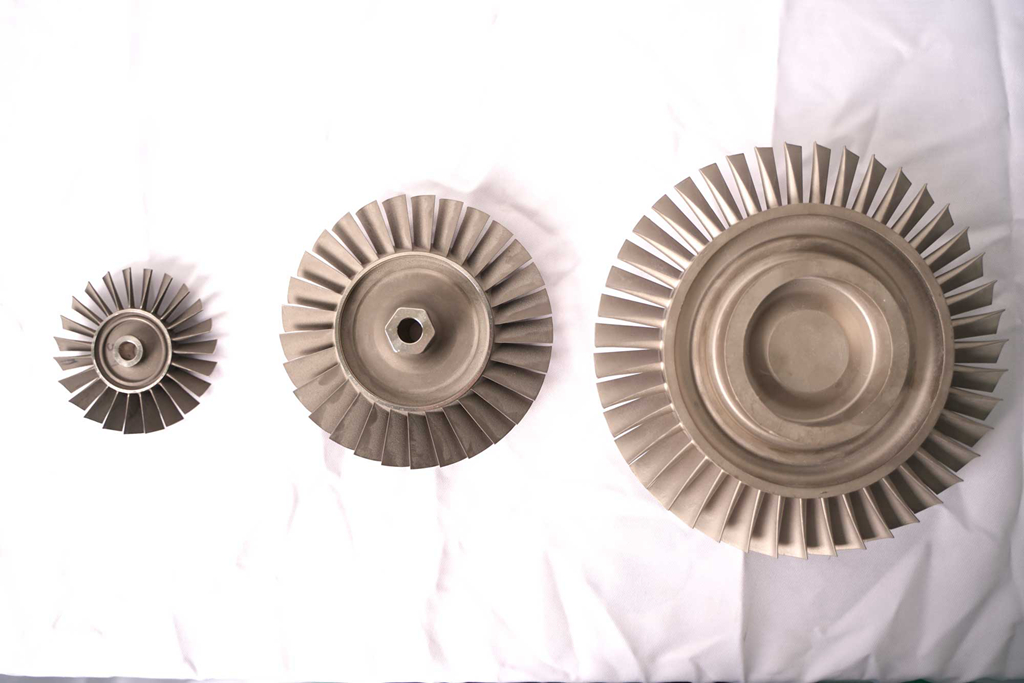
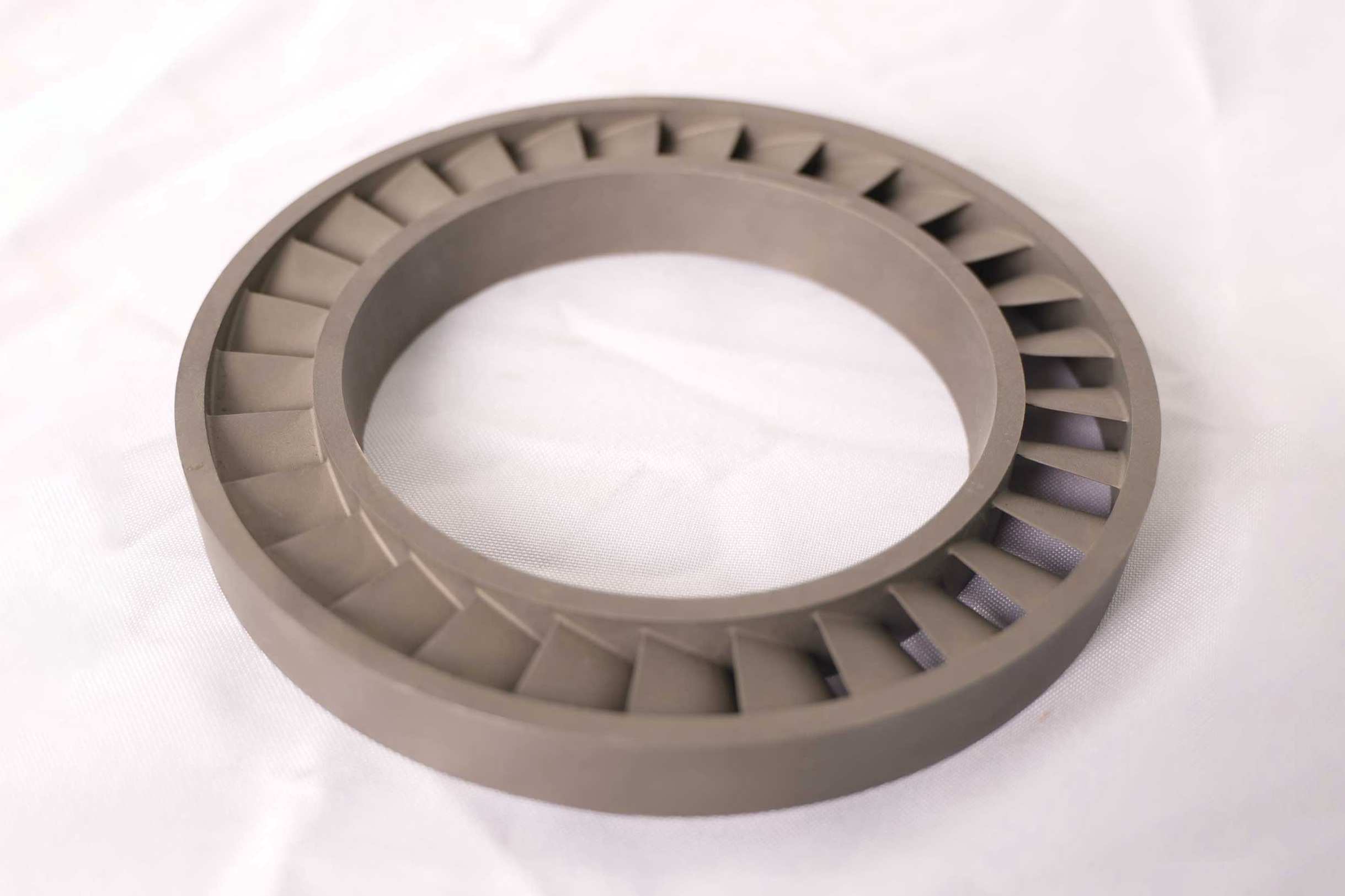
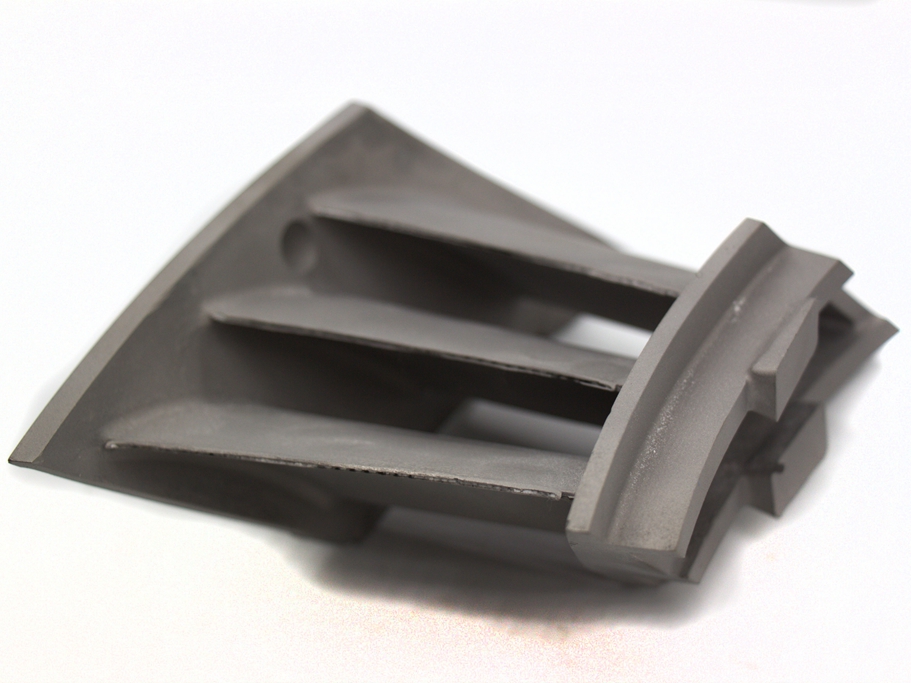
Buyers should request a process review when an aerospace component operates under buyer-defined temperature, load, vibration, oxidation, thermal cycling, or cooling requirements. Common part types include turbine-related castings, heat shields, combustor-related hardware, sensor housings, ceramic insulators, brackets, manifolds, and prototype test components.
The engineering reason is that high-temperature performance depends on the combination of material, geometry, process route, heat treatment, coating, inspection, and system validation. A material name alone does not define whether the component can meet the buyer's application requirement.
For quotation, the buyer should provide drawings, models, material specification, temperature exposure, load case, surface condition, coating requirement, inspection plan, and approval responsibility. This helps the supplier review manufacturability without implying final aerospace qualification.
How Should Buyers Match Material To Manufacturing Route?
Material selection should be matched to the component function and manufacturing route. Superalloys, titanium alloys, stainless steels, ceramic materials, and ceramic-metal combinations can create different casting, machining, forming, coating, and inspection risks.
High-Temperature Material Entity | Relevant Part Requirement | RFQ Detail Buyers Should Provide |
|---|---|---|
Nickel-based or cobalt-based superalloy | Turbine-related castings, hot-section brackets, and high-temperature metal hardware | Alloy grade, heat treatment, coating, inspection class, and traceability requirement. |
Titanium alloy | Lightweight structural parts where temperature and load are buyer-defined | Grade, machining requirements, surface condition, inspection plan, and application boundary. |
Ceramic material | Insulators, wear parts, thermal barriers, and components requiring electrical or thermal behavior | Material type, forming route, sintering condition, dimensional tolerance, and test evidence. |
Coated metal component | Parts exposed to oxidation, wear, or thermal cycling | Coating type, coating thickness requirement, masking areas, adhesion test, and inspection method. |
The buyer should identify whether material is fixed by a specification or open to supplier recommendation. This decision changes the manufacturability review.
Which Manufacturing Routes Fit High-Temperature Components?
The manufacturing route should be selected from geometry, material, production stage, surface requirement, and inspection evidence. Aerospace high-temperature components often require more than one route, such as investment casting followed by machining, coating, and inspection.
Manufacturing Route | Best-Fit Aerospace Component Need | Buyer Decision Point |
|---|---|---|
Investment casting | Complex metal geometries, thin walls, internal passages, and superalloy castings | Confirm alloy, casting defect criteria, machining allowance, heat treatment, and inspection scope. |
Datum surfaces, tight interfaces, holes, slots, and prototype or production metal parts | Confirm material, datums, tolerances, surface finish, and inspection report. | |
Ceramic injection molding | Small ceramic parts, insulators, wear components, and complex ceramic geometries | Confirm ceramic material, shrinkage risk, sintering route, and dimensional inspection. |
Design iteration, complex prototype geometry, and early thermal or assembly studies | Confirm prototype purpose, material simulation limits, inspection plan, and validation test. |
The RFQ should state whether the route is fixed by the buyer or open to supplier review. A route that works for a prototype may not be the final production route.
Which Coatings And Secondary Operations Should Be Defined?
Coatings and secondary operations should be specified early because they can affect dimensions, surfaces, masking, inspection, and final assembly. High-temperature parts may need heat treatment, grinding, coating, polishing, shot peening, cleaning, or nondestructive inspection before release.
Buyers should define coating function rather than only coating name. The coating may be intended for oxidation resistance, thermal barrier behavior, wear reduction, surface insulation, or corrosion exposure. Each function needs different acceptance evidence.
The RFQ should also define which surfaces are coated, masked, machined after coating, or inspected after coating. Coating thickness can affect mating faces, sealing surfaces, cooling holes, and threaded features.
What Inspection And Validation Evidence Should Buyers Request?
Inspection should match the high-temperature component's risk. Dimensional inspection, elemental analysis, internal defect review, surface inspection, coating inspection, and fatigue testing may all be relevant depending on the part.
Evidence Entity | Relevant Method | Buyer Decision Supported |
|---|---|---|
Dimensions and datums | Confirm critical interfaces, hole positions, and GD&T requirements. | |
Alloy composition | Verify alloy identity and batch traceability when required. | |
Internal defects | Review porosity, cracks, inclusions, or internal passages in critical zones. | |
Structural behavior | Support buyer validation under defined loads, fixtures, and acceptance criteria. |
Inspection evidence should be defined before production. If the buyer waits until after manufacturing to request a new test, cost and schedule risk usually increase.
How Should Buyers Define Aerospace Qualification Boundaries?
Buyers should separate manufacturing capability from aerospace qualification. A supplier can review process route, material availability, machining feasibility, coating sequence, inspection evidence, and test support. The buyer's engineering or customer authority should define final qualification, flight use, regulatory acceptance, or customer-specific approval.
A complete RFQ should include the drawing revision, material standard, process route, operating conditions, inspection plan, documentation package, traceability requirement, and approval hold points. If the component is still in development, the buyer should state which requirements are fixed and which are open to manufacturing feedback.
This structure helps the supplier provide practical support for aerospace component manufacturing while keeping final application decisions with the buyer's program.
Related FAQs