Functional Prototype Service for Engineering Validation and Product Testing
For engineering teams developing new products, functional prototype service is used when a sample must do more than look correct. A functional prototype is built to verify whether a part or assembly can actually work under real or near-real operating conditions. That may include dimensional fit, load response, thermal behavior, sealing performance, wear resistance, electrical insulation, motion reliability, or other product-specific requirements that a visual model cannot prove.
This is the key difference between appearance validation and engineering validation. A visual sample may confirm shape, proportion, and general appearance, but it often cannot confirm whether a threaded area will hold torque, whether a housing will seal correctly, whether a metal structure will deform under load, or whether a thermal part will dissipate heat as intended. Functional prototyping services therefore focus on material realism, process suitability, critical machining features, and inspection planning. The goal is not simply to print or machine a model. The goal is to generate prototype evidence that supports production decisions.
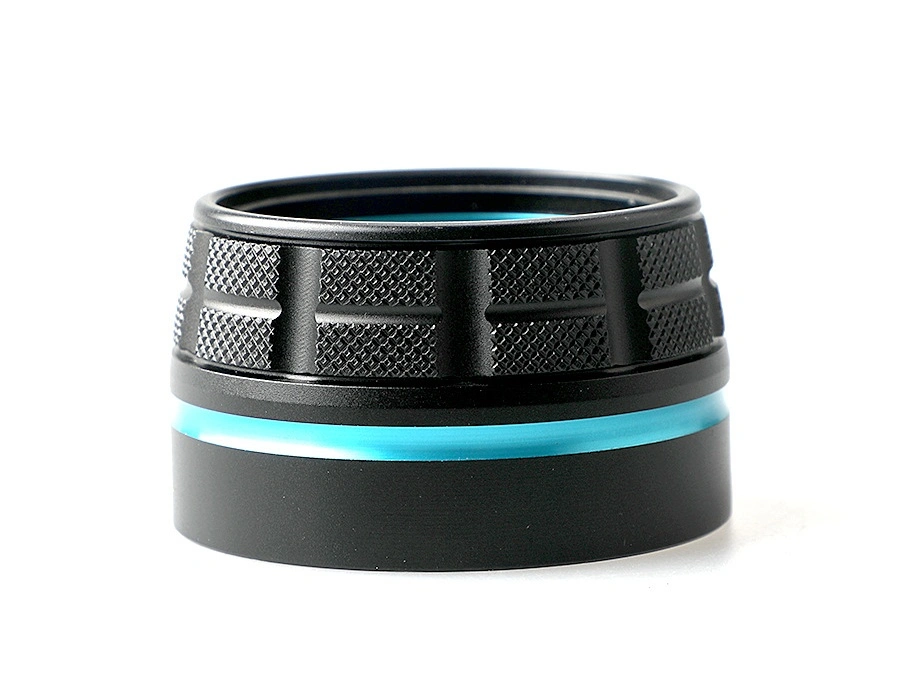
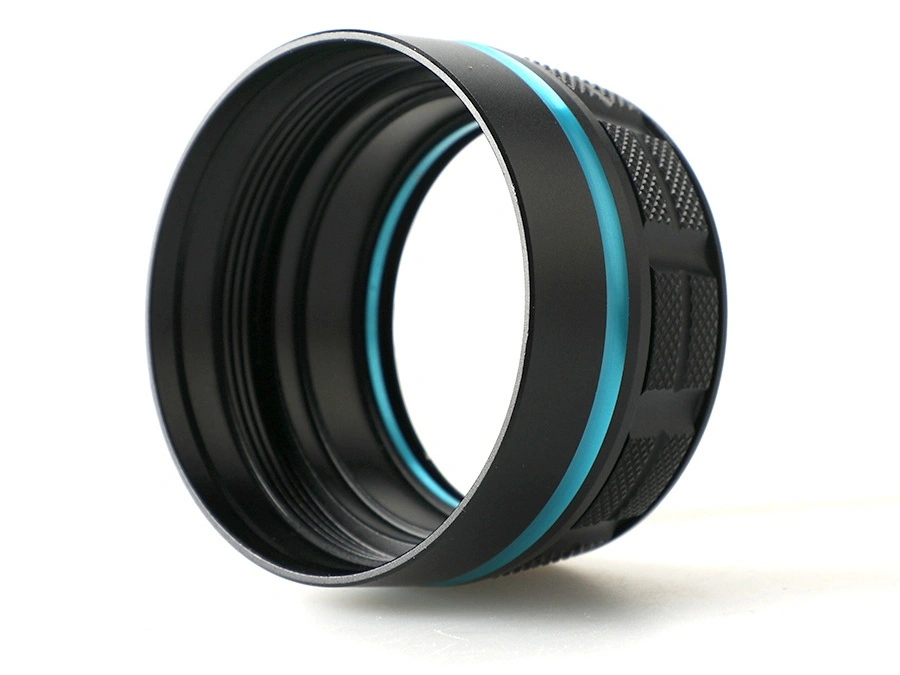
What Is a Functional Prototype?
A functional prototype is a prototype made to validate actual performance rather than only shape or appearance. It is used to test whether the part can operate in a realistic way under the conditions it is expected to face in the final product. Depending on the application, this may involve checking dimensional accuracy, assembly behavior, load-bearing performance, thermal transfer, sealing, wear, motion, conductivity, insulation, or environmental durability.
This makes functional prototype parts fundamentally different from visual mockups. A visual prototype may be acceptable in plastic or simplified material if the goal is only to review form. A functional prototype, however, often needs to be made in the same material family as the final product, or at least in a material that behaves similarly enough to support meaningful engineering testing. It may also need machining, heat treatment, coatings, anodizing, passivation, polishing, or other post-processing so the test result reflects real product conditions more accurately.
In other words, a functional prototype is not defined by how it is made. It is defined by what engineering question it must answer before production begins.
When Do Buyers Need Functional Prototyping Services?
Buyers need functional prototyping services when the project includes risks that cannot be evaluated by appearance alone. One common case is a complex assembly in which fit, tolerance chain behavior, screw engagement, or moving relationships must be checked physically. Another is a part that will experience load, impact, vibration, wear, or repeated operation in service. In those cases, the prototype must reflect the mechanical behavior of the intended product rather than only its geometry.
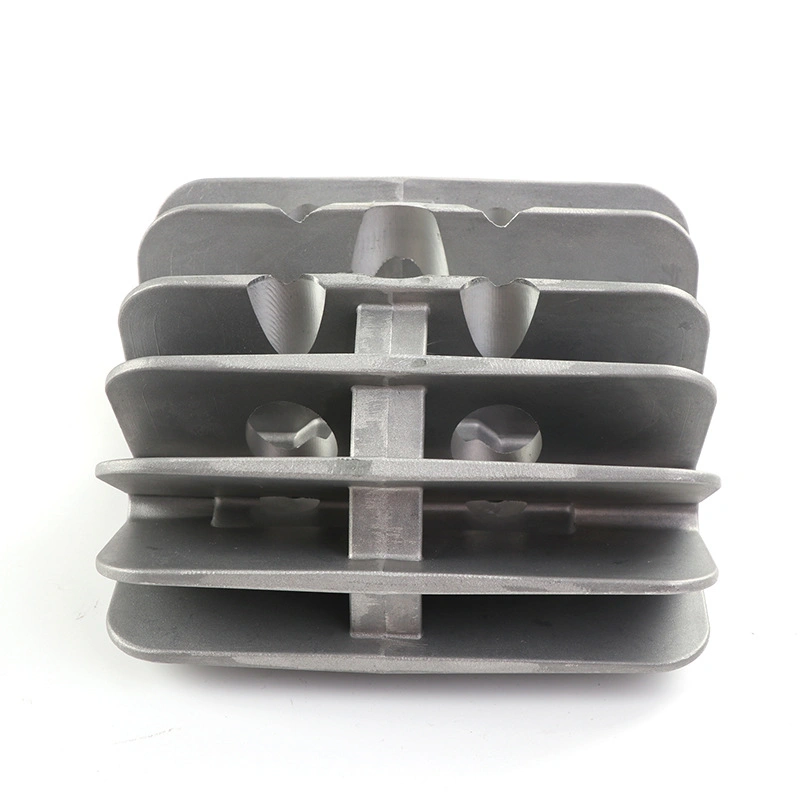
Functional prototyping is also important when the part is related to thermal management, sealing, electrical performance, fluid handling, or motion systems. If the design includes heatsink features, gasket interfaces, rotating elements, snap fits, inserts, or channels for fluid or air, then the prototype must usually be built for actual testing rather than display. It is also valuable before mold investment or production launch, because it helps reduce the risk of tooling rework, assembly failure, or downstream customer rejection. In some projects, buyers also need a small quantity of engineering samples for customer qualification, certification review, or market testing before full production approval.
Choosing Materials for Functional Prototype Parts
Material selection is one of the most important decisions in functional prototyping because the wrong material can make the test result misleading. The prototype material should be chosen according to the function being validated. If the part needs lightweight structural verification or thermal testing, aluminum may be appropriate. If the application requires corrosion resistance, strength, or industrial durability, stainless steel may be more suitable. If conductivity or heat transfer matters strongly, copper alloys may be needed. If the part is an insulated housing or lightweight structural polymer component, engineering plastics may be the better direction. For high-temperature or advanced structural requirements, titanium alloys or high-temperature nickel-based materials may be considered.
A good prototype program therefore starts from the intended use condition rather than from material convenience. Buyers comparing options can use materials available for custom parts to align prototype material with the final engineering target. In projects involving lightweight metal validation, aluminum prototyping may be useful when low mass and thermal behavior are part of the evaluation. In projects involving stronger corrosion-resistant metal structures, stainless steel injection molding can also be relevant in broader production-path evaluation when the final route is powder-based rather than machined or printed.
Material Selection Logic for Functional Prototypes
Material Direction | Typical Validation Purpose |
|---|---|
Aluminum alloys | Lightweight structure, thermal behavior, enclosure testing |
Stainless steel | Strength, corrosion resistance, industrial or medical structures |
Copper alloys | Conductivity, heat transfer, connection features |
Engineering plastics | Insulation, lightweight housings, structural plastic validation |
Titanium or high-temperature alloys | High-temperature, aerospace, or advanced strength validation |
Manufacturing Methods for Functional Prototypes
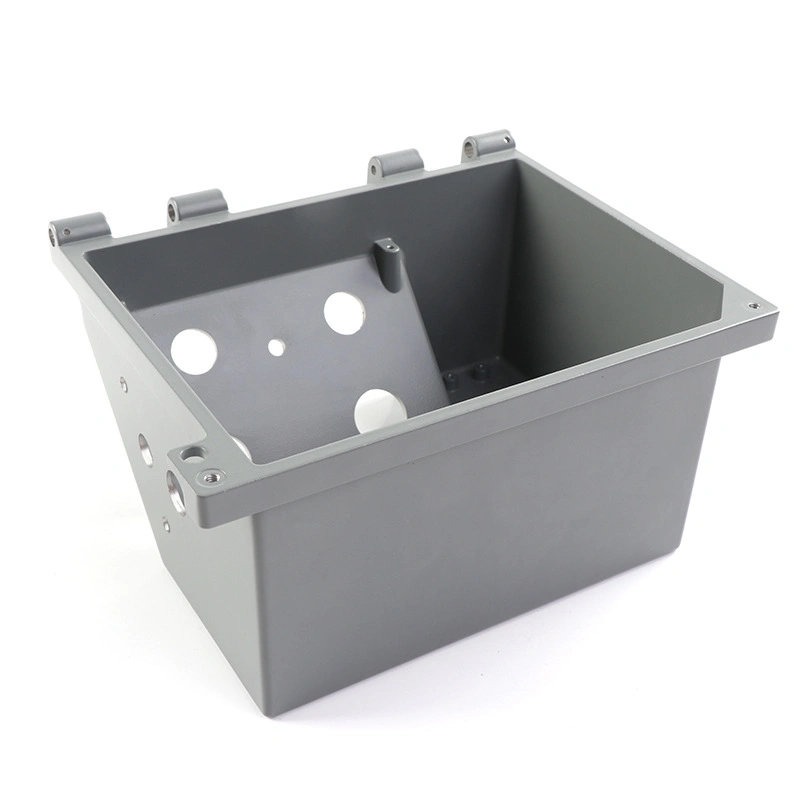
The right manufacturing method depends on what the prototype needs to validate. For high dimensional accuracy and real-material testing, CNC prototyping service is often the best choice. CNC is especially useful when the project needs precise holes, threads, sealing faces, flatness, datum control, and actual engineering material performance. For complex geometry, internal channels, or faster design iteration, 3D printing prototyping service may be the better route, particularly when geometric validation is more important than perfect surface finish.
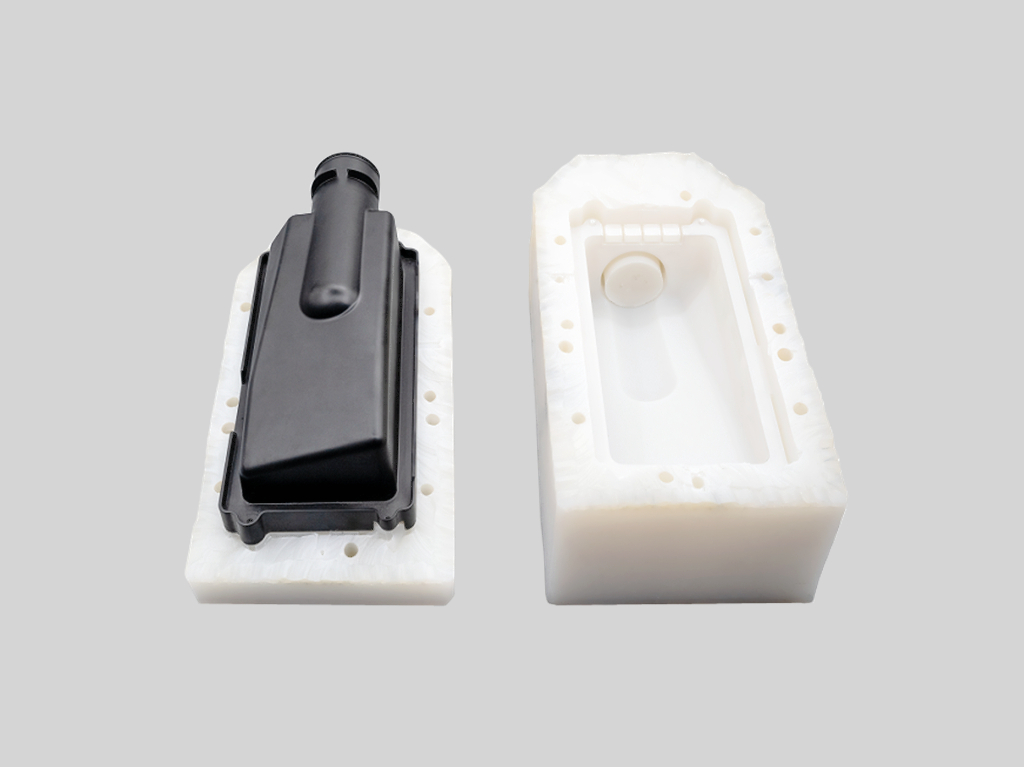
For plastic or elastomer parts that need near-production validation, rapid molding prototyping can be more meaningful than machining or printing. When the final part will be a cast component, a casting-based validation route may better reveal wall thickness, feeding, distortion, and finishing risks than a fully machined sample. For housings, brackets, bent structures, and enclosure components, sheet metal fabrication may be the correct prototype method rather than forcing the design into a solid-part prototype process. Small complex metal or ceramic parts that may later go into MIM or CIM should also be evaluated with the production path in mind, because the prototype must help assess shrinkage, sintering response, and post-processing feasibility, not only geometry.
This is why engineering prototype service should always begin with the test objective. The correct process is the one that answers the most important production or performance question before launch.
Process Selection for Functional Prototype Parts
Prototype Need | Recommended Method |
|---|---|
High-accuracy real-material validation | CNC machining |
Complex structure and fast iteration | 3D printing |
Plastic or rubber production-like validation | Rapid molding |
Casting-risk evaluation | Casting prototype |
Brackets, panels, bent housings | Sheet metal fabrication |
Small complex powder-based parts | MIM / CIM evaluation |
Testing and Inspection for Functional Prototypes
Functional prototypes create value only when the correct testing and inspection plan is defined. Dimensional inspection is usually the first step, because it confirms whether critical sizes, holes, threads, datums, and assembly faces are actually within the intended design logic. Buyers can refer to dimensional inspection for custom parts when planning this stage.
After that, assembly testing verifies fit, clearance, fastener engagement, snap features, and moving relationships. Surface and finish validation then checks whether the prototype can support coatings, anodizing, passivation, polishing, or other surface treatments in a way that is representative of the final product. Depending on the application, thermal or mechanical testing may also be required to evaluate heat dissipation, load, fatigue response, impact resistance, deformation, or sealing integrity. The last step is the prototype feedback loop, where the design is updated according to test results before a second prototype round or production planning begins.
Functional Prototype Validation Modules
Validation Module | Main Purpose |
|---|---|
Dimensional inspection | Check critical sizes, threads, holes, and reference faces |
Assembly testing | Verify fit, clearance, fastening, and motion relationships |
Surface and finish validation | Confirm coating and post-processing feasibility |
Thermal or mechanical testing | Evaluate heat, load, fatigue, impact, or deformation |
Prototype feedback loop | Use test results to update design before production |
How Functional Prototypes Support Production Decisions
Functional prototypes support production decisions because they answer questions that drawings alone cannot resolve. They help confirm whether the selected material is appropriate, whether the part contains assembly interference or tolerance risk, whether the wall thickness and reinforcement strategy are realistic, and whether machining or post-processing zones are planned correctly. They also help teams decide whether the design is mature enough to justify mold development or whether more revision is needed first.
From a procurement perspective, functional prototype testing also improves quoting accuracy. Once the prototype reveals real machining needs, finishing challenges, assembly behavior, and risk areas, buyers can estimate production cost, lead time, and launch risk more realistically. This reduces the chance of moving into tooling based on incomplete assumptions. In that sense, prototype testing service is not only a technical step. It is also a decision-support stage for engineering, purchasing, and production planning.
FAQ
What is the best process for metal parts prototype manufacturing?
How do prototype metal parts reduce production risk before tooling?
What is the difference between a visual prototype and a functional prototype?
What tests should be performed on functional prototype parts?
Is CNC machining or 3D printing better for rapid metal prototypes?
What files and specifications are needed for custom 3D prototyping services?
How does Neway support the transition from prototype to mass production?
What information should buyers provide for an accurate prototype quote?