Functional Prototype Services for Custom Metal and Plastic Parts
Functional Prototype RFQ Decision: This article explains how buyers can specify functional prototype services for custom metal and plastic parts before production tooling or recurring production. The part types include machined metal prototypes, plastic housings, die-cast validation samples, 3D printed prototypes, rapid molded parts, brackets, enclosures, connectors, and mechanism parts. The practical RFQ problem is deciding which prototype process, material, tolerance, surface finish, and test evidence should be quoted before the buyer validates fit, motion, load, heat transfer, assembly behavior, and production readiness.
A functional prototype should answer a real engineering question. A visual model may only confirm shape and appearance, while a functional prototype should support fit, movement, load, thermal, electrical, fluid, or assembly review. Buyers should define the validation goal before requesting a quote, because process choice and material choice depend on what the prototype must prove.
What Makes A Prototype Functional Instead Of Visual?
A functional prototype is built to test behavior, not only appearance. It may need the correct material family, critical dimensions, moving interfaces, heat path, mounting features, threads, inserts, surface finish, or assembly clearances. A visual prototype can help review form and presentation, but it should not be used as evidence for load, wear, thermal, or production performance unless the material and process support that purpose.
The RFQ should state the validation goal. Buyers should say whether the prototype is for fit check, motion check, load testing, thermal testing, sealing review, ergonomic handling, surface finish review, or pre-production route comparison. That direct statement helps the supplier recommend CNC machining, 3D printing, casting, rapid molding, or a hybrid prototype route.
Prototype Goal | Process Route To Review | RFQ Risk To Clarify | Evidence To Request |
|---|---|---|---|
Assembly fit and datum review | CNC machining prototyping | Critical dimensions, mating parts, surface finish | Dimensional report and fit check |
Complex geometry and lightweight concept | 3D printing prototyping | Material difference from production, surface and strength limits | Feature review and functional test notes |
Plastic housing or molded feature review | Rapid molding prototyping | Material, tool life, surface, shrinkage, parting line | Sample report and molding feedback |
Metal casting or tooling validation | Casting prototype or rapid tooling | Draft, wall thickness, machining allowance, defect risk | First article report and casting review |
Which Prototype Process Fits Metal Parts?
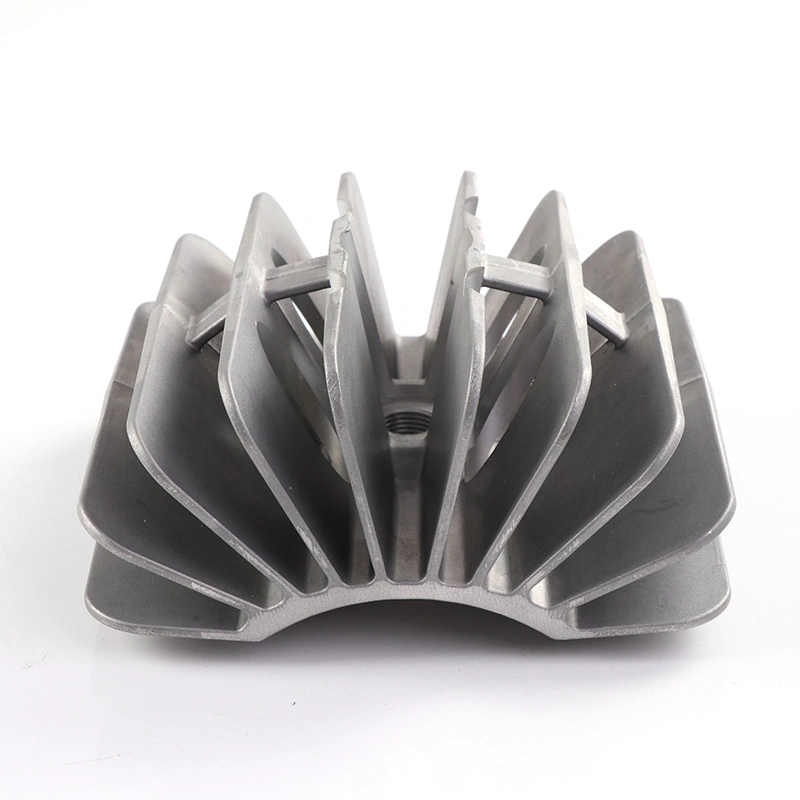
Metal prototype process selection should be based on the feature being tested. CNC machining is useful for metal fit, datums, bores, threads, sealing faces, and functional surfaces. 3D printing can support complex metal forms and early design exploration when the buyer understands material and surface differences. Casting or rapid tooling can support a closer review of production casting geometry and machining allowance.
Buyers should identify whether the prototype must match the final material or only approximate shape and fit. Helpful references include CNC machining prototyping, 3D printing prototyping, and metal parts prototype manufacturing route comparison.
Which Prototype Process Fits Plastic Parts?
Plastic prototype process selection depends on whether the buyer needs appearance, mechanical behavior, assembly fit, or molded-feature feedback. 3D printing can support early shape and enclosure reviews. CNC machining can support plastic fit and fixture parts when stock material is suitable. Rapid molding can support molded geometry, gate or parting line review, and material behavior closer to a production injection molded part.
The RFQ should specify material candidates, surface finish, wall thickness, snap fits, screw bosses, inserts, sealing features, and visible surfaces. Buyers can reference rapid molding prototyping, manufacturing methods for custom thermoplastic parts, and custom plastic injection molding services when comparing plastic prototype routes.
What Tolerances, Surfaces, And Tests Should Be Defined?
Tolerance requirements should be tied to the prototype purpose. A fit prototype may need tight datums and mating holes. A motion prototype may need sliding surfaces and pivot control. A thermal prototype may need material and surface conditions close enough to support the buyer's test. A load prototype may need material behavior, section thickness, and process route considered before testing.
Surface finish should also match the test. A cosmetic review, sealing surface, sliding contact, and coating sample do not require the same evidence. The RFQ should state which tests remain under buyer validation and which supplier inspection records are needed to support those tests. References include CMM dimensional inspection and functional prototype service for engineering validation.
RFQ Requirement | Entity To Specify | Buyer Decision Supported |
|---|---|---|
Fit validation | Datum, hole, thread, mating part, CMM report | Assembly release and design adjustment |
Motion validation | Pivot, sliding face, tolerance, surface finish, lubricant if used | Mechanism behavior and wear-risk review |
Thermal validation | Material, wall thickness, heat path, surface condition | Thermal test planning and production material comparison |
Prototype-to-production review | Prototype route, production route, tooling risk, inspection records | Tooling approval and supplier selection |
How Should Buyers Plan Prototype-To-Production Transition?
The prototype should be connected to the production route. If CNC machining is used only for fit, the buyer should not assume the same surface or material behavior will occur in die casting, injection molding, MIM, or stamping. If a prototype is used for production approval, the RFQ should state how the prototype route relates to final tooling and final material.
Buyers should ask for DFM feedback when a prototype result affects tooling decisions. The supplier can then identify machining allowance, casting draft, injection molding wall thickness, MIM shrinkage, stamping bends, or surface finishing changes before production investment.
What Should Buyers Include In A Functional Prototype RFQ?
A complete RFQ should include CAD files, 2D drawings, prototype purpose, target material, production-intent process if known, critical dimensions, mating parts, test requirements, surface finish, quantity stage, inspection reports, and buyer validation responsibilities. Buyers should also state whether the prototype is visual, fit-check, functional, pre-production, or production-intent.
Important decisions should be stated directly. If the prototype must bear load, define material and test conditions. If the prototype must transfer heat, define thermal surfaces. If the prototype must represent a future casting or molded part, define which production features must be represented and which features can be simplified for early review.
Related FAQs
What is a functional prototype in rapid prototyping manufacturing?
What is the difference between a visual prototype and a functional prototype?
What tests should be performed on functional prototype parts?
How do prototype metal parts reduce production risk before tooling?
What is the best process for metal parts prototype manufacturing?
What information should buyers provide for an accurate prototype quote?
How should buyers balance cost, speed, and quality during prototyping?
How should a prototype project transition from prototype to mass production?