
Improved Safety and Ergonomics: Overmolding for Handles and Switches in Power Tools
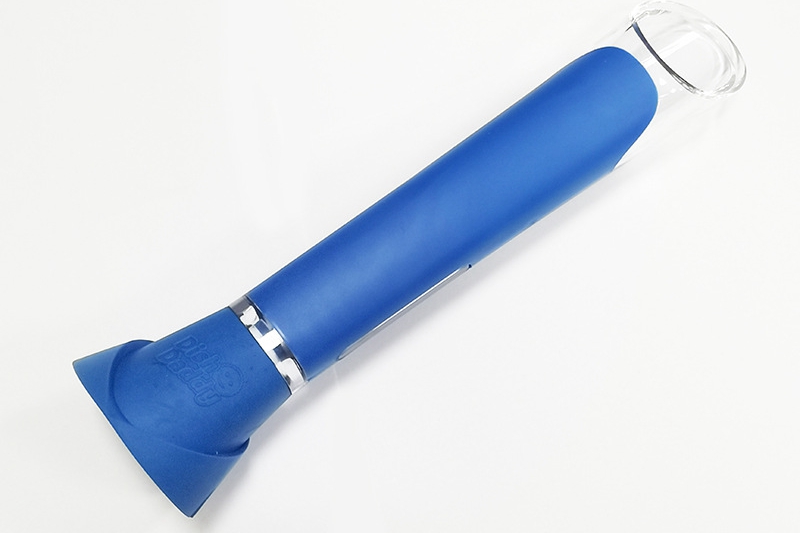
For power tools, user safety and long-duration handling comfort are not minor design upgrades. They directly affect fatigue, grip stability, control accuracy, and even accident risk under vibration, dust, oil contamination, or repeated start-stop operation. That is why many OEMs use overmolding for handles, trigger areas, push buttons, and switch interfaces. Overmolding allows a rigid structural substrate to be combined with a softer outer material layer, giving the part both mechanical strength and a controlled touch surface that improves grip, comfort, and tool handling confidence.
In real product development, overmolding for power tool handles and switches is not only about making a tool feel softer. It is a design strategy that improves friction control, pressure distribution, shock absorption, sealing around user-contact zones, and resistance to slipping during high-load use. For drills, angle grinders, impact drivers, saws, hedge trimmers, and other handheld products, this can significantly improve ergonomic performance while supporting product differentiation in the market. A successful design depends on correct material matching, part geometry, substrate-overshot bonding logic, and manufacturing stability across repeated production cycles.
Why Overmolding Is Important in Power Tool Design
Power tools create a demanding user environment. Handles and switches are exposed to repeated gripping force, vibration, sweat, temperature variation, oil mist, dust, UV exposure in some applications, and frequent contact stress. A rigid plastic housing alone may provide enough structural performance, but it often does not provide the best grip feel, tactile control, or anti-slip reliability. This is especially true for tools operated with gloves, in humid settings, or during extended work sessions.
Overmolding solves this by allowing the designer to place a softer, higher-friction material exactly where user interaction matters most. It improves hand contact comfort and can reduce pressure concentration at key grip zones such as the palm swell, finger wrap area, thumb rest, and trigger boundary. For switches, overmolding can also improve tactile perception and help users locate or operate controls more accurately without excessive force. This is one reason overmolding enhances durability and user experience at the same time.
What Overmolding for Power Tool Handles and Switches Usually Includes
In most power tool applications, overmolding is built around a rigid substrate, often an engineering plastic structural shell or insert, followed by a softer thermoplastic elastomer or similar grip layer. The substrate provides dimensional stability, screw retention, load transfer, and structural support, while the overmolded layer provides grip enhancement, impact softening, tactile feel, and local sealing benefits. Depending on the product, the overmold may cover a full handle zone, only selected touch points, or fine features around the trigger and switch area.
A full overmolding service may therefore include substrate design review, material pair selection, mold development, bonding strategy, texture planning, ergonomic contour optimization, and production validation. Because handles and switches are directly related to user interaction, the success of the part is often judged not only by appearance, but by grip consistency, compression feel, bond reliability, and long-term wear resistance.
How Overmolding Improves Safety in Power Tool Handles
Better Grip Under Difficult Working Conditions
One of the main safety benefits of overmolding is improved friction between the hand and the tool. On a standard rigid housing, grip performance may drop quickly when the surface becomes wet, dusty, oily, or covered by gloves. A properly selected soft overmolded material can improve tactile traction and reduce the likelihood of hand slip during torque reaction or vibration. This is especially valuable in drills, grinders, and impact tools where sudden rotational force or repeated impulse loading can destabilize hand position.
Grip design is not only about material softness. Surface texture, rib geometry, localized compression, and contact-area layout all affect actual user stability. The best designs use overmolding to create controlled friction zones rather than applying a soft material indiscriminately across the whole handle.
Shock and Vibration Comfort
Although overmolding is not a full anti-vibration system by itself, it can improve perceived comfort by reducing harsh surface contact and distributing hand pressure more evenly. In repetitive-use tools, a better pressure distribution profile helps reduce hot spots in the palm and fingers, especially in trigger-hand positions where grip force must be maintained continuously. This improves user control and can indirectly reduce fatigue-related handling errors.
Improved Control Around Switch Zones
Switch and trigger areas often benefit from local overmolding because they require both precision and repeated touch contact. A better tactile interface can help the user identify activation points faster, apply more stable finger force, and reduce accidental slip during start-up or speed control. This is particularly important when the tool is used in angled positions, overhead work, or environments where gloves reduce fingertip sensitivity.
How Overmolding Enhances Ergonomics in Power Tool Design
Ergonomics in power tools is not only about shape. It is about how shape, texture, hardness, grip width, and force transfer work together during real use. Overmolding allows different zones of the handle to behave differently. For example, the main palm contact zone may be softer and broader for comfort, while the thumb-index control area may use more defined texture for precision. A rear handle may use a more fatigue-oriented design, while a front assist handle may prioritize anti-slip control.
This design flexibility is one reason overmolding enhances ergonomic design. In OEM development, it allows the handle surface to be tuned for real use conditions rather than leaving the user to adapt to a purely structural shell.
Ergonomic Benefits by Functional Zone
Tool Area | Overmolding Function | Main Ergonomic Benefit | Typical Design Focus |
|---|---|---|---|
Main Handle Grip | Soft-touch outer layer over rigid frame | Reduced fatigue and better hand comfort | Palm support, friction stability, grip width |
Thumb Rest Zone | Localized texture and touch control | Improved handling confidence | Directional grip and anti-slip placement |
Trigger or Switch Surface | Improved tactile contact | Better control accuracy and finger comfort | Response feel, force transfer, location recognition |
Rear Contact Edge | Pressure-softening interface | Reduced sharp contact points during extended use | Edge rounding and compression feel |
Auxiliary Handle | Higher-friction control zone | Safer two-hand stabilization | Grip security under torque and vibration |
Material Selection for Overmolded Power Tool Handles and Switches
Material pairing is one of the most important engineering decisions in overmolding. The substrate must provide structural strength, dimensional consistency, and fastening reliability, while the overmolded layer must deliver controlled softness, friction, weatherability, and bonding compatibility. In many power tool projects, the substrate is based on rigid engineering plastics commonly used in plastic injection molding, while the outer layer uses an elastomer-compatible overmolding material selected for tactile and durability performance.
Designers should consider not only hardness, but also chemical exposure, temperature range, abrasion resistance, UV stability, compression set, and long-term adhesion. A soft material that feels good initially but wears quickly or peels under repeated flexing is not acceptable for professional tools. For material strategy background, buyers can also review materials best suited for the overmolding process and typical materials used in overmolding.
Material Selection Logic for Power Tool Overmolding
Material Category | Primary Role | What Buyers Should Evaluate | Typical Use in Tool Design |
|---|---|---|---|
Rigid Engineering Plastic Substrate | Provide structure and load transfer | Strength, dimensional stability, fastening integrity | Main handle body, switch housing, structural shell |
Soft Overmolded Grip Layer | Provide comfort and friction | Hardness, wear resistance, grip feel, adhesion | Palm zones, side grips, trigger-touch areas |
Texture-Enhanced Overmold | Improve surface control | Pattern durability and anti-slip performance | Thumb pads, finger wrap zones, auxiliary grips |
Sealing-Oriented Soft Interface | Help local environmental protection | Compression recovery and bond continuity | Switch surrounds, cover transitions, touch interfaces |
Design Considerations Buyers Should Review Before Tooling
A successful overmolded power tool part depends on more than selecting a soft material. Buyers should review how the soft layer is retained mechanically or chemically, whether the overmold thickness is uniform enough for stable molding, whether the grip zones match real hand contact patterns, and whether the switch geometry still provides precise operation after the second shot. Tooling should also account for shutoff stability, flash risk, cosmetic seam visibility, and substrate positioning accuracy.
Part geometry should support real use, not only aesthetic styling. Extremely soft zones placed in the wrong location may actually reduce control. Overmold transitions should be clean and intentional, with the material located where the hand or finger needs support most. Designers should also think about assembly exposure, cleaning behavior, and long-term edge wear. Broader design planning is also related to design considerations when planning for overmolding production.
Key Design Checkpoints for Tool Handles and Switches
Design Factor | What to Review | Why It Matters |
|---|---|---|
Grip Zone Placement | Whether soft material is located at real contact points | Improves actual ergonomic value instead of only appearance |
Material Retention | Whether bond strength is supported by geometry and process | Reduces peeling or edge lift in use |
Texture Design | Whether texture supports glove use, dust, and wet handling | Improves real-world grip safety |
Overmold Thickness | Whether wall distribution is stable for molding | Helps reduce sink, flash, and variable feel |
Trigger Feel | Whether the overmold affects tactile response or control travel | Critical for precise switching and user confidence |
Edge Transition | Whether hard-soft boundaries are clean and durable | Affects appearance, comfort, and long-term wear resistance |
Quality Control and Durability Testing for Overmolded Tool Parts
Because overmolding joins two material systems into one functional part, quality control must confirm more than appearance. Buyers should evaluate bond reliability, dimensional consistency, tactile uniformity, abrasion resistance, and repeated-use durability. In power tool applications, batch variation in grip feel or adhesion can create both performance and brand-quality issues.
A strong supplier should be able to control substrate quality, second-shot molding conditions, bond interface cleanliness, and final part verification. Depending on the product, validation may include tactile review, fit testing, cycling, wear evaluation, and dimensional confirmation of the substrate and final overmolded profile. For broader service logic, it is useful to review how overmolding helps improve product durability and what products benefit most from overmolding.
When OEMs Should Choose Overmolding for Power Tool Components
Overmolding is usually the right choice when the product requires improved grip comfort, better safety in difficult handling environments, a more premium tactile feel, or local sealing and impact-softening benefits. It is particularly valuable in products used for long durations, products exposed to vibration and torque reaction, and products where user-hand contact plays a major role in safety and control. It may also be strongly justified in professional-grade tools where ergonomic differentiation supports brand positioning.
For OEM teams comparing design routes, overmolding is often superior to adding separate grip sleeves or soft inserts later because it integrates the function directly into the manufactured part. This can improve durability, simplify assembly, and produce a cleaner product architecture. Broader process comparison can also be explored through how overmolding differs from traditional injection molding.
Conclusion: Overmolding Turns Tool Contact Surfaces Into Functional Safety Features
Improved safety and ergonomics in power tool handles and switches come from deliberate interface engineering, not cosmetic softness alone. Overmolding allows OEMs to combine structural strength with controlled grip feel, improved tactile control, reduced slip risk, and better long-duration handling comfort. When material selection, grip-zone design, texture logic, bonding strategy, and durability control are engineered together, overmolding becomes one of the most effective ways to improve both user experience and product safety in handheld power tools.